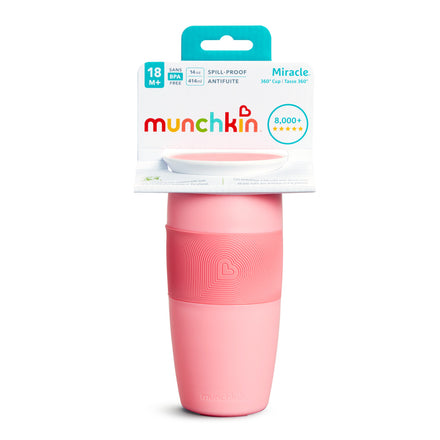
Are you tired of the never-ending question: “Can I just toss this Munchkin cup into the dishwasher?” You’re not alone.
As a busy parent, you crave simplicity and efficiency, especially when it comes to cleaning up after your little ones. The last thing you want is to ruin a perfectly good cup or waste time scrubbing stubborn stains by hand.
Imagine the relief you’ll feel once you know exactly how to care for your child’s favorite cup. We’ll get to the bottom of whether Munchkin cups are dishwasher safe and provide you with the peace of mind you need. Stick around to discover the secrets to keeping your child’s drinkware in tip-top shape without any hassle.
Munchkin Cup Materials
Understanding the materials used in Munchkin cups can help you decide if they are safe for your dishwasher and suitable for your child’s daily use. These materials influence not only the durability but also how easy the cups are to clean and maintain. Knowing what your cup is made of gives you an edge in caring for it properly.
Common Materials Used
Munchkin cups often use a mix of plastic, silicone, and sometimes stainless steel parts. The most common plastic is BPA-free polypropylene, which is lightweight and safe for kids. Silicone is usually found in the spouts or valves, offering a soft, flexible touch that’s gentle on little mouths.
Some cups feature stainless steel, especially in insulated designs, to keep drinks cold or warm. Each material serves a specific purpose, balancing safety, comfort, and functionality.
Impact On Durability
The type of material directly affects how long your Munchkin cup lasts under regular use and cleaning. Plastic parts might wear down faster with repeated dishwasher cycles, especially if exposed to high heat. Silicone components tend to hold up well and resist cracking or warping.
Stainless steel adds sturdiness but may require hand washing to prevent damage to its finish. Have you noticed any change in your cup’s feel or look after several washes? That’s often a sign the material is reaching its limit.
Choosing the right material can save you money and hassle in the long run. It’s worth checking the cup’s care instructions to match your cleaning routine with the material’s needs.
Dishwasher Safety Factors
Understanding the dishwasher safety factors for Munchkin cups is crucial before tossing them into the machine. Not all parts of these cups react the same way to dishwasher heat and water pressure. Paying attention to how heat and mechanical stress affect your cup can save you from unexpected damage and extra costs.
Heat Resistance
Munchkin cups are often made from BPA-free plastic, which generally handles dishwasher heat well. However, the top rack is the safest spot to place them because it experiences lower temperatures. Placing the cup on the bottom rack might expose it to intense heat, causing warping or discoloration.
Have you noticed your cup looking misshapen after a dishwasher cycle? That’s a sign the plastic wasn’t heat resistant enough for that setting. Always check the product label or manufacturer’s website for maximum temperature recommendations.
Seal And Valve Durability
The seals and valves in Munchkin cups are designed to prevent leaks, but they are more delicate than the plastic body. High dishwasher heat and strong water jets can wear them down over time. This might lead to leaks or reduced functionality.
Cleaning these parts by hand can extend their lifespan significantly. If you decide to use the dishwasher, placing the seals and valves in a mesh laundry bag can protect them from rough water pressure. Do you want your cup to last through countless washes? Then treating these small parts gently is key.
Manufacturer Guidelines
Manufacturer guidelines provide clear instructions on using and caring for Munchkin cups. These guidelines help maintain the product’s quality and safety. Following the official advice prevents damage and ensures the cups last longer.
Official Dishwasher Instructions
Munchkin cups are generally dishwasher safe. Most models can be placed on the top rack only. The top rack avoids exposure to intense heat from the dishwasher’s heating element. Using the top rack helps protect the cup’s materials and colors.
The manufacturer recommends removing any lids or valves before washing. This step helps clean all parts thoroughly. It also prevents damage to smaller components during the dishwasher cycle.
Warnings And Recommendations
Do not use harsh detergents or bleach when washing Munchkin cups. These can degrade the plastic and cause discoloration. Avoid placing cups near the dishwasher’s heating element or bottom rack. High heat can warp or melt the plastic parts.
Hand washing is encouraged for delicate parts like valves and spouts. Inspect the cup regularly for cracks or wear. Replace any damaged parts immediately to avoid leaks or choking hazards.

Credit: www.munchkin.com
Hand Washing Vs Dishwasher
Choosing between hand washing and using a dishwasher for Munchkin cups can affect their lifespan and cleanliness. Each method has unique advantages and challenges. Understanding these helps keep your child’s cup safe and germ-free.
Pros And Cons Of Hand Washing
- Gentle on the cup’s material, avoiding damage.
- Allows careful cleaning of small parts and seals.
- Uses less water in quick washes.
- May not remove all bacteria without strong scrubbing.
- Time-consuming compared to dishwasher use.
- Risk of missing hidden dirt or mold in crevices.
Benefits Of Dishwasher Use
- Offers thorough cleaning with high-temperature water.
- Saves time and effort for busy parents.
- Reaches tough spots with strong water jets.
- Usually safe for Munchkin cups marked dishwasher-friendly.
- Can sanitize cups better than hand washing.
- Frequent dishwasher use may wear out some cup parts faster.
Common Care Mistakes
Many parents assume that tossing Munchkin cups into the dishwasher is always safe, but common care mistakes can lead to damage or reduced functionality. Understanding what to avoid can save you time and keep your child’s cup in great shape. Let’s look at some typical errors and how to prevent them.
Avoiding Damage
One frequent mistake is placing Munchkin cups on the dishwasher’s bottom rack near the heating element. The intense heat can warp plastic parts or cause colors to fade. Instead, put cups on the top rack where the heat is gentler.
Another issue is overcrowding the dishwasher. Cups might get knocked around, leading to cracks or broken lids. Give them enough space to stay secure during the wash cycle.
Have you noticed white spots or film on your cups after washing? This often happens when detergent residue builds up. Rinsing cups before loading them and choosing a mild detergent helps avoid this problem.
Maintaining Functionality
Your child’s cup has several components like valves and seals that need special care. Leaving these parts dirty or clogged can cause leaks or make drinking difficult. Clean each piece thoroughly by hand at least once a week.
Dishwashers might not reach all the tiny crevices inside the valves. Using a small brush or running water through the parts ensures they stay clear and functional. Have you checked your cup’s manual for cleaning tips on these parts?
Also, avoid using harsh chemicals or bleach, which can degrade silicone seals and plastic over time. Gentle soap and warm water keep your cup safe and working well for longer.

Credit: www.amazon.co.uk
Tips To Extend Cup Lifespan
Keeping your Munchkin cups in great shape doesn’t require magic, just a few smart habits. Extending the life of these cups means paying close attention to how you clean and store them. Simple changes in your routine can save you from frequent replacements and keep your child’s favorite cup ready for every sip.
Proper Cleaning Techniques
Handwashing your Munchkin cups with mild soap and warm water helps protect their materials better than harsh dishwasher cycles. If you do use a dishwasher, place the cups on the top rack to avoid high heat exposure. Avoid bleach or strong detergents that can wear down the cup’s finish and seals.
After washing, inspect the silicone spouts or valves for trapped milk or juice residue. A quick brush or toothpick can remove hidden buildup, preventing mold or odors. Have you checked your cup’s parts closely after cleaning? This small step can make a big difference.
Storage Recommendations
Allow your cups to air dry completely before storing them to prevent moisture buildup inside. Store them disassembled—remove lids and valves—to keep airflow going and avoid trapped moisture. Keep cups in a cool, dry place away from direct sunlight to protect colors and materials.
Stacking cups tightly can cause scratches or deform the silicone parts. Instead, store them upright or separately to maintain their shape. How you store your cups might surprise you in how much it affects their durability.
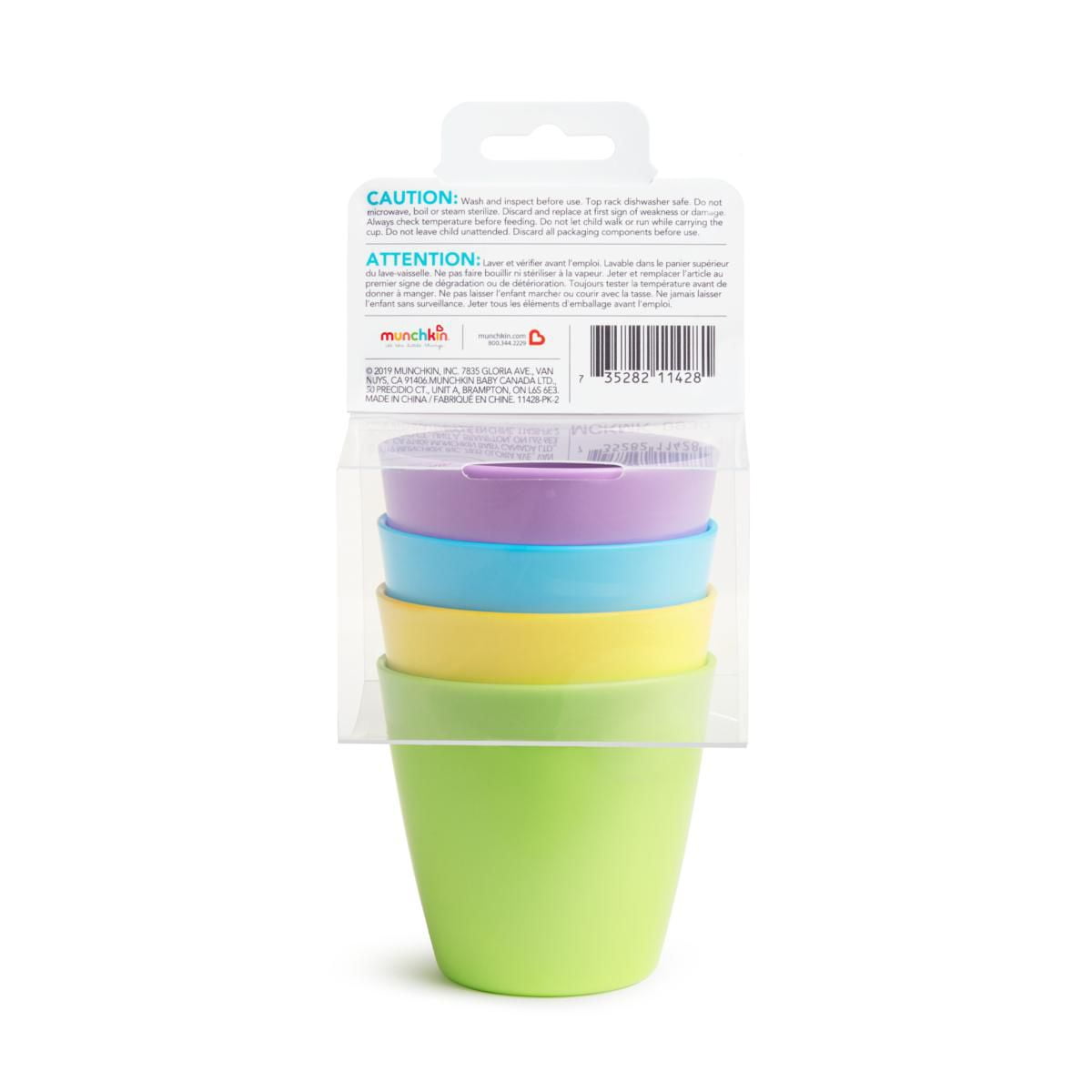
Credit: www.walmart.ca
Frequently Asked Questions
Are Munchkin Cups Safe To Clean In A Dishwasher?
Yes, most Munchkin cups are dishwasher safe. Always check the product label for specific cleaning instructions to avoid damage.
Can Dishwasher Heat Harm Munchkin Cups?
Dishwasher heat is generally safe for Munchkin cups. However, high heat settings may cause warping or damage over time.
Should I Place Munchkin Cups On The Top Dishwasher Rack?
It is recommended to place Munchkin cups on the top rack. This placement protects them from direct heating elements and ensures gentle cleaning.
How Often Should I Clean Munchkin Cups In A Dishwasher?
You can clean Munchkin cups in the dishwasher after every use. Regular cleaning prevents bacteria buildup and keeps cups hygienic.
Conclusion
Munchkin cups are mostly safe for dishwashers. Check the cup’s label to be sure. Place cups on the top rack to avoid damage. Avoid high heat settings to protect the cup’s parts. Regular cleaning keeps cups fresh and safe for kids.
Hand washing works well if you want extra care. Choose the cleaning method that fits your needs best. Keep your child’s cup clean and ready every day. Simple steps help your cups last longer. Easy care means happy kids and less worry.