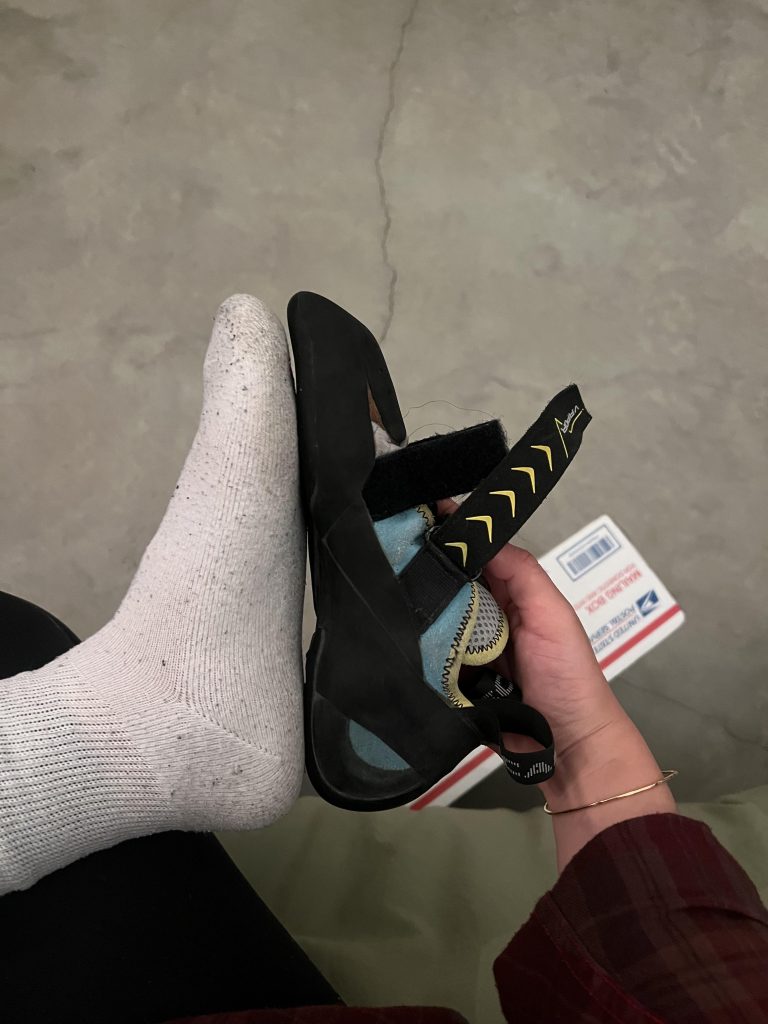
Are your climbing shoes feeling a bit loose? You might be wondering, “Are my climbing shoes too big?”
This question is more important than you think. Wearing shoes that don’t fit right can hold you back on the wall and even cause discomfort or injury. But how do you know if your shoes are truly too big, or just a bit broken in?
Keep reading to discover the signs your climbing shoes are not the right size for you—and how fixing this can boost your performance and comfort every time you climb.

Credit: www.reddit.com
Why Fit Matters
Climbing shoes must fit well to help you climb safely. Shoes that are too big can cause problems.
A good fit means your shoes stay on your feet and give you control. This is important for climbing.
Impact On Performance
Shoes that are too big make it hard to feel the rock. You lose grip and precision.
Loose shoes can slip off or move inside. This wastes energy and slows you down.
- Less control on small holds
- Reduced power transfer to your feet
- More foot movement inside the shoe
Risk Of Injury
Shoes that do not fit well increase the chance of injury. Loose shoes can cause blisters and cuts.
You may twist your foot if the shoe slips. This can lead to sprains or strains.
- Blisters from rubbing inside the shoe
- Foot slipping causing falls
- Strains from unstable foot support
Common Signs Of Loose Shoes
Wearing climbing shoes that are too big can affect your performance. It is important to spot if your shoes are loose. Loose shoes reduce your control and safety on the rock.
Look for signs like heel slippage, toe movement, and extra space inside. These signs tell you if your shoes fit poorly.
Heel Slippage
Heel slippage happens when your heel lifts out of the shoe while climbing. It can cause blisters and reduce stability.
This happens because the shoe is too big or not tight enough around the heel. Your foot moves inside the shoe instead of staying firm.
- Your heel lifts with each step
- You feel less control when pushing off
- Shoes feel loose around the ankle
Toe Movement
Too much toe movement means your toes slide inside the shoe. This reduces precision on small holds.
When your toes move, you lose the tight fit needed for good climbing. Your foot does not feel locked in place.
- Toes feel loose or float inside the shoe
- You cannot press your toes firmly on edges
- Foot shifts forward when climbing
Excess Space Inside
Extra space inside your climbing shoes means they are too big. This space makes it hard to control your foot.
You should feel snug without pain. Too much space causes your foot to slide and reduces sensitivity.
- Feel a gap between your foot and shoe
- Shoes feel loose when walking or climbing
- You can wiggle your toes freely
Effects Of Shoes That Are Too Big
Wearing climbing shoes that are too big can cause problems during your climb. The fit of your shoes affects your performance and comfort.
Shoes that do not fit well can lead to injuries and make climbing harder. It is important to know what happens if your shoes are too big.
Reduced Precision
Big climbing shoes make it hard to feel the rock surface. You lose the ability to place your feet exactly where you want.
This lack of control can cause slips and falls. Precise footwork is important for difficult climbs.
Blisters And Discomfort
Shoes that are too big move around on your feet. This movement causes friction and rubbing inside the shoe.
Friction leads to blisters and sore spots. Painful feet can stop you from climbing well or for long periods.
- Friction causes skin irritation
- Blisters reduce climbing time
- Discomfort lowers focus and safety
Decreased Support
Shoes that are too big do not hold your feet firmly. This weakens support for your arches and ankles.
Poor support increases the chance of twisting your ankle or losing balance. Proper fit helps protect your feet during climbs.

Credit: www.reddit.com
How To Check Your Shoe Fit
Wearing climbing shoes that fit well is important for comfort and performance. Shoes that are too big can cause slipping and reduce control on climbs.
Checking the fit involves simple tests and paying attention to how your feet feel inside the shoes. This guide helps you understand if your climbing shoes are too big.
Wear Test Techniques
Try wearing your climbing shoes for short periods to notice fit and comfort. Look for any movement or looseness as you walk or climb.
- Wear shoes with the socks you usually use for climbing.
- Walk around to test if your heel slips out.
- Stand on your toes to check for shoe stretch or gaps.
- Try climbing on a small wall or hold to feel shoe grip.
- Pay attention to any rubbing or slipping inside the shoe.
Pressure Points To Notice
Check your feet for pressure spots that might cause pain or numbness. These points can show if the shoe is too tight or too loose in some areas.
| Pressure Area | What to Feel | Indication |
|---|---|---|
| Toes | Light snugness without pain | Good fit |
| Heel | No slipping or movement | Proper fit |
| Arch | Even pressure, no gaps | Secure support |
| Top of foot | No sharp pressure or pinching | Avoid discomfort |
Choosing The Right Size
Picking the right size climbing shoes is very important for comfort and performance. Shoes that are too big can cause slipping and make climbing harder.
It is good to learn how to find the best fit. This helps you climb safely and enjoy your time on the wall.
Trying Different Brands
Climbing shoe sizes can change from brand to brand. One brand’s size 42 might feel bigger or smaller than another’s.
Try shoes from many brands to see which fits your feet best. This helps avoid buying shoes that are too big or too small.
- Visit stores to try shoes in person
- Test the fit by walking and standing
- Check if your heel stays in place
Considering Foot Shape
Your foot shape affects how climbing shoes fit you. Some shoes fit wide feet better, others suit narrow feet.
Know if your foot is flat, high-arched, wide, or narrow. Pick shoes that match your foot shape for a better fit.
- Wide feet need wider shoe models
- Narrow feet fit tighter shoes without pain
- High arches may need shoes with more volume
- Flat feet often fit shoes with less arch support
Using Sizing Guides
Each brand offers sizing guides to help you find the right size. These guides use measurements like foot length and width.
Measure your feet carefully and compare the numbers with the guide. This lowers the chance of buying shoes that are too big.
- Measure your foot length in centimeters or inches
- Check width measurements if available
- Use the guide to pick the closest size
- Remember to consider socks or insoles if you use them
When To Replace Your Climbing Shoes
Climbing shoes wear out over time. Knowing when to replace them helps keep you safe and comfortable.
This guide explains signs of wear and tear and how a drop in performance shows it is time for new shoes.
Signs Of Wear And Tear
Check your climbing shoes for these common signs of damage. They show when shoes no longer work well.
- Worn-out rubber on the sole or toe area
- Holes or tears in the fabric or leather
- Loose or broken stitching
- Stretched out or loose fit
- Damaged or missing closures like Velcro or laces
Performance Decline
Old shoes reduce your climbing ability. Watch for signs your shoes are not performing well.
| Issue | Effect on Climbing |
| Less grip | Harder to hold footholds |
| Loose fit | Reduced control and precision |
| Stiff soles | Pain and less foot sensitivity |
| Damaged closures | Shoes may slip off during climbs |

Credit: www.reddit.com
Frequently Asked Questions
How Do I Know If My Climbing Shoes Are Too Big?
If your climbing shoes feel loose or your heel lifts when climbing, they might be too big. Shoes should fit snugly without causing pain. Excess space can reduce sensitivity and performance on the wall. It’s crucial for your toes to be slightly curled, ensuring a secure fit.
What Are Signs Of Oversized Climbing Shoes?
Oversized climbing shoes often have noticeable gaps in the heel or toe area. If your feet slide during climbs or you lack precision on footholds, your shoes might be too big. Properly fitting shoes should feel tight but not painful, enhancing grip and control on climbing surfaces.
Can Big Climbing Shoes Affect Performance?
Yes, oversized climbing shoes can significantly impact performance. A loose fit reduces sensitivity and control, making it harder to grip footholds. This can lead to inefficient climbing and increased fatigue. A snug fit ensures better precision and power transfer, crucial for effective climbing.
Should Climbing Shoes Be Snug Or Loose?
Climbing shoes should be snug, not loose, for optimal performance. A tight fit enhances sensitivity and control on holds. While comfort is important, too much space can hinder your ability to climb effectively. Aim for a fit where toes slightly curl, ensuring secure and efficient climbing.
Conclusion
Choosing the right climbing shoes matters a lot for your comfort and safety. Shoes that feel too big can make climbing harder and less stable. You want a snug fit without pain or numbness. Remember, climbing shoes stretch a little over time.
Test them carefully before you buy. A good fit helps you climb better and enjoy every climb. Take your time to find the best size for you. Your feet will thank you on every wall.