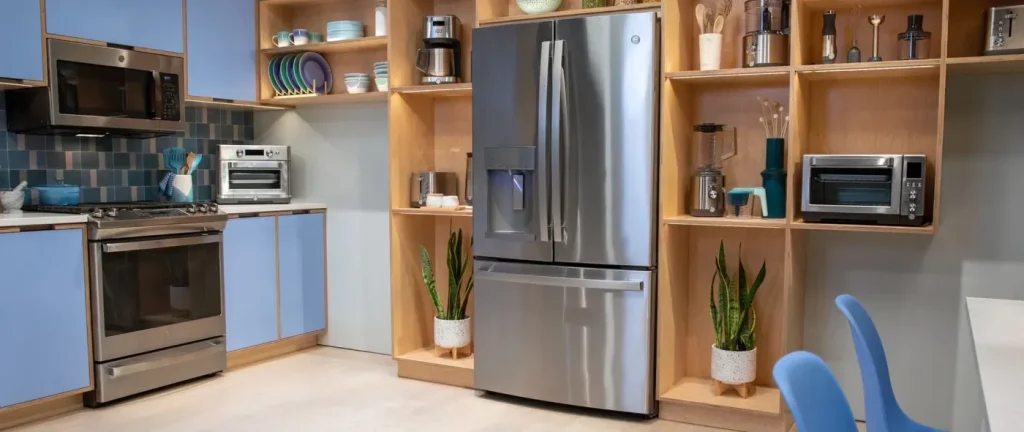
Are you wondering if your old refrigerator is costing you more than it should? You’re not alone.
Many people ask, “Are new refrigerators more energy efficient? ” The answer might surprise you—and it could save you money on your electricity bill. Imagine cutting your energy costs while helping the environment at the same time. Keep reading to discover how modern refrigerators compare to older models and what features you should look for to make the smartest choice for your home.
Your wallet and the planet will thank you.

Credit: www.youtube.com
Energy Efficiency Trends
Energy efficiency in refrigerators has improved steadily over recent years. New models use less electricity and keep food fresh longer. This saves money and helps the environment. Understanding these trends helps consumers make smart choices.
Advancements In Refrigerator Technology
Modern refrigerators use advanced compressors and better insulation. Variable speed compressors adjust energy use based on cooling needs. LED lighting inside uses less power than old bulbs. Smart sensors control temperature more accurately, reducing waste.
Comparing Old Vs New Models
Older refrigerators often use twice the energy of new ones. Many early models lack efficient motors and have poor seals. New refrigerators maintain temperature with less effort. This means lower electricity bills and fewer greenhouse gases.
| Feature | Old Models | New Models |
|---|---|---|
| Energy Use | High | Low |
| Insulation | Thin | Thick and efficient |
| Compressor | Single speed | Variable speed |
| Lighting | Incandescent | LED |
Energy Star Ratings And Certifications
Energy Star labels identify efficient refrigerators. Certified models use less energy than standard ones. These ratings help buyers choose appliances that save power. Many countries use similar certification programs to promote energy savings.
- Energy Star refrigerators use at least 15% less energy
- They meet strict government standards
- Certification encourages manufacturers to improve designs
Cost Savings Breakdown
Understanding the cost savings of new refrigerators helps in making smart choices. Energy-efficient models use less power, cutting down monthly electricity expenses. This section breaks down how these savings add up over time.
Reduced Electricity Bills
New refrigerators consume less energy than older models. This drop in power use lowers your monthly electric bill. Savings can range from 10% to 50%, depending on the model and usage.
Energy Star-rated refrigerators are designed to save energy. Using them means spending less on electricity every month. Over one year, these savings can be quite noticeable.
Long-term Financial Benefits
Investing in a new fridge pays off over several years. Lower energy use means continual savings on your bills. The fridge also lasts longer, reducing the need for repairs or early replacement.
Less energy consumption helps reduce your overall household costs. Over a decade, the total savings can cover the purchase price of the new appliance.
Incentives And Rebates
Many governments and utility companies offer rebates for energy-efficient appliances. These incentives reduce the initial cost of a new refrigerator. They make upgrading more affordable and attractive.
Check local programs for available rebates before buying. These offers can save you hundreds of dollars upfront. Combining rebates with energy savings maximizes your financial benefits.
Features That Boost Efficiency
New refrigerators come with smart features that help save energy. These features reduce power use and keep food fresh longer. They improve the overall efficiency of the appliance without extra effort from users.
Improved Insulation And Sealing
Better insulation keeps cold air inside the fridge. This lowers the need for the compressor to run often. Strong seals around doors stop warm air from entering. These upgrades reduce energy loss and improve cooling performance.
Smart Temperature Controls
Modern refrigerators have sensors to monitor temperature precisely. They adjust cooling based on the fridge’s contents and outside heat. This prevents overcooling and saves electricity. Some models learn usage patterns to optimize cooling cycles.
Led Lighting And Compressor Innovations
LED lights use less energy and produce less heat than old bulbs. This helps maintain a steady fridge temperature. New compressors run more quietly and efficiently. Variable-speed compressors adapt power use to cooling needs, cutting energy waste.
Credit: www.consumerreports.org
Choosing The Right Refrigerator
Choosing the right refrigerator is key to saving energy and money. A good choice fits your needs and uses less power. Think about how much space you need and how often you cook or shop.
Size And Capacity Considerations
Pick a size that matches your household. Bigger fridges use more energy. Small families need less space. Large families need more room for food. Avoid buying a fridge that is too big or too small.
Check the internal capacity, usually shown in liters or cubic feet. Consider your daily food storage needs. Extra space means more energy to cool. Choose wisely to balance size and efficiency.
Energy Usage Labels Explained
Energy labels help compare fridge efficiency. Look for the Energy Star or similar marks. These labels show how much electricity the fridge uses yearly. The fewer kilowatt-hours (kWh), the better.
Labels often rate from A+++ to D or 1 to 10. A+++ or 1 means very efficient. D or 10 means less efficient. Use these ratings to pick a fridge that saves energy and lowers bills.
Balancing Features With Efficiency
Modern fridges have many features like ice makers and smart controls. These add convenience but can increase energy use. Decide which features you really need.
Some features use power even when not in use. For example, water dispensers and LED lights. Choose features that match your lifestyle without wasting energy.
Energy-efficient models often include better insulation and compressors. These help keep food cold using less power. Prioritize efficiency over extra functions to save energy long-term.
Maintenance Tips For Efficiency
Maintaining your refrigerator properly helps keep it energy efficient. Simple care can lower power use and extend the appliance’s life. Small efforts make a big difference in energy savings and performance.
Regular Cleaning And Defrosting
Clean the coils behind or beneath the fridge every six months. Dust and dirt block airflow and make the compressor work harder. Wipe the door seals with a damp cloth to keep them tight. A loose seal lets cold air escape, wasting energy.
Defrost the freezer if you see thick ice buildup. Ice reduces cooling efficiency and increases energy use. Manual defrost models need attention, but many new fridges have automatic defrost features.
Proper Placement And Ventilation
Place the refrigerator away from heat sources like ovens or direct sunlight. Heat forces the fridge to cool more, using extra energy. Leave space around the fridge for air to circulate. Good ventilation helps the compressor run smoothly.
Avoid pushing the fridge flush against walls. At least two inches of clearance improves airflow. Keep the fridge level to ensure the door seals correctly and the compressor works well.
When To Repair Vs Replace
Fix small issues like broken seals or faulty fans quickly. Repairs often save energy and cost less than replacement. Watch for signs like loud noises or inconsistent cooling. These could mean bigger problems.
Replace the fridge if repairs are frequent or costs are high. New models use advanced technology for better energy savings. Older fridges typically consume more power and may lack modern efficiency features.

Credit: www.yahoo.com
Frequently Asked Questions
Are New Refrigerators More Energy Efficient?
Yes, new refrigerators are generally more energy-efficient due to advanced technology. They feature improved insulation, compressors, and temperature management. Energy Star-rated models can use up to 40% less energy than older ones. Investing in a new refrigerator can significantly reduce your electricity bills and environmental footprint.
How Do Energy-efficient Refrigerators Save Money?
Energy-efficient refrigerators save money by reducing electricity usage. They operate more effectively with better technology, lowering energy consumption. Over time, this can lead to significant savings on your utility bills. Choosing a model with an Energy Star rating ensures optimal efficiency and cost-effectiveness.
What Features Make Refrigerators Energy-efficient?
Energy-efficient refrigerators have advanced compressors, improved insulation, and precise temperature controls. These features reduce energy consumption while maintaining optimal performance. Energy Star-rated models also use eco-friendly refrigerants. These innovations contribute to lower energy bills and a smaller carbon footprint, making them a smart choice for environmentally conscious consumers.
Do Energy-efficient Refrigerators Last Longer?
Energy-efficient refrigerators often last longer due to their advanced technology. Improved components and better design contribute to durability. However, lifespan also depends on maintenance and usage. Regular cleaning and proper care can extend the life of your refrigerator, ensuring long-term efficiency and cost savings.
Conclusion
New refrigerators save energy and lower electricity bills. They use advanced technology to run efficiently. Choosing an energy-efficient model helps the environment too. Old refrigerators waste more power and cost more money. Small changes make a big difference over time.
Think about your budget and energy use when buying. Smart choices protect both your wallet and the planet. Energy-efficient refrigerators are a wise investment for any home. Simple steps lead to long-term savings and comfort.