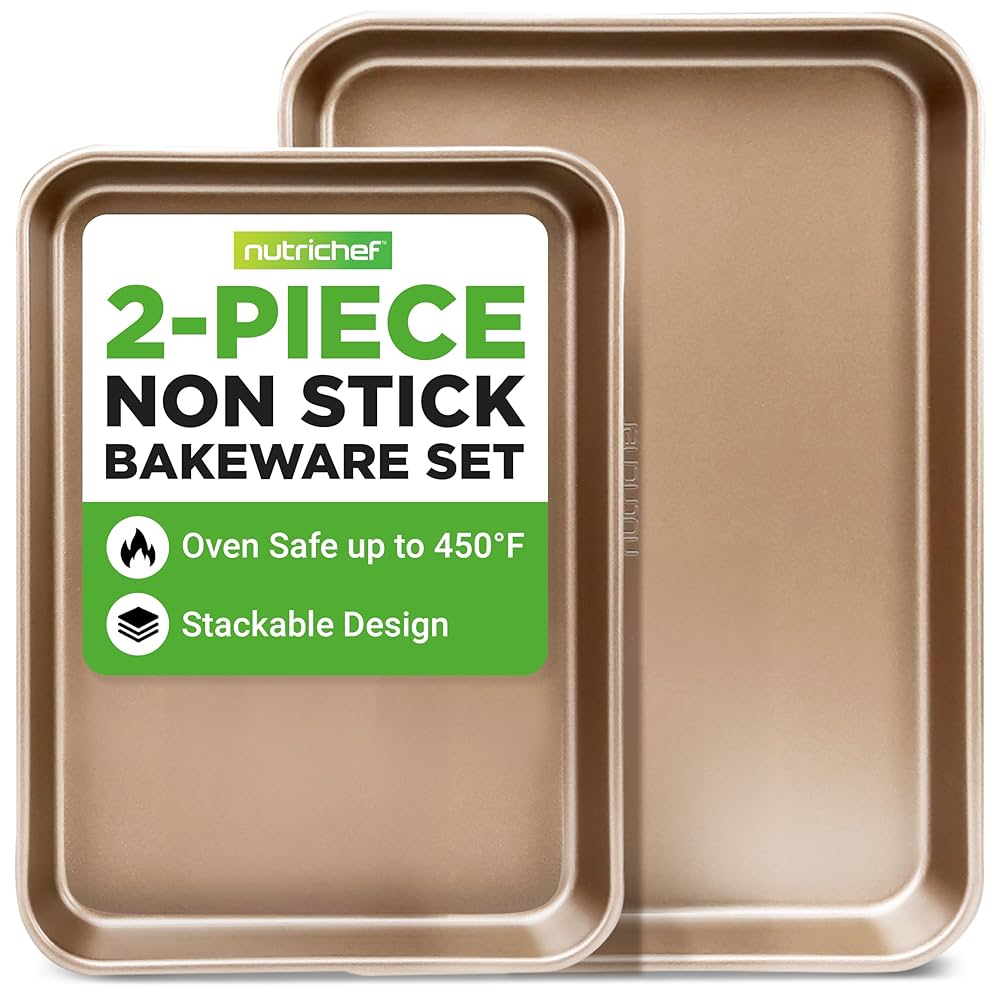
Are you worried about the safety of your non-stick baking sheets? You’re not alone.
Many people wonder if these popular kitchen tools could be harmful to their health or if they might affect the taste of their food. You want to bake with confidence, knowing your tools won’t cause problems. You’ll discover the truth about non-stick baking sheets—the good, the bad, and what you need to watch out for.
Keep reading to make the best choice for your kitchen and your health.

Credit: www.amazon.com
Non Stick Coatings Explained
Non stick baking sheets help prevent food from sticking during baking. They make cleaning easier and improve cooking results.
These sheets have special coatings that stop food from sticking to the surface. Understanding these coatings helps you use them safely.
Types Of Coatings
There are different types of non stick coatings on baking sheets. Each type works in a unique way and has its own safety features.
- Polytetrafluoroethylene (PTFE) – Known as Teflon, it is the most common coating.
- Ceramic coatings – Made from inorganic materials without chemicals.
- Silicone coatings – Flexible and heat resistant, used in some bakeware.
- Anodized aluminum – Treated metal surface that is non stick without added coating.
How They Work
Non stick coatings create a smooth, slippery surface. This stops food from sticking by reducing friction.
PTFE coatings release food easily and resist high heat. Ceramic coatings use a hard layer that prevents food from bonding to the surface.
- PTFE coatings work by creating a chemical barrier.
- Ceramic coatings form a physical non stick layer.
- Silicone coatings provide flexibility and release food.
- Anodized aluminum changes the metal surface to resist sticking.
Health Concerns
Non stick baking sheets are popular in many kitchens. People like them because food does not stick and cleaning is easy.
Still, some worry if these sheets are safe to use. It is important to know about health risks before buying.
Chemical Risks
Most non stick sheets use coatings that contain chemicals like PTFE and PFOA. These chemicals can release fumes if the sheet gets very hot.
- PTFE can break down at high heat and produce toxic fumes.
- PFOA was used in older coatings but is mostly removed now.
- Some chemicals may cause irritation or breathing problems.
- Long-term exposure may increase health risks.
Exposure Factors
| Factor | Effect on Safety |
| Temperature | High heat can release harmful fumes |
| Condition | Scratched coating may release particles |
| Usage Time | Long cooking times increase exposure |
| Ventilation | Good air flow reduces inhaling fumes |
Safety Tips For Use
Non stick baking sheets make cooking easier by preventing food from sticking. It is important to use them safely to avoid damage and health risks.
Follow simple rules to keep your baking sheets in good condition and protect your health.
Temperature Limits
Non stick coatings can break down if exposed to very high heat. This can release harmful fumes and ruin the pan.
Always check the manufacturer’s recommended maximum temperature for your baking sheet. Do not exceed this limit.
- Most non stick sheets are safe up to 450°F (232°C).
- Do not use under a broiler or open flame.
- Avoid sudden temperature changes to prevent warping.
Proper Cleaning Methods
Cleaning non stick baking sheets carefully helps keep the coating intact. This extends their life and keeps food safe.
Use gentle cleaning tools and avoid harsh chemicals that can damage the surface.
- Wash with warm, soapy water and a soft sponge.
- Do not use steel wool or abrasive pads.
- Dry the sheet completely before storing.
- Avoid dishwasher use if the manufacturer warns against it.
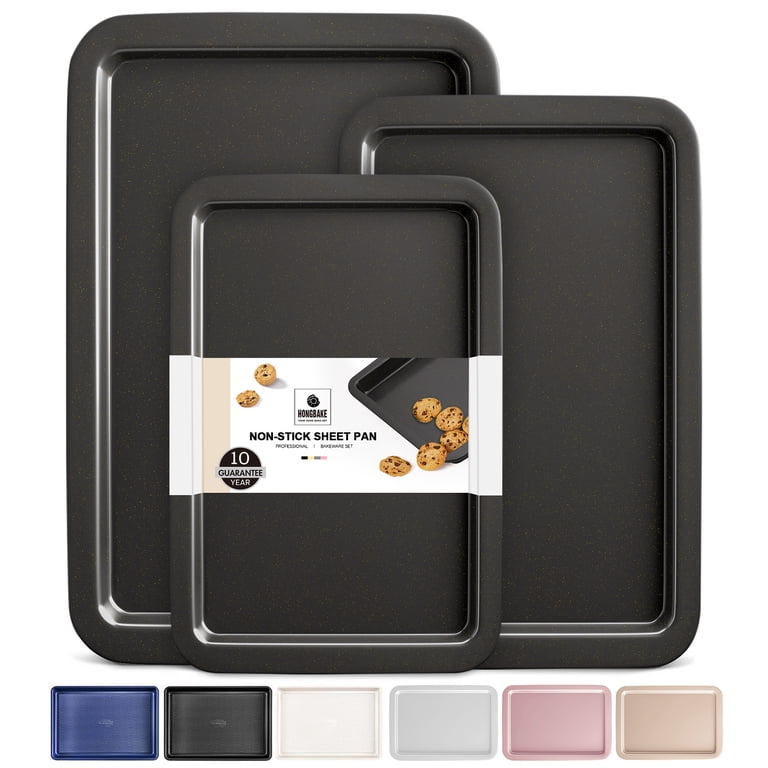
Credit: www.walmart.com
Alternatives To Non Stick Sheets
Non stick baking sheets are popular but some people worry about their safety. There are other options that work well for baking.
These alternatives can be safer and last longer. They also help you cook food evenly without sticking.
Silicone Mats
Silicone mats are flexible and reusable baking sheets. They stop food from sticking without chemicals.
These mats are easy to clean and can handle high oven temperatures. They are also non-toxic and safe for baking.
- Non-stick surface without sprays or oils
- Reusable and eco-friendly
- Good for cookies, pastries, and roasting
- Easy to store and clean
Stainless Steel
Stainless steel baking sheets are strong and durable. They do not have coatings that can wear off.
These sheets conduct heat well and give a crispy finish to baked goods. Use a little oil or parchment paper to prevent sticking.
- Long-lasting and resistant to rust
- Good heat distribution
- Easy to clean with soap and water
- Safe for high temperatures
Cast Iron
Cast iron pans can also be used as baking sheets. They hold heat evenly and add flavor to food.
Season your cast iron well to create a natural non-stick surface. They are very durable and can last for years.
- Excellent heat retention
- Natural non-stick when seasoned
- Great for baking bread and roasting
- Requires regular care to prevent rust
Choosing The Right Baking Sheet
Picking the right baking sheet matters for cooking and safety. The material and coating affect heat and food taste.
Non-stick baking sheets are popular but need careful choice. Learn what to check before buying one.
Material Considerations
Baking sheets come in many materials. Aluminum, stainless steel, and silicone are common options.
Aluminum heats quickly but may warp. Stainless steel lasts long but heats slower. Silicone is flexible and easy to clean.
- Aluminum: Good heat, can react with acidic food
- Stainless Steel: Durable, no reaction with food
- Silicone: Non-stick, flexible, low heat tolerance
- Non-stick coating: Easy to clean, may wear off
Durability And Maintenance
Check if the baking sheet holds up after many uses. Non-stick coatings can peel or scratch over time.
Cleaning is important. Avoid metal tools or harsh scrubbing to protect the surface.
- Use soft sponges for cleaning
- Hand wash is better than dishwasher
- Look for scratch-resistant coatings
- Store carefully to avoid damage

Credit: www.amazon.com
Frequently Asked Questions
Are Non Stick Baking Sheets Toxic?
Non stick baking sheets are generally safe when used correctly. They are coated with PTFE or silicone, which are non-toxic. However, overheating them above 500°F can release harmful fumes. Always follow the manufacturer’s instructions for safe use and avoid using metal utensils that could damage the coating.
How Should I Clean Non Stick Baking Sheets?
Clean non stick baking sheets with mild soap and a soft sponge. Avoid abrasive cleaners or scouring pads that can damage the coating. Rinse thoroughly and dry with a soft cloth. It’s important to avoid soaking them for long periods.
Hand washing is recommended to maintain the non stick surface.
Can Non Stick Baking Sheets Go In The Oven?
Yes, non stick baking sheets are designed for oven use. Always check the manufacturer’s temperature guidelines, as most can withstand up to 450°F. Avoid using them at high broil settings to prevent damage. Ensuring proper use will prolong their lifespan and maintain their non stick properties.
Do Non Stick Baking Sheets Wear Out?
Non stick baking sheets can wear out over time with regular use. The coating may begin to peel or lose its effectiveness. Proper care, such as avoiding metal utensils and extreme temperatures, can extend their life. If the coating starts to deteriorate, it’s time to replace them.
Conclusion
Non-stick baking sheets offer convenience and easy cleanup. They are generally safe when used correctly. Avoid overheating to keep coatings intact and healthy. Choose quality brands to reduce risks of harmful chemicals. Proper care extends the life of your baking sheets.
Always follow manufacturer instructions for safe use. Baking with non-stick sheets can make your kitchen tasks simpler. Safety depends on how you use and maintain them. Keep your cooking safe and enjoy tasty meals every time.