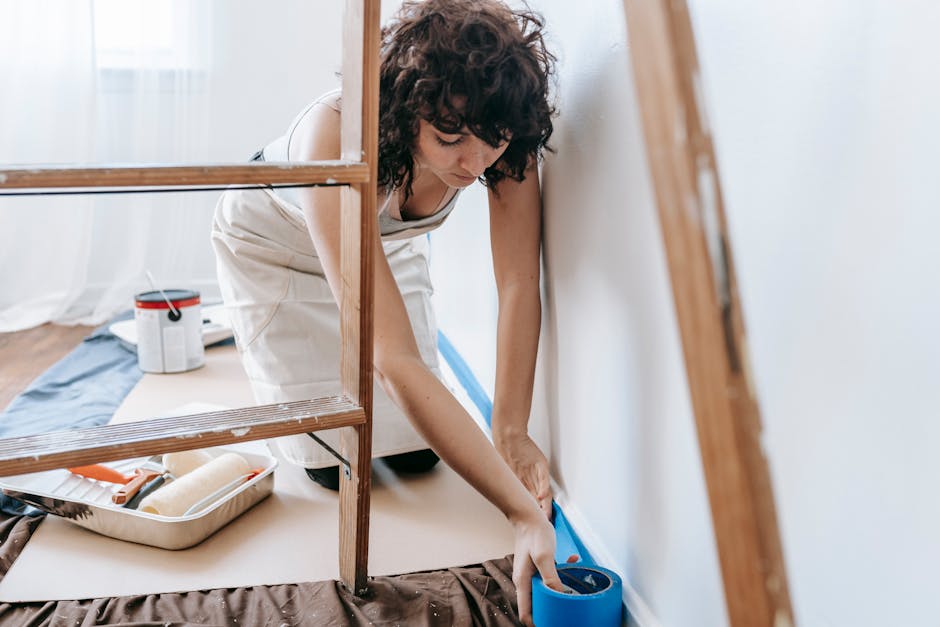
Are you thinking about painting your walls or furniture and wondering if a paint sprayer is the right tool for the job? You might be asking yourself if it’s worth the investment or if a simple brush or roller would do just fine.
Choosing the right method can save you time, effort, and money—but how do you know what’s best for your project? You’ll discover the real benefits and potential drawbacks of using paint sprayers. By the end, you’ll have a clear answer to whether a paint sprayer is worth it for you and your next painting project.
Keep reading to find out!
Benefits Of Paint Sprayers
Paint sprayers offer a modern way to apply paint quickly and smoothly. They help cover large areas with less effort.
Using a paint sprayer can make your painting tasks easier and more professional-looking. Below are some key benefits.
Speed And Efficiency
Paint sprayers cover surfaces much faster than brushes or rollers. They spray paint evenly in a wide area with each pass.
- Speeds up large painting jobs
- Reduces the number of coats needed
- Minimizes paint waste by controlling flow
Smooth And Even Finish
Paint sprayers apply paint in a fine mist that creates a smooth, even coat. This reduces visible brush marks and roller texture.
| Method | Finish Quality |
|---|---|
| Brush | May show strokes and uneven layers |
| Roller | Can leave texture and roller marks |
| Paint Sprayer | Creates smooth and uniform finish |
Versatility For Different Surfaces
Paint sprayers work well on many surfaces like walls, fences, furniture, and cars. They can handle flat, curved, or textured areas easily.
You can adjust the spray pattern and pressure to fit each surface type. This flexibility helps you get better results every time.
Reduced Physical Strain
Using a paint sprayer means less brushing and rolling. This reduces arm and hand fatigue during long projects.
- Less repetitive motion
- Lightweight sprayers reduce carrying strain
- Works well on hard-to-reach areas without stretching
:strip_icc()/bhg-paint-sprayers-test-graco-17g180-magnum-prox19-melissa-inman-29-1-bea1b4735ff0478eb6a6ee4f0ad6a5cc.jpeg)
Credit: www.bhg.com
Types Of Paint Sprayers
Paint sprayers are useful tools for painting large areas quickly. They come in different types, each suited for specific tasks.
Understanding these types can help you choose the right one for your project. Let’s explore the main categories of paint sprayers.
Airless Paint Sprayers
Airless paint sprayers use high pressure to spray paint. They are perfect for large projects like fences and walls.
- Fast and efficient for big areas
- Ideal for thick paints
- Requires careful setup and cleaning
Hvlp Paint Sprayers
HVLP stands for High Volume Low Pressure. These sprayers are great for detailed work and provide a smooth finish.
They use a large volume of air at low pressure, making them suitable for furniture and trim. HVLP sprayers reduce overspray and waste.
Compressed Air Paint Sprayers
Compressed air paint sprayers are traditional and widely used. They rely on an air compressor to atomize paint.
| Feature | Benefit |
| Versatile | Works with various materials |
| Easy to use | Simple operation |
| Consistent finish | Even coat application |
Electric Vs. Gas-powered Models
Electric paint sprayers are portable and easy to use. They are suitable for indoor projects and small areas.
Gas-powered models offer more power and are used for outdoor tasks. They can cover larger areas without needing electricity.
When To Choose A Paint Sprayer
Paint sprayers can make painting faster and easier. They are not the best choice for every project. Knowing when to use a sprayer helps you get good results.
This guide explains situations where paint sprayers work well. It covers big jobs, detailed work, frequent painting, and budget factors.
Large Surface Areas
Paint sprayers cover large areas quickly. Walls, fences, and decks are good examples. Using a sprayer saves time compared to brushes or rollers.
- Exterior walls of houses
- Wooden fences and gates
- Large ceilings and floors
- Decks and patios
Detailed Or Intricate Projects
Sprayers can reach small corners and details. They give a smooth finish on carved wood or metal. Sprayers work well on furniture and trim.
| Project Type | Benefit of Paint Sprayer |
| Carved wood furniture | Even coverage in small spaces |
| Metal railings | Fast and uniform paint layer |
| Window trim | Easy reach around edges |
Frequent Painting Jobs
If you paint often, a sprayer can save hours. It speeds up prep and cleanup. Professionals and serious DIYers find sprayers useful for many tasks.
- Less time spent on each project
- Consistent paint application
- Easy to handle different paint types
- Good for both indoor and outdoor jobs
Budget Considerations
Paint sprayers cost more than brushes but save time. Think about how often you paint before buying. Renting is an option for one-time jobs.
| Option | Cost | Best Use |
| Brush or Roller | Low | Small or infrequent jobs |
| Buy Paint Sprayer | High | Frequent or large jobs |
| Rent Paint Sprayer | Medium | One-time big projects |
Credit: www.domino.com
Challenges And Drawbacks
Paint sprayers can speed up painting jobs, but they come with some challenges. Understanding these issues helps you decide if a sprayer is right for you.
This section covers common problems like overspray, cleanup, learning, and costs related to paint sprayers.
Overspray And Mess
Paint sprayers can create a lot of overspray. This means paint goes beyond the target area. It can land on floors, furniture, or plants.
Overspray makes the painting area messy and may waste paint. You need to protect nearby surfaces carefully before starting.
Preparation And Cleanup Time
Using a paint sprayer means more prep work. You must cover everything around the painting space to avoid stains.
Cleaning the sprayer after use takes time. Paint can clog the nozzle if not cleaned well. This adds extra work after painting.
Learning Curve For Beginners
Paint sprayers are not easy for first-time users. It takes practice to control the spray and get even coverage.
Without skill, you might get drips, uneven coats, or wasted paint. Beginners need patience and time to learn how to use sprayers well.
Cost Of Equipment And Maintenance
Paint sprayers can be expensive to buy. Some models cost much more than brushes or rollers.
Maintenance costs add up. You must buy cleaning tools and replace worn parts. Keeping the sprayer in good shape is important.
- Initial cost of sprayer
- Cleaning supplies
- Replacement parts
- Possible repair fees
Tips For Using Paint Sprayers Effectively
Using a paint sprayer can save time and give a smooth finish. It works well for large surfaces and detailed projects.
To get the best results, follow some simple steps. These tips help you use your paint sprayer safely and efficiently.
Proper Surface Preparation
Clean the surface to remove dirt, dust, and grease. Sand rough areas to make the surface smooth. Cover areas you do not want to paint with tape and plastic sheets.
- Wash surfaces with mild soap and water
- Use sandpaper to smooth rough spots
- Remove loose or peeling paint
- Cover windows, trim, and floors
Correct Spraying Techniques
Hold the sprayer at the right distance from the surface. Keep the sprayer moving to avoid drips and uneven paint. Use smooth, even strokes and overlap each pass slightly.
- Hold sprayer 6 to 12 inches from surface
- Move sprayer steadily side to side
- Overlap each spray pass by 50%
- Avoid starting or stopping on the surface
Choosing The Right Paint
Pick paint made for sprayers and your project type. Thin paint flows better through the sprayer. Some paints may need to be thinned before use.
| Paint Type | Use | Notes |
| Latex | Walls and ceilings | May need thinning |
| Oil-based | Trim and furniture | Strong smell, clean with solvent |
| Enamel | Metal surfaces | Durable finish |
| Primers | All surfaces | Improves paint adhesion |
Maintenance And Cleaning
Clean your paint sprayer after each use to keep it working well. Remove all paint from the nozzle and parts. Follow the manufacturer’s instructions for cleaning.
- Flush sprayer with water or solvent
- Disassemble nozzle for thorough cleaning
- Check hoses for clogs
- Store sprayer in a dry place
Comparing Paint Sprayers To Brushes And Rollers
Choosing the right painting tool affects your project’s ease and outcome. Paint sprayers, brushes, and rollers all have pros and cons. Knowing these helps pick the best option.
This guide compares paint sprayers with brushes and rollers. It covers time, finish, cost, and project type to help you decide.
Time Investment
Paint sprayers cover large areas quickly. They need setup and cleaning but save time during painting. Brushes and rollers take longer to cover walls but have less cleanup time.
- Sprayers need careful masking to avoid overspray.
- Brushes are good for small or detailed work.
- Rollers work well on flat surfaces but take more passes.
Finish Quality
Sprayers create a smooth and even coat without brush marks. Brushes allow control in tight spaces but may leave strokes. Rollers give a textured finish that hides imperfections well.
| Tool | Finish Type | Best Use |
| Paint Sprayer | Smooth and even | Large flat surfaces |
| Brush | Controlled strokes | Edges, corners, trim |
| Roller | Textured | Walls, ceilings |
Cost Implications
Paint sprayers cost more upfront but reduce labor time. Brushes and rollers are cheaper but may need replacement after many uses. Sprayers may require buying extra equipment like hoses or compressors.
Cost comparison summary:
- Sprayers:High initial cost, low time cost
- Brushes:Low initial cost, moderate time cost
- Rollers:Low initial cost, higher time cost
Suitability For Different Projects
Sprayers suit big projects like fences, decks, or exterior walls. Brushes work best on trim and small spaces. Rollers are good for medium to large flat surfaces inside or out.
- Use sprayers for fast coverage on big jobs.
- Choose brushes for detailed or small areas.
- Rollers fit well for standard room walls.
- Consider surface type before picking a tool.
Best Paint Sprayers For Different Needs
Paint sprayers offer a fast and even way to cover surfaces. They suit many projects, from small home repairs to large professional jobs.
Choosing the right sprayer depends on your budget, work scale, and the type of paint or material you use. This guide covers options for various needs.
Budget-friendly Options
Affordable paint sprayers work well for DIY projects and occasional use. They are easy to handle and clean but may not last long with heavy use.
- HVLP (High Volume Low Pressure) sprayers are good for small areas and detail work.
- Airless sprayers in the budget range suit fences and walls but need practice to control.
- Look for models with adjustable spray patterns and easy assembly.
Professional-grade Models
These sprayers are built for frequent and large-scale painting. They offer better pressure control and durability for smooth, fast results.
| Model Type | Best Use | Features |
| Airless Sprayer | Large walls and exteriors | High pressure, fast coverage |
| HVLP Sprayer | Fine finishes, cabinets | Low overspray, precise control |
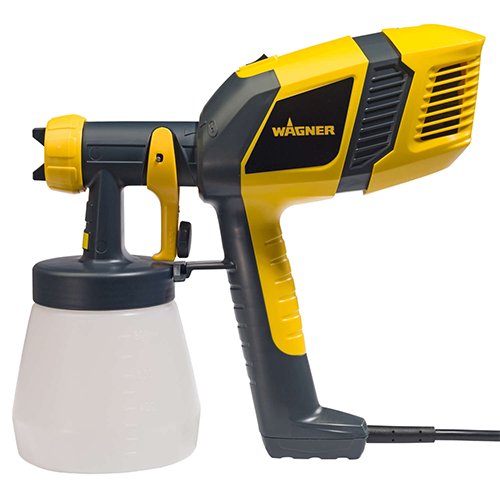
| Electrostatic Sprayer | Metal surfaces, automotive | Charged particles for even coating |
Compact And Portable Sprayers
Small sprayers are easy to carry and store. They work well for quick touch-ups and small furniture pieces.
- Battery-powered sprayers allow cordless use.
- Handheld models fit in tight spaces.
- Look for lightweight designs with easy cleaning parts.
Specialized Sprayers For Specific Materials
Certain sprayers suit unique materials like stains, lacquers, or textured paints. These tools help achieve the best finish for each type.
| Material | Recommended Sprayer | Reason |
| Wood Stains | HVLP Sprayer | Gentle spray for even absorption |
| Thick Latex Paints | Airless Sprayer | High pressure handles thick materials |
| Textured Coatings | Specialty Airless | Designed to spray heavy texture evenly |

Credit: www.amazon.ca
Frequently Asked Questions
Are Paint Sprayers Cost-effective For Home Projects?
Paint sprayers save time and reduce paint waste, making them cost-effective. They provide even coats and speed up painting large areas, lowering labor costs. However, initial investment and maintenance may be higher than brushes or rollers.
How Do Paint Sprayers Compare To Brushes And Rollers?
Paint sprayers cover surfaces faster and more evenly than brushes or rollers. They reach tight spots easily and reduce streaks. Brushes are better for detail work, while rollers suit textured walls. Sprayers are ideal for big projects needing smooth finishes.
What Surfaces Can Paint Sprayers Effectively Cover?
Paint sprayers work well on walls, fences, furniture, cabinets, and ceilings. They handle wood, metal, drywall, and concrete efficiently. Sprayers provide smooth coats on flat, textured, or intricate surfaces, making them versatile for various painting tasks.
Are Paint Sprayers Suitable For Beginners?
Yes, beginners can use paint sprayers with practice. They require some setup and technique to avoid overspray and drips. Starting with smaller projects and reading instructions helps users gain confidence and achieve professional-looking results.
Conclusion
Paint sprayers save time and give smooth finishes. They work best for big projects and even coats. Cleaning and practice take some effort but improve results. Not every job needs a sprayer; small tasks might suit brushes better. Consider your project size and budget before choosing.
Overall, paint sprayers offer good value for many users. They can make painting easier and faster. Decide based on your needs and preferences.