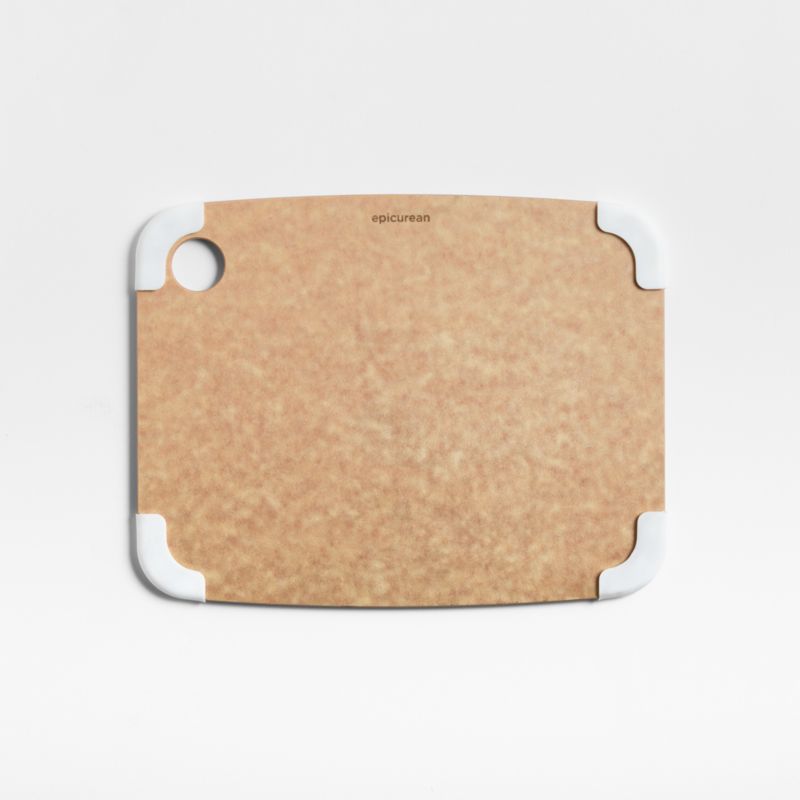
Are you wondering if paper composite cutting boards are safe to use in your kitchen? You’re not alone.
With so many options out there, choosing the right cutting board can feel overwhelming. You want something that’s durable, easy to clean, and won’t harm your food or health. You’ll discover the truth about paper composite cutting boards—what they’re made of, how they hold up, and whether they’re a smart choice for your cooking needs.
Keep reading to find out if this type of cutting board can earn a spot in your kitchen.

Credit: www.restaurantsupply.com
What Are Paper Composite Cutting Boards
Paper composite cutting boards are kitchen tools made from layers of paper. These layers are pressed together with resin to create a hard, durable surface.
They offer a mix of wood and plastic features. These boards are strong, easy to clean, and gentle on knives.
Materials And Construction
These cutting boards use recycled paper or kraft paper. The paper is soaked in resin, then heat and pressure form a solid board.
- Multiple layers of paper are stacked.
- Resin binds the layers together tightly.
- The board is cured under heat and pressure.
- The surface becomes hard and water-resistant.
This process creates a dense board that resists cuts and scratches. It also does not soak up water like wood boards.
Common Brands And Varieties
| Brand | Material Type | Size Options |
|---|---|---|
| Brand A | Paper composite with resin | Small, Medium, Large |
| Brand B | Recycled kraft paper layers | Medium, Large |
| Brand C | High-density paper composite | Small, Extra Large |
Varieties differ in thickness and color. Some have a smooth finish, while others have texture for better grip.

Credit: www.crateandbarrel.com
Safety Concerns To Consider
Paper composite cutting boards are a popular choice for many kitchens. They look sturdy but it is important to think about safety. Some risks can affect how safe these boards are.
This guide covers the main safety concerns: durability, bacteria, and chemicals. Learn what to watch for when using paper composite boards.
Durability And Wear
Paper composite boards can be strong but wear down with use. Deep cuts and scratches may appear. These can cause the board to break or lose shape. Worn boards need replacing to stay safe.
Bacterial Growth Risks
Scratches and cracks can trap food bits and moisture. This creates a good place for bacteria to grow. Proper cleaning is key to reduce this risk. Always wash boards well after use.
- Use hot, soapy water to clean
- Dry board completely before storing
- Replace board if deep cuts or cracks appear
- Do not use on raw meat then on vegetables without washing
Chemical Exposure
| Chemical Type | Possible Source | Safety Tip |
|---|---|---|
| Resins | Binding material in board | Check for food-safe labels |
| Cleaning agents | Strong detergents | Use mild soaps only |
| Surface treatments | Protective coatings | Avoid damaged coatings |
Some boards use chemicals to hold fibers together. Choose boards labeled safe for food. Avoid harsh cleaners that can damage the board or leave residues.
Expert Opinions On Safety
Paper composite cutting boards are made from compressed paper and resin. Many people wonder if they are safe to use in the kitchen. Experts have studied their safety and shared their views.
This article shares what food safety specialists say. It also compares paper composite boards to wood and plastic ones.
Food Safety Specialists’ Views
Food safety experts say paper composite boards are safe if cleaned well. They resist bacteria because the surface is hard and non-porous. This stops germs from hiding inside.
Specialists advise using warm water and soap to wash these boards. Avoid harsh scrubbing that can damage the surface. Some also recommend replacing them if deep cuts appear.
Comparisons With Wood And Plastic Boards
Wood boards are natural and can heal small cuts over time. But they can absorb liquids and bacteria. Plastic boards are easy to clean but get scratched fast. Scratches can hold bacteria.
Paper composite boards are harder than plastic and less porous than wood. This makes them a good middle ground. They resist stains and cuts better than plastic. They do not soak up liquids like wood.
- Wood boards: natural but can absorb germs
- Plastic boards: easy to clean but scratch easily
- Paper composite: durable, less porous, resists bacteria

Credit: www.amazon.com
Maintenance Tips For Longevity
Paper composite cutting boards last longer with proper care. Simple maintenance keeps them safe and clean for daily use.
Follow these tips to maintain your cutting board’s quality and extend its life span.
Cleaning Best Practices
Clean your paper composite board after each use to avoid bacteria buildup. Use mild soap and warm water for washing.
- Wash with a soft sponge, not abrasive pads
- Rinse thoroughly to remove soap residue
- Dry the board completely with a clean towel
- Do not soak the board in water for long periods
- Avoid using harsh chemicals or bleach
Proper Storage Methods
Store your cutting board in a dry place. Avoid stacking heavy items on top to prevent warping or damage.
| Storage Tip | Reason |
| Keep upright or flat | Prevents warping |
| Store away from heat sources | Maintains board shape |
| Air dry before storing | Stops mold growth |
| Use a drying rack if possible | Improves air circulation |
Environmental Impact
Paper composite cutting boards are made from compressed paper fibers and resin. These boards offer an alternative to wood and plastic boards.
Understanding their environmental impact helps you make better choices for your kitchen and the planet.
Sustainability Of Materials
Paper composite boards use recycled paper as their main ingredient. Using recycled paper reduces the need to cut down trees.
The resin that binds the paper is often made from non-toxic materials. This makes the boards safer for the environment.
- Recycled paper lowers forest damage
- Resin helps the board last longer
- Materials reduce waste in landfills
Recyclability And Disposal
Disposing of paper composite boards can be tricky. They are not always accepted in regular recycling programs.
Some boards can be broken down and recycled at special facilities. Others may need to be thrown in the trash if no recycling option is available.
- Check local recycling rules before disposal
- Look for programs that accept composite materials
- Consider donating boards if still usable
Choosing The Right Cutting Board
Picking a cutting board is important for safety and food quality. Different materials suit different kitchen tasks.
Paper composite cutting boards are one option. Let’s look at how to choose the right board for your needs.
Factors To Weigh
Think about durability, hygiene, and maintenance before buying a cutting board. Each factor affects safety and use.
- Durability:Paper composite boards resist cuts but may wear faster than wood or plastic.
- Hygiene:Non-porous surfaces stop bacteria growth better than porous ones.
- Maintenance:Some boards need oiling; others can be cleaned in a dishwasher.
- Knife Friendliness:Softer surfaces protect knives from dulling too fast.
- Cost:Price varies by material and brand, affecting long-term value.
Recommendations For Different Uses
| Use | Best Cutting Board Type | Reason |
| Raw Meat | Plastic or Paper Composite | Easy to sanitize and dishwasher safe |
| Vegetables | Wood or Paper Composite | Gentle on knives and hygienic with proper care |
| Bread & Cheese | Wood | Durable and does not absorb strong smells |
| General Use | Paper Composite | Balanced durability and hygiene for mixed tasks |
Paper composite boards work well for many kitchen jobs. Clean them well after use to keep safe.
Frequently Asked Questions
What Are Paper Composite Cutting Boards?
Paper composite cutting boards are made from layers of paper and resin. They are durable and eco-friendly. These boards are resistant to knife marks and can withstand high temperatures. They are popular for their smooth surface and minimal maintenance. They are also dishwasher safe, making them convenient for daily use.
Are Paper Composite Boards Safe For Food?
Yes, paper composite cutting boards are safe for food preparation. They are non-porous and resistant to bacteria. The materials used are food-grade and do not contain harmful chemicals. This ensures that they do not contaminate food. Regular cleaning further enhances their safety for kitchen use.
Can Paper Composite Boards Withstand Heat?
Yes, paper composite cutting boards can withstand high temperatures. They are designed to handle heat up to 350°F. This makes them suitable for placing hot pots and pans temporarily. However, it’s advisable not to use them as a trivet for prolonged periods.
This helps maintain their longevity and performance.
Are Paper Composite Boards Eco-friendly?
Yes, paper composite cutting boards are eco-friendly. They are made from sustainable materials like recycled paper and resin. The production process minimizes waste and environmental impact. Their durability reduces the need for frequent replacements. This makes them a sustainable choice for environmentally conscious consumers.
Conclusion
Paper composite cutting boards offer a safe option for everyday kitchen use. They resist stains and cuts better than many plastic boards. These boards dry quickly, reducing bacteria growth. Cleaning them is simple with mild soap and water. Still, avoid soaking them in water for long periods.
Regular maintenance helps keep them in good condition. Choose a board that fits your cooking style and budget. Safe, durable, and easy to care for—a practical choice for your kitchen needs.