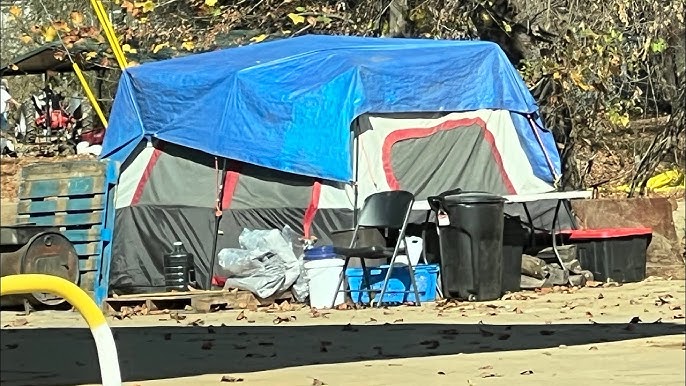
Have you ever wondered if people are actually living in tents in North Carolina? You might think that’s something from a distant past or a faraway place, but it’s a reality closer than you expect.
Understanding why some choose—or are forced—to live this way can open your eyes to challenges many face every day. You’ll discover the reasons behind tent living in NC, what life looks like for those in this situation, and what it means for communities like yours.
Keep reading to learn more—you might be surprised by what you find.
Credit: www.newsobserver.com
Homelessness In North Carolina
Many people in North Carolina face homelessness. Some live in tents because they have no other shelter. This issue affects cities and rural areas alike.
Understanding who is homeless and the numbers involved helps communities find ways to support them. This article shares current data and the groups affected.
Current Statistics
In 2023, over 10,000 people experienced homelessness in North Carolina. About 2,000 of these individuals were living in tents or outdoor places not meant for housing.
- Approximately 60% are single adults.
- About 25% are families with children.
- Roughly 15% are youth under 25 years old.
Demographics Affected
Homelessness impacts many groups in North Carolina. Different ages, races, and backgrounds face unique challenges.
| Group | Percentage | Notes |
|---|---|---|
| Adults (25-54 years) | 55% | Most common age group |
| Youth (18-24 years) | 15% | Often face barriers to housing and jobs |
| Families with Children | 20% | Many live in temporary shelters or tents |
| Veterans | 8% | Face challenges with health and reintegration |
| People of Color | 45% | Disproportionately affected by homelessness |

Credit: www.youtube.com
Reasons Behind Tent Living
Many people in North Carolina live in tents. This happens for many reasons. Some face money problems. Others cannot find homes. Some deal with mental health issues.
This article explains why some people live in tents. We look at economic challenges, housing shortages, and mental health factors.
Economic Challenges
Money problems are a main reason for tent living. Some people lose jobs or have low income. They cannot pay rent or buy a home.
High costs of living make it hard to save money. Without savings, people may end up homeless and living in tents.
Housing Shortages
North Carolina has fewer homes than needed. This shortage makes rent prices rise. Many cannot find affordable places to live.
Some neighborhoods have long waiting lists for housing help. This forces people to live in tents until they find a home.
- Low availability of affordable housing
- High rent prices in cities
- Long waits for housing assistance
Mental Health Factors
Mental health issues can cause or worsen homelessness. People with these challenges may avoid shelters or jobs.
Without proper care, they may struggle to find stable housing. Tents offer a temporary place to stay.
Locations Of Tent Communities
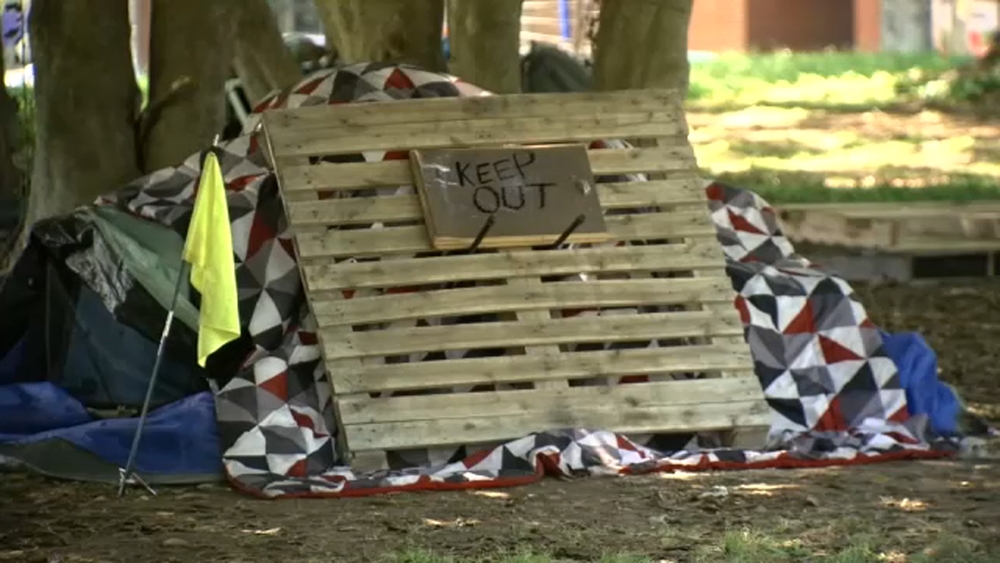
People living in tents in North Carolina often form small communities. These groups appear in different parts of the state. Their locations vary from city centers to quiet rural areas.
Understanding where these tent communities are helps to know their needs. It also shows how they live day to day.
Urban Areas
In cities like Charlotte and Raleigh, tent communities often appear near highways or under bridges. These spots offer some protection from weather. They are close to public services and places to get food.
Urban tent communities are usually smaller but more visible. Some form in parks or near abandoned buildings. People here face challenges like noise and limited space.
- Near highway overpasses
- Under city bridges
- Public parks and green spaces
- Close to shelters and food banks
Rural Settings
In rural North Carolina, tent communities are less common but do exist. They often form on unused land or near farm fields. These areas give more space but fewer services.
People living in rural tent communities may stay longer in one place. They face challenges like isolation and lack of clean water. These spots are harder for aid workers to reach.
- Abandoned farms or lots
- Near wooded areas or forests
- Close to small rural towns
- Along less-traveled country roads
Credit: abc11.com
Community Responses
People living in tents in North Carolina face many challenges. The community has started to respond in different ways.
These responses include help from local government and efforts by nonprofits and charities.
Local Government Initiatives
Local governments in North Carolina have created programs to help people living in tents. They offer shelter and basic services.
Some cities provide safe places for tents and access to clean water and toilets. They also work to connect people to housing.
- Temporary shelters with beds and meals
- Mobile units for health and hygiene services
- Outreach teams to find and assist people in tents
- Programs to help find permanent housing
Nonprofit And Charity Efforts
Nonprofits and charities play a big role in helping tent communities. They offer food, clothing, and support services.
These groups also organize volunteers to provide aid and work on long-term solutions like job training.
- Food drives and free meal programs
- Clothing and supply distribution
- Health care and counseling services
- Job training and housing assistance programs
Challenges Faced By Tent Dwellers
Many people living in tents in North Carolina face daily struggles. Their living conditions bring unique challenges that affect their safety and health.
This article looks at the main problems tent dwellers meet. We focus on safety concerns, health risks, and access to services.
Safety Concerns
Tent dwellers often live in unsafe places. They face threats from weather, crime, and unstable ground. Many camps lack lighting, which can increase dangers at night.
- Risk of theft or violence
- Exposure to storms and harsh weather
- Fire hazards from cooking or heating
- Unstable or uneven ground causing falls
Health Risks
Living in tents can cause many health problems. People may not have clean water or proper sanitation. This increases chances of illness and infection.
| Health Issue | Cause | Effect |
| Respiratory problems | Cold and damp tents | Breathing difficulties |
| Skin infections | Poor hygiene and exposure | Rashes and sores |
| Digestive illnesses | Unsafe drinking water | Stomach pain and diarrhea |
| Mental health stress | Unstable living conditions | Anxiety and depression |
Access To Services
Tent dwellers often find it hard to get help. Many lack transportation or ID needed for services. This limits their access to food, healthcare, and shelter support.
Common barriers to services include:
- No permanent address for mail or registration
- Limited knowledge about available programs
- Transportation difficulties to service centers
- Fear of stigma or legal issues
Potential Solutions
Many people in North Carolina live in tents due to housing shortages. Finding real solutions can help these individuals find safer places to live.
Efforts to reduce tent living focus on affordable housing, support services, and policy changes. Each area plays a key role in helping people.
Affordable Housing Programs
Affordable housing programs provide homes at low cost. These programs help people with low income find permanent places to live.
Local governments and nonprofits build or subsidize housing units. This makes rent or purchase prices lower for those in need.
- Rent assistance to lower monthly costs
- Building new affordable apartments
- Housing vouchers for private rentals
Supportive Services
Supportive services help people stay in housing and improve their lives. These include counseling, job training, and health care.
Services also assist with finding housing and managing money. Many people need help beyond just a home.
- Mental health and addiction counseling
- Job skill workshops and employment aid
- Access to medical and dental care
- Help with budgeting and rent payments
Policy Changes
Policy changes can make housing easier to access and keep. Laws and rules affect how housing programs work and who benefits.
Changes may include zoning laws, funding priorities, and tenant protections. These help prevent homelessness and support housing stability.
- Relax zoning for affordable housing projects
- Increase funds for housing assistance programs
- Strengthen tenant rights to prevent eviction
- Encourage partnerships between public and private groups
Frequently Asked Questions
Are People Living In Tents In North Carolina?
Yes, some individuals in North Carolina live in tents due to homelessness or housing instability. This situation is more common in urban areas facing affordable housing shortages.
Why Are People Living In Tents In Nc?
People live in tents in NC mainly due to lack of affordable housing. Economic hardships, job loss, and mental health issues also contribute to this issue.
How Does Nc Support Tent-dwelling Homeless Individuals?
North Carolina provides shelters, outreach programs, and housing assistance. Nonprofits and local governments collaborate to offer resources and improve living conditions for tent residents.
What Areas In Nc Have More Tent Dwellers?
Urban centers like Charlotte, Raleigh, and Asheville report higher numbers of tent dwellers. These cities face rising housing costs and increased homelessness rates.
Conclusion
Many people in North Carolina live in tents due to housing shortages. This situation shows a real need for more affordable homes. Communities and leaders must work to find solutions. Support services can help those facing this challenge. Understanding and action can improve lives and neighborhoods.
Everyone deserves a safe place to live and grow. The problem is clear, and so is the path forward.