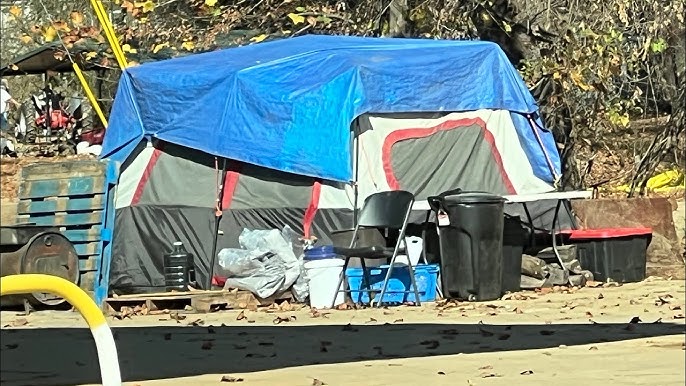
Have you ever wondered if people really live in tents in North Carolina? It might sound surprising, but this is a real situation affecting many individuals right now.
You might ask why this is happening and what it means for communities across the state. You’ll discover the reasons behind tent living, the challenges people face, and how it impacts your neighborhood. Keep reading to understand this issue better and see what’s being done to help those in need.
Credit: www.newsobserver.com
Tent Living In North Carolina
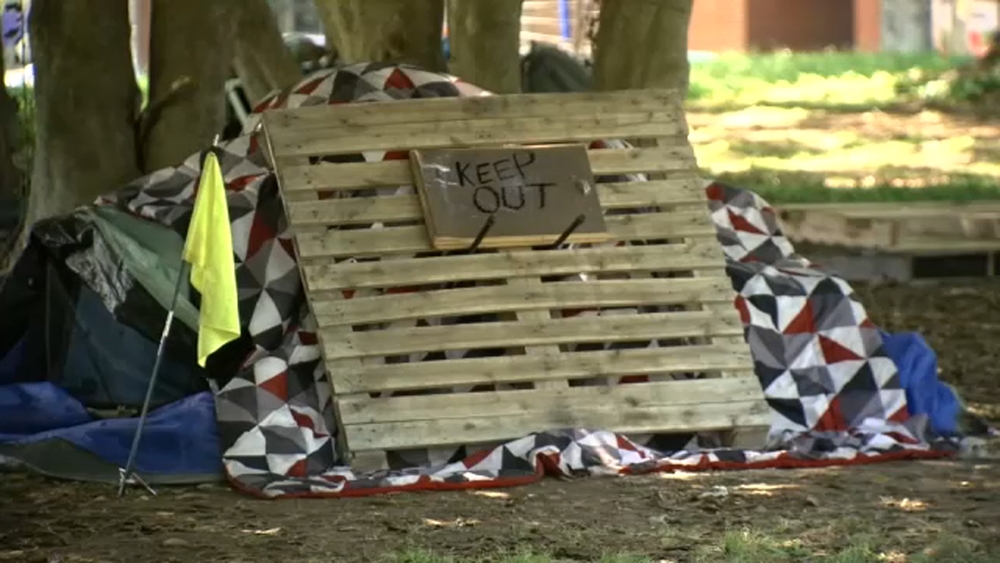
Tent living is becoming more common in North Carolina. Many people live in tents due to housing problems.
This way of living shows the challenges some face with affordable housing and homelessness.
Current Trends
In recent years, tent living has increased in cities like Charlotte and Raleigh. This rise relates to higher rent and fewer shelters.
Local groups try to help by offering food, clothes, and medical care near tent communities.
- More tents appear near urban parks and under bridges
- Community outreach programs support tent dwellers
- Weather remains a big challenge for people living in tents
Demographics Of Tent Dwellers
People living in tents in North Carolina come from different backgrounds. Many are adults facing job loss or eviction.
Some tent dwellers are veterans or young adults who cannot find stable housing.
| Group | Approximate Percentage |
|---|---|
| Adults with jobs but low income | 40% |
| Veterans | 20% |
| Younger adults (18-30 years) | 25% |
| Families with children | 15% |
Credit: abc11.com
Reasons Behind Tent Living
In North Carolina, some people live in tents. This happens due to different reasons. Understanding these can help address the issue.
Tent living is not just a choice but often a necessity. Let’s explore why this occurs in North Carolina.
Economic Factors
Economic factors play a big role in tent living. Many cannot afford rent or mortgages. Low income makes housing difficult to access.
- Rising rent prices
- Low wages in certain jobs
- Limited access to financial aid
Housing Shortages
Housing shortages contribute to this issue. There are not enough homes for everyone. People end up living in tents as a result.
| Year | Available Housing Units |
| 2020 | 500,000 |
| 2021 | 480,000 |
| 2022 | 470,000 |
Mental Health And Addiction
Mental health and addiction also lead to tent living. Some people struggle with these issues and can’t maintain stable housing.
Locations With Notable Tent Communities
People living in tents in North Carolina can be found in various locations. These areas often have unique reasons for tent communities forming there.
This article highlights some key urban and rural places where tent living is noticeable. Understanding these locations helps in seeing the bigger picture of housing challenges.
Urban Areas
In cities, tent communities often appear near downtowns and public parks. These spots provide access to services and public transportation.
- Charlotte: Tent groups are seen near Uptown and along some greenways.
- Raleigh: Areas close to bus stations and shelters have tents.
- Durham: Tent clusters appear in parts of downtown and near the river.
Rural Settings
Rural tent communities tend to form near farms or forest edges. These places often lack permanent housing options and support.
| Location | Reason for Tent Living | Notes |
| Fayetteville outskirts | Seasonal farm work | Workers live in tents during harvest |
| Appalachian foothills | Homelessness and lack of shelters | Remote and hard to reach for aid |
| Coastal rural counties | Displaced by storms | Temporary shelter after natural events |
Challenges Faced By Tent Residents
People living in tents in North Carolina face many hard problems every day. Life in a tent is not safe or easy. These residents struggle with basic needs and rights.
This article looks at three big challenges: safety concerns, access to services, and legal issues.
Safety Concerns
Tent residents face many dangers. Weather can be very bad. Rain, cold, or heat can cause health problems.
Crime is also a risk. People in tents have less protection from theft or violence. They may feel unsafe at night.
- No strong shelter to protect from storms
- High risk of theft and violence
- Health risks from bad weather
- Lack of safe places to sleep
Access To Services
Many people living in tents cannot easily get help. They may not find health care or food support. This makes life harder and less healthy.
Getting clean water, bathrooms, and showers is also hard. Without these, daily life is very difficult for tent residents.
- Limited access to medical care
- Difficulty finding food and water
- Few places to use bathrooms or showers
- Hard to get social support and services
Legal Issues
People living in tents often face legal problems. Some places do not allow camping on public or private land. This can lead to fines or being forced to move.
Without a permanent address, it is harder to get jobs or government help. This creates a cycle that is difficult to break.
- Laws against camping in many areas
- Risk of fines and eviction
- No permanent address for jobs or aid
- Challenges in proving identity or residency
Community And Government Response
Many people in North Carolina live in tents due to housing shortages. The community and government have taken steps to help them. These efforts focus on providing support, making policies, and working with nonprofits.
Understanding these responses shows how the state and its people try to improve conditions for those living in tents.
Support Programs
Local governments offer programs to help people find housing and basic needs. These programs provide shelter, food, and medical care. They also help with job training and counseling.
- Emergency shelters for temporary housing
- Food distribution centers
- Health clinics for free medical care
- Job training workshops
- Counseling and mental health support
Policy Initiatives
The state and cities have started new policies to address tent living. They focus on affordable housing and safe camping areas. These policies also improve access to social services.
| Policy | Description |
| Affordable Housing Fund | Money set aside to build low-cost homes |
| Safe Camping Zones | Designated places where tents are allowed safely |
| Social Service Access | Programs to connect people with health and job help |
Nonprofit Involvement
Nonprofit groups play a big role in helping people in tents. They offer food, clothing, and shelter. They also help with legal advice and finding jobs.
Here are key roles nonprofits fill:
- Run homeless shelters and soup kitchens
- Distribute clothing and hygiene kits
- Provide legal support for housing issues
- Help find employment opportunities
- Advocate for better housing laws
Credit: www.charlotteobserver.com
Future Outlook
Many people in North Carolina live in tents due to housing shortages and poverty. This situation raises concerns for the future. Understanding possible solutions and impacts is important.
This section looks at ways to help and the long-term effects these changes might bring.
Potential Solutions
Communities and leaders try different approaches to reduce tent living. These include better housing, support services, and policy changes.
- Build affordable housing units
- Increase funding for homeless shelters
- Provide job training and healthcare access
- Create programs to prevent homelessness
- Improve emergency response for tents in unsafe areas
Long-term Impact
Addressing tent living can improve health, safety, and stability for many people. It can also reduce costs for hospitals and law enforcement.
| Impact Area | Expected Change |
| Health | Better access to medical care |
| Safety | Fewer accidents and crimes |
| Community | Stronger social support |
| Economy | Lower public service costs |
Frequently Asked Questions
Are People Living In Tents In North Carolina?
Yes, some people in North Carolina live in tents due to homelessness and housing shortages. This situation is more common in urban areas with rising living costs.
Why Are People Living In Tents In North Carolina?
Many face economic hardships, lack of affordable housing, and limited shelter options. These factors force some to live in tents as a temporary solution.
How Is North Carolina Addressing Tent Homelessness?
Local governments and nonprofits provide shelters, housing programs, and support services. Efforts focus on long-term housing stability and reducing tent living.
Where Are Tent Communities Mostly Found In North Carolina?
Tent communities are often located near city centers or under bridges. Areas with visible homelessness include Raleigh, Charlotte, and Durham.
Conclusion
Many people in North Carolina live in tents due to housing issues. This shows a real struggle with affordable homes. Communities and leaders work to find solutions. Shelters and programs try to help those in need. Understanding this problem helps us support better changes.
Everyone deserves a safe place to live. The situation calls for more care and action. Awareness can lead to hope and improvement. Let’s stay informed and compassionate about this challenge.