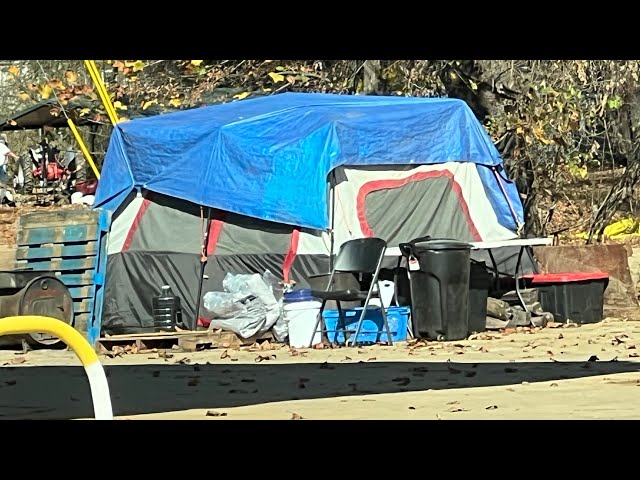
Have you ever wondered if people are still living in tents in North Carolina? It might surprise you to learn that tent living is more common than you think.
Whether it’s due to rising housing costs, emergencies, or personal choice, tents have become a part of life for some here. You’ll discover the real reasons behind this trend and what it means for communities across the state. Keep reading to uncover the facts that could change how you see homelessness and housing challenges in NC.

Credit: www.newsobserver.com
Current Homelessness Trends In Nc
Many people still live in tents in North Carolina. This shows how big homelessness is in the state. Many face tough times without stable homes.
The state works to help those in need. But tent living remains a visible issue in cities and rural areas. Understanding the facts helps us see the full picture.
Statistics On Tent Living
Thousands of people in North Carolina live outdoors in tents. In 2023, about 4,500 people were counted as homeless on any given night.
Out of these, nearly 30% live in tents or makeshift shelters. The numbers vary by region, with larger cities seeing more tent living.
- 4,500 total homeless people in NC (2023 data)
- About 1,350 live in tents or similar shelters
- Urban areas have higher rates of tent living
- Rural areas also show increasing tent camps
Demographics Of Affected Populations
People living in tents come from different backgrounds. Many are adults, but families and youth also face this struggle.
Men make up the largest group, but women and children are also affected. Veterans and people with disabilities have higher risks of living in tents.
- Majority are adult men
- Families with children live in tents too
- Youth homelessness is a growing concern
- Veterans are more likely to live outdoors
- Disabilities increase risk of homelessness
Credit: www.newsobserver.com
Reasons Behind Tent Living
Many people in North Carolina still live in tents. This happens for many reasons. Understanding these reasons helps us see the problem clearly.
Tent living is often a sign of deeper issues. These include housing, health, and money problems.
Affordable Housing Crisis
Housing prices in North Carolina have gone up a lot. Many cannot afford rent or a home. This pushes some people to live in tents.
There are not enough low-cost homes. Waiting lists for shelters are long. This leaves tents as the only option for many.
- Rising rent prices
- Limited affordable housing
- Long shelter wait times
Mental Health And Substance Issues
Mental health problems can make it hard to keep a home. Substance use can also lead to losing housing. Some people end up living in tents because of these struggles.
Many do not get the help they need. Without support, they stay homeless and live in tents outdoors.
- Mental illness affects daily living
- Substance use can cause homelessness
- Lack of mental health support
Economic Challenges
Job loss and low wages are common reasons for homelessness. People with no steady income may not pay for housing. This leads to tent living for many.
Costs for food, bills, and health care add pressure. Without enough money, tents become a shelter of last resort.
- Job loss or unstable work
- Low income and high expenses
- Difficulty paying bills
Living Conditions In Tent Communities
Many people in North Carolina still live in tent communities. These places show the struggles of people without homes. Life in tents is not easy or safe. It brings many challenges each day.
Tent communities often form near cities or parks. People stay there because they have no other place to go. These communities have poor living conditions. It is hard to find comfort or safety in a tent.
Daily Life And Safety Concerns
Daily life in tent communities is difficult. People must face weather changes like rain or cold. Tents offer little protection from these elements. Many tents are crowded and lack privacy.
Safety is a big worry for those living in tents. Crime, theft, and violence happen often. Lighting is poor, and there are no security systems. People feel unsafe, especially at night.
- Unstable shelter against weather
- Risk of theft or violence
- Little privacy or personal space
- Poor lighting and no security
Access To Basic Necessities
Getting basic needs is a daily challenge in tent communities. Access to clean water is often limited. Bathrooms and showers are usually far or unsafe to use.
Food is hard to find and store. Many people rely on local shelters or donations. Medical care is also difficult to reach. This lack of services worsens health problems.
- Limited clean water sources
- Few or no bathroom facilities
- Food scarcity and poor storage
- Restricted access to healthcare

Credit: www.youtube.com
Community And Government Responses
Many people in North Carolina still live in tents due to housing shortages and poverty. Communities and governments work together to help them find better shelter.
These efforts include local shelters, policy changes, and nonprofit support. Each plays an important role in improving lives.
Local Shelter Initiatives
Local shelters in North Carolina offer safe places for people living in tents. They provide beds, meals, and basic hygiene services.
Some shelters run special programs to help people find permanent homes. They work with social workers to give personalized help.
- Emergency shelter beds
- Meal programs
- Case management services
- Temporary housing placements
Policy Measures And Support Programs
Government leaders in North Carolina have introduced policies to reduce tent living. They focus on affordable housing and rent assistance.
Programs help people pay rent or find new homes. Some laws protect renters and improve access to health care and jobs.
- Rent subsidies and vouchers
- Affordable housing development
- Legal protection for renters
- Job training and health programs
Nonprofit Organizations’ Role
Many nonprofits in North Carolina support people living in tents. They provide food, clothing, and help with housing applications.
These groups also raise awareness and work with local officials. Their goal is to create long-term solutions for homelessness.
- Food and clothing distribution
- Housing search assistance
- Advocacy and awareness campaigns
- Support groups and counseling
Long-term Solutions And Challenges
Many people in North Carolina still live in tents due to housing shortages and other issues. Finding lasting solutions is important to help these individuals move to stable homes.
This article covers key areas that can improve the situation. These include affordable housing, mental health services, and job training opportunities.
Affordable Housing Development
Building affordable homes is a main way to help people move out of tents. Many families cannot pay high rents or buy homes. New housing projects aim to lower costs.
- Increase funding for low-income housing
- Use vacant land for new homes
- Partner with nonprofits to build shelters
- Offer rent subsidies to families in need
Mental Health Services Expansion
Mental health issues affect many who live in tents. Expanding services helps with recovery and stability. Access to counseling and support is critical.
| Service | Benefit |
| Counseling | Improves emotional well-being |
| Substance Abuse Programs | Helps overcome addiction |
| Case Management | Connects people to resources |
| Emergency Support | Provides crisis help |
Employment And Training Opportunities
Jobs and skills training provide a path out of homelessness. Programs focus on teaching skills and finding work. This helps people become independent.
- Job readiness workshops
- Apprenticeships in trade skills
- Resume and interview coaching
- Partnering with local businesses for hiring
Personal Stories From Tent Residents
Living in tents is still a reality for many people in North Carolina. These residents face daily struggles but also show strong will to keep going.
This article shares real voices from the community. They tell stories of hardship and hope.
Voices From The Community
Many tent residents want to share their experiences. They talk about why they live in tents and what life is like.
- “I lost my job and had nowhere else to go,” says Mark, who has lived in his tent for six months.
- Sarah explains, “I stay in the tent park because rent is too high.”
- James finds strength in small daily routines to keep his hope alive.
- Maria relies on nearby shelters and community kitchens to get by.
Overcoming Adversity
Despite many hardships, tent residents show strong courage. They find ways to improve their situations and support each other.
| Name | Challenge | How They Cope |
| Mark | Job loss | Looking for work daily |
| Sarah | High rent | Sharing tent with friends |
| James | Health issues | Visiting free clinics |
| Maria | Food scarcity | Using community meals |
Frequently Asked Questions
Are People Still Living In Tents In Nc Today?
Yes, some individuals in North Carolina still live in tents. This is often due to homelessness and lack of affordable housing. Local organizations and government agencies are working to provide support and shelter options for these residents.
Why Are People Living In Tents In North Carolina?
People live in tents mainly because of homelessness, poverty, and housing shortages. High rent and unemployment also contribute. Many face challenges accessing permanent housing or shelters, leading to temporary tent living.
What Support Is Available For Tent Dwellers In Nc?
North Carolina offers shelters, food programs, and outreach services. Nonprofits and government agencies collaborate to provide housing assistance and healthcare. However, resources can be limited, and ongoing efforts aim to improve support systems.
How Does Tent Living Impact Health In North Carolina?
Living in tents exposes people to harsh weather and poor sanitation. This increases risks of illness, mental health issues, and injury. Access to healthcare is often limited, making health outcomes worse for tent dwellers.
Conclusion
People in North Carolina still live in tents. Various reasons exist. Some face economic challenges. Others choose a simpler lifestyle. Communities and officials work on solutions. They aim to provide better housing. Resources and support are increasing. Awareness is growing.
People understand the issues more. Efforts to assist are ongoing. Support systems are crucial. Everyone deserves a safe place. A home to feel secure. Progress is happening step by step. Every action counts. Let’s support those in need. Together, we can make a difference.
A brighter future is possible.