Are you wondering if Planters Peanuts are safe for your gluten-free diet? Whether you have celiac disease or just want to avoid gluten, knowing what’s in your snacks is crucial.
You might love the taste and crunch of Planters Peanuts, but can you enjoy them without worry? This article will clear up the confusion and help you make smart choices for your health. Keep reading to find out the truth about Planters Peanuts and gluten.

Credit: www.gianteagle.com
Planters Peanuts Ingredients
Planters peanuts are a popular snack made from roasted peanuts. Many people want to know if they are gluten free. This depends on the ingredients used.
We will look at the main ingredients in Planters peanuts. This helps to understand if they contain gluten or not.
Peanuts
Peanuts are the main ingredient in Planters peanuts. They are naturally gluten free. Peanuts do not contain wheat, barley, or rye.
Planters uses dry roasted or salted peanuts. These peanuts are safe for gluten free diets if no other gluten ingredients are added.
Salt
Salt is often added for flavor. It does not contain gluten. Salt is safe for people who avoid gluten.
Planters uses regular salt or sea salt depending on the product. Neither type has gluten.
Oil
Planters peanuts may be roasted in oil. Common oils include peanut oil or vegetable oil. These oils do not contain gluten.
Oils used in Planters peanuts are gluten free. They do not add gluten to the product.
Seasonings And Flavors
Some Planters peanuts have added flavors or seasonings. These can include cheese, barbecue, or spicy coatings.
Ingredients in seasonings may contain gluten. It is important to check the label on flavored peanuts for gluten ingredients.
- Wheat flour or malt may be in some flavors
- Pure spices are usually gluten free
- Read the product label for gluten warnings
Cross-contamination Risks
Planters processes many products in shared facilities. This can lead to cross-contamination with gluten.
People with celiac disease or severe gluten intolerance should check packaging. Look for gluten free certification or warnings.

Credit: www.gianteagle.com
Gluten Sources In Snacks
Many snacks contain gluten, which comes from wheat, barley, and rye. People with gluten intolerance must check ingredients carefully.
Gluten can be hidden in sauces, flavorings, and fillers used in snacks. Reading labels helps avoid gluten exposure.
Planters peanuts themselves do not contain gluten. Peanuts are naturally gluten free and safe for most people.
Some Planters products may have added seasonings or flavorings. These can contain gluten, so check the packaging carefully.
Common Gluten Sources In Snack Ingredients
Gluten often hides in snacks through these ingredients:
- Wheat flour
- Barley malt
- Rye derivatives
- Soy sauce (contains wheat)
- Modified food starch (if from wheat)
Cross-contamination Risks In Snack Production
Snacks made in factories with gluten can have cross-contamination. Even gluten-free ingredients can get mixed.
Manufacturers sometimes label products as gluten free if they meet strict rules. Always look for gluten-free certification.
Tips For Choosing Gluten-free Snacks
- Read ingredient labels carefully
- Look for gluten-free certifications
- Avoid snacks with wheat, barley, or rye
- Choose plain nuts and seeds without flavorings
- Contact manufacturers if unsure about gluten content
Are Planters Peanuts Gluten Free?
People with gluten sensitivities need to be careful about their food choices. Many wonder if Planters Peanuts are safe for them.
Understanding the ingredients and manufacturing process is key to knowing if Planters Peanuts are gluten free.
Natural Peanut Ingredients
Planters Peanuts are made primarily from peanuts. Peanuts are naturally gluten free, making them a safe snack.
Other ingredients like salt and oil are also gluten free. These do not pose a gluten risk.
Potential Cross Contamination
Cross contamination can occur during food processing. It happens when gluten products are made in the same facility.
Companies take steps to avoid this, but it’s important to check for any warnings on the packaging.
Labeling And Certifications
Planters Peanuts labels may indicate if the product is gluten free. Look for certifications that confirm this.
Reading labels helps consumers make informed choices. It is the best way to ensure safety for those with gluten concerns.
- Check for a gluten free label
- Look for any allergen warnings
- Contact the company for detailed information
Risks For Gluten Sensitive Individuals
Planters peanuts are a popular snack for many people. Those sensitive to gluten often wonder if these peanuts are safe to eat. Understanding the risks is important to avoid health problems.
This article looks at how Planters peanuts may affect people with gluten issues. It explains key points about celiac disease and gluten sensitivity symptoms.
Celiac Disease Considerations
Celiac disease is a serious condition. It causes damage to the small intestine when gluten is eaten. Even small gluten amounts can harm people with this disease.
- Planters peanuts themselves do not contain gluten.
- Cross-contact with gluten can happen during processing.
- Labels may show if the product was made in a gluten-free facility.
- People with celiac disease should check packaging carefully.
- Consult a doctor if unsure about eating Planters peanuts.
Gluten Sensitivity Symptoms
Gluten sensitivity causes symptoms without intestinal damage. People may feel sick after eating gluten. Symptoms vary in type and severity.
| Common Symptoms | Description |
|---|---|
| Stomach pain | Cramping or discomfort after eating gluten |
| Fatigue | Feeling tired without clear reason |
| Headache | Pain in the head or neck area |
| Bloating | Swelling in the belly |
| Diarrhea | Frequent loose or watery stools |
Safe Alternatives To Planters Peanuts
Planters peanuts are popular snacks, but some people need gluten-free options. While Planters peanuts are gluten free, cross-contamination can happen during processing.
Finding safe alternatives helps those with gluten sensitivity or celiac disease enjoy snacks without worry.
Raw Or Dry-roasted Peanuts
Raw or dry-roasted peanuts without added flavorings are usually gluten free. They have no gluten-containing ingredients.
Always check packaging for allergen warnings to avoid cross-contact with gluten.
Almonds
Almonds are a good gluten-free nut snack. They come in many forms like raw, roasted, or salted.
Look for almonds labeled gluten free for added safety against cross-contamination.
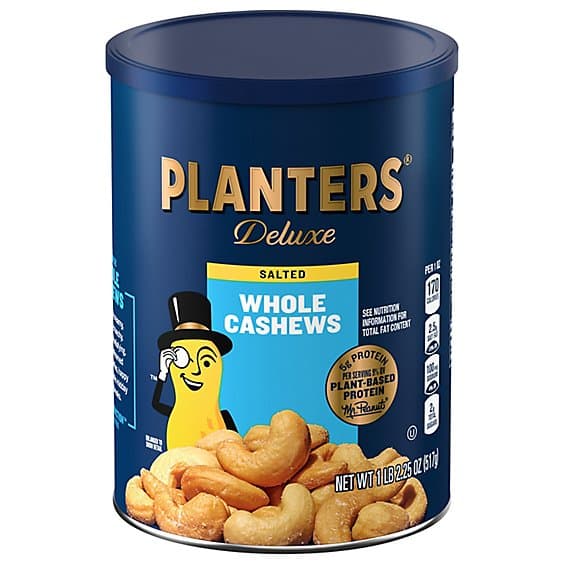
Cashews
Cashews are naturally gluten free and tasty. They make a good replacement for peanuts in snacks.
Choose simple cashews without sauces or coatings to avoid gluten.
Sunflower Seeds
Sunflower seeds are a great gluten-free snack. They provide crunch without peanuts.
Buy plain or lightly salted seeds to keep them gluten free.
Pumpkin Seeds
Pumpkin seeds are safe for gluten-free diets. They have good nutrition and flavor.
Check labels for added flavors or ingredients that might contain gluten.
Tips For Buying Gluten Free Snacks
Many people need to avoid gluten for health reasons. Buying gluten free snacks can be tricky.
It is important to read labels and know what to look for. This helps you stay safe and enjoy your snacks.
Check The Ingredients List Carefully
Always read the ingredients list on the package. Some snacks may have hidden gluten sources.
Look for wheat, barley, rye, and malt. These are common gluten ingredients.
Look For Certified Gluten Free Labels
Certified gluten free labels show the product meets strict standards. These labels help you trust the snack.
Not all gluten free products have certification. Check other signs of safety too.
Avoid Cross-contamination Risks
Cross-contamination happens when gluten touches gluten free foods. Factories may use the same machines.
Check if the package says “may contain traces of wheat” or similar warnings. Avoid these if you have strong sensitivity.
Choose Simple Snacks With Few Ingredients
Simple snacks are easier to check for gluten. Peanuts, seeds, and plain fruits are good choices.
Snacks with many ingredients may have hidden gluten or additives. Keep your choices simple for safety.
Understand That Planters Peanuts Are Gluten Free
Planters Peanuts are made from peanuts and simple ingredients. They do not contain wheat or gluten grains.
Always check the label for any changes. Some flavored versions may have gluten ingredients.

Credit: www.safeway.ca
Frequently Asked Questions
Are Planters Peanuts Naturally Gluten Free?
Yes, Planters Peanuts are naturally gluten free as peanuts themselves contain no gluten. They are safe for most gluten-sensitive individuals.
Does Planters Label Mention Gluten Presence?
Planters clearly labels their products. Most plain peanuts show no gluten warning, indicating no gluten contamination or ingredients.
Can Cross-contamination With Gluten Occur In Planters?
Cross-contamination risk is low but possible. Planters follows good manufacturing practices to minimize gluten contamination risks.
Are Flavored Planters Peanuts Gluten Free?
Flavored Planters Peanuts may contain gluten ingredients or additives. Always check the label for gluten information before consumption.
Conclusion
Planters Peanuts are naturally gluten free. They contain no wheat, barley, or rye ingredients. Always check the label for added flavors or seasonings. Cross-contamination is rare but possible in some products. People with celiac disease should be cautious. Overall, Planters Peanuts can be a safe snack choice.
Enjoy them without worry if you avoid gluten. Simple and tasty, they fit many diets. Always read packaging to stay informed and safe.