Have you ever noticed a small, rough bump on the bottom of your foot and wondered if it could spread to others? Plantar warts can be frustrating and sometimes painful, but the biggest question on your mind might be: Are plantar warts contagious?
Understanding how these warts spread and what you can do to protect yourself and others is key to stopping them in their tracks. Keep reading to discover the truth about plantar warts, how they spread, and the simple steps you can take to keep your feet—and those around you—safe.
What Are Plantar Warts?
Plantar warts are small growths that appear on the soles of the feet. They are caused by a virus that infects the skin.
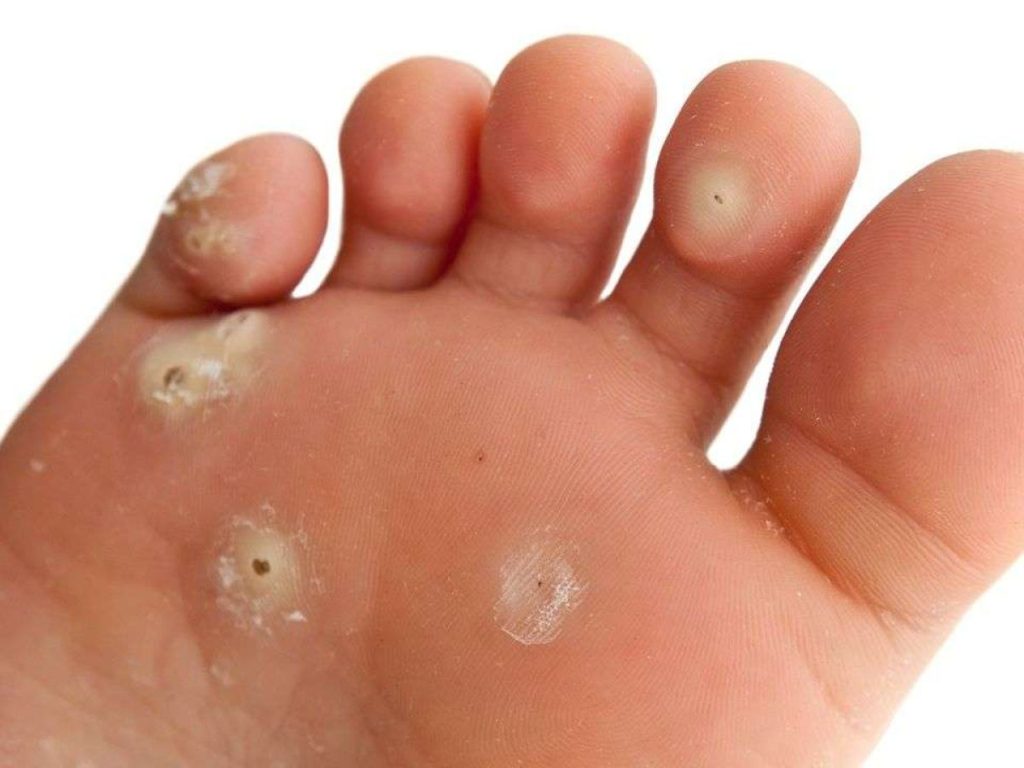
These warts can be painful and may make walking uncomfortable. They often look like rough, thickened skin with tiny black dots.
Causes Of Plantar Warts
Plantar warts happen because of a virus called human papillomavirus (HPV). This virus enters the skin through small cuts or breaks.
People often catch the virus in warm, moist places like swimming pools or locker rooms. The virus spreads by direct contact with the infected surface.
- Walking barefoot in public places
- Touching warts on yourself or others
- Having cuts or cracked skin on feet
- Sharing shoes or socks
Symptoms To Watch For
Plantar warts can have different signs depending on how deep they grow. They usually appear as hard, grainy bumps on the foot.
Some common symptoms include pain or tenderness when standing or walking. The warts may also cause a feeling like stepping on a small stone.
- Small, rough, grainy growths on the soles
- Black pinpoints inside the wart
- Thickened skin over the wart
- Discomfort or pain while walking

Credit: swfacenter.com
How Plantar Warts Spread
Plantar warts are skin growths caused by the human papillomavirus (HPV). They usually appear on the soles of the feet. Understanding how these warts spread helps prevent infection.
The virus thrives in warm, moist places. It enters the skin through small cuts or breaks. This makes it easy to catch plantar warts from certain environments.
Transmission Methods
Plantar warts spread mainly by direct contact with the virus. The virus lives on surfaces and skin. People can catch it in many ways.
- Walking barefoot on contaminated floors
- Touching warts on another person
- Sharing shoes or socks with someone infected
- Using public showers or locker rooms without protection
Risk Factors For Contagion
Certain conditions increase the chance of getting plantar warts. These risks make the virus easier to spread and infect skin.
| Risk Factor | Description |
| Weakened Immune System | Body cannot fight the virus well |
| Skin Injuries | Cracks or cuts allow virus entry |
| Frequent Exposure | Using public pools or gyms often |
| Walking Barefoot | Direct contact with virus on floors |
| Sharing Personal Items | Shoes, socks, or towels from infected people |
Contagiousness Of Plantar Warts
Plantar warts are small growths that appear on the soles of the feet. They are caused by a virus called human papillomavirus (HPV).
People often wonder if plantar warts can spread from one person to another. Understanding their contagiousness helps prevent spreading.
Can You Catch Them From Others?
Yes, plantar warts can spread from person to person. The virus spreads through direct contact with the wart or by touching surfaces with the virus.
Walking barefoot in public places like pools or locker rooms increases the risk of catching plantar warts.
- Touching someone else’s wart
- Using shared towels or shoes
- Walking barefoot on contaminated floors
Infectious Period
The virus that causes plantar warts can stay on the skin for weeks or months. Warts can be contagious as long as they are present.
Even if warts are not visible, the virus may still spread. Treating the wart reduces the chance of infecting others.
- Warts remain contagious until fully healed
- Virus can live on surfaces for a short time
- Good hygiene helps lower infection risks

Credit: www.apexhospitals.com
Prevention Tips
Plantar warts spread through skin contact with the virus. It is important to take steps to stop them.
Good habits and avoiding risky places help keep your feet safe from infection.
Personal Hygiene Practices
Keeping your feet clean and dry lowers the chance of getting plantar warts. Wash your feet daily with soap and water.
Do not share shoes, socks, or towels with others. This stops the virus from spreading between people.
- Wash feet every day and dry well
- Change socks daily
- Do not share personal items like shoes or towels
- Cover cuts or scrapes on feet with a bandage
- Use clean socks and footwear
Avoiding Common Risk Areas
Plantar warts often spread in warm, moist places. Avoid walking barefoot in public areas like pools and locker rooms.
Wear flip-flops or water shoes in these places. This protects your feet from contact with the virus.
- Do not walk barefoot in public showers
- Wear shoes around swimming pools
- Avoid sharing footwear at gyms or pools
- Keep feet dry after swimming or bathing
Treatment Options
Plantar warts can be uncomfortable and may spread if not treated. There are several ways to treat them at home or with professional help. Choosing the right treatment helps clear the wart faster.
Below are common treatment options that people use to get rid of plantar warts.
Over-the-counter Remedies
Many people start with over-the-counter treatments. These products are easy to find and use at home. They often contain salicylic acid, which helps remove the wart layer by layer.
Other remedies include freezing sprays that freeze the wart tissue. These sprays cause the wart to fall off after a few treatments.
- Salicylic acid patches, gels, or liquids
- Freezing sprays (cryotherapy)
- Medicated pads or plasters
- Regular cleaning and filing of the wart
Professional Medical Treatments
If over-the-counter treatments do not work, a doctor can help. Medical treatments are stronger and more precise. Doctors may use freezing, laser, or minor surgery to remove the wart.
Sometimes, doctors apply stronger acids or use immune therapy to help the body fight the virus causing the wart.
- Cryotherapy with liquid nitrogen
- Laser treatment to burn wart tissue
- Minor surgery to cut out the wart
- Stronger acid treatments
- Immune system boosting injections
Credit: www.doctutorials.com
When To See A Doctor
Planter’s warts usually go away on their own. You may not need to see a doctor right away. But sometimes, medical help is needed.
Knowing when to visit a doctor can help avoid problems. Watch for certain signs that mean you should get checked.
Signs Of Complications
If your wart causes pain or changes in color, see a doctor. Signs like bleeding or swelling can mean infection. This needs medical care.
Also, if the wart affects how you walk or stand, it can cause issues. Doctor advice can prevent more problems.
- Severe pain or tenderness
- Redness or swelling around the wart
- Bleeding or oozing fluid
- Wart changes color or shape
- Difficulty walking or standing
Persistent Or Spreading Warts
If warts do not go away after several months, talk to a doctor. Persistent warts may need treatment to clear up.
Warts that spread to other parts of your foot or body also need attention. This can stop the infection from growing.
- Warts last longer than 6 months
- New warts appear near the original one
- Warts spread to other areas of the foot
- Over-the-counter treatments do not work
Frequently Asked Questions
Are Plantar Warts Easily Spread To Others?
Yes, plantar warts are contagious. They spread through direct skin contact or touching contaminated surfaces like floors or towels.
How Do Plantar Warts Spread On The Body?
Plantar warts spread by touching or scratching the wart, then touching other skin areas. This can cause new warts to form.
Can Plantar Warts Spread In Public Places?
Yes, public places like pools, gyms, and showers can harbor the virus causing plantar warts. Wearing footwear reduces risk.
How Long Are Plantar Warts Contagious?
Plantar warts remain contagious until fully healed. Treatment and covering the wart help reduce the chance of spreading.
Conclusion
Planter’s warts can spread from one person to another. They pass through direct contact or shared surfaces. Keeping feet clean and dry helps prevent infection. Avoid walking barefoot in public places like pools or gyms. Covering warts stops spreading the virus to others.
Treating warts early reduces the chance of spreading them. Understanding how planter’s warts spread keeps you and others safe. Stay cautious and protect your skin well. Prevention is always better than cure.