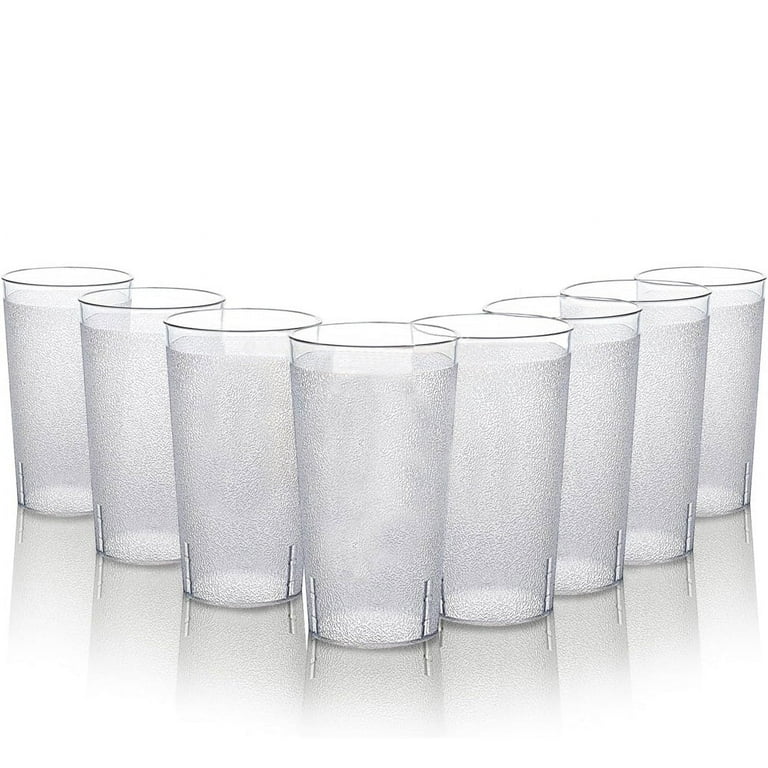
Are you tired of second-guessing whether your plastic cups can handle a run through the dishwasher? You’re not alone.
Many people wonder if tossing their plastic cups into the dishwasher is a practical time-saver or a potential disaster waiting to happen. The convenience of dishwashers is undeniable, but knowing which items can withstand the process is crucial. We’ll uncover the truth about plastic cups and dishwashers.
We’ll delve into the risks and benefits, ensuring you have the knowledge to keep your kitchen routine smooth and stress-free. Stick with us, and you’ll discover how to protect your favorite plastic cups while keeping them sparkling clean.

Credit: www.amazon.com
Types Of Plastic Cups
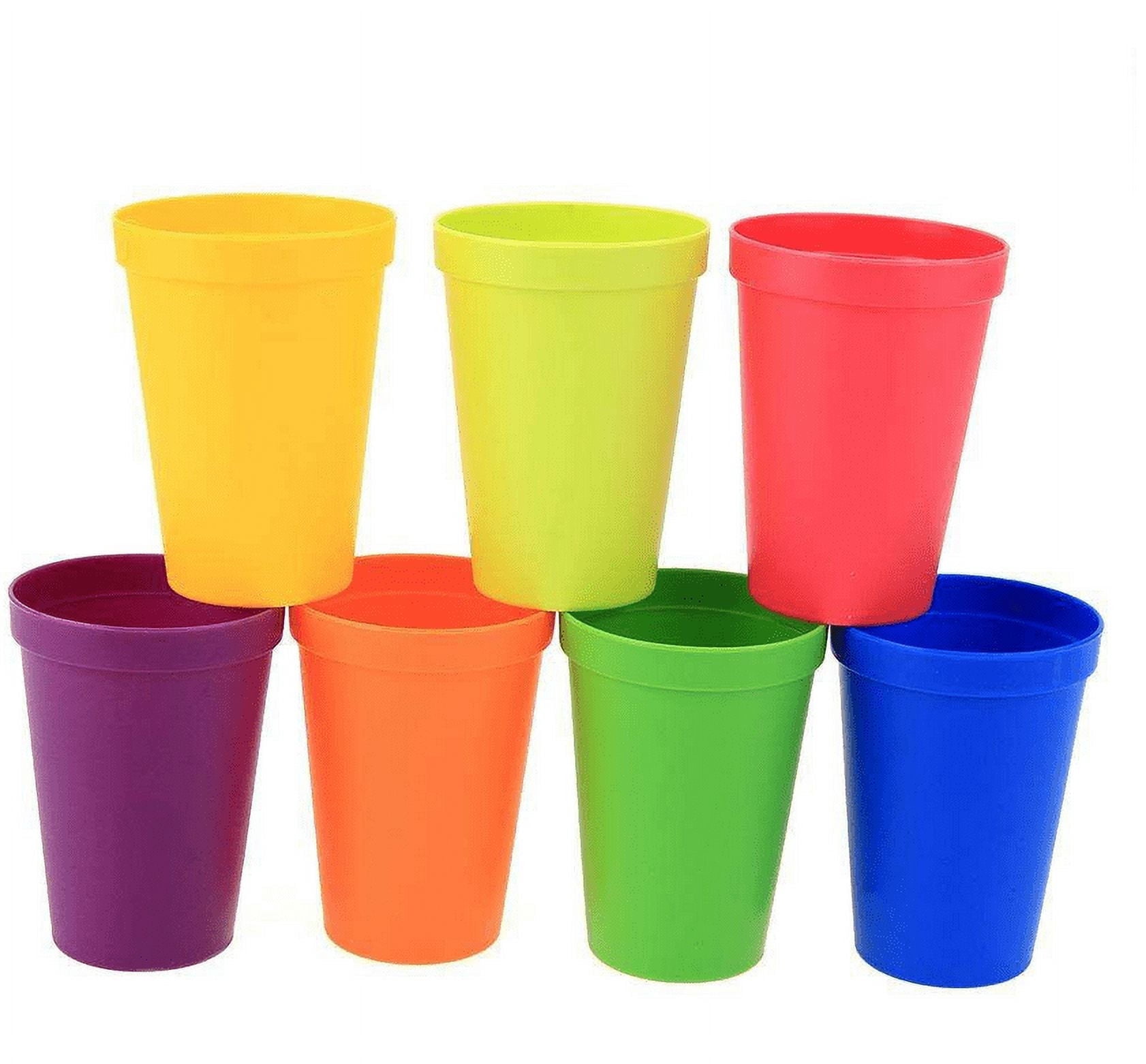
Plastic cups come in various types, each made from different materials. Knowing these types helps to understand if they are safe for dishwashers. Some plastics handle heat and water better than others. This affects their durability and safety during cleaning.
Common Plastics Used
- Polypropylene (PP):Often used for reusable cups. It resists heat well.
- Polystyrene (PS):Common in disposable cups. It can warp under heat.
- Polyethylene Terephthalate (PET):Used in cold drink cups. Not ideal for hot water.
- Polycarbonate (PC):Durable and clear. Some concerns about chemicals.
- High-Density Polyethylene (HDPE):Strong and resistant to heat. Good for reuse.
Identifying Plastic Types
Look for the recycling symbol on the cup’s bottom. It shows a number inside a triangle. This number tells the plastic type.
| Number | Plastic Type | Dishwasher Safety |
|---|---|---|
| 1 | PET | Not safe for dishwasher |
| 2 | HDPE | Usually safe |
| 5 | PP | Safe for dishwasher |
| 7 | Other (includes PC) | Check manufacturer’s advice |
Understanding these types helps to protect your plastic cups and dishwasher. Always check the label before washing.
Credit: www.walmart.com
Dishwasher Safety Factors
Understanding the factors that affect dishwasher safety for plastic cups can save you from ruined drinkware and potential health risks. Not all plastic cups are created equal, and their ability to withstand dishwasher conditions depends on several key elements. Paying attention to these details helps you decide which cups can handle the heat and harsh environment of a dishwasher.
Heat Resistance
Plastic cups vary widely in how much heat they can tolerate. Some are designed to withstand high temperatures typical of dishwasher cycles, while others may warp or melt. If you’ve ever found your cup misshapen after a wash, heat resistance was likely the issue.
Look for cups labeled as “dishwasher safe” or made from materials like polypropylene or Tritan, which usually handle heat better. Avoid using thin, disposable cups in the dishwasher—they often can’t survive the heat without damage.
Chemical Exposure
Dishwasher detergents contain strong chemicals designed to cut through grease and grime. These chemicals can interact with plastic cups in unexpected ways. Some plastics may discolor, become brittle, or even release harmful substances when exposed repeatedly to these detergents.
Check if your cups are BPA-free and resistant to harsh detergents. You might want to test a cup by running it through a cycle alone to see how it reacts before risking your entire set.
Cup Shape And Design
The shape and design of plastic cups affect how well they clean and dry in a dishwasher. Cups with narrow openings or intricate designs may trap water, leading to spots or incomplete cleaning. Stacking cups can also cause them to stick together and not wash properly.
Choose cups with wide openings and smooth surfaces for better water flow and thorough cleaning. Think about how you load your dishwasher to avoid crowding and ensure each cup gets enough space.
Reading Labels And Symbols
Understanding the labels and symbols on plastic cups is key to knowing if they are dishwasher safe. These markings give clear guidance about the cup’s durability and cleaning methods. Proper reading prevents damage and extends the life of your cups.
Many plastic cups include specific icons or text that indicate dishwasher compatibility. Being able to recognize these helps you avoid mistakes and keep your kitchenware in good condition.
Dishwasher Safe Icons
Look for common dishwasher safe icons on the cup or packaging. These include:
- A small dishwasher symbol, often a plate or glass with water droplets or waves
- Text such as “Dishwasher Safe” or “Top Rack Only”
- Temperature limits that indicate the heat the cup can handle
Icons vary but usually show water jets or plates inside a dishwasher outline. These symbols mean the cup can handle dishwasher cleaning without warping or melting. Some cups specify “top rack only” to avoid high heat near the dishwasher’s heating element.
Manufacturer Instructions
Always check the manufacturer’s instructions for cleaning details. These may be printed on the cup, on the box, or available online.
- Instructions explain the best way to wash the cup safely
- Some cups may require hand washing to preserve shape and color
- Warnings about high temperatures or harsh detergents help avoid damage
Following these instructions ensures your plastic cups last longer and stay safe to use. Ignoring them can lead to cracks, fading, or melting during dishwashing.
Risks Of Washing Plastic Cups In Dishwashers
Plastic cups may seem convenient for dishwashers, but they carry risks. Dishwashers use high heat and strong water pressure. These conditions can damage plastic cups quickly. Understanding these risks helps keep your cups safe and clean.
Warping And Melting
Plastic cups can warp or melt under dishwasher heat. Not all plastics handle hot water well. Thin or low-quality plastics are especially vulnerable. Warped cups lose shape and may not hold liquids properly. Melting causes permanent damage, making cups unsafe to use.
Chemical Leaching
Heat from dishwashers can cause chemicals in plastic to leach out. Some plastics release harmful substances when heated. These chemicals can mix with food or drinks later. Using dishwasher-safe labeled cups reduces this risk. Avoid cups not marked as dishwasher-safe to protect your health.
Color Fading And Damage
Dishwasher detergents can fade colors on plastic cups. The rough water spray can scratch surfaces too. Faded or damaged cups look old and unattractive. Protect the look of your cups by washing them gently by hand. This helps maintain their color and finish longer.
Safe Dishwasher Practices
Handling plastic cups in your dishwasher requires care to keep them intact and safe for reuse. Knowing how to arrange, select cycles, and manage heat settings can extend the life of your plastic cups while ensuring they come out clean. You might be surprised how small adjustments in your dishwasher routine make a big difference in protecting your cups.
Placement Tips
Place plastic cups on the top rack only. The bottom rack tends to get hotter and can cause warping or melting.
Make sure cups don’t touch each other to avoid scratches or cracks during the wash cycle. Use the designated cup holders or adjust racks if needed to keep them stable.
Have you noticed plastic cups turning cloudy after dishwashing? This often happens when cups are too close to heating elements or heavy dishes.
Choosing The Right Cycle
Pick a gentle or eco-friendly cycle for plastic cups. These cycles use less intense water pressure and lower temperatures, protecting your cups from damage.
A quick wash cycle is often enough for plastic cups unless they’re heavily soiled. Overwashing can wear down the plastic over time.
Think about how dirty your cups really are before selecting a long, hot cycle. Saving energy and preserving your cups can go hand in hand.
Avoiding High Heat Settings
High heat can warp or melt plastic cups, so avoid using the drying cycle’s heat or booster heating options. Air drying is a safer choice for plastics.
Check your dishwasher manual to turn off heated drying or use a lower temperature setting if available. This prevents damage while still ensuring your cups dry properly.
Have you tried letting your dishwasher door stay slightly open after the cycle to air dry? It’s a simple trick that protects plastics and reduces energy use.
Alternatives To Dishwasher Cleaning
Not all plastic cups are designed to withstand the high heat and harsh detergents in dishwashers. If you want to keep your cups in good shape, exploring alternatives to dishwasher cleaning is a smart choice. These methods help maintain the cup’s durability and appearance while ensuring they stay hygienic.
Hand Washing Techniques
Hand washing plastic cups is a gentle way to clean them without risking warping or fading. Use warm water and a soft sponge or cloth to avoid scratching the surface. Avoid abrasive scrubbers that can damage the plastic.
Focus on the rim and inside where germs tend to accumulate. Rinse thoroughly to remove soap residue, which can affect taste and safety. Have you tried using a bottle brush for hard-to-reach spots? It can make a big difference in thorough cleaning.
Using Cleaning Agents Safely
Choosing the right cleaning agent matters. Mild dish soap is usually enough to clean plastic cups effectively. Harsh chemicals or bleach can degrade the plastic and leave harmful residues.
If you want to disinfect, dilute white vinegar or baking soda are safer alternatives. They kill bacteria without damaging the cup. Always rinse well after using any cleaning agent to ensure no residue remains.
Have you checked the label on your plastic cups for specific cleaning recommendations? Following those guidelines can extend the life of your cups significantly.
Environmental Impact
Understanding the environmental impact of using plastic cups in your daily routine is crucial. These cups often end up contributing to pollution if not handled properly. Thinking about whether they are dishwasher safe is not just a convenience issue—it ties directly into how long these plastics last and how much waste they create.
Plastic Longevity
Plastic cups can last a surprisingly long time, especially when washed in a dishwasher. The heat and detergent can cause some plastics to break down faster, releasing microplastics into the environment. On the other hand, some plastics hold up well, meaning they don’t degrade quickly and can persist in landfills for hundreds of years.
Have you ever considered how long a plastic cup you use today might remain in the environment? This durability is a double-edged sword—it can mean fewer replacements but also more lasting waste.
Reducing Plastic Waste
Washing plastic cups in the dishwasher instead of throwing them away after one use can reduce waste significantly. Reusing cups limits the demand for new plastic production, which saves energy and raw materials. However, it’s important to choose dishwasher-safe plastics to avoid harmful chemical leaching and premature breakdown.
You can make a difference by opting for reusable, dishwasher-safe cups and making sure to wash them properly. Small changes in how you care for your plastic cups can add up to less pollution and a cleaner environment.

Credit: www.amazon.com
Frequently Asked Questions
Are All Plastic Cups Dishwasher Safe?
Not all plastic cups are dishwasher safe. Check the cup’s label or manufacturer instructions. Some plastics may warp or melt in high heat.
How To Identify Dishwasher Safe Plastic Cups?
Look for a dishwasher safe symbol on the cup’s bottom. It often looks like a plate or glass with water droplets or waves.
Can Dishwashing Damage Plastic Cups?
Yes, high heat and harsh detergents can cause plastic cups to crack, warp, or lose color over time, especially if not dishwasher safe.
Is Top Rack Dishwasher Safe For Plastic Cups?
Yes, placing plastic cups on the top rack reduces heat exposure. This helps prevent warping and extends the cup’s lifespan.
Conclusion
Plastic cups may or may not be dishwasher safe. Always check the label or packaging first. Some plastics can melt or warp in high heat. Using the top rack helps protect cups from damage. Hand washing is safer for many plastic cups.
Taking care of your cups helps them last longer. Clean cups keep drinks tasting fresh and safe. Choose wisely to avoid ruining your plastic cups. Simple care makes a big difference every time.