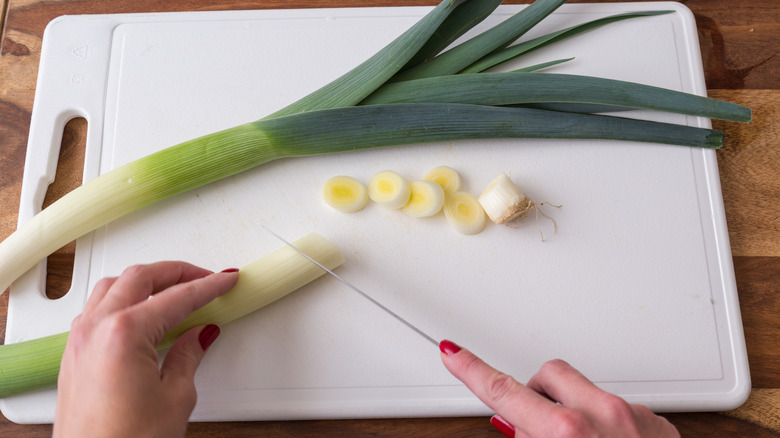
Are plastic cutting boards bad for your health and kitchen? You might have asked yourself this question while chopping vegetables or slicing meat.
After all, you want to keep your food safe and your kitchen clean. But with so many opinions out there, it’s hard to know what’s true. This article will help you understand the facts about plastic cutting boards, so you can make the best choice for your home.
Keep reading to discover what you need to know to protect your family and keep your cooking space healthy.

Credit: www.bedbathandbeyond.com
Plastic Cutting Boards: The Basics
Plastic cutting boards are common tools in many kitchens. They are made from different types of plastic materials.
People use them to cut fruits, vegetables, meat, and other foods. They are popular because they are light and easy to clean.
Materials And Types
Plastic cutting boards are made from several types of plastic. Each type has its own qualities and uses.
- Polyethylene: This is the most common plastic used. It is durable and safe for food.
- Polypropylene: This plastic is tougher and more resistant to heat.
- High-density polyethylene (HDPE): It is strong and resists deep cuts.
- Recycled plastics: Some boards use recycled materials to help the environment.
Plastic cutting boards come in many sizes and colors. Some have grooves to catch juices from meat.
Common Uses In Kitchens
Plastic cutting boards are used for many kitchen tasks. They work well for cutting different types of food safely.
- Cutting raw meat and poultry
- Slicing fruits and vegetables
- Chopping herbs and spices
- Preparing sandwiches and snacks
Many chefs use separate plastic boards for meat and vegetables. This practice helps stop germs from spreading.

Credit: www.foodandwine.com
Health Risks Linked To Plastic Boards
Plastic cutting boards are common in many kitchens. They seem easy to clean and use. But they can have some health risks.
These risks come from bacteria and chemicals that may stay on or come from the plastic. Understanding these risks helps you keep food safe.
Bacterial Growth And Contamination
Plastic boards can get scratched over time. These cuts hold bacteria that regular cleaning may miss. Bacteria can grow and spread to food.
Using the same board for raw meat and vegetables can cause cross-contamination. This can lead to food poisoning.
- Scratches trap harmful bacteria.
- Cleaning may not remove all germs.
- Cross-contamination spreads bacteria between foods.
Chemical Leaching Concerns
Plastic boards may release tiny chemicals into food. Heat or strong cleaning agents can increase this risk. Some chemicals can be harmful if eaten often.
Choosing boards made from food-safe plastics helps lower chemical risks. Still, regular replacement is important to avoid buildup.
- Heat can cause plastic to leak chemicals.
- Certain cleaners may damage plastic.
- Long-term exposure to chemicals may affect health.
Durability And Wear Issues
Plastic cutting boards are popular in kitchens. They are light and easy to clean. But they can wear out over time.
Repeated use can cause damage to the plastic surface. This affects their durability and safety for food use.
Knife Marks And Surface Damage
Plastic boards get knife marks from cutting and chopping. These marks can be deep and hard to clean.
Surface damage makes the board look worn. It also creates small grooves where bacteria can hide.
- Knife marks reduce the smooth surface
- Deep cuts trap food particles and bacteria
- Damaged boards can break or crack
Impact On Food Safety
Bacteria can grow in the cuts on plastic boards. This can cause food contamination if not cleaned well.
Using worn plastic boards increases the risk of cross-contamination. It is important to replace them regularly.
- Knife marks harbor harmful bacteria
- Cleaning becomes less effective over time
- Regular replacement helps keep food safe
Comparing Plastic To Other Materials
Plastic cutting boards are popular in many kitchens. They are light and easy to clean. But some people wonder if they are safe or if other materials are better.
This article looks at plastic cutting boards and compares them to wood, bamboo, and composite boards. Each type has its own pros and cons.
Wood Vs Plastic
Wood boards are sturdy and last a long time. They can heal small cuts by themselves, which helps stop bacteria. Plastic boards do not heal, so cuts can hold germs.
- Wood is gentle on knives and keeps them sharp.
- Plastic boards are dishwasher safe and dry quickly.
- Wood boards need hand washing and careful drying to avoid warping.
- Plastic boards can stain and hold odors from food.
Bamboo And Composite Alternatives
Bamboo cutting boards are eco-friendly and harder than wood. Composite boards mix materials for strength and easy cleaning.
| Material | Durability | Maintenance | Knife Friendliness |
|---|---|---|---|
| Bamboo | High | Hand wash only | Medium |
| Composite | Very High | Dishwasher safe | Medium |
| Plastic | Medium | Dishwasher safe | Low |
| Wood | High | Hand wash only | High |
Proper Care For Plastic Boards
Plastic cutting boards are common in many kitchens. Taking good care of them keeps them safe and lasts longer.
Cleaning and maintenance are key. Follow simple steps to avoid damage and bacteria buildup.
Cleaning Techniques
Wash plastic boards right after use. This stops stains and germs from setting in.
- Use hot, soapy water and scrub with a sponge.
- Rinse thoroughly to remove soap and food bits.
- Sanitize with a mix of one tablespoon bleach per gallon of water.
- Let the board air dry in a clean place.
- Avoid soaking boards for long periods to prevent warping.
Maintenance Tips To Extend Life
Keep your plastic board in good shape with regular checks and care. Replace it if deep cuts or cracks appear.
| Tip | Reason |
| Use both sides | Prevents uneven wear |
| Store upright | Allows air flow and drying |
| Avoid strong knives | Reduces deep cuts |
| Inspect often | Find damage early |
| Replace when cracked | Stops bacteria hiding |
When To Replace Your Cutting Board
Cutting boards are important kitchen tools. They help prepare food safely and cleanly. Knowing when to replace them keeps your kitchen healthy and efficient.
Plastic cutting boards can wear out over time. It is important to check them often for damage or signs of bacteria buildup. This guide helps you know when to get a new one.
Signs Of Wear And Tear
Look closely at your plastic cutting board for damage. Deep cuts and cracks can trap food and germs. These marks also make cleaning harder.
- Visible deep grooves or cuts
- Warping or bending of the board
- Discoloration or stains that won’t wash off
- Surface feels rough or uneven
- Cracks that could break apart
Health Considerations
Using a damaged cutting board can cause food contamination. Bacteria hide in cuts and cracks. This risk grows if you use the board for raw meats and vegetables without cleaning properly.
| Risk | Cause | Effect |
| Bacterial Growth | Deep cuts and grooves | Food poisoning |
| Cross-Contamination | Using the same board for raw and cooked foods | Illness risk |
| Physical Injury | Cracked or broken board pieces | Choking hazard |
Environmental Impact Of Plastic Boards
Plastic cutting boards are common in many kitchens. They are light and easy to clean. Still, their impact on the environment is a concern. Understanding this impact helps us make better choices.
This article looks at how plastic boards affect the environment. It covers how they are made and what happens after use.
Production And Waste Issues
Plastic cutting boards are made from petroleum-based materials. These materials take a lot of energy to produce. The process also releases greenhouse gases that harm the planet.
- Use of non-renewable resources
- Energy-intensive manufacturing
- Release of carbon emissions
- Boards often wear out quickly
- Discarded boards add to landfill waste
Recycling And Disposal Options
Recycling plastic cutting boards is not easy. Many recycling centers do not accept them. This is because different plastics are mixed together. Also, food residue can contaminate the recycling process.
| Disposal Method | Pros | Cons |
|---|---|---|
| Landfill | Easy disposal | Pollutes soil and water |
| Incineration | Reduces volume of waste | Releases toxins into air |
| Recycling | Reduces new plastic use | Limited facilities, contamination issues |

Credit: www.amazon.com
Frequently Asked Questions
Are Plastic Cutting Boards Safe For Food?
Plastic cutting boards are generally safe for food use. However, they can harbor bacteria if not cleaned properly. It’s important to sanitize them regularly to prevent contamination. Ensure they are dishwasher-safe for effective cleaning.
Do Plastic Cutting Boards Dull Knives?
Plastic cutting boards are less likely to dull knives compared to harder surfaces like glass. They offer a softer cutting surface, reducing knife wear. However, using quality knives and maintaining them can further prevent dulling.
How Long Do Plastic Cutting Boards Last?
Plastic cutting boards can last several years with proper care. However, replace them when they show deep grooves or cracks. These imperfections can trap bacteria, posing health risks. Regular inspection helps ensure they remain safe for use.
Are Plastic Cutting Boards Dishwasher-safe?
Most plastic cutting boards are dishwasher-safe. This makes cleaning and sanitizing easy and effective. Check the manufacturer’s instructions to confirm. Regular dishwasher cleaning helps maintain hygiene and prolongs the board’s lifespan.
Conclusion
Plastic cutting boards have pros and cons to consider. They are easy to clean but can get scratched. Scratches may hold bacteria if not cleaned well. Regular washing and replacing old boards helps keep food safe. Choose the right board for your kitchen needs.
Keep your cutting boards clean and in good shape. That way, you protect your health and enjoy cooking safely. Simple care makes a big difference.