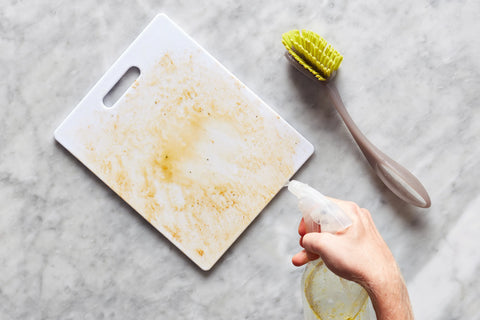
Are you wondering whether plastic cutting boards are better than wood for your kitchen? Choosing the right cutting board isn’t just about looks—it affects your food’s safety, how easy it is to clean, and how long your board lasts.
You might have heard mixed opinions, but what really works best for your cooking needs? Keep reading to discover the surprising truths that can help you make a smart choice every time you prep your meals.
Material Comparison
Choosing between plastic and wood cutting boards can affect your kitchen experience. Both materials have unique features that suit different needs.
This guide compares plastic and wood boards based on durability, knife friendliness, and care requirements.
Durability And Longevity
Plastic boards resist stains and cracks better than wood. They do not absorb liquids, which lowers the risk of warping.
Wood boards can last many years if properly cared for. They may wear down faster if exposed to too much water or heat.
Knife Friendliness
| Feature | Plastic Cutting Boards | Wood Cutting Boards |
| Effect on Knives | Harder surface, dulls blades faster | Softer surface, preserves sharpness longer |
| Surface Repair | Scratches show easily, harder to fix | Scratches blend in, can be sanded |
| Grip | Can slip on counters | Better grip and stability |
Maintenance And Cleaning
Plastic boards clean easily with soap and water. They can go in dishwashers for deep cleaning.
- Plastic boards need no special oiling or treatment.
- Wood boards require regular oiling to prevent drying out.
- Wood must be hand-washed and dried immediately.
- Plastic boards can harbor bacteria in deep cuts if not replaced.
Hygiene And Safety
Choosing the right cutting board is important for kitchen hygiene and safety. Plastic and wood are common options.
This section looks at how plastic and wood compare in hygiene and safety areas.
Bacterial Resistance
Plastic cutting boards do not absorb liquids. This stops bacteria from hiding inside the board.
Wood can absorb juices from food. Some woods have natural antibacterial properties that help fight germs.
- Plastic boards can develop deep cuts that trap bacteria.
- Wood boards may heal small cuts, reducing bacteria spots.
- Both need regular cleaning to stay safe.
Stain And Odor Retention
Plastic boards often stain from colorful foods like beets or turmeric. They can also hold strong smells.
Wood boards resist stains better but can absorb some odors over time. Good cleaning helps reduce this.
- Plastic stains are harder to remove.
- Wood odors fade faster with airing out.
- Both need care to avoid lasting marks and smells.
Sanitization Methods
Plastic cutting boards can be cleaned with hot water and soap. Some are dishwasher safe for deep cleaning.
Wood boards need gentle washing to avoid warping. They should not be soaked or put in dishwashers.
- Plastic boards: use dishwasher or hot soapy water.
- Wood boards: wash by hand and dry quickly.
- Both benefit from regular disinfecting with vinegar or bleach solutions.
Environmental Impact
Choosing between plastic and wood cutting boards affects the environment. Each material has different effects on nature. Understanding these effects helps make better choices.
This section looks at how wood and plastic cutting boards impact the planet. It covers sustainability, waste, and disposal issues.
Sustainability Of Wood
Wood cutting boards come from trees, a natural and renewable resource. Wood is biodegradable and breaks down over time. This helps reduce long-term waste.
Wood can be harvested responsibly with proper forest management. This keeps forests healthy and supports wildlife habitats. Using wood from certified sources is important.
Plastic Waste Concerns
Plastic cutting boards are made from petroleum-based materials. They do not break down easily and can stay in the environment for hundreds of years. This causes pollution.
Plastic waste often ends up in oceans and harms animals. Microplastics from broken boards can enter food chains. Reducing plastic use helps lower these risks.
- Plastic cutting boards add to landfill waste
- They can release harmful chemicals when breaking down
- Plastic pollution affects water and soil quality
Recycling And Disposal
Wood cutting boards can be composted if untreated. They return nutrients to the soil. Some wood boards last longer and reduce the need for replacements.
Plastic cutting boards are harder to recycle. Many recycling centers do not accept them. Throwing them away adds to landfill problems.
- Wood boards can be reused as firewood or mulch
- Plastic boards may need special recycling programs
- Proper disposal reduces environmental harm
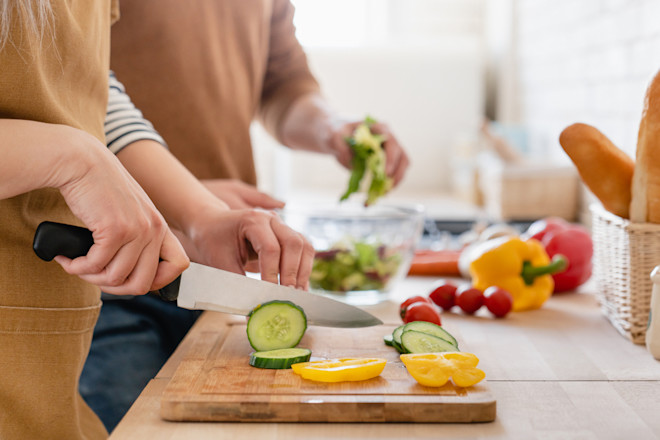
Credit: www.discovermagazine.com
Cost And Availability
Choosing between plastic and wood cutting boards often depends on cost and availability. Both types have different price points and can be found in many stores.
Understanding their costs and how often you need to replace them helps you decide which board fits your kitchen best.
Initial Purchase Price
Plastic cutting boards usually cost less when you buy them. They are made from cheaper materials and are simple to produce.
Wood cutting boards tend to be more expensive. They use natural wood, which costs more and requires more work to make.
- Plastic boards can be found under $10 for basic models
- Wood boards often start around $20 and can go higher
- Price varies by size, brand, and design
Replacement Frequency
Plastic cutting boards usually need replacing more often. They can get deep cuts and wear down faster.
Wood cutting boards last longer if cared for well. They resist deep cuts and can be sanded to refresh the surface.
- Plastic boards may need replacing every 1 to 2 years
- Wood boards can last 5 years or more with good care
- Replacing depends on how often you use and clean the board
Variety And Styles
Plastic cutting boards come in many colors and shapes. This variety suits different kitchen styles and uses.
Wood cutting boards often have a classic look. They offer natural patterns and different wood types for style choices.
- Plastic boards: bright colors, non-slip edges, and dishwasher safe options
- Wood boards: maple, bamboo, walnut, and other wood types
- Both types offer various sizes for different tasks
User Preferences
Choosing between plastic and wood cutting boards depends on what users prefer. Different people like different materials for their kitchen tasks.
User preferences often focus on cleaning, durability, and feel. These factors affect if a board is plastic or wood.
Professional Chefs’ Choices
Many chefs pick wood boards because they are gentle on knives. Wood also hides cuts better than plastic.
Chefs often need boards that last long and stay safe. Wood boards can be sanitized properly if cared for.
- Wood boards protect knife edges
- Plastic boards are easy to clean quickly
- Chefs may use both types for different tasks
Home Cook Opinions
Home cooks like plastic boards for their low cost and light weight. Plastic boards are also dishwasher safe.
Wood boards feel more natural and look nicer in many kitchens. Some home cooks worry about wood being harder to clean.
- Plastic boards are easy to sanitize
- Wood boards offer a classic look
- Home cooks balance price and cleaning needs
Aesthetic Considerations
Wood cutting boards add warmth and style to kitchens. They come in different wood types and colors.
Plastic boards often come in bright colors. This helps keep food types separate and adds a modern look.
- Wood boards fit traditional kitchens well
- Plastic boards suit casual or colorful kitchens
- Choice depends on kitchen design and taste
:max_bytes(150000):strip_icc()/faw-ditch-this-common-kitchen-item-to-cut-down-on-microplastics-for-good-tout-fdaf0ef5597f417c8f1c9366cfb3b243.jpg)
Credit: www.foodandwine.com
Health Considerations
Choosing between plastic and wood cutting boards affects your kitchen’s health safety. Both materials have pros and cons that impact cleanliness and food safety.
Understanding key health factors helps you pick the best cutting board for your needs and keeps your food safe.
Potential Chemical Exposure
Plastic boards can release chemicals if they contain harmful substances or get worn down. Wood boards are natural but may absorb liquids.
- Plastic boards may have BPA or other chemicals.
- Cut marks on plastic can trap chemicals and bacteria.
- Wood boards have natural antimicrobial properties.
- Wood can absorb cleaning agents if not rinsed well.
Cross-contamination Risks
Cross-contamination happens when harmful bacteria spread from one food to another on cutting boards. The board material affects this risk.
| Cutting Board Type | Risk of Bacteria Growth | Cleaning Ease |
|---|---|---|
| Plastic | Higher in deep cuts | Easy to sanitize in dishwasher |
| Wood | Lower due to natural oils | Needs hand washing and drying |
Allergy Factors
Some people may react to wood or plastic materials. Knowing allergy risks helps avoid problems in the kitchen.
- Wood boards can cause allergies in sensitive people.
- Plastic boards rarely cause skin reactions.
- Choosing hypoallergenic materials reduces risk.
- Regular cleaning lowers allergy triggers on any board.

Credit: www.zsalads.com
Frequently Asked Questions
Are Plastic Cutting Boards Safer Than Wood?
Plastic cutting boards are generally considered safer for raw meats due to their non-porous surface. They are easier to sanitize and less likely to harbor bacteria compared to wood. However, deep knife cuts can trap bacteria, so regular replacement is advisable.
Do Plastic Boards Dull Knives Faster?
Plastic cutting boards can dull knives faster than wood due to their harder surface. Frequent sharpening or honing of knives is recommended when using plastic boards. Wooden boards, being softer, are gentler on knife edges, maintaining their sharpness longer.
Which Board Is More Environmentally Friendly?
Wooden cutting boards are generally more environmentally friendly than plastic ones. They are biodegradable and made from renewable resources. Plastic boards, on the other hand, are made from petroleum-based materials and contribute to plastic waste in landfills.
How To Clean Plastic Cutting Boards Effectively?
To clean plastic cutting boards, use hot, soapy water and scrub thoroughly. For deeper sanitation, place them in a dishwasher or use a diluted bleach solution. Regular cleaning prevents bacteria buildup, ensuring food safety.
Conclusion
Choosing between plastic and wood cutting boards depends on your needs. Plastic boards are easy to clean and dishwasher safe. Wood boards last longer and can be gentler on knives. Both types have pros and cons for hygiene and durability.
Consider how you use your board daily. Think about cleaning habits and knife care. Both can work well with proper use and maintenance. The best board is the one you feel comfortable using. Make a choice that fits your kitchen style and routine.