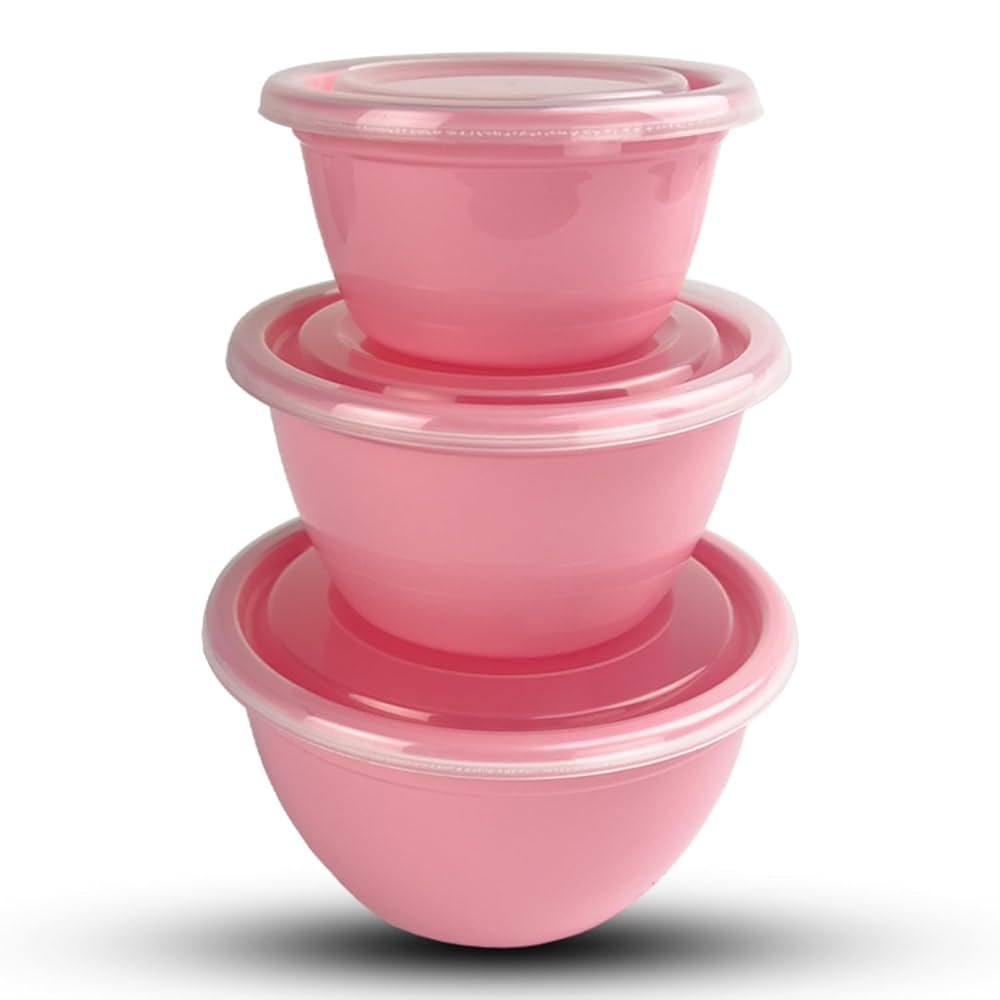
Are plastic mixing bowls safe for you and your family? If you’ve ever paused before reaching for that colorful bowl in your kitchen, you’re not alone.
You want to make sure the tools you use every day won’t harm your health or affect your food. You’ll discover the facts about plastic mixing bowls—what makes them safe or risky, how to choose the right ones, and simple tips to protect yourself.
Keep reading to find out how to keep your kitchen both convenient and healthy.
Types Of Plastic Bowls
Plastic mixing bowls come in many types. Each type uses different plastics. Knowing these types helps you choose safe bowls.
Some plastics are good for food use. Others are not safe for cooking or mixing food.
Common Plastics Used
Plastic bowls often use these common plastics:
- Polypropylene (PP):Light and heat resistant. Safe for food and dishwasher use.
- Polyethylene (PE):Durable and flexible. Common in food containers.
- Polystyrene (PS):Cheap but brittle. Not good for hot foods.
- Polycarbonate (PC):Clear and strong. May release BPA, so be cautious.
- Melamine:Hard and colorful. Avoid heating as it can release chemicals.
Food-grade Vs Non-food-grade
Food-grade plastics are safe to use with food. Non-food-grade plastics can be harmful.
| Type | Use | Safety |
|---|---|---|
| Food-Grade Plastic | Mixing, storing food | Safe and tested |
| Non-Food-Grade Plastic | Household items, decoration | May release toxins |
Health Risks Of Plastic Bowls
Plastic mixing bowls are popular in many kitchens. They are light and easy to use. But some types of plastic may cause health risks.
It is important to understand how plastic bowls can affect your health. Certain chemicals can move from plastic into food.
Chemical Leaching Concerns
Chemicals in plastic bowls can leak into food. This happens especially with hot or acidic foods. Leached chemicals may cause health problems over time.
- Heat increases chemical release from plastic
- Acidic foods like tomato sauce cause more leaching
- Old or scratched bowls leak more chemicals
- Some plastics contain harmful additives
Bpa And Phthalates Impact
BPA and phthalates are common chemicals in plastic bowls. They can disrupt hormones and cause health issues. Many countries now limit these chemicals in food containers.
| Chemical | Common Use | Health Risk |
| BPA | Plastic hardener | Hormone disruption, heart problems |
| Phthalates | Plastic softener | Reproductive issues, asthma |
Safe Usage Tips
Plastic mixing bowls are common in many kitchens. They are light and easy to use.
Knowing how to use them safely keeps you healthy and protects your bowls.
Microwave And Dishwasher Safety
Not all plastic bowls are safe for microwaves or dishwashers. Check the label first.
Bowls marked microwave-safe can be heated without melting or releasing chemicals.
- Use only microwave-safe bowls in the microwave.
- Avoid heating plastic bowls with no safety label.
- Dishwasher-safe bowls can go in the top rack.
- Hand wash bowls not marked dishwasher-safe.
Proper Cleaning Practices
Clean your plastic bowls well to avoid bacteria and stains. Use warm, soapy water.
Scrub with a soft sponge to protect the bowl’s surface from scratches.
- Rinse bowls quickly after use to prevent food sticking.
- Use baking soda paste to remove tough stains.
- Avoid harsh cleaners that can damage plastic.
- Dry bowls completely before storing to stop mold growth.

Credit: www.amazon.com
Alternatives To Plastic Bowls
Plastic mixing bowls may raise safety concerns for some users. Choosing other materials can help avoid risks linked to plastic. Many alternatives offer durability and safety in the kitchen.
Let’s explore two popular choices: glass and stainless steel, as well as silicone and wooden bowls. Each has its own benefits and uses.
Glass And Stainless Steel Options
Glass bowls are heavy but do not absorb odors or stains. They are microwave and dishwasher safe. Stainless steel bowls are lightweight and very durable. They do not break easily and resist rust.
- Glass bowls are clear and allow you to see contents easily.
- Stainless steel bowls are ideal for mixing cold ingredients.
- Both materials do not leach chemicals into food.
- Glass can handle heat better, but may break if dropped.
- Stainless steel is best for rough kitchen use.
Silicone And Wooden Bowls
Silicone bowls are flexible and easy to store. They come in many colors and sizes. Wooden bowls offer a natural look and feel but need special care. They should not soak in water for long.
| Material | Advantages | Care Tips |
|---|---|---|
| Silicone | Flexible, heat-resistant, easy to clean | Wash with warm soapy water; avoid sharp knives |
| Wood | Natural appearance, durable, gentle on utensils | Hand wash only; dry immediately; oil regularly |
Recognizing Safe Plastic Bowls
Plastic mixing bowls are common in kitchens. It is important to know if they are safe to use with food.
Some plastics can release harmful chemicals when heated or scratched. Knowing how to identify safe plastic bowls helps protect your health.
Identifying Safety Labels
Safe plastic bowls usually have safety labels on them. These labels tell you if the bowl is food-safe and heat resistant.
Look for phrases like “BPA-free,” “food safe,” or “microwave safe.” These indicate the bowl meets safety standards for kitchen use.
- “BPA-free” means no harmful chemicals called bisphenol A are in the plastic.
- “Food safe” confirms the bowl is approved for food contact.
- “Microwave safe” shows the bowl can be used in the microwave without damage.
Recycling Symbols And What They Mean
Plastic bowls often have recycling symbols with numbers. These numbers show the type of plastic used.
Some plastics are safer than others for food use. Knowing the numbers helps you choose safe bowls.
- 1 (PET or PETE): Safe for single use but avoid heating.
- 2 (HDPE): Safe and durable for food use.
- 3 (PVC): Avoid for food; may release harmful chemicals.
- 4 (LDPE): Safe for food, flexible plastic.
- 5 (PP): Safe for food and heat resistant.
- 6 (PS): Avoid for hot foods; may release toxins.
- 7 (Other): Mixed plastics, some may be unsafe.
Credit: www.amazon.com
Credit: www.ebay.com
Frequently Asked Questions
Are Plastic Mixing Bowls Safe For Food Use?
Yes, most plastic mixing bowls are safe for food use. Look for bowls labeled BPA-free to ensure safety. These bowls are made from materials that don’t leach harmful chemicals. Always avoid microwaving them unless specified as microwave-safe to prevent chemical release.
Can Plastic Bowls Withstand High Temperatures?
Plastic bowls typically can’t withstand high temperatures. They can warp or melt if exposed to heat. Always check the manufacturer’s guidelines regarding temperature limits. For hot food or mixing, opt for heat-resistant or microwave-safe plastic bowls.
Do Plastic Mixing Bowls Contain Bpa?
Not all plastic mixing bowls contain BPA. Many manufacturers produce BPA-free options due to health concerns. Always check the product label for BPA-free certification. This ensures that the bowls don’t release potentially harmful chemicals into your food.
How Do I Clean Plastic Mixing Bowls Safely?
Clean plastic mixing bowls with warm, soapy water and a soft sponge. Avoid abrasive scrubbers that can scratch the surface. Scratches can harbor bacteria, making the bowls unsafe. Some bowls are dishwasher-safe; check the manufacturer’s instructions for confirmation.
Conclusion
Plastic mixing bowls can be safe if you choose the right type. Look for BPA-free and food-grade labels. Avoid bowls that show cracks or wear. Using them properly keeps your food safe. Clean bowls well after each use. Remember, not all plastic bowls are equal.
Safety depends on quality and care. Trust your senses—if a bowl smells or looks bad, don’t use it. Simple steps help protect your health in the kitchen. Safe bowls make cooking easier and worry-free.