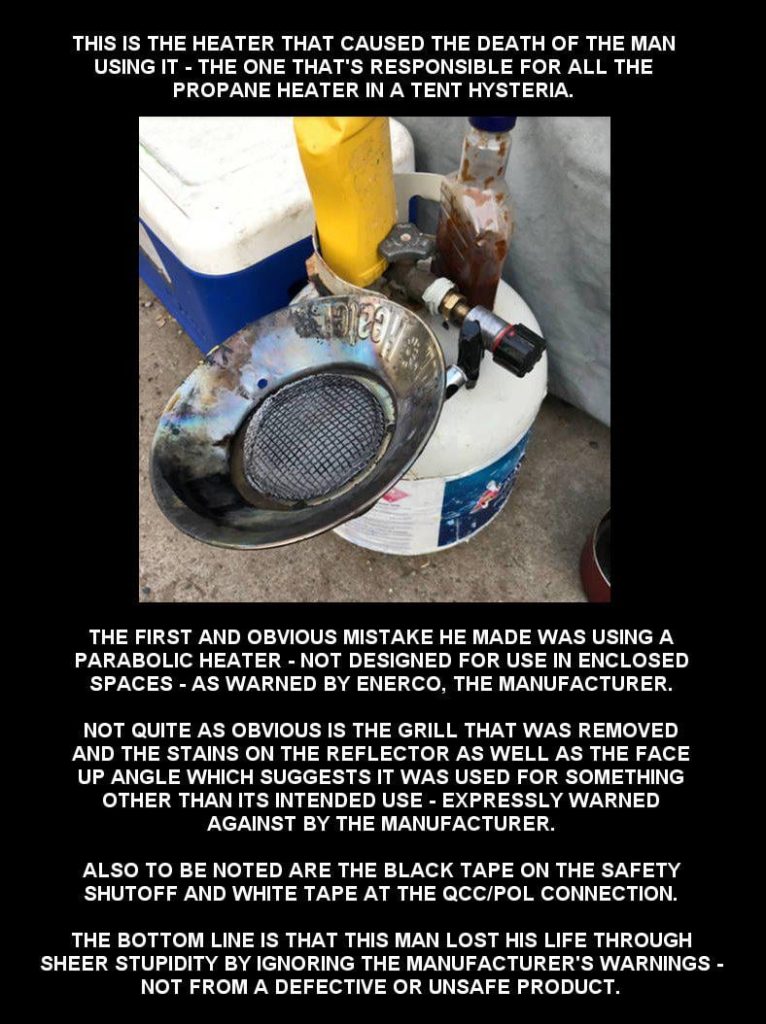
Are you planning a camping trip and wondering if propane heaters are safe to use inside your tent? Staying warm while camping is important, especially on cold nights, but safety should always come first.
Using a propane heater might seem like a quick way to heat your space, but could it put you or your loved ones at risk? You’ll discover the facts about propane heaters in tents, learn how to use them safely, and find out what precautions you must take to keep your camping experience cozy and secure.
Keep reading to make sure your next outdoor adventure stays warm—and safe.
Credit: www.advnture.com
Risks Of Using Propane Heaters Indoors
Using propane heaters inside tents can be dangerous. These heaters release gases that affect air quality.
It is important to know the risks before using propane heaters indoors. Safety should always come first.
Carbon Monoxide Poisoning
Propane heaters produce carbon monoxide (CO), a colorless gas. CO is harmful and can cause serious illness.
In a tent, carbon monoxide can build up quickly. This happens because tents have little ventilation.
- Symptoms of CO poisoning include headache, dizziness, and nausea
- High levels can cause unconsciousness or death
- Always use a CO detector if using propane heaters indoors
Fire Hazards
Propane heaters use open flames or hot surfaces to produce heat. This can start fires inside tents.
Flammable materials like tent fabric and sleeping bags can catch fire easily. Sparks or tipping heaters increase risk.
- Keep heaters away from walls and bedding
- Never leave a heater unattended
- Use heaters designed for indoor use only
Oxygen Depletion
Propane heaters consume oxygen to burn fuel. Using them in a small space can lower oxygen levels fast.
Low oxygen makes breathing hard and can cause fainting. It is dangerous, especially while sleeping.
- Ensure good ventilation when using heaters
- Open tent flaps or windows slightly
- Do not use heaters in sealed tents
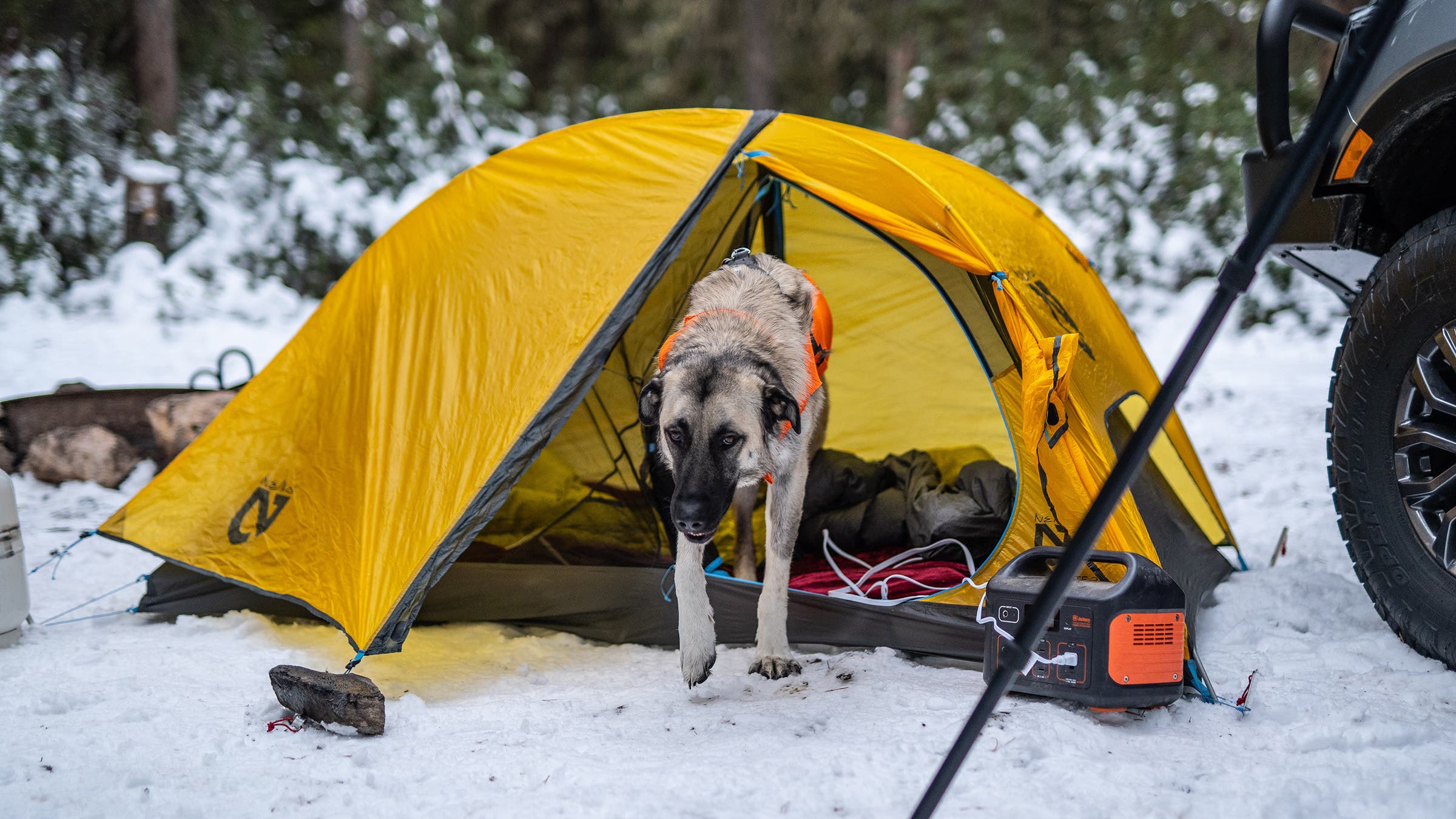
Credit: www.outsideonline.com
Choosing The Right Propane Heater
Using a propane heater in a tent can keep you warm during cold nights. Picking the right heater is important for safety and comfort.
There are different types of propane heaters. Knowing their features helps you choose the best one for your tent.
Portable Vs Fixed Heaters
Portable heaters are small and easy to move. They are good for quick heat and short trips.
Fixed heaters stay in one place. They usually give more heat but need more space and setup.
- Portable heaters: easy to carry, lighter, less heat output
- Fixed heaters: more heat, stable, needs more space
- Choose based on your tent size and travel needs
Safety Certifications To Look For
Safety is very important when using propane heaters in tents. Look for heaters with safety certifications.
Certifications show the heater passed tests for safe use. They reduce risks of fire and carbon monoxide.
- CSA certification ensures safe construction and use
- UL certification means the heater meets safety standards
- Look for heaters with automatic shut-off features
- Check for oxygen depletion sensors (ODS) to prevent danger
Size And Heating Capacity
Choose a heater size that fits your tent. Too small means not enough heat. Too big wastes fuel and can be unsafe.
Heating capacity is measured in BTUs (British Thermal Units). Match BTUs to your tent size for best results.
| Tent Size (sq ft) | Recommended BTUs |
|---|---|
| Up to 100 | 3,000 – 5,000 |
| 100 – 200 | 5,000 – 9,000 |
| 200 – 400 | 9,000 – 15,000 |
Proper Ventilation In Tents
Using propane heaters in a tent can be safe if you ensure proper ventilation. Fresh air flow is vital to prevent harmful gases from building up.
Let’s explore why ventilation is important, techniques to improve air flow, and how to recognize poor ventilation.
Importance Of Fresh Air Flow
Fresh air flow reduces the risk of carbon monoxide buildup. It keeps the air inside the tent breathable and safe.
- Prevents condensation inside the tent
- Reduces the risk of suffocation
- Keeps the tent environment comfortable
Ventilation Techniques
There are several ways to ensure good ventilation in your tent. These techniques will help maintain a safe air flow.
| Technique | Description |
| Open Vents | Keep tent vents open for continuous air flow |
| Use a Fan | Small battery-operated fans can circulate air |
| Position Tent Correctly | Face the door into the wind direction |
Signs Of Poor Ventilation
Recognizing signs of poor ventilation is crucial for safety. Be aware of these indicators inside your tent.
- Stuffy or stale air
- Visible condensation on tent walls
- Difficulty breathing
Safe Placement Of Propane Heaters
Using propane heaters in a tent can provide warmth on cold nights. Safety is very important to prevent accidents and fires.
Proper placement of the heater helps keep you and others safe while enjoying the heat.
Distance From Flammable Materials
Keep propane heaters far from anything that can catch fire. This includes tent walls, sleeping bags, and backpacks.
- Place the heater at least three feet away from flammable items.
- Do not use the heater near curtains or plastic sheets.
- Clear the area around the heater from dry leaves or paper.
Stable Surface Setup
Set the propane heater on a flat, stable surface to avoid tipping. Uneven ground can cause the heater to fall over.
| Surface Type | Safe to Use Heater |
| Flat ground or floor | Yes |
| Uneven rocks or sloped ground | No |
| Soft surfaces like sleeping bags | No |
| Metal or fireproof mat | Yes |
Avoiding Trip Hazards
Make sure the heater and its hose do not block walkways. People should not trip over the heater or its parts.
- Place the heater away from tent entrances and paths.
- Secure the propane hose so it does not dangle or cross walking areas.
- Use tape or clips to hold hoses against tent walls safely.
Using Propane Heaters With Safety Devices
Using propane heaters in a tent can provide warmth during cold nights. Safety devices help prevent accidents and keep you safe.
It is important to use heaters with built-in safety features. These devices reduce risks like fire and carbon monoxide poisoning.
Carbon Monoxide Detectors
Carbon monoxide is a dangerous gas that you cannot see or smell. Propane heaters can produce this gas if not used properly.
Carbon monoxide detectors alert you if gas levels become unsafe. They help prevent poisoning by giving early warnings.
- Place detectors near the heater and sleeping area
- Test detectors before each trip
- Replace batteries regularly
Automatic Shut-off Features
Automatic shut-off features stop the heater if it tips over or overheats. This prevents fires and other dangers.
Choose propane heaters with these safety features to reduce risk. They add an extra layer of protection in your tent.
- Shuts off if the heater falls
- Stops if oxygen levels get too low
- Turns off if the heater gets too hot
Regular Maintenance Checks
Check your propane heater often to keep it working safely. Clean and inspect it before each use.
Look for damage or leaks in hoses and connections. Replace any parts that are worn or broken.
- Inspect hoses for cracks or holes
- Clean dust and debris from heater parts
- Test the ignition and safety devices
- Store the heater in a dry place when not in use
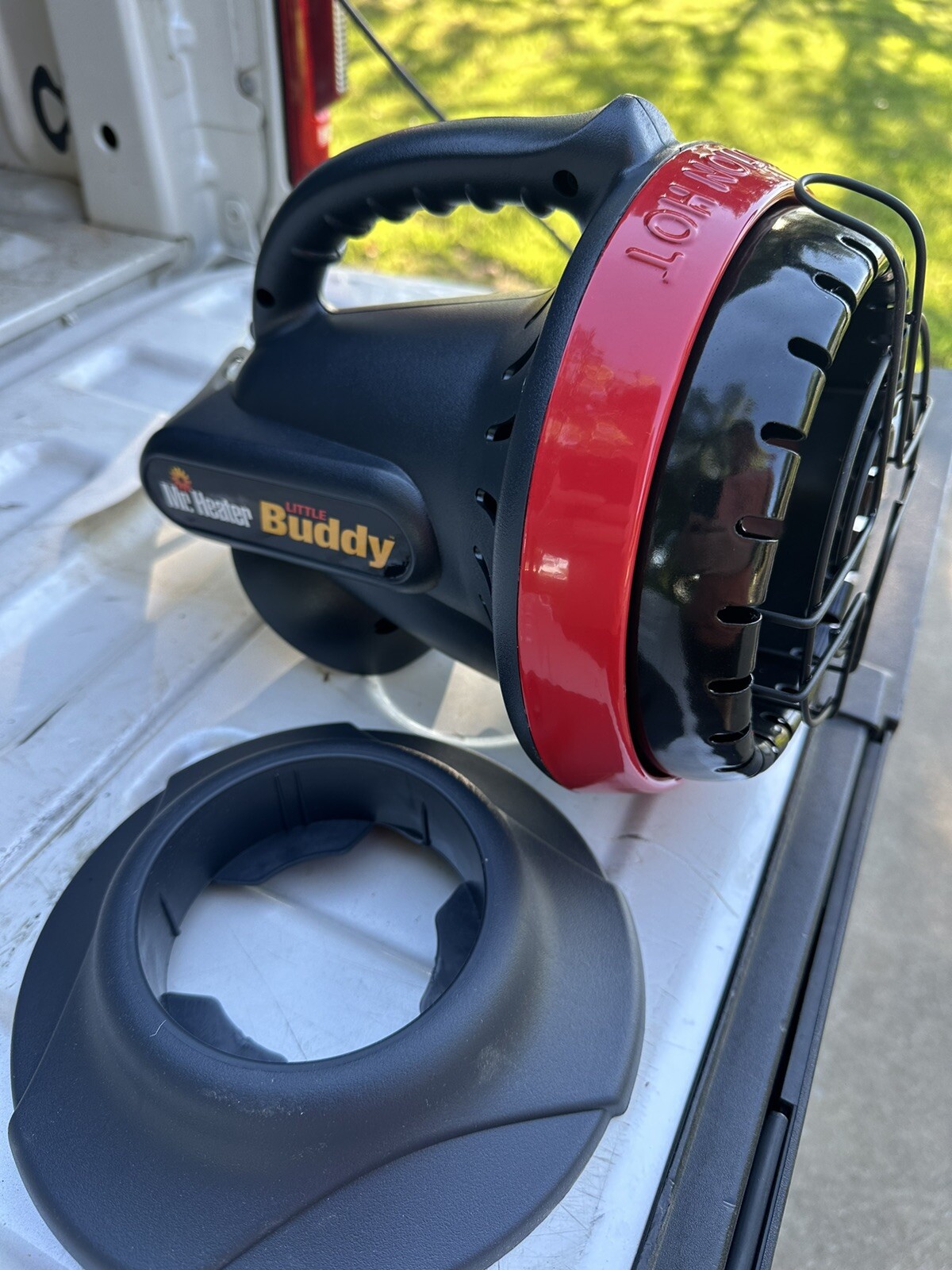
Credit: bexcodeservices.com
Emergency Preparedness
Using propane heaters in a tent can be risky without safety measures. Preparing for emergencies helps protect everyone inside.
Knowing what to do and having tools ready can stop small problems from becoming disasters.
Fire Extinguisher Accessibility
Keep a fire extinguisher close to the tent while using a propane heater. It must be easy to reach fast.
Check that the extinguisher is charged and ready to use before lighting the heater.
- Place extinguisher near tent entrance
- Test extinguisher pressure regularly
- Use a Class B or multipurpose extinguisher
Recognizing Warning Signs
Watch for signs of propane leaks or heater problems. Early warnings can prevent accidents.
Common warning signs include strange smells, hissing sounds, or the heater not working right.
- Smell of gas or rotten eggs
- Unusual noise from the heater
- Yellow or flickering flame
- Dizziness or headache inside the tent
Evacuation Plans
Have a clear plan to leave the tent quickly if there is danger. Everyone should know the plan.
Practice the plan so no one feels confused or scared during an emergency.
- Choose safe exit routes from the tent
- Keep exits clear and easy to open
- Decide on a meeting spot outside the tent
- Teach everyone how to shut off the propane
Frequently Asked Questions
Are Propane Heaters Safe For Use Inside Tents?
Propane heaters can be safe if used with proper ventilation. Always ensure fresh air circulation to prevent carbon monoxide buildup and avoid using heaters without safety features like automatic shut-off.
How To Prevent Carbon Monoxide Poisoning In Tents?
To prevent poisoning, keep vents open and use carbon monoxide detectors. Never sleep with the heater on, and never use indoor-only propane heaters inside tents.
What Safety Features Should A Propane Heater Have?
Look for heaters with automatic shut-off, tip-over protection, and oxygen depletion sensors. These features reduce accident risks and ensure safer tent heating.
Can Propane Heaters Cause Fires In Tents?
Yes, if not used properly. Keep heaters away from flammable materials, never leave them unattended, and follow manufacturer instructions to minimize fire risks.
Conclusion
Propane heaters can warm a tent safely if used with care. Always keep the tent well ventilated to avoid gas buildup. Never leave the heater running while you sleep or leave the tent. Use heaters made for indoor or tent use only.
Check for leaks before each use to stay safe. Simple steps protect you from fire and carbon monoxide. Stay warm, but stay safe. Your safety matters most during any camping trip.