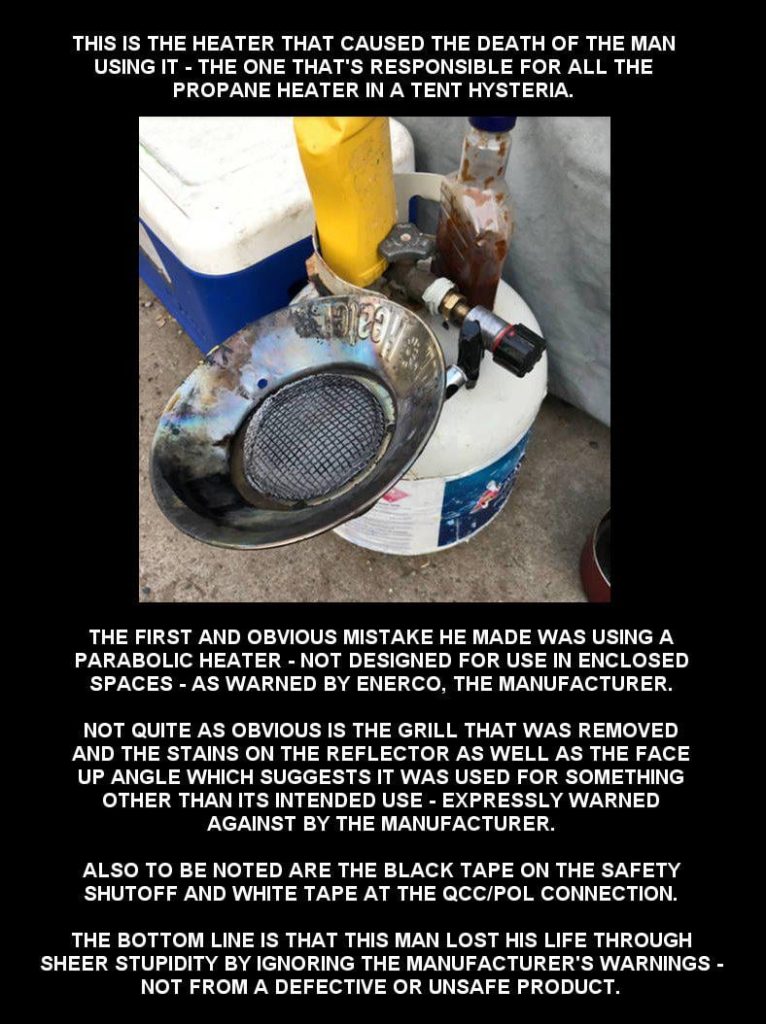
Are you planning to use a propane heater inside your tent but worried about safety? You’re not alone.
Many campers wonder if these heaters are a risk or a reliable way to stay warm on chilly nights. The truth is, propane heaters can be safe—but only if you know the right precautions to take. You’ll discover exactly how to use your propane heater safely, avoid common dangers, and enjoy a cozy camping experience without worry.
Keep reading to make sure your next outdoor adventure stays warm and safe.
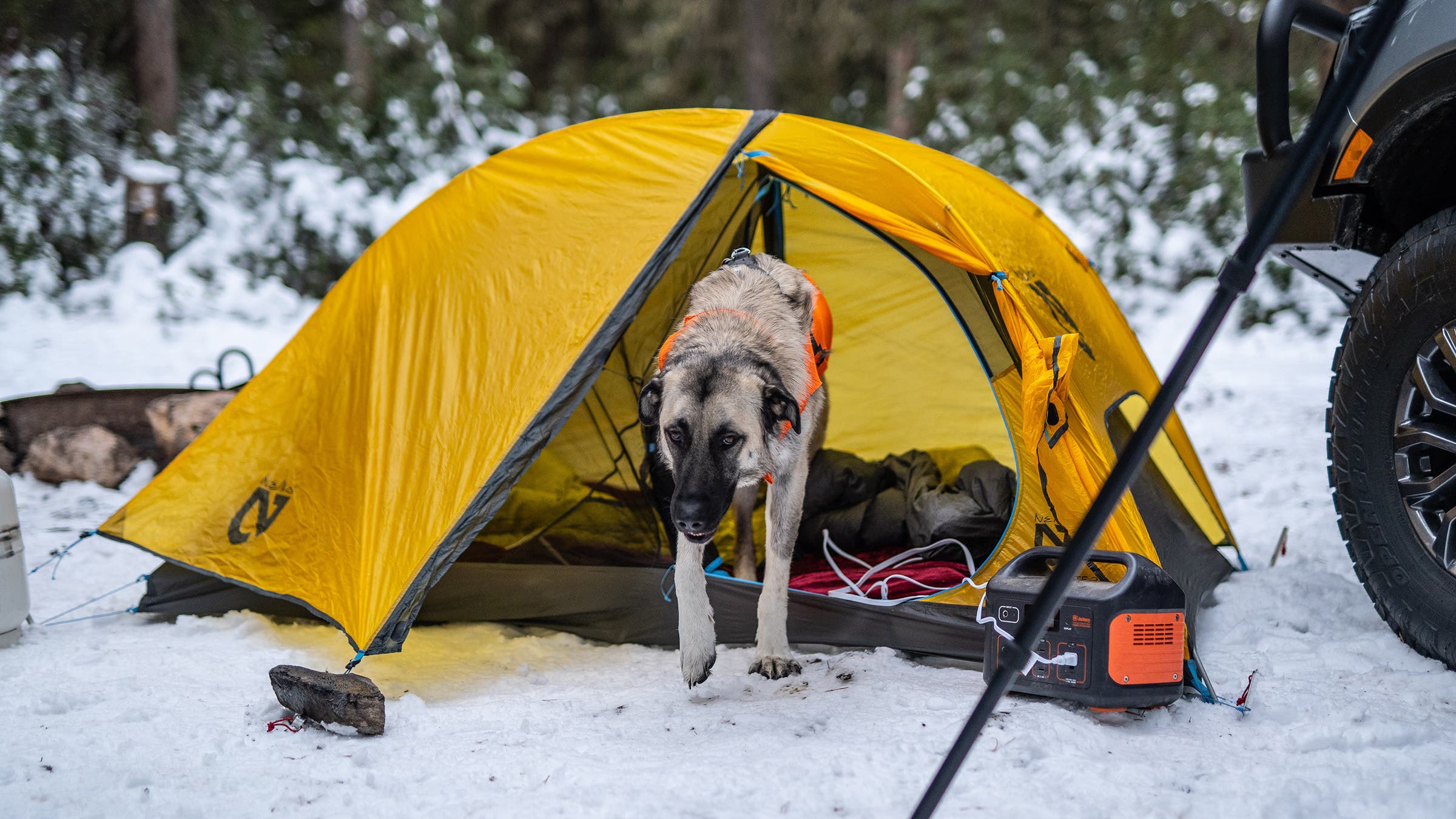
Credit: www.outsideonline.com
Risks Of Using Propane Heaters In Tents
Using propane heaters in tents can bring warmth during cold nights. Still, it is important to know the risks involved. These heaters can cause serious dangers if not used properly.
This article explains key risks like carbon monoxide poisoning, fire hazards, and ventilation challenges. Knowing these risks helps you stay safe while camping.
Carbon Monoxide Poisoning
Propane heaters produce carbon monoxide, a gas you cannot see or smell. It is very dangerous because it stops your blood from carrying oxygen. This can cause headaches, dizziness, or even death.
- Do not use propane heaters in small, closed tents.
- Always keep a window or door slightly open for fresh air.
- Use a carbon monoxide detector if possible.
- Turn off the heater before sleeping.
Fire Hazards
Propane heaters have open flames or hot surfaces that can start fires. Tents and camping gear are often made of flammable materials. This risk increases if the heater tips over or is placed too close to fabric.
| Fire Hazard | How to Prevent |
| Heater tipping over | Place heater on flat, stable surface |
| Contact with tent walls | Keep heater away from walls and gear |
| Fuel leaks | Check propane connections before use |
| Unattended heater | Never leave heater on when not awake |
Ventilation Challenges
Tents are small and often sealed to keep warm. This makes ventilation difficult. Poor ventilation leads to low oxygen levels and buildup of harmful gases.
To improve ventilation:
- Open tent flaps or windows slightly.
- Use tents with built-in vents.
- Avoid using heaters in very small tents.
Credit: bexcodeservices.com
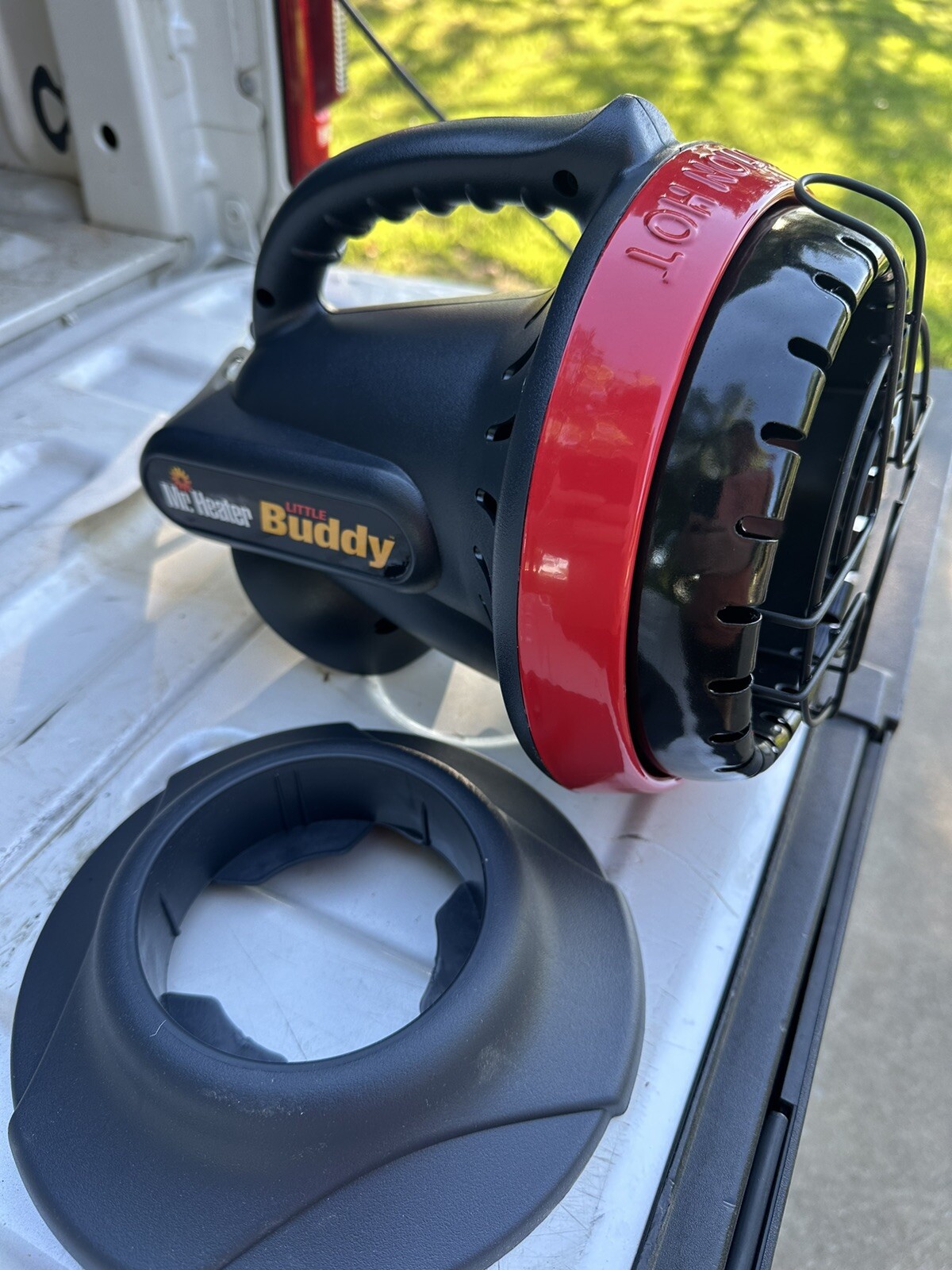
Choosing The Right Propane Heater
Using a propane heater in a tent needs careful choice. Picking the right heater helps keep you warm and safe.
This guide covers certified models, heater size, and safety features to help you decide.
Certified Models
Choose propane heaters that have safety certifications. Look for labels from recognized testing groups. Certified heaters meet safety standards for indoor use.
These models usually include features that reduce risks like carbon monoxide buildup and fire hazards.
Size And Heat Output
Pick a heater with the right size and heat output for your tent. Too small means not enough warmth. Too large wastes fuel and can be unsafe.
| Heater Size | Ideal Tent Size | Heat Output (BTU) |
| Small | Up to 100 sq ft | 3,000 – 5,000 |
| Medium | 100 – 200 sq ft | 5,000 – 9,000 |
| Large | 200 – 400 sq ft | 9,000 – 15,000 |
Safety Features To Look For
- Automatic shut-off if the heater tips over
- Oxygen depletion sensor to stop gas flow in low air
- Cool-to-touch surfaces to prevent burns
- Stable base to avoid falling
- Clear instructions for safe use inside tents
Safe Placement And Setup
Using propane heaters in a tent requires careful setup to avoid danger. Placing and setting up the heater properly keeps you safe.
Follow key rules for distance, surface, and nearby materials. These steps reduce fire and injury risks.
Proper Distance From Tent Walls
Keep the propane heater at least three feet away from tent walls. This distance stops heat from damaging the fabric or causing fires.
- Do not place heater near tent entrances or windows.
- Avoid tight corners to allow good air flow.
- Check space around the heater often during use.
Stable Surface Requirements
Always place the heater on a flat, stable surface. This prevents tipping and accidental contact with flammable objects.
| Surface Type | Safe to Use Heater |
| Flat ground | Yes |
| Uneven rocks | No |
| Soft soil | Only if firm |
| Wooden platform | Yes, if heat resistant |
Avoiding Flammable Materials
Remove all flammable items near the heater. This includes clothes, papers, and fuel containers.
Keep these materials at least 5 feet away:
- Sleeping bags and blankets
- Plastic containers and bags
- Fuel canisters and sprays
- Dry leaves and twigs
Ventilation Best Practices
Using propane heaters in a tent can be risky without proper ventilation. Good airflow is key to safety and comfort.
This guide explains how to keep fresh air flowing and avoid dangerous gas buildup inside your tent.
Ensuring Fresh Air Flow
Always open tent flaps or windows to let fresh air in. This helps remove carbon monoxide and other gases.
Keep vents clear and avoid sealing the tent completely. Good air flow reduces the risk of harmful gas buildup.
- Open at least two opposite vents or windows
- Do not block air inlets with gear or furniture
- Use a fan if possible to improve air circulation
Using Carbon Monoxide Detectors
Carbon monoxide (CO) is a colorless, odorless gas from propane heaters. A detector warns you if CO levels rise.
Place a battery-powered CO detector inside the tent near the heater. Check the batteries before every trip.
- Choose a CO detector certified for camping use
- Test the detector regularly to ensure it works
- Replace detectors every 5-7 years as recommended
Signs Of Poor Ventilation
Watch for headaches, dizziness, or nausea. These can be signs of carbon monoxide poisoning.
Condensation inside the tent or a smoky smell also shows ventilation problems. Act immediately if you notice these signs.
- Difficulty breathing or feeling tired
- Condensation on tent walls or ceiling
- Unusual odors or smoky air
- Heater flame looks yellow or flickers
Operational Safety Tips
Using propane heaters in a tent requires careful attention to safety. These heaters can keep you warm but may cause risks if not handled properly.
Follow simple safety steps to reduce dangers like fire or carbon monoxide poisoning. Always stay alert while using propane heaters.
Monitoring Heater While In Use
Never leave a propane heater unattended in your tent. Keep an eye on the heater to catch any issues early.
- Watch for unusual smells or sounds
- Check for proper ventilation
- Keep flammable materials away
- Ensure the heater is stable and not tipping
Turning Off When Sleeping
Always turn off the propane heater before going to sleep. Leaving it on increases the risk of fire and carbon monoxide buildup.
If you need heat at night, use safe alternatives like battery-powered heaters or extra blankets.
Regular Maintenance And Inspections
Keep your propane heater in good shape. Regular checks help prevent leaks and malfunctions.
| Maintenance Task | Frequency |
| Inspect hose and connections | Before each use |
| Clean heater parts | Monthly during season |
| Check for rust or damage | Every 3 months |
| Test safety shut-off valve | Before each season |
Emergency Preparedness
Using propane heaters in a tent can be risky if you are not prepared. It is important to plan for emergencies before you start heating.
This guide covers key safety steps to help you stay safe with propane heaters in tents.
Fire Extinguisher Availability
Always keep a fire extinguisher nearby when using propane heaters in a tent. It helps control fires quickly.
- Choose an extinguisher rated for flammable gas and electrical fires.
- Place it close to the heater but not too close to catch fire itself.
- Check the extinguisher pressure before each use.
- Teach everyone how to use it properly.
First Aid For Carbon Monoxide Exposure
Propane heaters can produce carbon monoxide, a harmful gas without smell or color. Knowing first aid can save lives.
| Symptom | Action |
| Headache or dizziness | Move to fresh air immediately |
| Nausea or vomiting | Call emergency services and get medical help |
| Confusion or weakness | Lay the person down and keep them warm |
| Unconsciousness | Start CPR if trained, call for help fast |
Evacuation Plan
Have a clear evacuation plan in case a fire or carbon monoxide leak happens. Practice the plan with everyone.
- Know all exits from your tent and campsite.
- Keep pathways clear for quick escape.
- Assign roles to each person (who grabs the extinguisher or calls for help).
- Decide on a safe meeting spot away from the tent.
- Check that everyone is accounted for after evacuation.
Credit: www.advnture.com
Frequently Asked Questions
Is It Safe To Use Propane Heaters In Tents?
Yes, propane heaters can be safe in tents with proper precautions. Ensure adequate ventilation to prevent carbon monoxide build-up. Use heaters with safety features like auto shut-off. Always follow manufacturer instructions and never leave a heater unattended. Safety is paramount when using propane heaters in enclosed spaces.
What Precautions Should I Take When Using A Propane Heater?
Ensure proper ventilation inside the tent to avoid carbon monoxide poisoning. Choose a heater with safety features, like tip-over protection. Place the heater on a stable surface, away from flammable materials. Keep a carbon monoxide detector in the tent. Always follow the manufacturer’s guidelines for safe use.
Can Propane Heaters Cause Carbon Monoxide Poisoning?
Yes, improper use of propane heaters can lead to carbon monoxide poisoning. Ensure proper ventilation to avoid this risk. Carbon monoxide is odorless and dangerous, so use a detector. Always adhere to safety guidelines and never use the heater while sleeping.
Safety measures significantly reduce the risk.
How Do I Ventilate My Tent When Using A Propane Heater?
Open tent vents or doors to allow fresh air circulation. Avoid completely sealing the tent to prevent carbon monoxide build-up. Use a battery-powered fan for additional airflow if needed. Proper ventilation is crucial for safety when using propane heaters. Follow these steps to ensure a safer environment.
Conclusion
Propane heaters can warm your tent safely with the right steps. Always keep vents open for fresh air and watch for signs of trouble. Place the heater on a flat, stable surface away from flammable materials. Never leave the heater on while sleeping or unattended.
Taking these simple precautions helps avoid risks like carbon monoxide or fire. Stay alert and prepared to enjoy warm, safe camping nights. Safety matters most when using propane heaters inside tents.