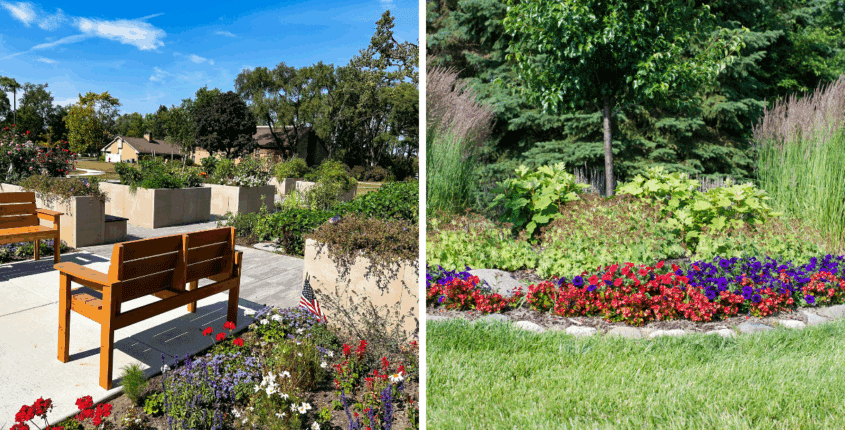
Are you wondering whether raised garden beds are really better than planting directly in the ground? You’re not alone.
Choosing the right gardening method can make a big difference in how well your plants grow and how much effort you need to put in. Imagine having healthier plants, less weeding, and easier access to your garden—all things raised beds promise.
But do they actually deliver? Keep reading to discover the real benefits and possible downsides, so you can decide what’s best for your garden and your lifestyle.
Benefits Of Raised Beds
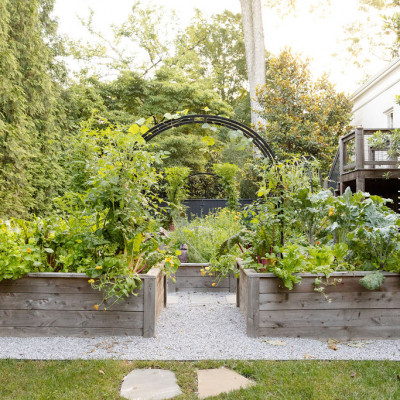
Raised garden beds offer many benefits over planting directly in the ground. They help gardeners grow healthier plants and manage their gardens more easily.
By using raised beds, you can control the soil and growing conditions better. This control leads to better plant growth and higher yields.
Improved Soil Quality
Raised beds let you add fresh, rich soil that suits your plants. You can avoid poor or rocky ground soil problems.
This way, plants get the right nutrients and texture they need. You can also mix compost and organic matter easily.
Better Drainage And Aeration
Raised beds drain water better than ground gardens. This stops water from pooling around plant roots, which can cause rot.
The soil in raised beds also has more air space. Good aeration helps roots grow strong and healthy.
- Prevents waterlogging
- Improves root oxygen supply
- Supports healthy root development
Easier Pest And Weed Control
Raised beds make it simpler to keep pests and weeds away. The contained space is easier to manage and protect.
You can add barriers or covers to stop pests. Also, weeds are less likely to spread quickly in raised beds.
- Better control over pest barriers
- Less weed growth from surrounding soil
- Easier to spot and remove weeds
Extended Growing Season
Raised beds warm up faster in spring than ground soil. This lets you plant earlier and harvest later.
The soil stays warmer longer in fall. This extends the time plants can grow in your garden.
- Warmer soil in early spring
- Longer frost-free period
- More time for growing crops
Credit: www.gardenary.com
Advantages Of Ground Gardening
Gardening in the ground has been around for a long time. Many people still prefer it over raised beds. This type of gardening uses the natural soil and space in your yard. It can be easier and cheaper to start.
Here are some advantages of ground gardening to think about. They show why ground gardening can be a good choice for many gardeners.
Natural Soil Ecosystem
Growing plants in the ground means you use natural soil. This soil has many tiny living things like earthworms and microbes. They help break down dead plants and add nutrients back to the soil.
The natural soil ecosystem supports healthy plant growth. It keeps the soil loose and full of life. This helps plants get water and nutrients easily.
Lower Initial Costs
Starting a garden in the ground usually costs less than building raised beds. You do not need to buy wood, soil, or tools to build a bed. You can plant directly in the earth.
This can save money especially if you want a large garden. You only need seeds and some basic tools like a shovel or rake.
Larger Growing Space
Gardening in the ground gives you more space to grow plants. You are not limited by the size of a raised bed. You can use a whole yard or field if you want.
This larger space lets you plant more crops or bigger plants. It is good for people who want to grow food for many people or sell plants.
Less Maintenance Required
Ground gardens usually need less work to keep them healthy. You do not have to build or fix beds each year. The soil stays in place and does not dry out as fast as raised beds.
This means less watering and less fixing of soil. You can spend more time planting and harvesting your crops.
Soil Preparation And Amendments
Good soil is the key to a healthy garden. Preparing the soil well helps plants grow strong roots. This is true for both raised garden beds and ground gardens.
Amending soil means adding materials to improve its quality. This includes adding nutrients, improving drainage, and balancing pH levels.
Choosing The Right Soil Mix
Raised beds need a special soil mix. It should be light, drain well, and hold nutrients. A good mix has equal parts of compost, peat moss, and vermiculite or perlite.
- Compost adds nutrients and improves soil texture.
- Peat moss helps keep soil moist.
- Vermiculite or perlite improves air flow and drainage.
- Avoid using only garden soil; it may be heavy and compacted.
Composting And Fertilizing Tips
Compost is a natural way to feed plants. Use compost to enrich the soil before planting. You can also add it during the growing season to boost nutrients.
| Type | Use | Frequency |
| Compost | Soil amendment | Before planting and monthly |
| Organic fertilizer | Extra nutrients | Every 4-6 weeks |
| Mulch | Moisture retention | Apply as needed |
Managing Soil Ph
Soil pH affects how plants absorb nutrients. Most vegetables like a pH between 6.0 and 7.0. Test soil pH before planting to know if you need to adjust it.
To raise soil pH (make it less acidic):
- Add lime
- Use wood ash in small amounts
To lower soil pH (make it more acidic):
- Add sulfur
- Use pine needles or peat moss

Credit: www.youtube.com
Plant Growth And Yield Differences
Raised garden beds and ground planting are popular methods for growing plants. Each method impacts plant growth and yield in different ways. Understanding these differences helps gardeners choose the best option.
This article covers root development, water use, and crop productivity in raised beds versus ground planting.
Root Development Comparison
Plants in raised beds often have better root growth. The soil is loose and well-drained, allowing roots to spread easily. Ground soil can be compacted, limiting root expansion.
Raised beds also warm up faster in spring. This encourages early root activity and growth.
Water Retention And Usage
Water behaves differently in raised beds compared to the ground. Raised beds drain well but may need more frequent watering. Ground soil holds water longer but can become waterlogged.
- Raised beds dry out faster
- Ground soil retains moisture better
- Raised beds reduce water waste by targeted watering
- Ground planting may suffer from uneven water distribution
Crop Productivity Insights
| Factor | Raised Beds | Ground Planting |
| Yield per square foot | Higher | Moderate |
| Plant health | Better due to soil control | Varies with soil quality |
| Harvest time | Earlier | Normal |
| Soil nutrient control | Easy to manage | Harder to adjust |
Cost And Labor Considerations
Choosing between raised garden beds and ground planting depends on costs and effort. Both have different demands for money and work.
Understanding these factors helps gardeners decide what fits their budget and time best.
Initial Setup Expenses
Raised beds usually cost more to start. You pay for wood, soil, and tools. Ground gardens need less material but may need soil improvement.
| Expense Type | Raised Garden Beds | Ground Gardens |
| Materials | Wood or metal frames, quality soil | Soil amendments, compost |
| Tools | Basic gardening tools, saws | Basic gardening tools |
| Labor | Building bed frames, filling soil | Clearing and preparing soil |
Ongoing Maintenance Efforts
Raised beds can reduce weeding and soil compaction. Ground gardens may need more weeding and tilling. Both require watering and feeding plants.
- Raised beds drain well and need less watering
- Ground gardens may need extra soil care
- Weeding is easier in raised beds
- Both need regular fertilizing
Long-term Investment Value
Raised beds last many years if built well. They improve soil quality over time. Ground gardens rely on natural soil health and may need more fixes.
| Factor | Raised Garden Beds | Ground Gardens |
| Soil Quality | Improves steadily | Depends on natural soil |
| Durability | Frames last 5-10 years | No frame, no extra durability |
| Labor Over Time | Less weeding and tilling | More soil work needed |

Credit: www.reddit.com
Environmental Impact
Raised garden beds and ground planting affect the environment differently. Understanding these effects helps gardeners make smart choices.
Both methods use resources and change soil in unique ways. This section looks at their impact on nature.
Resource Use Efficiency
Raised beds use water more efficiently than ground gardens. The soil stays moist longer, reducing water waste.
They also need less space and fertilizer. This saves resources and lowers environmental strain.
- Better water retention
- Less fertilizer needed
- Compact space use
Soil Health And Erosion
Raised beds protect soil from erosion because they keep soil in place. Ground gardens can lose soil during heavy rain.
They allow gardeners to add healthy soil and compost. This improves plant growth and soil quality over time.
- Prevents soil loss
- Improves soil nutrients
- Supports strong plant roots
Sustainability Factors
Raised beds often use recycled materials, which reduces waste. Ground gardening usually disturbs natural soil and habitats.
Both methods can be sustainable with good care. Raised beds offer more control over soil and water use.
- Use of recycled building materials
- Less soil disturbance
- Better control over water use
Choosing The Right Option For You
Raised garden beds and ground planting both have good points. Your choice depends on your needs and space.
Think about your garden size, goals, and weather. These factors help you decide the best option.
Assessing Space And Location
Look at how much space you have for gardening. Raised beds work well in small or limited areas.
Ground planting needs more open space but can fit larger gardens. Check sunlight and soil quality where you plan to grow.
- Raised beds save space and improve soil drainage
- Ground gardens need good soil and room to spread
- Choose spots with enough sunlight for your plants
Personal Gardening Goals
Your gardening goals affect the best choice for you. Raised beds offer easier control over soil and weeds.
Ground gardens allow more natural growth but need more care. Think about how much time and effort you can give.
- Raised beds are good for growing vegetables and herbs
- Ground gardens suit flowers and larger plants
- Choose based on how much work you want to do
Climate And Weather Factors
Climate affects plant growth and garden health. Raised beds warm up faster in spring and drain well after rain.
Ground gardens hold moisture longer but can flood in heavy rain. Know your local weather to pick the right option.
- Raised beds help in cold or wet climates
- Ground gardens work well in stable, mild weather
- Consider rain, heat, and frost in your area
Frequently Asked Questions
Why Choose Raised Garden Beds Over Ground Gardens?
Raised garden beds offer better drainage and soil control. They reduce weed growth and minimize pest access. Elevated soil warms faster in spring, extending the growing season. This method is ideal for those with limited space or poor native soil.
Do Raised Beds Improve Soil Quality?
Yes, raised beds enhance soil quality by allowing you to customize the soil mix. This leads to healthier plants and better yields. You can avoid compacted soil and improve aeration. Consistent soil quality is easier to maintain in raised beds.
Are Raised Beds Easier To Maintain?
Raised beds are easier to maintain because they require less bending and kneeling. This reduces physical strain. They also have fewer weeds and pests, decreasing maintenance time. The confined space makes managing plants more straightforward.
Do Raised Beds Offer Better Plant Growth?
Raised beds promote better plant growth due to improved soil conditions and drainage. The controlled environment ensures optimal nutrients and aeration. This leads to healthier plants and increased productivity. Plants in raised beds often experience less stress.
Conclusion
Raised garden beds offer better soil control and drainage. They reduce weeds and pests more easily than ground gardens. You can garden in small spaces with raised beds. Ground gardens work well if you have good soil. Both options have benefits depending on your needs.
Choose what fits your space, time, and budget best. Start small and see which method you enjoy more. Gardening should be simple and fun for everyone. Try raised beds or ground gardening to grow your own food.