Have you ever opened your refrigerator and noticed the light didn’t turn on? It’s frustrating, right?
You might think any regular light bulb will do, but is that really true? Understanding whether refrigerator light bulbs are different can save you time, money, and hassle. If you want to keep your fridge running smoothly and avoid unexpected trips to the store, you need to know what makes these bulbs special.
Keep reading to discover the surprising facts about refrigerator light bulbs and how to choose the right one for your home.
Types Of Refrigerator Bulbs
Understanding the types of refrigerator bulbs can save you time and prevent frustration when it’s time to replace them. Not all bulbs fit perfectly or work efficiently in your fridge. Knowing the differences helps you pick the right one that brightens your fridge without overheating or wasting energy.
Incandescent Vs Led
Incandescent bulbs are the traditional choice. They give off a warm light but use more energy and generate heat, which can affect your fridge’s temperature.
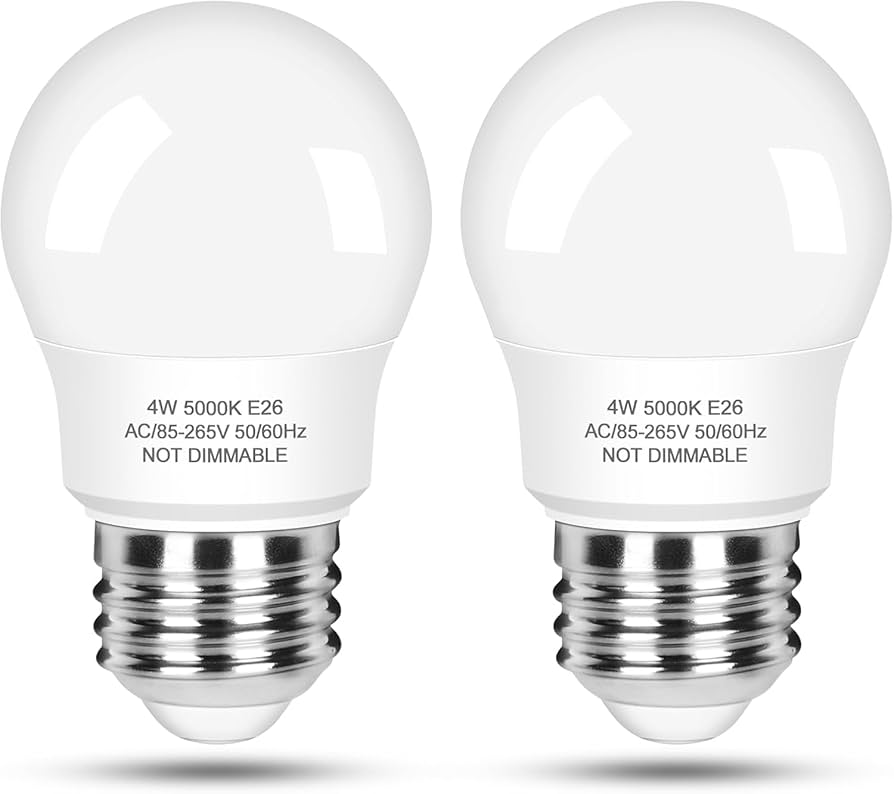
LED bulbs, on the other hand, are energy-efficient and stay cool. They last longer and use less power, which can lower your electricity bill. Have you noticed how your fridge light stays bright without heating up? That’s the LED advantage.
Common Sizes And Shapes
Refrigerator bulbs usually come in small sizes like T8 or T10 tubular shapes, and standard screw-in bases like E14 or E17. These sizes fit most fridge light sockets but can vary depending on the brand.
Some bulbs are dome-shaped or have a flat top to distribute light evenly inside the fridge. Always check your fridge manual or the old bulb for size details before buying a replacement.
- T8 Bulbs:Thin tubular shape, common in older models.
- T10 Bulbs:Slightly larger tubular shape, fits many modern fridges.
- E14 and E17 Bases:Screw-in types, often used in compact fridge lights.

Credit: www.amazon.com
Why Refrigerator Bulbs Differ
Refrigerator light bulbs are not the same as regular bulbs. They need special features to work well inside a fridge. These bulbs handle cold temperatures, save energy, and keep the fridge safe. Understanding why these bulbs differ helps you pick the right one for your appliance.
Temperature Resistance
Fridges are very cold places. Normal bulbs can break or stop working in low temperatures. Refrigerator bulbs are made to resist freezing cold. They use materials that do not crack or fail when chilled. This keeps the light working all the time inside the fridge.
Energy Efficiency
Fridge bulbs stay on for a long time. Using bulbs that save energy lowers electricity bills. Refrigerator bulbs use less power but give enough light. This helps keep your fridge cool and bright without wasting energy. Energy-efficient bulbs also last longer, reducing replacements.
Safety Features
Safety is important inside a fridge. Refrigerator bulbs are designed to avoid shocks and fire risks. They often have shatterproof glass to prevent broken pieces from falling on food. These bulbs meet strict safety rules to protect both the fridge and users.
Signs Your Refrigerator Bulb Needs Replacement
Noticing problems with your refrigerator light can be more than just a minor annoyance. It often signals that the bulb needs replacement, which is crucial for maintaining clear visibility inside your fridge. Ignoring these signs can lead to wasted food or make it harder to find what you need.
Flickering Or Dim Light
If your refrigerator light flickers or appears dimmer than usual, it’s a strong indicator that the bulb is wearing out. Sometimes, a loose connection causes flickering, but often it’s the bulb’s lifespan coming to an end. Have you ever opened your fridge and had to squint just to see? That’s a clear sign the light needs attention.
Burned Out Bulb
The most obvious sign is when the light stops turning on altogether. This happens when the bulb burns out and can’t produce any light. Before replacing it, double-check the door switch and power supply to be sure the bulb is the issue.
Discoloration Inside The Fridge
Discoloration or dark spots near the bulb area inside your refrigerator might indicate overheating or a failing bulb. This can affect the fridge’s interior and potentially spoil the food faster. Have you noticed any unusual shadows or colors inside your fridge? That’s a hint it’s time to check the light bulb.
Choosing The Right Replacement Bulb
Choosing the right replacement bulb for your refrigerator is crucial to keep it functioning properly and to maintain good visibility inside. Using the wrong bulb can cause electrical issues or even damage the appliance. Understanding what to look for ensures you get a bulb that fits perfectly and lasts longer.
Checking Manufacturer Specifications
Start by checking your refrigerator’s manual or the label inside the appliance. Manufacturers usually specify the exact type of bulb needed, including size and shape.
Ignoring these details can lead to buying bulbs that don’t fit or work well. Have you ever tried to force a bulb into a socket only to find it doesn’t turn on? That’s a clear sign you need to double-check those specs.
Wattage And Voltage Considerations
Refrigerator bulbs are designed to operate at specific wattages and voltages. Using a bulb with higher wattage than recommended may cause overheating and damage.
Always match the wattage and voltage exactly to avoid electrical issues. It’s better to be cautious here—your refrigerator’s wiring isn’t built for general-purpose bulbs.
Led Upgrades
LED bulbs have become popular as replacements because they use less energy and last longer. Many refrigerators can support LED bulbs, but it’s important to check compatibility first.
Switching to LED can improve brightness and reduce heat inside the fridge. Are you ready to save on electricity bills while getting a clearer view of your leftovers?
Installation Tips For Refrigerator Bulbs
Installing a new bulb in your refrigerator is simple but requires care. Using the right bulb ensures proper lighting and safety. Follow these tips for a smooth replacement.
Safety Precautions
- Unplug the refrigerator before starting any work.
- Use a dry cloth to handle the bulb to avoid oil on the glass.
- Wear gloves to protect your hands from sharp edges.
- Do not force the bulb into the socket to prevent damage.
- Check the bulb’s wattage to match the refrigerator’s requirements.
Step-by-step Replacement Guide
- Open the refrigerator door and locate the light cover.
- Remove the cover by gently pulling or unscrewing it.
- Carefully remove the old bulb by turning it counterclockwise.
- Insert the new bulb into the socket and turn clockwise to secure.
- Replace the light cover back in its place.
- Close the refrigerator door.
Testing The New Bulb
- Plug the refrigerator back into the power outlet.
- Open the door to see if the light turns on immediately.
- If the bulb does not light, check the connection and bulb type.
- Replace with the correct bulb if necessary.
- Ensure the light stays on as long as the door remains open.

Credit: www.amazon.ca
Common Myths About Refrigerator Lights
Many people have questions about refrigerator lights. Some believe these lights can change how fresh food stays. Others worry about energy use or damage to food. Let’s explore some common myths about refrigerator lights. Clearing up these myths helps you understand how these bulbs really work.
Do They Affect Food Freshness?
Some think refrigerator lights make food spoil faster. The truth is, these bulbs give off very little heat. They stay cool enough not to harm your food. The light itself does not change the food’s freshness. Food spoils due to temperature and humidity, not light inside the fridge.
Leaving The Light On Overnight
People often wonder if leaving the fridge light on is bad. The fridge light only works when the door is open. If the door stays open long, the fridge works harder to stay cold. This wastes energy and can raise the temperature. But the light staying on alone does not cause harm if the door is closed.

Credit: www.amazon.ca
Frequently Asked Questions
Are Refrigerator Light Bulbs Different From Regular Bulbs?
Yes, refrigerator bulbs are specially designed to withstand cold temperatures and moisture. They often have a lower wattage and a specific base size to fit inside refrigerators.
Can I Use Led Bulbs In My Refrigerator?
Yes, LED bulbs are energy-efficient and emit less heat, making them ideal for refrigerators. Ensure the LED bulb is compatible with your fridge’s socket and size.
How Do I Know If A Bulb Fits My Refrigerator?
Check your refrigerator manual or existing bulb for size, wattage, and base type. Most fridge bulbs are smaller and may use candelabra or appliance-specific bases.
Why Do Refrigerator Bulbs Burn Out Quickly?
Frequent opening and closing cause temperature changes that stress the bulb. Using the correct bulb type and wattage helps prolong its life.
Conclusion
Refrigerator light bulbs serve a specific purpose. They withstand cold temperatures and vibrations. This makes them different from regular bulbs. Choosing the right bulb ensures your fridge stays lit. Always check the bulb type before replacing it. This prevents any compatibility issues.
A well-lit fridge helps in food organization. It also aids in finding items quickly. Save time and reduce frustration with the right bulb. Regular checks ensure your fridge stays bright and efficient. Remember, a simple bulb can make a big difference.
Brighten up your fridge with the right light.