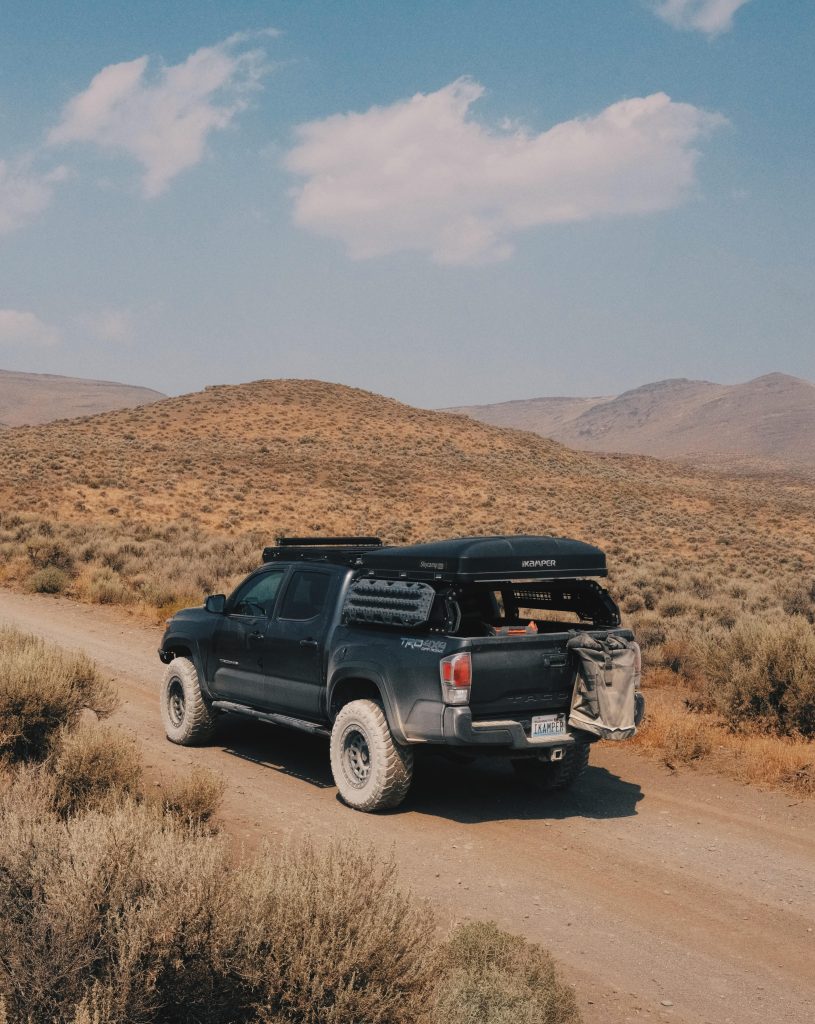
Are rooftop tents really worth it? If you love camping but hate the hassle of setting up a traditional tent, this question might be on your mind.
Imagine having a cozy, elevated sleeping spot ready in minutes, keeping you off the cold, wet ground. Sounds great, right? But is it the right choice for you and your adventures? You’ll discover the real benefits and potential downsides of rooftop tents.
By the end, you’ll know exactly if this camping upgrade fits your style and needs. Keep reading to find out!
Benefits Of Rooftop Tents
Rooftop tents offer a new way to camp. They attach to the top of your car or truck. This keeps you off the ground and away from bugs.
Many campers find rooftop tents easy and comfortable. They save space and add safety. Let’s look at the main benefits.
Enhanced Comfort And Convenience
Rooftop tents provide a flat and soft sleeping surface. They have built-in mattresses that are often thicker than regular camping pads. This makes sleep more restful.
- Stay dry even if the ground is wet
- Good ventilation with mesh windows
- Keep pets and insects away
- Easy access with ladders
Quick Setup And Breakdown
Setting up a rooftop tent takes only a few minutes. No need to find flat ground or clear rocks. Folding the tent back is just as fast.
| Task | Time Needed |
| Setup | 5 to 10 minutes |
| Breakdown | 5 to 10 minutes |
| Packing Gear | Less space needed |
Safety And Security Advantages
Being elevated keeps you safer from animals and insects. It also offers better protection from flooding or mud. Rooftop tents often have lockable zippers for extra security.
Improved Camping Experience
Rooftop tents let you camp anywhere your vehicle can go. You can wake up with a view from above. They add a fun and unique touch to camping trips.
- Better views and fresh air
- Less gear to carry inside the tent
- Easy to move camp without packing full tent

Credit: www.reddit.com
Types Of Rooftop Tents
Rooftop tents come in various styles. They offer unique benefits for campers.
Understanding the differences helps in making the right choice for adventures.
Hard Shell Vs Soft Shell
Hard shell tents are durable and easy to set up. Soft shell tents are lighter and often more affordable.
| Feature | Hard Shell | Soft Shell |
| Setup Time | Quick | Moderate |
| Weight | Heavy | Light |
| Cost | High | Lower |
Size And Capacity Options
Rooftop tents vary in size. Some are compact, others are spacious.
- Small tents fit two people.
- Medium tents suit small families.
- Large tents accommodate more than four campers.
Material And Durability Differences
Materials affect the tent’s lifespan. Strong fabrics resist harsh weather.
Installation And Compatibility
Rooftop tents add convenience to outdoor trips. Installing them correctly is important for safety.
Knowing if your vehicle fits the tent makes the process easier. Compatibility affects how well the tent works.
Vehicle Requirements
Your vehicle must have strong roof racks to hold a rooftop tent. Not all cars can support the weight.
Check the roof rack’s weight limit before buying a tent. Some vehicles need extra support or special racks.
- SUVs, trucks, and some crossovers often fit rooftop tents well
- Small cars may lack proper roof rack strength
- Roof material and shape affect tent mounting options
Mounting Systems Explained
Rooftop tents attach to roof racks using different mounting systems. These keep the tent secure while driving.
Common mounts include U-bolts, clamps, and brackets. Each fits different rack designs and tent types.
- U-bolts:Wrap around roof rack bars for a tight hold
- Clamps:Grip racks without drilling or tools
- Brackets:Fixed mounts that may need custom fitting
Weight Considerations
Weight is a key factor for rooftop tents. Your roof rack and vehicle must support the combined load.
Consider both the tent’s weight and the people inside it. Overloading can cause damage or unsafe driving.
- Check the maximum load on your roof rack
- Include the tent, mattress, and occupants in weight calculations
- Follow vehicle manufacturer guidelines for roof weight limits

Credit: www.caranddriver.com
Cost And Value Analysis
Rooftop tents offer a unique camping experience by mounting on your vehicle. They cost more than traditional tents but bring added convenience.
This analysis looks at the price, long-term benefits, and how they compare to regular tents.
Price Range Overview
Rooftop tents usually cost between $1,000 and $3,000. The price varies by size, material, and brand.
- Entry-level models start around $1,000
- Mid-range tents cost about $1,500 to $2,200
- High-end tents can reach $3,000 or more
Long-term Investment Benefits
Rooftop tents offer durability and ease of use. They protect from ground moisture and animals.
- Last longer due to sturdy materials
- Save time on setup and takedown
- Increase comfort with better ventilation
- Boost vehicle resale value in some cases
Comparing With Traditional Tents
| Feature | Rooftop Tent | Traditional Tent |
|---|---|---|
| Cost | High ($1,000–$3,000) | Low ($50–$500) |
| Setup Time | Fast (5–10 minutes) | Slow (15–30 minutes) |
| Comfort | Elevated, dry, ventilated | On ground, variable |
| Portability | Less portable, vehicle needed | Highly portable |
| Durability | High, weather-resistant | Varies, often less durable |
Maintenance And Care Tips
Rooftop tents need regular care to last long and work well. Taking simple steps helps keep the tent clean and safe.
This guide shares easy ways to clean, store, and fix your rooftop tent. Proper care saves money and avoids damage.
Cleaning Guidelines
Keep your rooftop tent clean to stop mold and dirt buildup. Use mild soap and water to clean the fabric.
Avoid strong chemicals that can harm the tent material. Rinse well and let it dry fully before packing it away.
- Use a soft brush or sponge
- Clean inside and outside of the tent
- Dry in shade to prevent color fading
- Remove dirt after each trip
Storage Recommendations
Store your rooftop tent in a dry place to avoid mold and mildew. Keep it away from direct sunlight when not in use.
Use a protective cover to guard against dust and pests. Make sure the tent is dry before storing to prevent damage.
- Choose a cool, dry storage area
- Keep the tent folded properly
- Use a breathable storage bag
- Check the tent regularly for pests
Repair And Replacement
Fix small tears and broken parts quickly to stop further damage. Use repair patches designed for tent fabric.
Replace worn-out parts like zippers or poles to keep the tent safe and functional. Inspect the tent before each trip.
- Patch holes with waterproof tape or kits
- Lubricate zippers to keep them smooth
- Check the frame and mounts for cracks
- Replace damaged parts promptly
Real User Experiences
Many campers share their thoughts about rooftop tents. These tents sit on top of vehicles and offer a new way to camp. Users talk about both good and hard parts of using them.
We look at what people praise, what challenges they face, and tips they give for others. Real stories help understand if rooftop tents are worth it.
Common Praise And Advantages
Users say rooftop tents make camping easier and more fun. They like the comfort and safety these tents offer. Many feel they save time when setting up camp.
- Quick to set up and pack away
- Keep campers off the ground and away from bugs
- Provide better views from above
- Offer good protection from rain and uneven terrain
- Free up space inside the vehicle
Typical Challenges And Drawbacks
Some users find rooftop tents hard to use in certain situations. The weight on the vehicle roof can affect driving. Setting up on windy days can be tricky.
| Challenge | Details |
| Vehicle Handling | Heavier load affects gas mileage and stability |
| Setup Difficulty | Can be tough in strong wind or rain |
| Height Access | Climbing up and down can be hard for some |
| Storage Space | Roof rack and tent take space when not in use |
| Price | Can be expensive compared to ground tents |
Tips From Experienced Campers
Experienced users share advice to help others enjoy rooftop tents. They suggest ways to avoid common problems and get the most out of camping.
- Practice setting up the tent before the trip
- Use a sturdy ladder and check it each time
- Secure the tent well to avoid wind damage
- Pack light to avoid overloading the roof
- Choose a tent that fits your vehicle and needs
Alternatives To Rooftop Tents
Rooftop tents are popular for camping but not the only choice. Many people look for other ways to camp comfortably.
Here are some alternatives that offer different experiences and benefits for outdoor lovers.
Ground Tents
Ground tents are the classic camping option. They set up on the ground and come in many sizes and styles.
They are usually lighter and cheaper than rooftop tents. You can find tents for solo campers to families.
- Easy to find and buy in stores or online
- Many designs for different weather conditions
- Require a flat and dry camping spot
- Need a sleeping pad or air mattress for comfort
Pop-up Camper Options
Pop-up campers are small trailers that fold down for travel and open up at camp. They provide more shelter than tents.
These campers have beds, some have kitchens, and they keep you off the ground. They are easier to set up than tents.
- Protects from bad weather and bugs
- Offers more storage space
- Requires a vehicle to tow
- Higher cost than tents
Hammock Camping
Hammock camping uses a strong hammock tied between two trees. It keeps you off the ground and comfortable.
Hammocks are lightweight and pack small. You need trees or sturdy posts to hang them. Some come with rain flies for protection.
- Very portable and quick to set up
- Good for warm weather camping
- Needs proper gear for cold or rain
- Not suitable where trees are scarce
Maximizing Outdoor Comfort
Rooftop tents help you enjoy nature with ease. They keep you off the ground and away from bugs. Comfort is key for a good outdoor trip.
Using the right gear and planning smart will improve your experience. You can stay warm, dry, and organized. This guide covers what you need to know.
Essential Accessories
Some accessories make rooftop tents more comfortable and safe. They add convenience and protect your gear. Having these items helps you relax outdoors.
- Extra soft sleeping pad or mattress topper
- Portable LED lights for reading and safety
- Windproof tent straps for extra stability
- Waterproof storage bags to keep clothes dry
- Compact camping pillow for better rest
Weather Preparation
Weather can change quickly outside. Prepare your rooftop tent to handle rain, wind, and cold. This preparation keeps you safe and cozy.
| Weather Condition | Preparation Tips |
| Rain | Use waterproof rainfly and seam sealant |
| Wind | Secure tent with extra straps and anchors |
| Cold | Add insulated sleeping bags and thermal blankets |
| Hot | Set up shade and use mesh windows for airflow |
Packing Smart For Trips
Packing light and right helps make your trip easier. Organize your gear so you find what you need fast. This saves time and effort.
- Pack clothing in vacuum bags to save space
- Keep essentials like first aid and tools in a top compartment
- Use color-coded bags for different gear types
- Store food in sealed containers to avoid pests
- Check your list before leaving to avoid forgetting items

Credit: www.reddit.com
Frequently Asked Questions
Are Rooftop Tents Easy To Install On Vehicles?
Yes, rooftop tents are generally easy to install with compatible roof racks. Most models come with clear instructions. Installation typically takes under an hour. Proper mounting ensures safety and stability during travel.
Do Rooftop Tents Provide Good Weather Protection?
Rooftop tents offer excellent protection from rain, wind, and insects. They use durable, waterproof materials and sealed seams. Ventilation panels help prevent condensation. Many models include rainfly covers for extra weather resistance.
How Comfortable Are Rooftop Tents For Sleeping?
Rooftop tents feature built-in mattresses for comfort. They elevate sleepers off the ground, avoiding uneven terrain and insects. Padding thickness varies by model, impacting comfort. Many users find them cozy and convenient for camping.
Can Rooftop Tents Fit On All Vehicle Types?
Rooftop tents fit most SUVs, trucks, and cars with roof racks. However, compatibility depends on vehicle weight limits and rack strength. Always check vehicle specifications before purchasing a rooftop tent. Proper fit ensures safety and performance.
Conclusion
Rooftop tents offer a unique way to enjoy camping. They keep you off the ground and provide quick setup. Space and comfort improve on many trips. Yet, they cost more and add weight to your vehicle. Think about how often you camp and where.
For frequent travelers, rooftop tents can be a smart choice. For occasional campers, simpler options might work better. Weigh the benefits against your needs and budget. This helps you decide if a rooftop tent fits your lifestyle. Adventure awaits, with or without one.