Have you ever grabbed a pair of scissors, only to wonder if they’re really any different from shears? You’re not alone.
Many people use these words like they mean the same thing, but there’s more to it than meets the eye. Understanding the difference can save you time, effort, and even frustration the next time you tackle a cutting task. Stick with me, and by the end of this article, you’ll know exactly when to reach for shears and when scissors are your best bet.
Ready to clear up the confusion? Let’s dive in.

Credit: www.threadsmagazine.com
Shears Vs Scissors
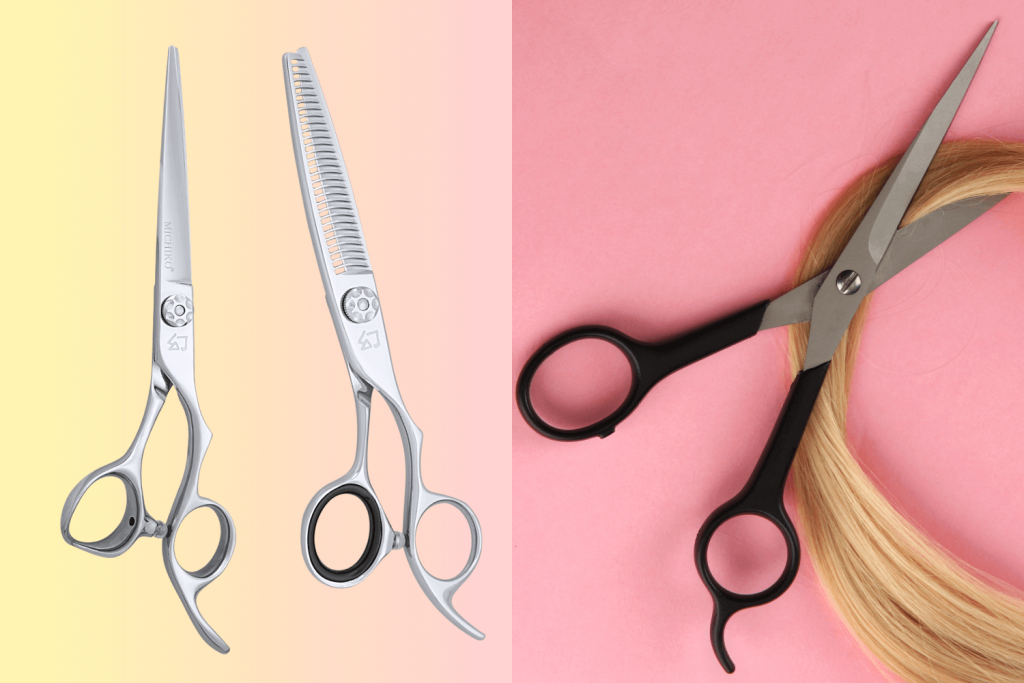
Shears and scissors are tools used for cutting. Many people think they are the same. But they have some key differences.
Knowing the differences helps you choose the right tool for your task. This article explains how shears and scissors differ.
Basic Design Differences
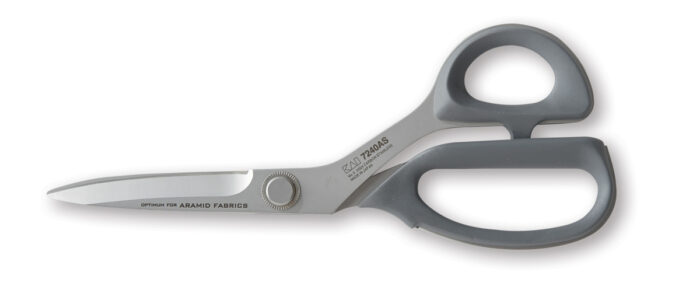
Shears usually have longer handles and bigger blades than scissors. This design gives more power for cutting tough materials.
Scissors have shorter handles and blades. They are made for light cutting tasks like paper or fabric.
Size And Shape Variations
Shears are larger and heavier than scissors. Their shape often includes offset handles for better grip.
Scissors come in many sizes but are smaller overall. Their handles are usually symmetrical and simple.
- Shears: Long blades, large handles, heavier weight
- Scissors: Short blades, small handles, lighter weight
- Shears: Designed for heavy-duty cutting
- Scissors: Made for light and precise cuts
Blade Construction
Shears have strong, thick blades to cut thick materials like leather or metal. The blades may be curved.
Scissors have thinner, sharper blades. They cut thin materials like paper and cloth with precision.
- Shears: Thick, strong blades for tough materials
- Scissors: Thin, sharp blades for delicate tasks
- Shears may have curved blades
- Scissors usually have straight blades
Credit: www.threadsmagazine.com
Common Uses
Shears and scissors look alike but serve different purposes. Both tools cut materials, but their design suits specific tasks. Understanding their common uses helps choose the right tool for a job.
Scissors are usually smaller and good for light cutting. Shears are larger and stronger, made for tougher jobs. Each tool fits certain tasks better.
Everyday Scissors Tasks
Scissors are common in homes and offices. They cut paper, fabric, and light plastic. Many people use scissors daily for simple tasks.
- Cutting paper for crafts or documents
- Trimming loose threads on clothing
- Opening packages and envelopes
- Cutting tape or stickers
- Preparing food by snipping herbs or small vegetables
Specialized Shears Applications
Shears are designed for tougher materials and specific jobs. Their strong blades and bigger handles give more power and control.
| Material | Shear Use | Reason |
| Heavy fabric | Tailoring and upholstery | Strong blades cut thick cloth easily |
| Metal sheets | Crafting and repairs | Designed to handle hard materials safely |
| Garden plants | Pruning and trimming | Long handles provide leverage for thick stems |
| Leather | Leatherworking | Sharp edges cut tough hide smoothly |
Cutting Mechanisms
Shears and scissors might seem similar, but they are not the same. Their cutting mechanisms work differently to achieve specific tasks.
Understanding how they cut can help in choosing the right tool for the job. Let’s explore the mechanics behind these tools.
Lever Action Explained
Lever action is the force used to cut materials. In shears, the longer handle gives more leverage. This means you need less force to cut.
Scissors have shorter handles. They require more force from your hand. This makes them better for light materials like paper.
- Shears: Long handles, better for tough materials
- Scissors: Short handles, better for light materials
Blade Alignment And Movement
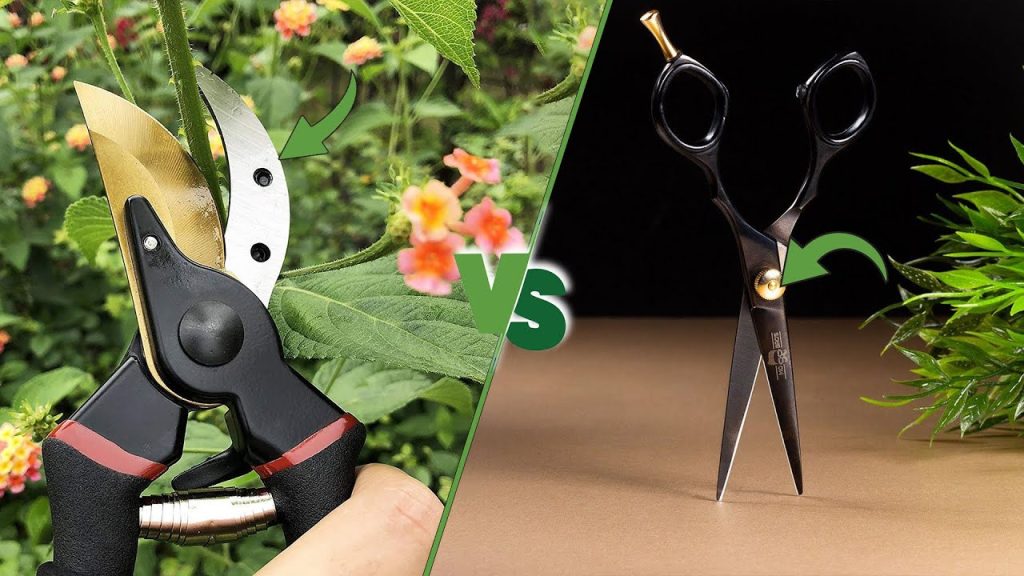
Blade alignment affects how well the tool cuts. Shears have blades that are slightly bent. This helps them cut through thick materials easily.
Scissors have straight blades that move in a precise line. This is useful for accurate cutting, like in crafts or sewing.
| Shears | Bent blades, suitable for thick materials |
| Scissors | Straight blades, suitable for precision cutting |
Credit: leafyease.com
Material Suitability
Shears and scissors are tools used for cutting materials. They look alike but work best on different materials.
Choosing the right tool depends on the material you want to cut. This helps make cutting easier and cleaner.
Cutting Fabric And Paper
Scissors are good for cutting thin materials like paper and light fabric. They give precise and clean cuts.
Shears are better for thicker fabric. They cut through layers without damaging the material.
- Scissors work well on paper and thin cloth
- Shears handle heavy fabric and multiple layers
- Shears help avoid frayed edges on fabric
Handling Tough Materials
Shears have longer blades and stronger handles. This makes them fit for cutting tough materials like leather or plastic.
Scissors are smaller and less strong. They can bend or break if used on thick materials.
- Shears cut thick materials easily
- Scissors are best for light and soft materials
- Using the right tool keeps blades sharp longer
Ergonomic Features
Ergonomics plays an important role in choosing between shears and scissors. Both tools have unique design elements to reduce hand strain. Knowing these features helps users pick the right tool for long use.
Comfort and ease of use depend on the shape and feel of the handles. These aspects affect grip, control, and overall efficiency during cutting tasks.
Handle Design Differences
Shears usually have larger, offset handles to fit two hands or provide more leverage. Scissors often have symmetrical handles designed for one hand. The shape and size impact how the tool fits in the user’s hand.
| Feature | Shears | Scissors |
| Handle Size | Larger, often offset | Smaller, symmetrical |
| Grip Style | Two-handed or firm one-hand grip | One-handed grip |
| Finger Loops | Usually bigger and padded | Smaller, less padding |
| Leverage | Higher leverage for tough cuts | Standard leverage |
Comfort And Control
Comfort and control depend on handle shape and material. Soft grips reduce pressure and prevent slipping. Balanced weight helps steady cutting motions.
- Soft rubber or silicone grips increase comfort.
- Ergonomic curves fit natural finger positions.
- Textured handles improve grip and reduce slips.
- Balanced tools cause less hand fatigue.
- Adjustable tension allows control over blade movement.
Maintenance Tips
Shears and scissors need regular care to work well. Proper maintenance helps them cut smoothly and last longer.
Cleaning, sharpening, and storing these tools the right way keeps them in good shape. This guide shares easy tips.
Sharpening Techniques
Keep blades sharp for clean cuts. Dull blades can damage fabric or hair and make cutting hard.
Use a sharpening stone or a special tool designed for scissors and shears. Move the blade across the sharpener gently.
- Hold the blade at a 45-degree angle to the sharpener
- Stroke the blade from base to tip, repeating 5-10 times
- Sharpen both blades evenly for smooth action
- Wipe blades clean after sharpening to remove metal dust
Storage Recommendations
Store shears and scissors in a dry place. Moisture can cause rust and damage the metal.
Use a protective case or pouch to avoid scratches. Keep blades closed or locked to prevent accidents.
- Dry blades before storing to prevent rust
- Keep tools in a soft pouch or case
- Store in a safe place away from children
- Do not toss shears or scissors loosely in drawers
Choosing The Right Tool
Shears and scissors look similar but serve different purposes. Picking the right one makes your task easier.
Knowing the difference helps you cut materials cleanly and safely. Let’s explore how to choose the right tool.
Factors To Consider
Think about what you need to cut. The material’s thickness affects your choice.
Comfort and control matter. Shears are larger and stronger. Scissors are smaller and precise.
- Material type: fabric, paper, metal, or hair
- Thickness of the material
- Hand size and strength
- Cutting precision needed
- Comfort during use
Matching Tool To Task
Use shears for heavy or thick materials. They have long blades and strong handles.
Choose scissors for light or detailed work. They are easy to handle and control.
- Shears: fabric cutting, gardening, or thick paper
- Scissors: paper crafts, trimming hair, or light fabric
Frequently Asked Questions
What Is The Main Difference Between Shears And Scissors?
Shears have longer blades and larger handles than scissors. They are designed for heavier cutting tasks, while scissors are for light, precise cuts.
Can Shears Replace Scissors In All Tasks?
No, shears are better for thick materials, while scissors work well for delicate, detailed cutting. Each tool suits specific needs.
Are Scissors Easier To Handle Than Shears?
Yes, scissors are generally lighter and more maneuverable. Shears require more strength due to their size and are less precise.
Which Tool Is Best For Fabric Cutting, Shears Or Scissors?
Shears are ideal for cutting fabric because they provide cleaner, straighter cuts and handle thicker materials better than scissors.
Conclusion
Shears and scissors look alike but serve different needs. Shears have longer blades and stronger handles for heavy tasks. Scissors are smaller and better for light cutting. Knowing the difference helps you pick the right tool. Use shears for thick materials and scissors for paper or cloth.
Choosing correctly makes your work easier and safer. Both tools have their place in daily life. Simple tools, clear purposes. Now you know what sets them apart.