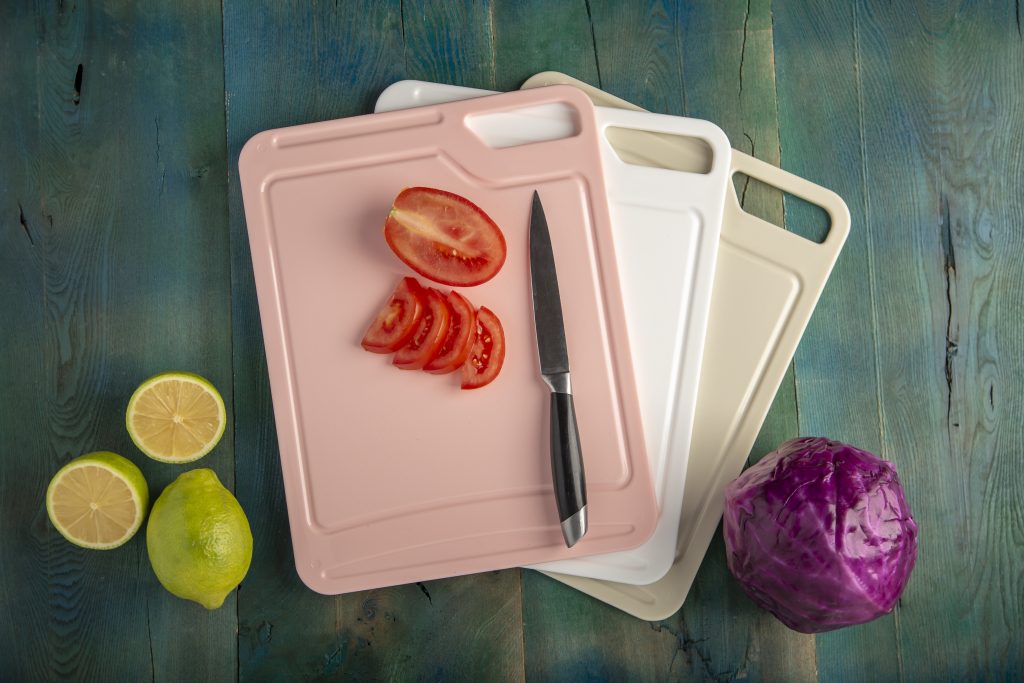
Are you tired of your cutting board slipping, staining, or wearing out too fast? Choosing the right cutting board can make a big difference in your kitchen experience.
Silicone and plastic boards are both popular options, but which one truly stands out? You’ll discover the real benefits and drawbacks of silicone cutting boards compared to plastic ones. By the end, you’ll know exactly which type suits your cooking style and keeps your kitchen cleaner and safer.
Keep reading to find out which cutting board deserves a spot on your countertop.
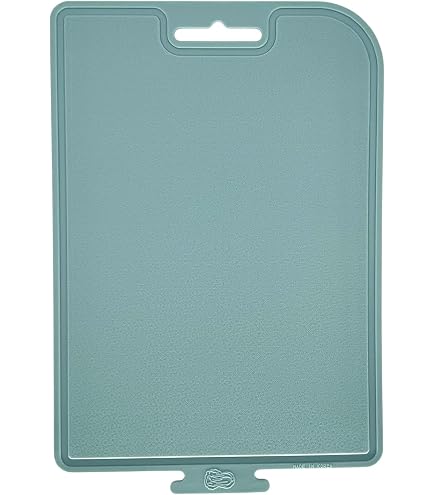
Credit: www.amazon.com
Silicone Vs Plastic Materials
Choosing the right cutting board helps keep your kitchen safe and clean. Silicone and plastic are common materials for cutting boards. Both have pros and cons to consider.
This article compares silicone and plastic cutting boards. You will learn about their composition, properties, durability, and flexibility.
Composition And Properties
Silicone cutting boards are made from silicone rubber. This material is soft and heat resistant. It does not absorb water or odors.
Plastic cutting boards are made from different types of plastic. Common plastics include polyethylene and polypropylene. They are lightweight but can absorb stains and smells.
- Silicone is non-porous and flexible
- Plastic can be porous and rigid
- Silicone resists heat well
- Plastic can melt if exposed to high heat
Durability And Flexibility
Silicone cutting boards bend without breaking. They are less likely to crack or chip over time. This makes them long-lasting in the kitchen.
Plastic cutting boards are usually stiff. They may crack or warp after heavy use. Sharp knives can leave deep cuts that are hard to clean.
- Silicone boards are flexible and durable
- Plastic boards are rigid and may crack
- Silicone resists knife marks better
- Plastic may need replacement sooner
Safety And Hygiene
Choosing the right cutting board affects kitchen safety and cleanliness. Silicone and plastic boards have different features that impact hygiene.
This article looks at bacterial resistance and food safety for silicone versus plastic cutting boards.
Bacterial Resistance
Silicone cutting boards resist bacteria better than many plastics. Their non-porous surface prevents germs from hiding in cuts.
- Silicone does not absorb liquids, reducing bacteria growth.
- Plastic boards can develop deep grooves that trap food particles.
- Regular cleaning is easier on silicone surfaces.
- Silicone boards dry faster, limiting moisture buildup.
Non-toxicity And Food Safety
Silicone is a stable material that does not release harmful chemicals. It stays safe at high temperatures and with acidic foods.
| Material | Chemical Release Risk | Heat Resistance |
| Silicone | Low | High (up to 450°F) |
| Plastic | Possible with wear | Lower (can melt or warp) |
Maintenance And Cleaning
Silicone and plastic cutting boards need regular cleaning to stay safe and fresh. Proper care helps keep your kitchen healthy.
Understanding the differences in maintenance can help you choose the best cutting board for your needs.
Ease Of Cleaning
Silicone cutting boards are flexible and easy to wash. You can bend them to remove food scraps quickly.
Plastic boards are usually firm and may need more scrubbing to clean all grooves.
- Silicone boards clean well with soap and warm water
- Plastic boards may hold food in deep cuts
- Both types can go in the dishwasher safely
Stain And Odor Resistance
Silicone resists stains better than plastic. It does not absorb strong colors from foods like beets or turmeric.
Plastic boards can trap odors from garlic, onions, or fish. These smells may stay even after washing.
- Silicone does not hold odors easily
- Plastic may need extra cleaning to remove smells
- Regular cleaning reduces stains and odors on both types
Performance In The Kitchen
Choosing the right cutting board affects how you work in the kitchen. It can impact your knife’s sharpness and your safety. Silicone and plastic boards are popular choices. Both have different strengths and weaknesses.
This article looks at two key points: knife friendliness and slip resistance. These factors help decide if silicone cutting boards are better than plastic ones.
Knife Friendliness
Silicone cutting boards are softer than plastic boards. This softness helps protect knife edges from dulling quickly. Plastic boards are harder and can wear down knives faster. Chefs who use sharp knives often prefer softer surfaces.
- Silicone cushions knife blades, keeping them sharper longer
- Plastic can cause quicker blade dulling due to its hard surface
- Both materials resist deep cuts and scratches
- Silicone boards are less likely to develop grooves that trap bacteria
Slip Resistance
Slip resistance is important for safe cutting. Silicone has natural grip that helps keep the board steady. Plastic boards tend to slide more on smooth countertops. This can cause accidents while chopping.
| Feature | Silicone Cutting Board | Plastic Cutting Board |
| Slip Resistance | High, grips surfaces well | Low, can slide easily |
| Weight | Light but stable | Varies, often lighter |
| Cleaning | Easy to clean, less movement | Easy to clean but can shift |
| Safety | Lower risk of slipping accidents | Higher risk of slipping accidents |
Environmental Impact
Choosing the right cutting board affects the environment. Silicone and plastic boards have different impacts. Understanding these helps you make better choices.
This section looks at sustainability and disposal of silicone and plastic cutting boards. These factors are important for eco-friendly living.
Sustainability Of Materials
Silicone comes from silica, a natural material found in sand. It is more durable and lasts longer than plastic. This reduces waste over time.
Plastic boards are made from petroleum, a non-renewable resource. They can break down faster but create more pollution during production.
- Silicone uses natural raw materials
- Silicone boards last longer than plastic
- Plastic relies on fossil fuels
- Plastic production creates more pollution
Recycling And Disposal
Silicone cutting boards are not accepted in most recycling programs. They must be disposed of as waste, but their long life helps reduce waste.
Plastic boards can sometimes be recycled, depending on the type of plastic. Many still end up in landfills, where they take a long time to break down.
- Silicone is hard to recycle but lasts longer
- Plastic may be recyclable but often is not
- Both can end up in landfills
- Long-lasting boards reduce overall waste
Credit: www.lemon8-app.com
Cost And Availability
Choosing between silicone and plastic cutting boards often depends on cost and how easy they are to find. Both materials are common in kitchens, but prices and availability can vary.
We will look at the price differences and the variety you can expect when buying these cutting boards.
Price Comparison
Plastic cutting boards usually cost less than silicone ones. They are made from cheaper materials and are easier to produce.
Silicone boards tend to be pricier because of their durability and heat resistance. You get a longer-lasting product but pay more upfront.
- Plastic boards: lower price, good for basic use
- Silicone boards: higher price, more durable
- Prices vary by size and brand for both types
Variety And Accessibility
Plastic cutting boards come in many shapes, sizes, and colors. They are sold everywhere from supermarkets to online stores.
Silicone boards are less common but available in kitchen specialty shops and online. They often come in bright colors and flexible designs.
- Plastic boards: widely available, many options
- Silicone boards: fewer choices, but unique styles
- Both types are easy to buy online
User Experiences
Many people wonder if silicone cutting boards are better than plastic ones. Users share their experiences on how each type works in real kitchens.
This article gathers views from professional chefs and home cooks. Their feedback helps understand the pros and cons of silicone and plastic boards.
Professional Chefs’ Opinions
Professional chefs often test many kitchen tools. They look for durability, safety, and ease of cleaning in cutting boards.
- Silicone boards are soft and gentle on knives.
- They resist stains and do not absorb odors easily.
- Plastic boards are lightweight and easy to store.
- Chefs note that plastic boards can get deep cuts that trap bacteria.
- Some prefer silicone for its flexibility and ease to clean.
Home Cook Feedback
Home cooks share their thoughts after using silicone and plastic cutting boards in daily cooking.
| Feature | Silicone Cutting Boards | Plastic Cutting Boards |
|---|---|---|
| Knife Friendliness | Soft, less wear on knives | Harder, may dull knives faster |
| Cleaning | Easy to clean, dishwasher safe | Easy to clean, but scratches trap food |
| Durability | Flexible and tough, resists cracking | Can crack or warp over time |
| Storage | Flexible, easy to store flat or rolled | Rigid, needs space to store flat |
| Price | Tends to be more expensive | Usually cheaper |
Choosing The Right Cutting Board
Choosing a cutting board can change how you cook and clean. You want a board that fits your kitchen needs.
Silicone and plastic boards are common. Each has good points. Let’s see which one suits you best.
Matching Board To Use Case
Think about what you cut most. Different boards work better for different foods and tasks.
Silicone boards are soft and flexible. They are good for cutting fruits and vegetables. You can bend them to pour chopped items into a bowl.
Plastic boards are firm and stable. They work well for cutting meat and fish. They hold their shape and are easy to clean.
- Silicone: best for light tasks and easy transfer
- Plastic: best for heavy cutting and durability
- Consider separate boards for raw meat and veggies
Key Features To Consider
Look at features like knife safety, cleaning, and size before you buy. These affect your cooking and board life.
Silicone boards are gentle on knives and often non-slip. They resist stains and odors well. Plastic boards are harder and can dull knives faster. They are dishwasher safe and often cheaper.
| Feature | Silicone Cutting Board | Plastic Cutting Board |
|---|---|---|
| Knife Friendly | Yes, soft on blades | Less friendly, harder surface |
| Cleaning | Hand wash recommended | Dishwasher safe |
| Durability | Flexible but can tear | Hard and long-lasting |
| Stain & Odor Resistance | Good resistance | Can stain and absorb odors |
| Portability | Easy to bend and store | Rigid, less flexible |

Credit: www.amazon.com
Frequently Asked Questions
What Makes Silicone Cutting Boards Unique?
Silicone cutting boards are non-porous and resist bacterial growth. They are flexible, making them easy to handle and store. Unlike plastic, silicone is more durable and can withstand high temperatures. This makes silicone cutting boards an excellent choice for various kitchen tasks.
Are Silicone Cutting Boards Safer Than Plastic?
Silicone cutting boards are generally safer as they are non-toxic and BPA-free. They resist knife marks better than plastic, reducing bacteria buildup. Their non-porous surface ensures less contamination. Silicone is also heat resistant, making it more versatile for different kitchen uses.
How Do Silicone Boards Compare In Durability?
Silicone cutting boards are highly durable compared to plastic ones. They resist warping and cracking, even under high temperatures. Silicone boards maintain their shape and functionality over time, making them a long-lasting kitchen tool. This durability makes them a preferred option for many home cooks.
Do Silicone Boards Affect Knife Sharpness?
Silicone cutting boards are gentle on knives and help maintain their sharpness. The flexible surface prevents excessive wear on knife blades. Unlike harder materials, silicone doesn’t dull knives quickly, ensuring a longer lifespan for your kitchen tools. This feature makes silicone a practical choice for knife maintenance.
Conclusion
Silicone cutting boards offer flexibility and easy cleaning. They resist stains and odors better than plastic. Plastic boards can wear down faster and hold more bacteria. Silicone boards also protect knives from dulling quickly. Choosing the right board depends on your kitchen needs.
Both types have pros and cons worth considering. Think about how often you cook and clean. Silicone might last longer but costs a bit more. Plastic boards are affordable and widely available. Either way, keep your cutting board clean for safety.
A good board helps keep your kitchen healthy.