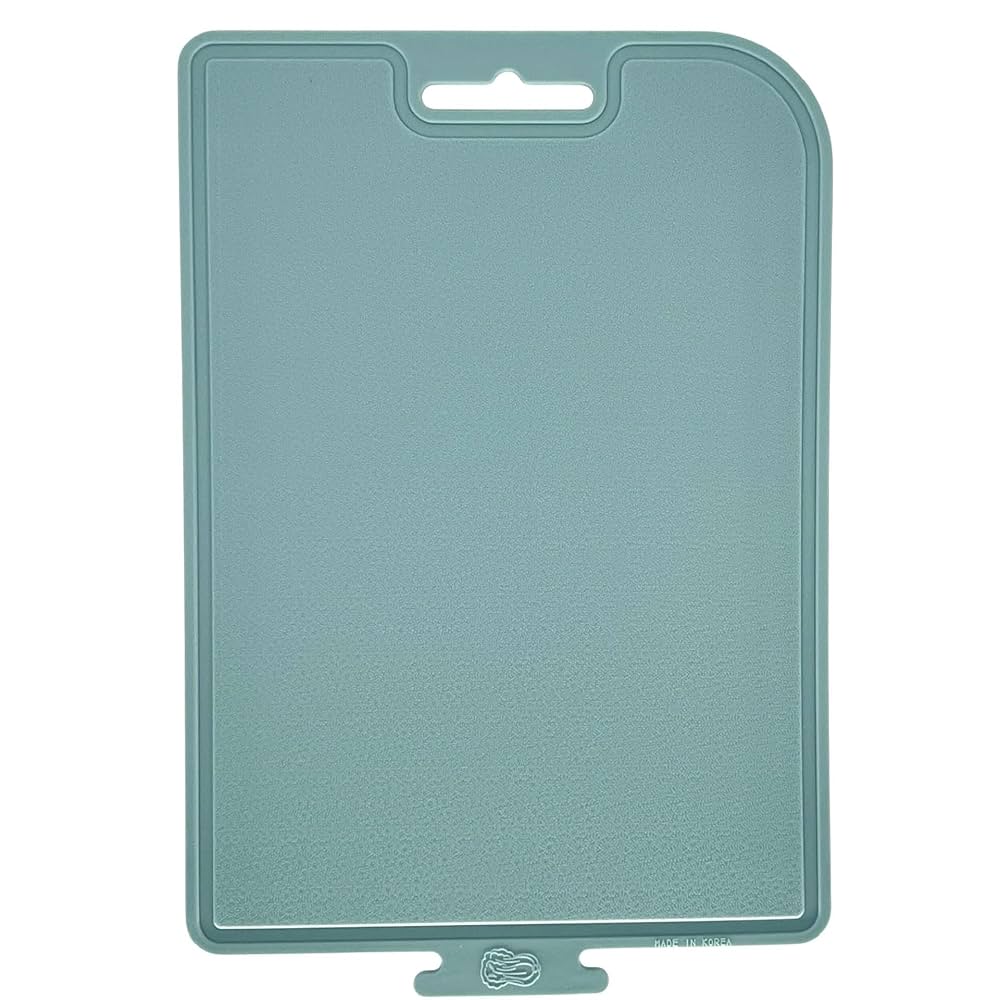
Are silicone cutting boards safe for your kitchen and health? If you’ve been wondering whether these colorful, flexible boards are a smart choice, you’re not alone.
You want to protect your family from harmful chemicals while making cooking easier and cleaner. But how do you know if silicone cutting boards live up to the hype? You’ll discover the truth about their safety, durability, and how they compare to other types of cutting boards.
Keep reading to make the best choice for your kitchen and peace of mind.

Credit: www.ebay.com
Silicone Material Basics
Silicone is a popular material for kitchen tools. Many people ask if silicone cutting boards are safe to use.
To understand safety, it is important to know what silicone is made of and its key properties.
What Is Silicone Made Of
Silicone is made from silicon, oxygen, carbon, and hydrogen. Silicon comes from sand, a natural resource.
These elements form a flexible, rubber-like material. It does not contain harmful chemicals like BPA or phthalates.
Properties That Affect Safety
Silicone is heat resistant and does not melt easily. It can handle hot temperatures without releasing toxins.
It is also non-porous, so it does not absorb water or bacteria. This makes it easy to clean and hygienic.
- Heat resistance up to about 428°F (220°C)
- Non-porous surface prevents bacteria growth
- Does not break down or release harmful chemicals
- Flexible and durable for long-term use
Health Concerns And Risks
Silicone cutting boards are popular in many kitchens. People wonder if they are safe to use for food preparation.
This section explains possible health risks linked to silicone cutting boards.
Chemical Leaching Possibilities
Silicone is made from silicon, oxygen, and other elements. It is usually heat resistant and stable.
Some low-quality silicone products may contain fillers or additives. These could leach chemicals into food, especially if heated.
- High-quality silicone is food-grade and safer.
- Avoid cutting boards with unclear ingredient labels.
- Do not expose silicone boards to very high heat.
- Check for any strong odors or discoloration before use.
Bacterial Growth And Hygiene
Silicone cutting boards can resist stains and odors better than some plastic boards.
But bacteria can still grow in scratches and cuts on the surface. Proper cleaning is important.
- Wash boards with hot, soapy water after use.
- Use a brush to clean any grooves or cuts.
- Dry boards completely before storing to avoid bacteria growth.
- Replace boards if deep cuts or damage appear.
Comparing Cutting Board Materials
Choosing the right cutting board can affect your kitchen safety and food taste. Different materials offer various benefits and drawbacks.
This guide compares silicone cutting boards with plastic, wood, and glass options. It helps you understand which might suit your needs best.
Silicone Vs Plastic
Silicone and plastic boards are both lightweight and easy to clean. Silicone resists cuts and does not dull knives as much as plastic.
- Silicone is heat resistant and flexible.
- Plastic boards can warp under high heat.
- Both are dishwasher safe.
- Plastic may stain and hold odors more than silicone.
Silicone Vs Wood
Wood cutting boards feel classic and sturdy. Silicone is easier to sanitize and does not absorb liquids.
| Feature | Silicone | Wood |
| Knife Friendly | Yes | Yes |
| Absorbs Liquids | No | Yes |
| Maintenance | Low | High (oiling needed) |
| Sanitizing | Easy | Harder |
Silicone Vs Glass
Glass boards look clean and do not stain. Silicone boards are softer and safer for knives.
- Glass is hard and can cause knives to dull quickly.
- Silicone prevents slipping better than glass.
- Glass boards can break if dropped.
- Silicone boards are flexible for easy storage.
Care And Maintenance Tips
Silicone cutting boards are popular for their flexibility and durability. Proper care helps keep them clean and long-lasting.
Following simple cleaning methods and avoiding damage can maintain their safe use in your kitchen.
Cleaning Methods For Silicone Boards
Wash silicone boards with warm, soapy water after each use. This removes food residue and bacteria.
- Use a soft sponge or cloth to avoid scratches.
- For tough stains, soak the board in a mixture of baking soda and water.
- Rinse well to remove all soap and baking soda.
- Dry the board completely before storing to prevent mold.
- Dishwasher safe boards can be cleaned on the top rack.
Avoiding Damage And Wear
Prevent cuts and wear by using silicone boards properly. Avoid sharp knives that can gouge the surface.
| Do | Don’t |
| Use a soft sponge or cloth for cleaning | Use abrasive scrubbers or steel wool |
| Store flat or hang to avoid warping | Bend or fold the board tightly |
| Keep away from direct heat or flames | Place hot pots or pans directly on the board |
| Inspect regularly for deep cuts | Use damaged boards that trap bacteria |
Expert Opinions And Studies
Silicone cutting boards are popular in many kitchens. People want to know if they are safe to use. Experts and studies have looked into this question.
This article shares what research and professionals say about silicone safety for cutting boards.
Research Findings On Silicone Safety
Research shows that food-grade silicone is stable and safe. It does not release harmful chemicals when used properly. Tests found no toxic effects from silicone cutting boards.
- Silicone resists heat up to 230°C (446°F)
- It does not absorb bacteria easily
- It does not react with food acids
- Studies found no BPA or phthalates in food after contact
- Silicone boards are less likely to harbor germs than wooden boards
Professional Recommendations
Health and food safety experts say silicone cutting boards are safe. They suggest ways to keep them clean and long-lasting.
| Tip | Reason |
|---|---|
| Wash with hot, soapy water | Kills bacteria and removes food residue |
| Avoid cutting with very sharp knives | Prevents deep cuts where germs can hide |
| Check for damage regularly | Replace boards if there are cracks or tears |
| Use separate boards for meat and vegetables | Prevents cross-contamination |
| Dry completely before storing | Stops mold growth |

Credit: www.ebay.com
Choosing The Right Silicone Board
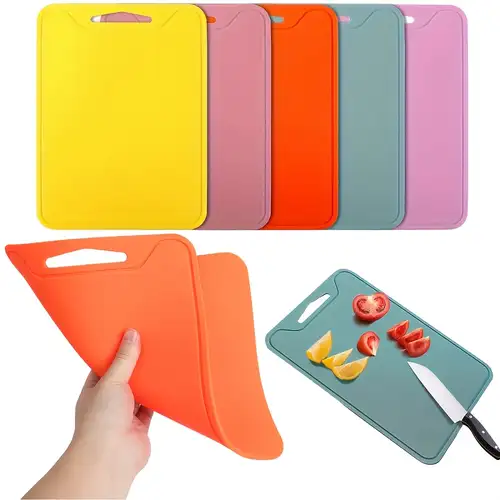
Silicone cutting boards are popular for their flexibility and durability. Choosing the right one ensures safety and ease of use.
Knowing what to look for in quality and certification helps you pick a safe silicone board for your kitchen.
Quality Indicators To Look For
High-quality silicone boards should be strong and resistant to cuts. Look for boards that do not crack or warp after use.
- Food-grade silicone material
- Thick enough to resist bending
- Non-porous surface to prevent bacteria
- Easy to clean with no stains
- Heat resistant for hot pots
Certifications And Standards
Certified silicone boards meet safety and health standards. Check for labels from trusted organizations.
| Certification | What It Means | Why It Matters |
| FDA Approved | Safe for food contact | Prevents harmful chemicals |
| LFGB Certified | Meets German food safety | Ensures no toxic substances |
| BPA Free | No Bisphenol A | Reduces health risks |
Credit: www.temu.com
Frequently Asked Questions
Are Silicone Cutting Boards Safe For Food Preparation?
Yes, silicone cutting boards are food-safe and non-toxic. They resist bacteria and don’t absorb liquids, making them hygienic for food prep.
Do Silicone Cutting Boards Resist Knife Marks?
Silicone boards are softer than wood or plastic, so they resist deep knife marks. This helps keep the board clean and durable.
Can Silicone Cutting Boards Withstand High Temperatures?
Silicone cutting boards can handle heat up to around 450°F. This makes them safe for hot pots or pans without damage.
How Do Silicone Cutting Boards Compare To Plastic Ones?
Silicone boards are more flexible, less prone to staining, and dishwasher safe. They offer better hygiene and longer lifespan than plastic boards.
Conclusion
Silicone cutting boards offer a safe option for everyday kitchen use. They resist stains and avoid deep cuts that trap bacteria. Cleaning them is simple and quick, helping to keep your food safe. Choose high-quality silicone boards to ensure durability and safety.
Regular care keeps them in good shape for a long time. Overall, silicone boards provide a reliable surface for food prep without health risks. A smart choice for those who want a clean and safe kitchen tool.