Are you wondering if your bike helmet can double as a ski helmet? You’re not alone.
Many people think all helmets are the same, but that’s not true. Using the wrong helmet can put your safety at risk without you even realizing it. You’ll discover the key differences between ski helmets and bike helmets. Understanding these differences could protect you from serious injuries.
Keep reading to learn what makes each helmet unique and why choosing the right one matters for your safety on the slopes or the road.
Helmet Design Differences
Ski helmets and bike helmets look similar but have different designs. Each helmet suits its sport to keep you safe.
These helmets vary in shape, ventilation, and weight. Understanding these differences helps you pick the right helmet.
Shape And Coverage
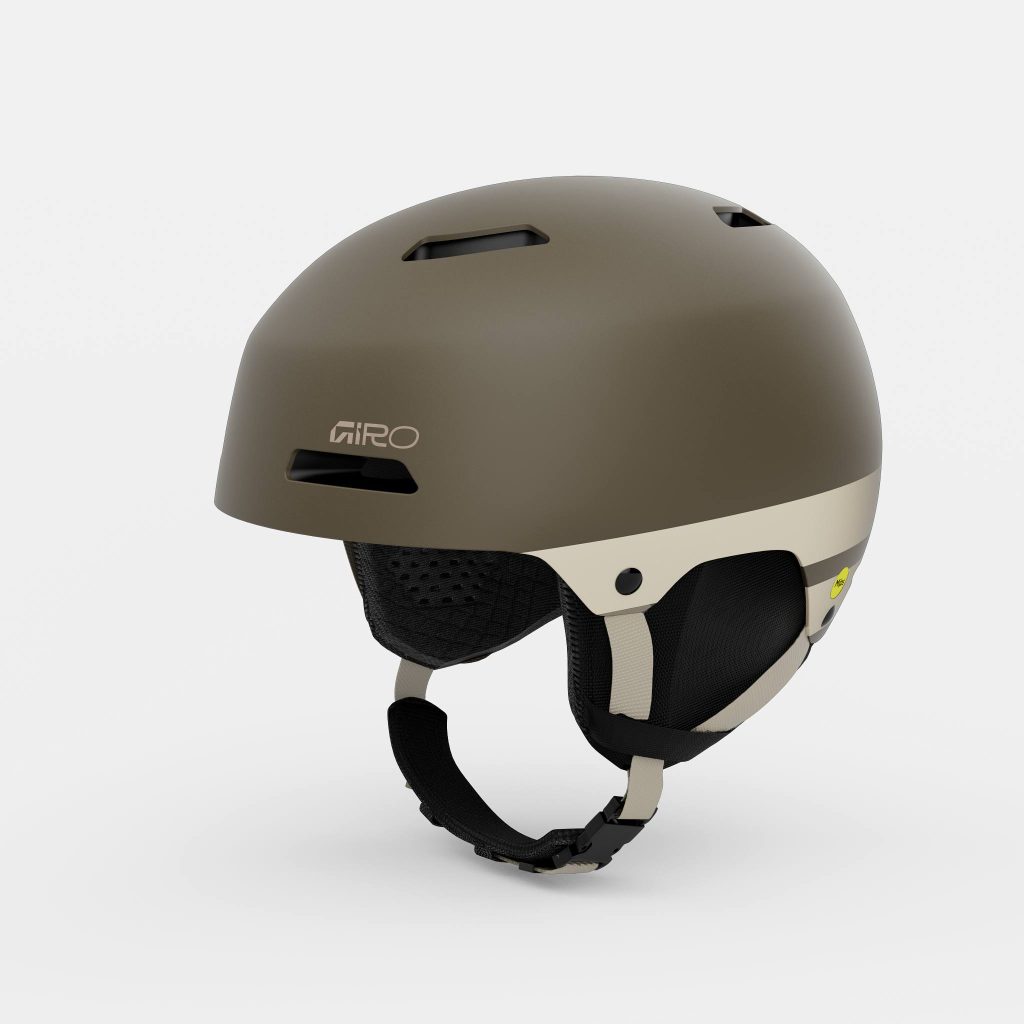
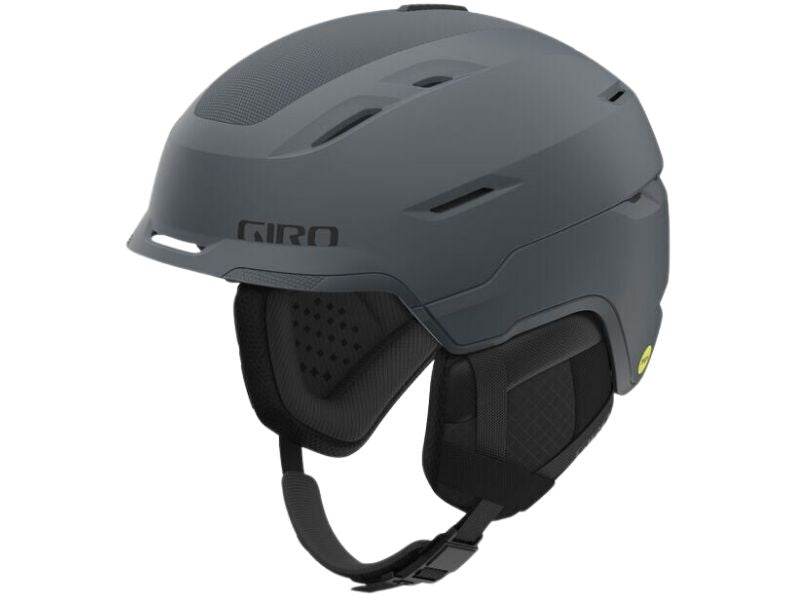
Ski helmets cover more of the head and ears. This design protects from cold and impacts on slopes.
Bike helmets focus on protecting the top and sides of the head. They leave the ears mostly open for hearing traffic.
- Ski helmets have extended ear coverage
- Bike helmets have more open ear areas
- Ski helmets often have a rounder shape
- Bike helmets have an aerodynamic shape
Ventilation Features
Ski helmets have fewer and smaller vents. This helps keep heat in and snow out while skiing.
Bike helmets have many large vents. These vents cool your head during intense cycling or hot weather.
- Ski helmets limit cold air entry
- Bike helmets maximize airflow
- Ski helmet vents are adjustable or closable
- Bike helmet vents remain open for constant cooling
Weight Variations
Ski helmets are usually heavier. They use thicker padding to protect against hard falls on snow.
Bike helmets are lighter. They focus on comfort for long rides and quick head movement.
- Ski helmets add weight for extra insulation
- Bike helmets use lightweight materials
- Heavier ski helmets reduce cold impact
- Lighter bike helmets improve ride comfort
Material And Construction
Ski and bike helmets both protect your head. But, they differ in materials and construction. Let’s explore how they are made.
Understanding these differences helps you choose the right helmet for your activity. Safety and comfort are key factors.
Impact Absorption Technologies
Ski helmets use materials that handle cold impacts. They must protect against falling on ice or snow.
Bike helmets focus on absorbing impacts from pavement or road surfaces. They often feature foam layers to cushion the head.
- Ski helmets: Multi-impact protection
- Bike helmets: Single-impact protection
- Both: Aim to reduce head injury
Shell Materials
The outer shell of a helmet is crucial. Ski helmets have hard shells to resist cold and sharp objects.
Bike helmets may use lighter materials. This makes them less bulky for cyclists.
- Ski helmets: Hard plastic or composite shells
- Bike helmets: Polycarbonate or similar materials
- Both: Designed for durability and protection
Padding And Liners
Paddings in helmets provide comfort and fit. Ski helmets have thicker liners for warmth and cushioning.
Bike helmets use thinner padding. This is for ventilation and lighter weight.
- Ski helmets: Warm, thicker padding
- Bike helmets: Breathable, thinner padding
- Both: Aim to enhance comfort and fit
Safety Standards And Certifications
Both ski helmets and bike helmets protect your head. They follow strict safety rules. These rules help prevent injuries during accidents.
Understanding their safety standards helps you choose the right helmet. Each type meets different tests and certifications.
Ski Helmet Standards
Ski helmets must pass tests for cold weather and high-speed impacts. They follow standards set by organizations like ASTM and CE.
- ASTM F2040:US standard for recreational snow sports helmets.
- EN 1077:European standard for alpine skiing and snowboarding helmets.
- CPSC:Sometimes ski helmets meet the bike helmet CPSC standard for impact.
Bike Helmet Standards
Bike helmets focus on protection from falls and collisions on hard surfaces. The main safety standards are CPSC and EN 1078.
| Standard | Region | Focus |
| CPSC | USA | Impact protection and retention system |
| EN 1078 | Europe | Shock absorption and strap strength |
| AS/NZS 2063 | Australia/New Zealand | Impact and penetration resistance |
Testing Procedures
Both helmet types undergo tests for impact, penetration, and strap strength. Testing ensures helmets protect well during accidents.
- Impact Test:Helmets drop onto a flat or anvil surface to check shock absorption.
- Penetration Test:A pointed object strikes the helmet to test the shell’s strength.
- Retention System Test:Straps and buckles are tested for durability and fit.
- Environmental Test:Ski helmets may be tested in cold temperatures to ensure materials stay strong.
Credit: suburbanskiandbike.com
Performance In Different Environments
Ski helmets and bike helmets are designed for different uses. They perform differently in cold and fast environments.
Understanding these differences helps you pick the right helmet for your activity and stay safe.
Cold Weather Considerations
Ski helmets are made to keep your head warm in cold weather. They often have extra padding and ear covers. Bike helmets focus on ventilation to keep you cool.
- Ski helmets have insulated liners.
- Bike helmets have more vents for airflow.
- Ski helmets protect against snow and wind.
- Bike helmets are lighter for hot weather.
Speed And Impact Scenarios
Speeds in skiing and biking vary, so helmets must protect differently. Ski helmets often handle higher impacts from falls or collisions with hard surfaces.
| Helmet Type | Typical Speed | Impact Protection |
|---|---|---|
| Ski Helmet | 30-60 mph | Designed for hard impacts and multiple hits |
| Bike Helmet | 10-25 mph | Designed for single impact and penetration resistance |
Terrain And Usage Differences
Ski helmets fit well with goggles and protect from cold and snow. Bike helmets focus on airflow and weight for long rides on varied terrain.
- Ski helmets have smooth shells to prevent snagging on snow.
- Bike helmets include visors for sun and rain protection.
- Ski helmets use thicker padding for cold and impacts.
- Bike helmets prioritize light weight and ventilation.
Fit And Comfort Factors
Ski helmets and bike helmets look similar but have different fit and comfort needs. Each type suits the activity’s unique demands.
Comfort affects how long you wear the helmet and how safe you feel. Fit also plays a big role in protection during impacts.
Adjustability Options
Ski helmets often have more adjustability to fit bulky winter clothing. They use dial systems and padded liners to secure the fit.
Bike helmets focus on lightweight adjusters. They usually have simple straps and rear dials to keep the helmet snug.
- Ski helmets: padded liners, dial fit systems, chin strap adjustments
- Bike helmets: rear dial adjusters, adjustable straps, minimal padding
Compatibility With Accessories
Ski helmets must fit goggles and often ear pads for warmth. They have slots or clips for goggles to rest securely.
Bike helmets usually do not need to fit goggles. They may have mounts for lights or cameras instead.
- Ski helmets: built-in goggle clips, ear pads, compatible with face masks
- Bike helmets: mounts for lights, cameras, less focus on ear coverage
Ventilation And Warmth Balance
Ski helmets balance warmth with ventilation. They have fewer vents to keep heat but still prevent overheating.
Bike helmets have many vents to allow air flow. This keeps riders cool during physical activity.
- Ski helmets: limited vents, insulated liners, warmth focus
- Bike helmets: large vents, open design, cooling focus

Credit: velo.outsideonline.com
Choosing The Right Helmet
Helmets protect your head during sports like skiing and biking. Picking the right helmet keeps you safe and comfortable.
Ski helmets and bike helmets look similar but serve different needs. Knowing these differences helps you choose well.
Activity-specific Needs
Ski helmets are made to keep you warm and protect against cold weather. They often have ear covers and more padding.
Bike helmets focus on ventilation and light weight to keep you cool during rides. They do not cover ears like ski helmets.
- Ski helmets provide insulation and impact protection for snow falls.
- Bike helmets offer airflow and protect from impacts in bike crashes.
- Use helmets designed for your sport for best safety and comfort.
Budget And Quality Trade-offs
Higher quality helmets cost more but offer better protection and comfort. They use advanced materials and designs.
Cheaper helmets can still protect you but may be heavier or less durable. Check for safety certifications before buying.
- Set a budget but prioritize safety features.
- Look for helmets with safety certifications like CPSC or ASTM.
- Try helmets on to check fit and comfort before buying.
Signs Of Helmet Wear And Replacement
Helmets wear out over time and after impacts. Replace your helmet if it shows damage or is very old.
Cracks, dents, or broken straps mean the helmet cannot protect you well anymore. Do not reuse helmets after a crash.
- Replace helmets every 3 to 5 years even without damage.
- Check for cracks or foam compression regularly.
- Replace helmets immediately after any strong impact.

Credit: www.giro.com
Frequently Asked Questions
Are Ski Helmets And Bike Helmets Interchangeable?
No, ski helmets and bike helmets are not interchangeable. Each is designed for specific impact types and weather conditions. Ski helmets provide insulation and cover more head areas, while bike helmets focus on ventilation and lightweight protection.
What Makes Ski Helmets Different From Bike Helmets?
Ski helmets have thicker insulation and better ear coverage. Bike helmets prioritize ventilation and lightweight materials. Ski helmets also meet different safety standards for cold-weather impacts, unlike bike helmets which are designed for road or trail crashes.
Can I Use A Bike Helmet For Skiing?
Using a bike helmet for skiing is not recommended. Bike helmets lack insulation and ear protection necessary for cold weather. They also don’t meet ski-specific safety standards, which could compromise head protection on snowy slopes.
Do Ski Helmets Offer Better Cold Weather Protection?
Yes, ski helmets offer better cold weather protection. They have thicker padding and ear coverage to keep you warm. Bike helmets are designed for airflow and can leave your head exposed to cold temperatures.
Conclusion
Ski helmets and bike helmets serve different purposes. Each is designed for specific impacts and weather conditions. Ski helmets keep you warm and protect against cold. Bike helmets focus on ventilation and lighter weight. Using the right helmet helps prevent injuries.
Choose helmets made for your activity. Safety matters most on both slopes and roads. Protect your head with the proper gear. Stay safe and enjoy your ride or run.