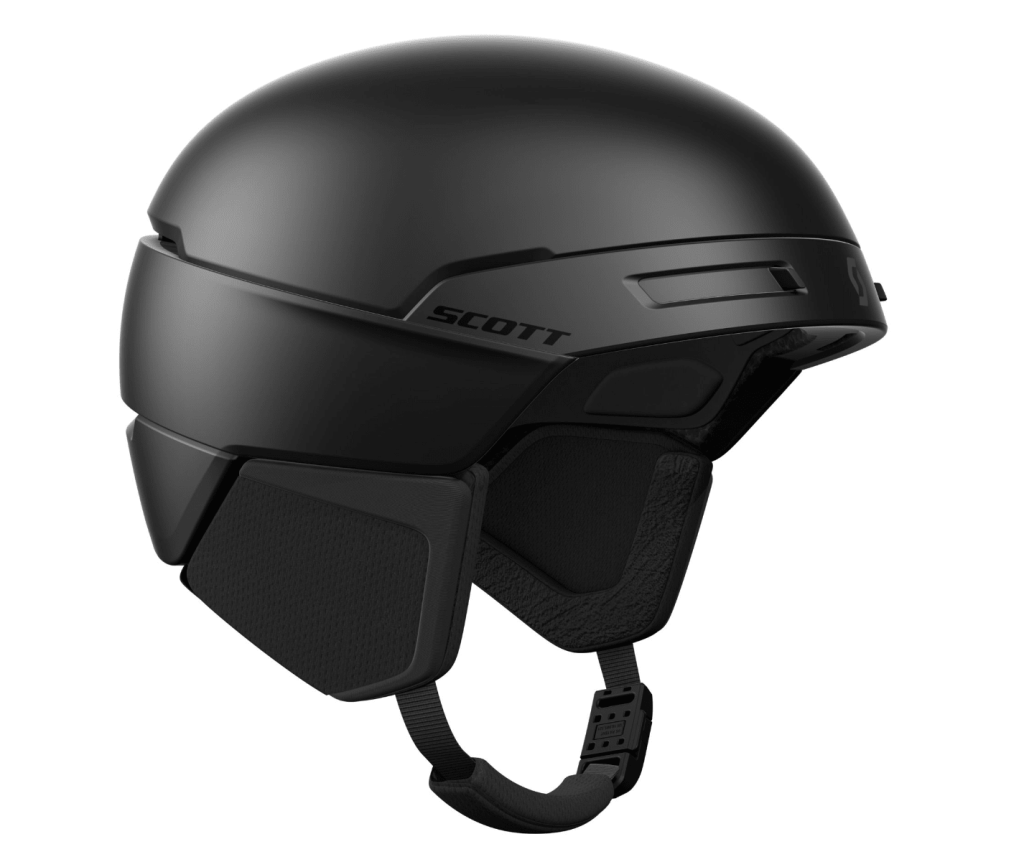
Are you wondering if your bike helmet can protect you on the ski slopes? Or maybe you’re curious about what makes ski helmets different from bike helmets?
Choosing the right helmet isn’t just about comfort—it’s about your safety. Using the wrong helmet could leave you vulnerable when you need protection the most. You’ll discover the key differences between ski and bike helmets, so you can make the best choice for your head and enjoy your ride or run with confidence.
Keep reading to find out what really matters when it comes to helmet safety.
Helmet Design Differences
Ski helmets and bike helmets look similar but serve different needs. Their designs reflect the activities they protect.
Both helmets keep your head safe but have key differences in materials, ventilation, and fit.
Shell Materials
Ski helmets often use thick plastic or hard shells to resist cold and impact on snow. They need to be tough against cold weather.
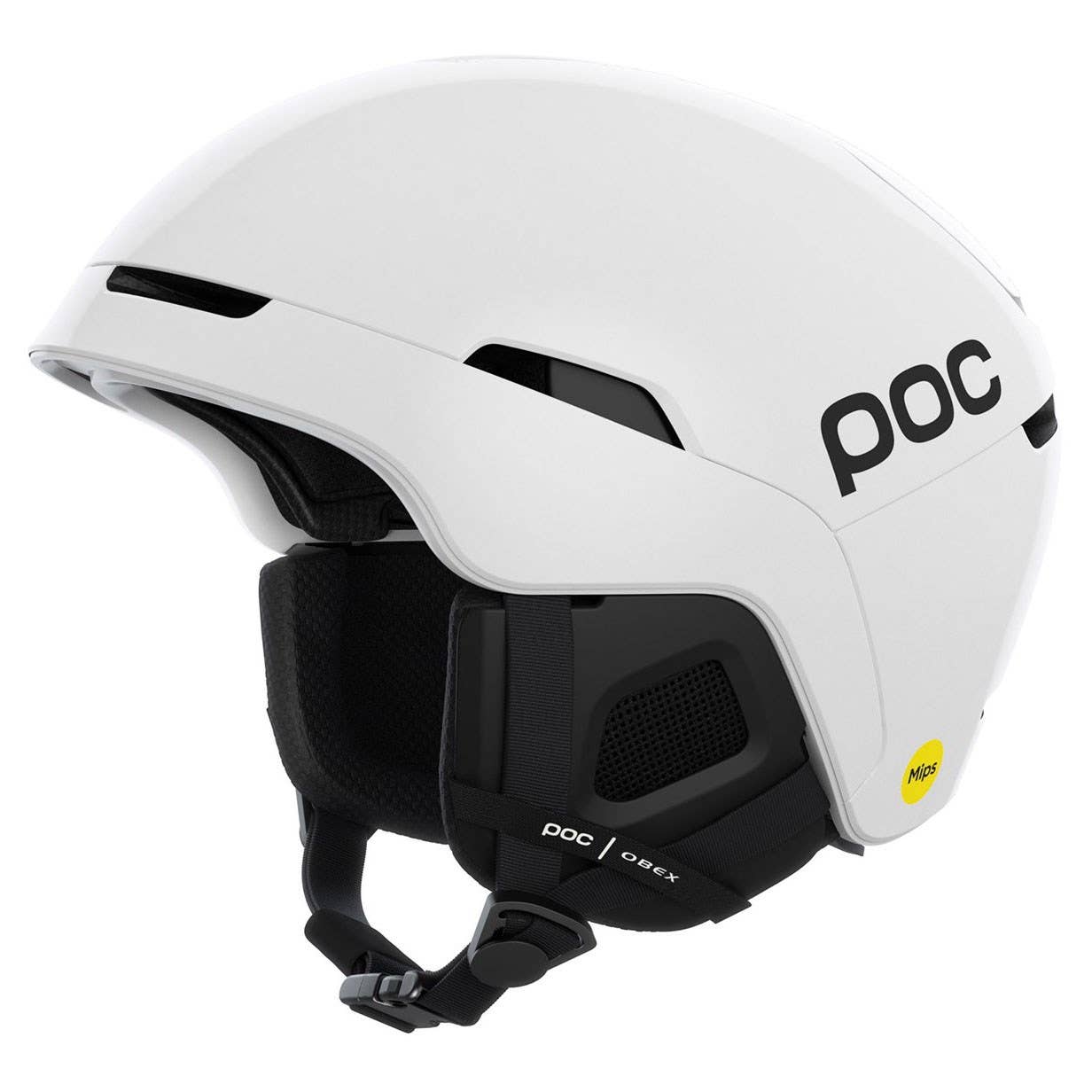
Bike helmets use lighter shells made from polycarbonate. These are strong but focus on being light for easier riding.
- Ski helmet shells are thicker and more insulated.
- Bike helmet shells focus on light weight and impact absorption.
- Both use foam inside to absorb shocks.
Ventilation Features
Ski helmets have smaller vents or no vents to keep heat inside. Cold weather needs warmth and protection from wind.
Bike helmets have many vents to allow air flow. This helps cool the head during exercise in warm weather.
- Ski helmets limit vents to keep warmth.
- Bike helmets use large vents for cooling.
- Vent design depends on activity needs.
Padding And Fit
Ski helmets have thick padding for warmth and comfort. They fit snugly to block cold air and snow.
Bike helmets have lighter padding to reduce sweat and keep cool. They focus on a secure fit without extra bulk.
- Ski helmet padding adds insulation.
- Bike helmet padding focuses on breathability.
- Both helmets use adjustable straps for fit.

Credit: www.giro.com
Safety Standards And Testing
Helmets protect your head in sports. Ski and bike helmets have different rules. These rules help keep you safe. They cover how helmets are tested and made.
Understanding these safety standards shows why ski and bike helmets differ. The testing methods check how helmets handle impacts and protect the user.
Ski Helmet Certifications
Ski helmets must meet special certifications to ensure safety on slopes. These certifications focus on cold weather and high-speed impacts.
- ASTM F2040: A common US standard for ski helmets.
- CE EN1077: European standard for alpine skiing helmets.
- Snell RS-98: A strict certification for impact protection.
Bike Helmet Certifications
Bike helmets follow different rules. They focus on crashes at lower speeds but with harder impacts.
- CPSC: Mandatory US safety standard for bike helmets.
- EN 1078: European standard for bike helmets.
- ASTM F1447: Voluntary standard for bicycle helmets.
Impact Testing Methods
Both helmet types undergo impact tests. These tests check how well the helmet absorbs shock.
| Test Type | Ski Helmet | Bike Helmet |
| Impact Speed | Higher speed impacts | Lower speed impacts |
| Temperature Conditions | Cold weather tested | Room temperature tested |
| Impact Surface | Flat and sharp edges | Flat surfaces mainly |
| Testing Standard | ASTM F2040, EN1077 | CPSC, EN 1078 |
Protection Against Specific Risks
Ski helmets and bike helmets protect your head but differ in key ways. Each is designed for unique risks you face during the activity.
Understanding these differences helps you pick the right helmet for safety and comfort.
Cold Weather Protection
Ski helmets keep your head warm in freezing temperatures. They cover more areas to block wind and cold air.
- Insulated liners trap heat
- Ear covers protect against frostbite
- Vents can be closed to keep warmth
- Materials resist moisture from snow
Impact Scenarios
Ski and bike helmets protect against different impact types. Ski helmets handle hard, angled impacts from falls on icy surfaces. Bike helmets focus on impacts from falls on pavement or collisions with vehicles.
| Helmet Type | Common Impact | Design Focus |
| Ski Helmet | Hard, angled impacts on ice or snow | Thicker shell and foam for cold, angled hits |
| Bike Helmet | Impacts with pavement or vehicles | Lightweight with ventilation and impact absorption |
Additional Safety Features
Both helmets include extras for safety, but these features vary by sport.
- Ski Helmets:Goggle clips, chin guards, and audio system compatibility
- Bike Helmets:Reflective elements, removable visors, and adjustable straps
Credit: www.powder.com
Comfort And Usability
Ski helmets and bike helmets serve similar safety purposes but differ in comfort and usability. Understanding these differences helps you choose the right helmet for each activity.
Comfort is key since you wear helmets for long periods. Usability relates to how easy helmets fit and work with your gear.
Weight Considerations
Ski helmets tend to be heavier than bike helmets. This is because ski helmets have extra padding and insulation for cold weather. Bike helmets focus on being lightweight for better ventilation.
- Ski helmets weigh about 400-600 grams.
- Bike helmets usually weigh 250-350 grams.
- Heavier helmets can cause neck fatigue in biking.
- Insulation in ski helmets adds to the weight.
Adjustability
Both helmets offer adjustability, but the designs differ. Bike helmets often have dial-fit systems for quick size changes. Ski helmets use adjustable straps and sometimes foam pads to improve fit.
| Feature | Ski Helmet | Bike Helmet |
|---|---|---|
| Size Adjustment | Straps and foam pads | Dial-fit system |
| Fit Customization | Multiple padding options | Single internal band |
| Ease of Adjustment | Moderate | Quick and easy |
Compatibility With Accessories
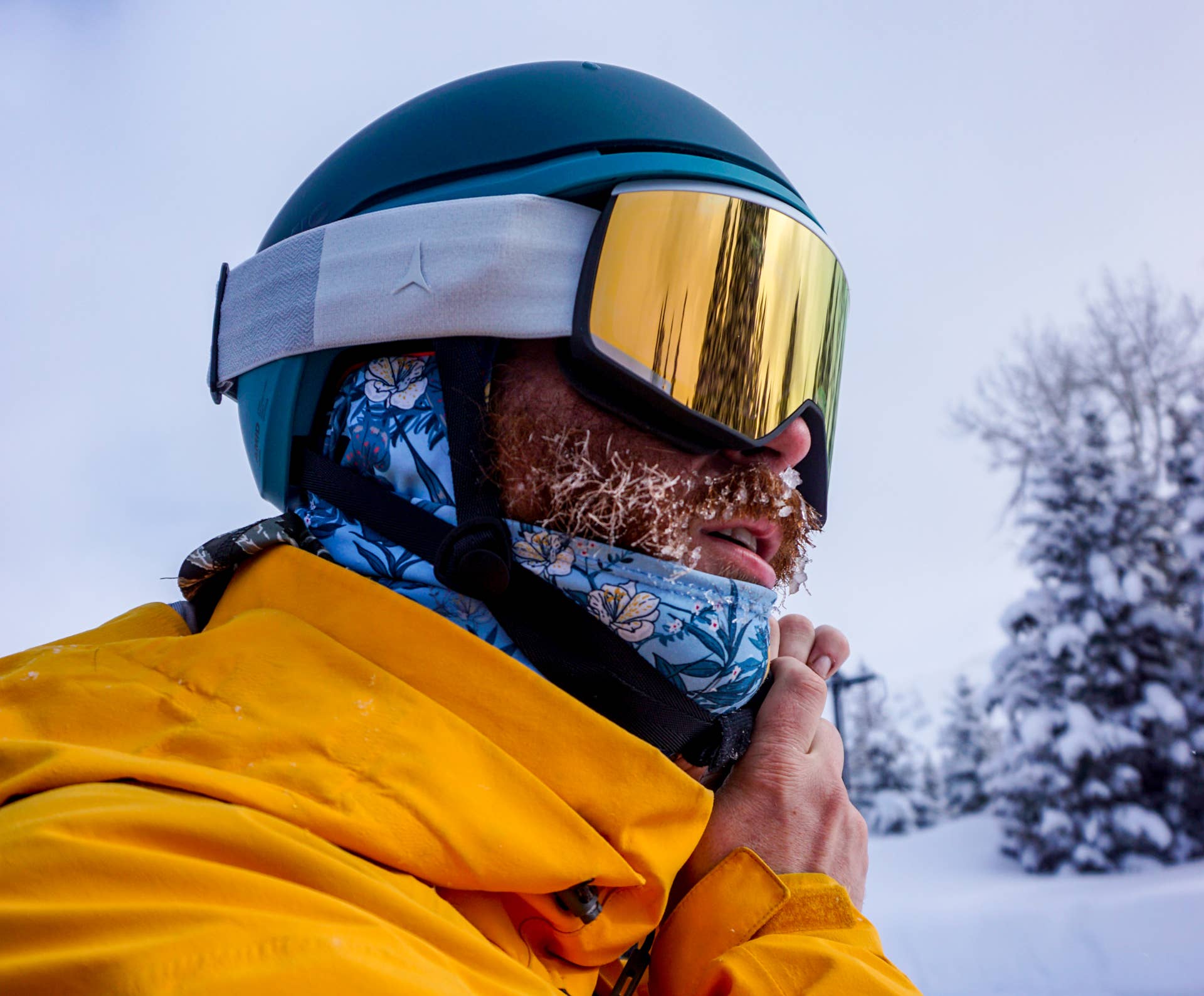
Ski helmets are built to work with goggles and ear covers. Bike helmets focus on ventilation and may not fit well with goggles. Ski helmets also allow adding audio systems inside.
- Ski Helmets:Designed to fit ski goggles snugly and often include ear pads.
- Bike Helmets:Best used with sunglasses, not bulky goggles.
- Audio systems can be integrated into many ski helmets.
- Bike helmets prioritize airflow, limiting accessory add-ons.
When To Choose Each Helmet
Choosing the right helmet is important for safety. Ski helmets and bike helmets look similar but serve different purposes. Knowing when to use each can protect you better during your activities.
This guide explains the risks of using the wrong helmet and offers clear advice on which helmet fits each activity.
Cross-use Risks
Using a ski helmet for biking or a bike helmet for skiing can be dangerous. Each helmet is made for specific types of impacts and conditions.
- Ski helmets protect against cold and hard, fast impacts on snow and ice.
- Bike helmets are designed for lighter impacts and ventilation during warmer weather.
- Ski helmets often have thicker padding and covers for ears to keep warmth.
- Bike helmets focus on airflow and are lighter to keep you cool.
- Using the wrong helmet may reduce protection and increase injury risk.
Activity-specific Recommendations
Choose your helmet based on the activity to ensure safety and comfort. The table below shows the best helmet choice for each sport and why.
| Activity | Recommended Helmet | Reason |
|---|---|---|
| Skiing | Ski Helmet | Protects from cold, hard impacts, and offers ear coverage |
| Mountain Biking | Bike Helmet | Lightweight, good ventilation, built for falls on dirt trails |
| Road Biking | Bike Helmet | Designed for speed, airflow, and protection from crashes on pavement |
| Snowboarding | Ski Helmet | Similar protection needs as skiing, with cold and impact protection |
Credit: www.powder.com
Frequently Asked Questions
Are Ski Helmets And Bike Helmets Interchangeable?
No, ski helmets and bike helmets serve different purposes. Ski helmets are designed for cold weather and snow impact. They offer more insulation and ear protection. Bike helmets, however, are lighter and ventilated for warm conditions. Using them interchangeably could compromise safety and comfort.
What Are The Key Differences Between Ski And Bike Helmets?
Ski helmets are built for cold environments with extra insulation. They offer ear protection and are designed to handle snow impacts. Bike helmets focus on ventilation for hot weather and are lighter. Each helmet type is optimized for its specific activity and environment.
Can I Use A Bike Helmet For Skiing?
It’s not recommended to use a bike helmet for skiing. Bike helmets lack the insulation and ear protection needed for cold weather. They may not provide adequate protection against ski-related impacts, compromising safety on the slopes.
Why Do Ski Helmets Cover Ears?
Ski helmets cover ears to provide warmth and protection. They are designed to insulate against cold temperatures and prevent frostbite. Additionally, the ear coverage helps protect against impacts and falls common in skiing activities.
Conclusion
Ski helmets and bike helmets have different designs for safety. Ski helmets protect against cold and hard falls on snow. Bike helmets focus on impact from crashes on hard surfaces. Choosing the right helmet keeps you safer during your activity.
Always check the helmet fits well and meets safety standards. Wearing the correct helmet helps prevent serious injuries. Stay safe by picking the helmet made for your sport. Your head deserves the best protection it can get.