Sippy cups are very popular for toddlers. They help kids learn how to drink without spilling. Many parents choose soft spout sippy cups. But some wonder: are these cups bad? In this article, we will talk about soft spout sippy cups. We will see their good and bad points. This will help you decide if they are right for your child.
What Are Soft Spout Sippy Cups?
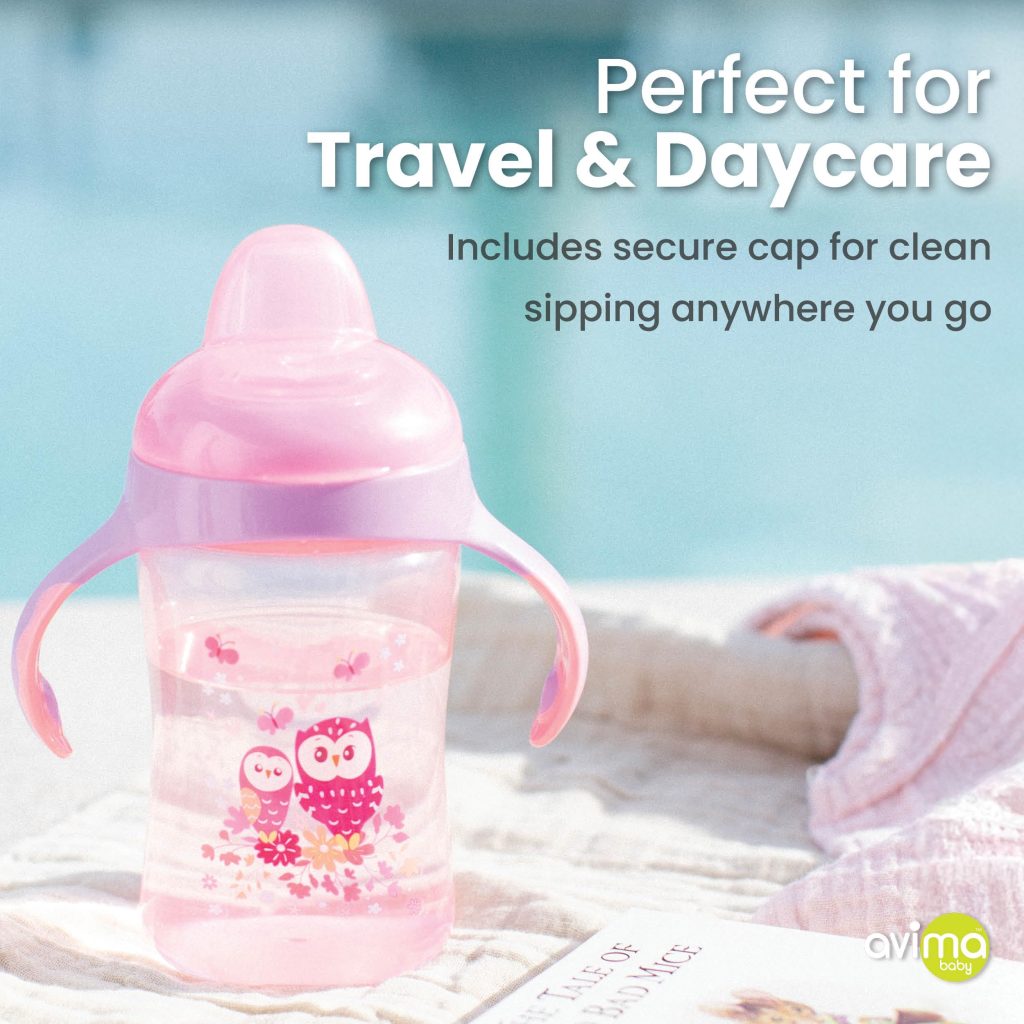
Soft spout sippy cups have a soft, rubbery tip. This tip looks like a small bottle nipple but is thicker. The soft tip is gentle on babies’ gums and teeth. It is made from silicone or soft plastic. Kids drink from the soft tip by biting or sucking it.
Soft spout sippy cups are different from hard spout cups. Hard spout cups have a plastic or silicone tip that is firm. The soft spout feels more natural for babies who are used to bottles.
Why Do Parents Like Soft Spout Sippy Cups?
- Gentle on gums: Soft tips do not hurt tender gums.
- Easy to use: Babies can suck or bite to drink.
- Comfortable: Feels like a bottle nipple.
- Good for transition: Helps babies move from bottle to cup.
Because of these reasons, many parents pick soft spout sippy cups. But, are there any problems? Let’s look closer.
:max_bytes(150000):strip_icc()/prt-chicco-double-wall-insulated-flip-top-sippy-cup-with-silicone-straw-jenna-flannigan-07-1-aea3f343f6174b69843acd08f1b96584.jpeg)
Credit: www.parents.com
Are Soft Spout Sippy Cups Bad for Teeth?
One concern many parents have is about teeth health. Soft spout cups may cause some problems if not used well.
Why?
If a child drinks sugary drinks from a soft spout cup all day, it can cause tooth decay. This is true for any sippy cup, not just soft spout ones.
Also, soft spouts can be chewed and bitten a lot. This can make the tip tear or crack. Tiny cracks can collect germs. Germs can cause infections in the mouth.
To avoid problems:
- Clean the cup and spout well every day.
- Replace the soft spout if it gets damaged.
- Limit sugary drinks or juice time.
- Encourage water or milk instead of sweet drinks.
Can Soft Spout Sippy Cups Affect Speech?
Some experts worry soft spout cups might affect speech. Why?
The soft tip can make babies use their tongue less when they drink. Tongue movement is important for speech development.
If a child uses a soft spout cup for a very long time, it might slow down speech skills. But this does not happen to all children.
Good advice:
- Use soft spout cups only for a short time.
- Switch to open cups or hard spout cups as your child grows.
- Encourage talking and playing with sounds every day.
Are Soft Spout Sippy Cups Easy to Clean?
Cleaning is very important. Soft spout cups can be harder to clean than hard spout cups. The soft tip may have small holes or cracks that trap milk or juice.
If the cup is not cleaned well, bacteria can grow. This can cause bad smells or even make your child sick.
Tips for cleaning soft spout cups:
- Take the spout apart if possible.
- Use warm soapy water and a brush for the spout.
- Rinse well to remove all soap.
- Let all parts dry completely before putting back together.
- Check the spout often for damage or mold.
Are There Safety Concerns?
Soft spout cups are made from safe materials like silicone. But parents should watch for wear and tear. Chewed or torn spouts can be a choking hazard.
Always replace the spout if it looks damaged. Also, buy cups from trusted brands. Avoid cheap products that may use unsafe plastics.
Benefits of Soft Spout Sippy Cups
Despite some concerns, soft spout cups have good benefits. Here is a table to compare benefits and problems:
| Benefits | Possible Problems |
|---|---|
| Gentle on baby’s gums | Can tear or crack easily |
| Easy for babies to drink | Harder to clean well |
| Good for bottle to cup transition | Overuse may affect speech |
| Comfortable and soft to touch | Can trap germs if not cleaned |
How to Use Soft Spout Sippy Cups Correctly
Use these tips to keep your child safe and healthy:
- Use soft spout cups only for a short time.
- Limit sugary drinks in the cup.
- Clean the cup and spout every day.
- Check spouts for damage regularly.
- Move to open cups when your child is ready.
What Are the Alternatives?
If you worry about soft spout sippy cups, there are other choices:
- Hard spout sippy cups: More durable, easier to clean.
- Straw cups: Help develop tongue and mouth muscles.
- Open cups: Best for older toddlers to learn real drinking.
Each type has good points and some problems. You can try different cups to see what your child likes.

Credit: www.eatplaysay.com
Final Thoughts
Are soft spout sippy cups bad? Not always. They can be good if used the right way. Soft spouts are gentle and help babies learn to drink.
But they need care. Clean them well and watch for damage. Do not use soft spout cups for too long. Give your child other cups as they grow.
Remember, every child is different. What works for one may not work for another. Watch your child’s needs and comfort. Choose the cup that helps your child drink safely and happily.
Soft spout sippy cups are not bad if used carefully. They can be a helpful step for your toddler’s drinking skills.
Frequently Asked Questions
Are Soft Spout Sippy Cups Safe For Toddlers?
Soft spout sippy cups are generally safe and gentle on toddlers’ teeth and gums.
Do Soft Spout Cups Help With Teething Pain?
Yes, soft spouts can soothe babies’ sore gums during teething.
Can Soft Spout Sippy Cups Cause Dental Problems?
Soft spouts reduce risk, but prolonged use may affect teeth alignment.
How Do Soft Spout Cups Compare To Hard Spout Cups?
Soft spouts are gentler, while hard spouts last longer and are easier to clean.