Are softball and baseball bats the same? If you’ve ever picked up a bat and wondered why it feels different or noticed players using various styles, you’re not alone.
Choosing the right bat can change how you play, how you hit, and even how safe you feel on the field. You’ll discover the key differences between softball and baseball bats—so you can make the best choice for your game.
Keep reading, because understanding these differences might just improve your swing more than you expect.
Credit: www.betweenthelinesaz.com
Bat Materials
Bats used in softball and baseball differ mainly in the materials they are made from. The choice of material affects how the bat performs and feels during play.
Understanding the common bat materials helps players pick the right bat for their sport and style.
Wood Vs. Aluminum
Wood bats are traditional and often used in baseball. They provide a natural feel and sound when hitting the ball. Aluminum bats are lighter and more durable. They are common in softball and some baseball leagues.
- Wood bats are heavier and require more strength to swing.
- Aluminum bats offer faster swing speeds due to their lightness.
- Wood bats break more easily but give better control.
- Aluminum bats resist dents and last longer.
Composite Options
Composite bats combine materials like carbon fiber and resin. They offer a balance between wood and aluminum benefits. These bats provide good power and less vibration on contact.
| Material Type | Weight | Durability | Performance |
| Wood | Heavier | Lower | Good control |
| Aluminum | Lighter | High | Fast swing |
| Composite | Medium | High | Balanced power |

Credit: sportsexcellence.com
Bat Length And Weight
Softball and baseball bats look similar but differ in size and weight. These differences affect how players handle and swing the bats.
Understanding typical bat lengths and weights helps choose the right bat for each sport and player skill.
Typical Sizes
Softball bats tend to be shorter and lighter than baseball bats. Baseball bats are usually longer to cover more strike zone area.
| Bat Type | Length Range (inches) | Weight Range (ounces) |
| Softball Bat | 26 – 34 | 18 – 28 |
| Baseball Bat | 28 – 34 | 28 – 31 |
Impact On Performance
Lighter bats allow faster swings, which is common in softball. Baseball bats weigh more to add power behind hits.
- Softball bats help players react quickly to pitches.
- Baseball bats generate more ball speed with heavier weight.
- Bat length affects swing control and reach for both sports.
- Choosing the right weight and length improves hitting accuracy.
Barrel Size And Shape
Softball and baseball bats look similar but have key differences in barrel size and shape. These affect how the bats perform during play.
Understanding these differences helps players choose the right bat for their sport and playing style.
Differences In Diameter
Softball bats usually have a larger barrel diameter than baseball bats. This makes the hitting surface bigger. Baseball bats tend to have a narrower barrel for better control.
| Bat Type | Typical Barrel Diameter |
| Softball Bat | 2 1/4 inches to 2 5/8 inches |
| Baseball Bat | 2 1/4 inches |
Effect On Swing
The barrel size affects the swing feel and speed. A larger barrel adds weight and can slow the swing. A smaller barrel allows quicker swings but less hitting surface.
- Large barrel: More power but slower swing speed.
- Small barrel: Faster swing but smaller sweet spot.
- Players must balance control and power for best results.
Bat Regulations
Softball and baseball bats have different rules and standards. These rules help keep the sport fair and safe. Understanding bat regulations is important for players and coaches.
Bat sizes, materials, and weights must follow league rules. These rules vary between baseball and softball leagues.
League Rules For Baseball
Baseball leagues often follow official rules from organizations like MLB or Little League. These rules control bat length, weight, and material. Metal and wooden bats are common.
Bats must meet specific standards to be allowed in games. Using the wrong bat can lead to disqualification or penalties.
- Bats must not exceed 42 inches in length.
- The maximum weight is usually 3 ounces less than the length in inches.
- Wood bats are allowed in most leagues.
- Aluminum or composite bats must have certification stamps.
- Bats cannot have modifications that affect performance.
Softball Bat Standards
Softball bats have different standards based on the league and type of softball. Slow-pitch and fast-pitch softball use different bat rules. Most bats must be certified by governing bodies.
The material, length, and weight of softball bats are regulated to control speed and safety. Softball bats often have a different barrel size than baseball bats.
- Maximum length is generally 34 inches.
- Bat weight varies but must balance with length.
- Certification marks like ASA or USSSA are required.
- Barrel size can be up to 2 1/4 inches for fast-pitch.
- Bats must not exceed a certain speed rating (BPF 1.20 for USSSA).
Grip And Handle Design
The grip and handle design of softball and baseball bats differ. These differences affect how players hold and swing the bats.
Understanding these designs helps players choose the right bat for comfort and performance.
Comfort And Control
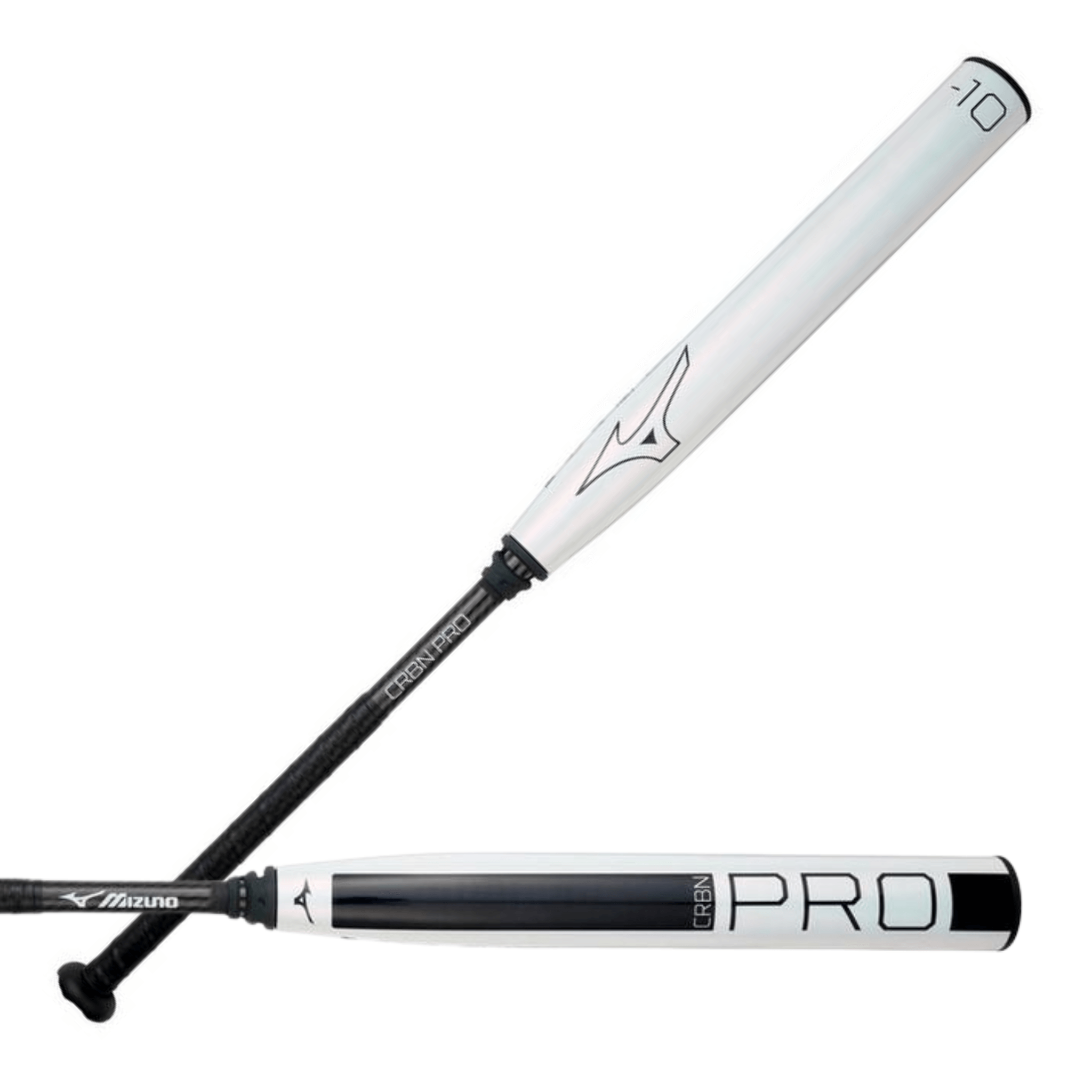
Softball bats often have thicker handles to fit larger hands. This design improves comfort during play.
Baseball bats usually have thinner handles. This allows better control for quick swings.
- Softball handles focus on reducing hand fatigue.
- Baseball handles aim to enhance grip and precision.
- Both use grip tape or rubber for better hold.
Material Variations
Handle materials affect the feel and performance of the bat. Softball bats often use composite materials for a softer grip.
Baseball bats may use wood, aluminum, or composite materials. Wood handles offer a traditional feel but less shock absorption.
- Composite handles reduce vibration in softball bats.
- Aluminum handles in baseball bats provide lightness and strength.
- Wood handles give natural grip but can be less forgiving.
Performance Differences
Softball and baseball bats are designed differently to fit each sport’s needs. These differences affect how players swing and hit the ball.
Understanding performance differences helps players choose the right bat for better results on the field.
Swing Speed
Softball bats are usually lighter and shorter than baseball bats. This design helps players swing faster in softball.
- Baseball bats are longer and heavier, which can slow down swing speed.
- Faster swing speed in softball helps players react to the slower pitch speed.
- Baseball requires more power, so swing speed balances with weight for strong hits.
Power And Distance
Baseball bats are built to generate more power, sending the ball farther. Softball bats focus on quick contact and control.
| Bat Type | Weight | Typical Distance |
| Baseball Bat | 30-34 oz | 300+ feet |
| Softball Bat | 26-30 oz | 200-250 feet |
Choosing The Right Bat
Choosing the right bat can affect your performance in softball or baseball. Each sport has specific bat types designed for its rules and play style.
Understanding the differences helps players pick a bat that fits their age, skill, and the game they play.
Player Age And Skill
Younger and less experienced players need bats that are lighter and easier to swing. Older or skilled players may prefer bats with more weight for power.
- Kids under 10 should use lightweight bats with shorter length.
- Teen players can handle longer bats with balanced weight.
- Advanced players may choose heavier bats for stronger hits.
- Always check bat length and weight limits for your league.
Game Type Considerations
Softball and baseball use different bat materials and sizes. Knowing the game type ensures you pick a legal and effective bat.
| Feature | Softball Bat | Baseball Bat |
| Length | 26 to 34 inches | 28 to 34 inches |
| Weight | Lighter for faster swing | Varies; often heavier |
| Material | Composite or aluminum | Wood or metal |
| Barrel Size | Fatter barrel for larger ball | Smaller barrel |
| League Rules | Must meet ASA/USA standards | Must meet Little League or MLB rules |

Credit: www.betweenthelinesaz.com
Frequently Asked Questions
What Are The Main Differences Between Softball And Baseball Bats?
Softball and baseball bats differ in length, weight, and barrel diameter. Baseball bats are typically longer and heavier. They have a smaller barrel diameter compared to softball bats. These differences are designed to accommodate the different ball sizes and pitching styles in each sport.
Can You Use A Baseball Bat For Softball?
Using a baseball bat for softball is not recommended. Baseball bats are designed for different ball sizes and pitching speeds. They may not perform well with a softball. Additionally, using the wrong bat can affect your swing mechanics and overall performance.
Why Are Softball Bats Lighter Than Baseball Bats?
Softball bats are lighter to accommodate the larger ball size and underhand pitching style. Lighter bats allow for better control and faster swing speeds. This helps players make better contact with the ball, ensuring optimal performance on the field.
Are There Size Regulations For Softball And Baseball Bats?
Yes, both sports have size regulations for bats. Baseball bats must comply with specific length and weight limits. Similarly, softball bats must meet certain length and weight standards. These regulations ensure fair play and maintain consistency across different levels of competition.
Conclusion
Softball and baseball bats look alike but have clear differences. Softball bats are usually shorter and lighter than baseball bats. The materials used and bat sizes vary to fit each sport’s rules. Using the right bat helps players perform better and stay safe.
Choosing between them depends on the game you play. Knowing these differences makes picking a bat easier and smarter. Play with the right gear, enjoy the game more.