
Are you wondering if your stainless steel bowls can go straight into the dishwasher without a second thought? You’re not alone.
Knowing whether these bowls are dishwasher safe can save you time, protect your kitchenware, and keep your bowls looking brand new. You’ll discover the truth about cleaning stainless steel bowls, common mistakes to avoid, and simple tips to make your life easier.
Keep reading—you’ll never have to guess again when it comes to caring for your stainless steel bowls.
Stainless Steel Bowls Basics
Stainless steel bowls are common in kitchens. They are known for being strong and long-lasting. Many people ask if these bowls are dishwasher safe.
Understanding the materials and types of stainless steel helps you care for these bowls properly.
Materials And Construction
Stainless steel bowls are made from metal alloys. These alloys mix iron with other metals like chromium and nickel. This mix helps prevent rust and adds strength.
- Chromium protects the bowl from rust and stains
- Nickel adds shine and durability
- Some bowls have an aluminum base to spread heat evenly
- Bowls often have a polished or brushed finish
The quality of the construction affects if the bowl can go in the dishwasher without damage.
Types Of Stainless Steel
| Type | Composition | Common Use |
| 304 (18/8) | 18% Chromium, 8% Nickel | Most kitchen bowls, dishwasher safe |
| 316 (18/10) | 18% Chromium, 10% Nickel, plus Molybdenum | Higher corrosion resistance, premium bowls |
| 430 | 16-18% Chromium, no Nickel | Less expensive, prone to rust, hand wash recommended |
Knowing the type of stainless steel helps you decide if your bowl is dishwasher safe. Most 304 and 316 types handle dishwashers well.
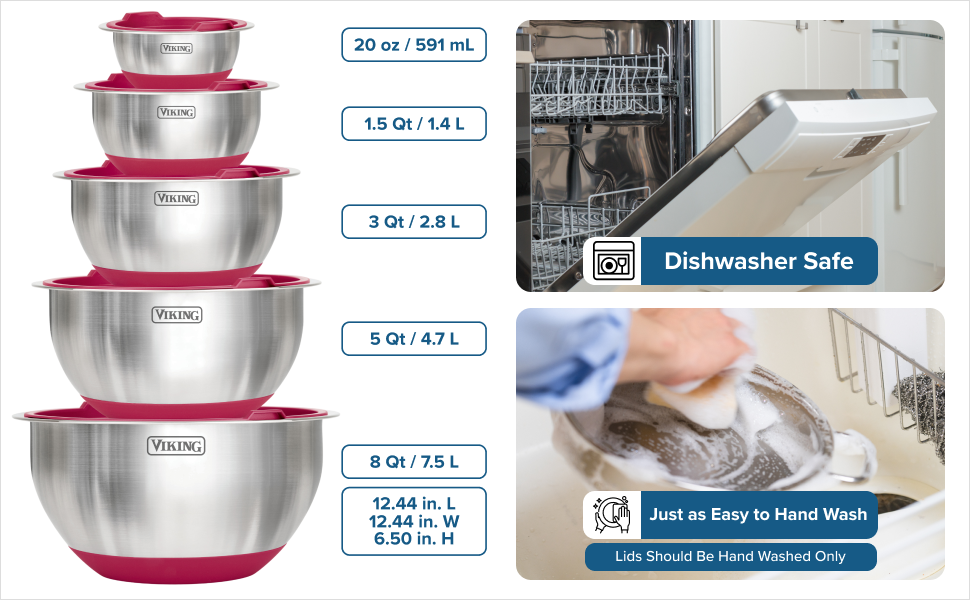
Credit: www.amazon.com
Dishwasher Safety Factors
Stainless steel bowls are popular in many kitchens. People want to know if they can clean them in a dishwasher safely.
Different factors affect if stainless steel bowls can handle dishwasher use. These include heat, corrosion, and detergents.
Heat Resistance
Stainless steel bowls can resist high temperatures well. Dishwashers use hot water to clean dishes thoroughly.
The metal does not warp or melt under dishwasher heat. This makes stainless steel safe to wash in dishwashers.
Corrosion And Rust Concerns
Stainless steel is made to resist rust and corrosion. But poor quality steel can still develop rust spots over time.
Dishwashers expose bowls to water and air often. This may increase the chance of rust if the steel is low grade.
- Look for high-quality stainless steel (like 18/8 or 18/10)
- Dry bowls quickly after washing to prevent rust
- Avoid leaving bowls wet inside the dishwasher for long
Detergent Effects
Dishwasher detergents can be strong and harsh. Some may cause dull spots on stainless steel bowls after many washes.
Using mild or stainless steel-friendly detergents can help keep bowls shiny. Avoid detergents with bleach or chlorine.
- Choose detergents made for stainless steel
- Rinse bowls before dishwasher use to remove food bits
- Use the dishwasher’s gentle cycle if available
Pros Of Using Dishwasher
Many people wonder if stainless steel bowls are safe in the dishwasher. Using a dishwasher offers several clear benefits for cleaning these bowls.
Let’s look at some advantages of cleaning stainless steel bowls in a dishwasher, focusing on convenience and sanitization.
Convenience And Time Saving
Dishwashers save time by cleaning many items at once. You do not need to scrub the bowls by hand.
- Load bowls with other dishes and start the machine.
- Set a timer and do other tasks while the dishwasher works.
- No need to dry bowls manually after washing.
- Less water use compared to washing by hand.
Sanitization Benefits
Dishwashers clean at high temperatures that kill many germs. This helps keep your bowls safe and healthy to use.
| Benefit | Explanation |
|---|---|
| High Heat | Water reaches temperatures that kill bacteria and viruses. |
| Strong Water Jets | Remove food particles from hard-to-reach areas. |
| Sanitizing Cycles | Special settings to ensure thorough cleaning and sterilization. |
Cons Of Using Dishwasher
Stainless steel bowls are popular in many kitchens. People often wonder if they can put these bowls in the dishwasher. While dishwashers are convenient, they can have some downsides for stainless steel bowls.
This section explains the main problems you might face when washing stainless steel bowls in a dishwasher.
Potential Damage Risks
Dishwashers use strong water pressure and high heat. This can cause dents or scratches on stainless steel bowls. The rough handling inside the dishwasher can harm the bowl’s surface.
Some detergents in dishwashers are harsh. They can cause corrosion or rust spots on stainless steel over time. This lowers the bowl’s quality and life span.
- Scratches from other dishes or utensils
- Dents from strong water jets
- Corrosion caused by harsh dishwasher detergents
- Rust spots forming after repeated washes
Appearance Changes Over Time
Repeated dishwasher cycles can dull the shine of stainless steel bowls. They may lose their bright, polished look. The surface can become cloudy or stained.
Dishwasher heat and chemicals can cause discoloration. The bowls might develop rainbow-like marks or spots. These changes make the bowls look older and less attractive.
- Dull finish replacing the original shine
- Cloudy or hazy surface appearance
- Rainbow-colored stains or marks
- Permanent discoloration after many washes
Tips For Dishwasher Use
Stainless steel bowls are popular in many kitchens. Using a dishwasher can save time and effort. It is important to follow some tips to keep the bowls clean and shiny.
This guide covers loading techniques, choosing the right cycle, and detergent recommendations for stainless steel bowls.
Loading Techniques
Place stainless steel bowls securely in the dishwasher. Avoid crowding them to allow water and detergent to reach all surfaces. Keep bowls facing downwards to drain water properly.
- Do not stack bowls inside each other.
- Place bowls on the top rack if possible.
- Keep bowls away from plastic items to avoid heat damage.
- Ensure bowls do not block spray arms.
Choosing The Right Cycle
Use a gentle or normal wash cycle for stainless steel bowls. Avoid high heat cycles to prevent discoloration or warping. If bowls are heavily soiled, use a longer cycle but check manufacturer instructions.
| Cycle Type | When to Use | Temperature |
| Normal | Everyday cleaning | 120°F (49°C) |
| Gentle | Lightly soiled bowls | 110°F (43°C) |
| Heavy | Heavily soiled bowls | 130°F (54°C) |
Detergent Recommendations
Choose a mild detergent made for dishwashers. Avoid detergents with bleach or citrus, as they can damage stainless steel. Use the correct amount of detergent to prevent residue build-up.
- Use powder or gel detergents designed for stainless steel.
- Avoid using too much detergent.
- Consider detergents with rinse aids for better shine.
- Check if your dishwasher has a stainless steel safe detergent option.
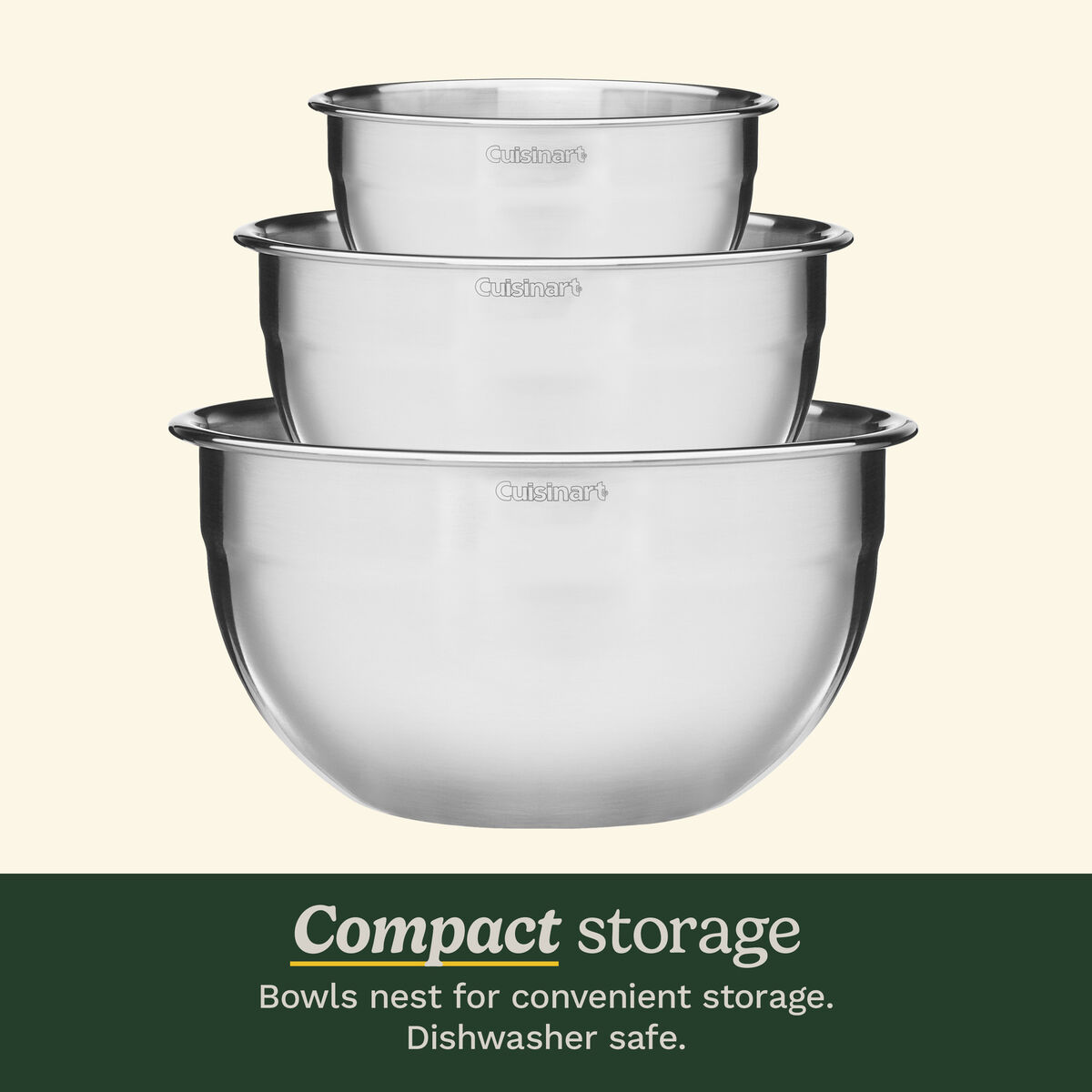
Credit: www.cuisinart.com
Hand Washing Vs Dishwasher
Stainless steel bowls are popular for their durability and style. Cleaning them properly keeps them shiny and safe for food.
This article looks at hand washing and dishwasher use. It helps you decide the best way to clean your bowls.
When To Hand Wash
Hand washing is gentle and helps protect your stainless steel bowls. Some situations are better for hand washing.
- If the bowl has stains or stuck-on food, hand washing works best.
- When the bowl has decorative finishes, hand washing prevents damage.
- If the dishwasher is too full, hand washing avoids poor cleaning.
- For quick cleaning, hand washing saves time and water.
Comparing Cleaning Effectiveness
Both hand washing and dishwashers clean well. Each has pros and cons on how well they clean stainless steel bowls.
| Cleaning Method | Advantages | Disadvantages |
| Hand Washing | Gentle on finishes, controls water temperature | Time-consuming, may miss spots |
| Dishwasher | Easy and fast, sanitizes well | Can cause spotting, rough on delicate finishes |
Special Care For Different Bowls
Stainless steel bowls come in many types. Each type needs different care to keep it safe in the dishwasher.
Some bowls have shiny finishes, while others have mixed materials. Knowing how to wash them helps keep them looking good.
Polished Vs Matte Finishes
Polished stainless steel bowls have a shiny, smooth surface. Matte bowls have a dull, textured look.
Polished bowls usually handle dishwashers better. Matte finishes can get damaged or stained by harsh detergents.
- Polished bowls: Safe for dishwasher, but avoid strong detergents
- Matte bowls: Better to hand wash to keep texture
- Dry bowls immediately to prevent water spots
Mixed Material Bowls
Some bowls combine stainless steel with wood or plastic parts. These need special care in dishwashers.
Wood parts can crack or warp if put in the dishwasher. Plastic parts may fade or melt at high heat.
- Remove wooden parts before washing
- Check if plastic parts are dishwasher safe
- Use the top rack for plastic parts to avoid heat damage
- Hand wash mixed material bowls if unsure
Common Myths And Facts
Many people wonder if stainless steel bowls are safe to clean in dishwashers. There are some common myths that cause confusion. Let’s look at the facts about these bowls and dishwashers.
Understanding how stainless steel reacts in dishwashers helps you take care of your kitchen tools better. We will clear up some false ideas and explain important labels.
Rust Formation Myths
One common myth is that stainless steel bowls will rust if washed in a dishwasher. Stainless steel is made to resist rust and corrosion. It usually does not form rust easily.
Rust can happen if the bowl is made with low-quality steel or if it is damaged. Also, leaving bowls wet for a long time can cause rust spots. Dishwashers alone do not cause rust on good stainless steel bowls.
- High-quality stainless steel resists rust well
- Damaged or cheap steel may rust over time
- Leaving bowls wet can cause rust spots
- Dishwasher cleaning does not cause rust by itself
Dishwasher Safe Labels Explained
Many stainless steel bowls come with dishwasher safe labels. These labels mean the bowl can handle dishwasher cleaning without damage. It does not guarantee the bowl will stay shiny forever.
Some bowls without labels can still be dishwasher safe. The labels show the manufacturer tested the bowl for dishwasher use. If no label is present, check the product details or test carefully.
- “Dishwasher Safe” means the bowl can go in the dishwasher
- It does not mean the bowl will never scratch or dull
- Labels come from manufacturer testing
- No label means extra care is needed
Maintaining Stainless Steel Bowls
Stainless steel bowls are durable and easy to care for. Proper maintenance keeps them looking new and lasting longer.
Regular cleaning and stain removal are key to good upkeep. This guide will help you maintain your stainless steel bowls well.
Regular Cleaning Habits
Clean your stainless steel bowls after every use. This stops food from sticking and prevents stains.
- Rinse bowls with warm water right after use.
- Use mild dish soap and a soft sponge to wash.
- Avoid steel wool or harsh scrubbers that scratch the surface.
- Dry bowls immediately with a soft cloth to prevent water spots.
- Run stainless steel bowls in the dishwasher if safe, but check manufacturer advice first.
Removing Stains And Spots
Sometimes stains or spots form despite regular cleaning. Use these safe methods to remove them without damage.
| Type of Stain | Cleaning Method |
| Water spots | Wipe with a cloth dipped in vinegar, then rinse and dry. |
| Food stains | Make a paste of baking soda and water, scrub gently, rinse well. |
| Rust spots | Use a soft cloth with lemon juice or cream of tartar, rinse thoroughly. |
| Discoloration from heat | Apply a mixture of vinegar and water, scrub lightly, rinse and dry. |

Credit: www.amazon.com
Frequently Asked Questions
Can Stainless Steel Bowls Go In The Dishwasher?
Yes, most stainless steel bowls are dishwasher safe. They resist corrosion and are durable. However, always check the manufacturer’s instructions. Some decorative finishes or attachments might not be suitable. Placing them in the top rack can further protect them from intense heat.
Do Dishwashers Damage Stainless Steel Bowls?
Dishwashers generally do not damage stainless steel bowls. They are designed to withstand high temperatures and detergents. However, avoid overcrowding to prevent scratches. Some harsh detergents might dull the finish over time. Always follow care instructions for best results.
Are All Stainless Steel Bowls Dishwasher Safe?
Not all stainless steel bowls are dishwasher safe. Some have coatings or decorations that may not withstand dishwasher cycles. Always check the product label or manufacturer’s instructions before placing them in the dishwasher. This ensures their longevity and maintains their appearance.
How To Prevent Stainless Steel Bowls From Rusting?
To prevent rusting, dry stainless steel bowls immediately after washing. Avoid using harsh detergents or abrasive scrubbing pads. Store them in a dry place to minimize moisture exposure. Regularly check for any signs of rust and clean them with a baking soda paste if needed.
Conclusion
Stainless steel bowls handle dishwashers well most of the time. They resist rust and keep their shine longer. Avoid harsh detergents to protect their surface. Place bowls properly to prevent scratches during washing. Regular cleaning helps maintain their quality and safety.
Using a dishwasher saves time and effort. Choose stainless steel bowls for easy, quick cleanup. Keep these tips in mind for lasting, clean bowls. Simple care ensures your bowls stay in great shape.