
Are you worried that your stainless steel cutting board might be ruining your knives? It’s a common concern for many home cooks and chefs alike.
You want to keep your knives sharp and ready, but you also want a cutting surface that’s easy to clean and durable. You’ll discover the truth about stainless steel cutting boards and how they really affect your knives. By the end, you’ll know exactly what’s best for your kitchen and your blades.
Keep reading to protect your knives and make smarter choices every time you chop.
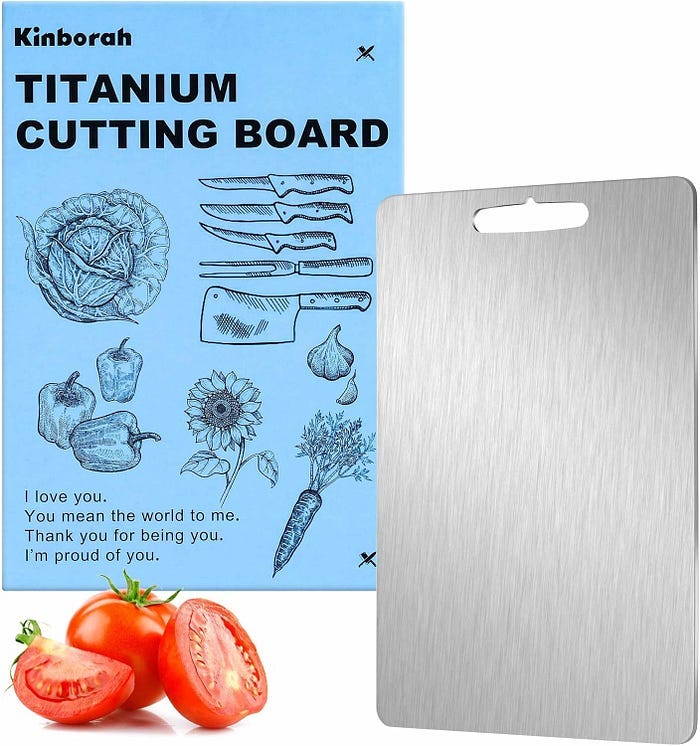
Credit: medium.com
Impact Of Stainless Steel On Knife Edges
Stainless steel cutting boards are popular in kitchens. Some people wonder if they harm knife edges. The hardness of the board affects how knives stay sharp.
Using a very hard surface can dull knives faster. It is important to understand the effect of stainless steel on blades.
How Steel Hardness Affects Blades
Stainless steel cutting boards are very hard. Hard surfaces can cause knife edges to chip or dull quickly. Softer boards are gentle on knives.
Knife blades are made from steel that can be softer or harder than the board. When a knife hits a harder surface, the edge can wear down faster.
- Harder boards cause more blade damage
- Softer boards help keep knives sharp longer
- Using a hard board needs more knife sharpening
Common Signs Of Knife Dulling
Knives lose their sharpness over time. Using a stainless steel board may speed this process. Knowing signs of dull knives helps keep blades safe.
Dull knives can be dangerous because they need more force. Watch for these signs to know when to sharpen your knife.
- Blade slips off food while cutting
- More pressure needed to cut items
- Edges look rounded instead of sharp
- Food gets crushed instead of sliced cleanly

Credit: medium.com
Comparing Cutting Board Materials
Cutting boards come in many materials. Each type affects your knives differently.
Choosing the right board helps keep knives sharp and safe for food.
Wooden Vs Stainless Steel Boards
Wooden boards are soft and gentle on knives. They help keep edges sharp longer.
Stainless steel boards are hard. They can dull knives faster because of their tough surface.
- Wood absorbs moisture, which can help keep knives safe
- Steel does not absorb, making it less hygienic
- Wood needs regular cleaning and oiling to last
- Steel is easy to clean but may damage blades
Plastic Boards And Knife Safety
Plastic boards are common and affordable. They are softer than steel but harder than wood.
They can cause less knife wear than steel but more than wood. Plastic boards can get scratched easily.
- Plastic boards are dishwasher safe
- Deep scratches can trap bacteria
- Replace plastic boards when heavily worn
- Good for cutting raw meat to avoid cross-contamination
Bamboo And Other Alternatives
Bamboo boards are harder than wood but still softer than steel. They offer a natural look.
Other materials like glass or stone are very hard and can damage knives quickly. Bamboo is a good middle choice.
- Bamboo is eco-friendly and durable
- Glass and stone boards are harsh on knives
- Bamboo needs regular cleaning and drying
- Choose a board that suits your cooking style and knife care
Knife Maintenance Tips
Stainless steel cutting boards are tough but may affect your knives. Proper care helps keep your blades sharp and safe. Good knife maintenance lasts longer and cuts better.
Learn how to sharpen and store knives the right way. These tips protect your blades from damage and wear.
Proper Sharpening Techniques
Sharpen knives regularly to keep the edges strong. Use a sharpening stone or a honing rod to fix dull blades. Avoid electric sharpeners that remove too much metal quickly.
Sharpen at the correct angle for your knife type. Usually, a 15 to 20-degree angle works best. Use smooth, even strokes for consistent sharpness.
- Choose a sharpening stone with coarse and fine sides
- Hold the blade steady and slide it across the stone
- Keep a steady angle while sharpening both sides
- Finish with a honing rod to align the edge
Storage Practices To Protect Blades
Store knives properly to avoid dulling and damage. Avoid tossing knives in drawers where blades can hit hard objects. Use knife blocks or magnetic strips for safe storage.
Keep knives dry and clean before storing. Moisture can cause rust and weaken the blade. Proper storage keeps knives sharp and ready for use.
- Use a wooden or plastic knife block
- Try magnetic strips to hang knives securely
- Keep knives separated to stop blade contact
- Clean and dry knives before storage
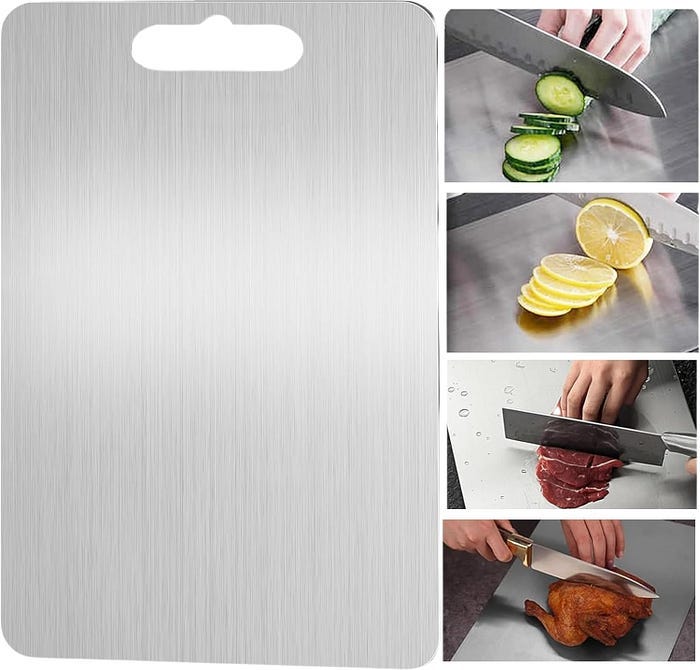
Credit: medium.com
When To Use Stainless Steel Boards
Stainless steel cutting boards are not always the best choice for every kitchen task. They have specific uses where they perform well. Knowing when to use them helps protect your knives and improves your cooking experience.
These boards are especially useful for tasks that need cleanliness and durability. They are also good when you want a surface that is easy to clean and maintain.
Benefits For Specific Tasks
Stainless steel boards work well with foods that can stain or leave strong odors. They are ideal for cutting raw meat and fish. The hard surface prevents bacteria from soaking in.
- Cutting raw meat and fish
- Preparing acidic fruits like lemons and tomatoes
- Handling foods that stain wooden or plastic boards
- Using as a surface for hot pots or pans
Hygiene And Cleaning Advantages
Stainless steel boards are non-porous and do not absorb liquids. This makes them very hygienic. You can clean them easily with soap and water. They do not trap bacteria or smells.
| Cleaning Method | Effectiveness |
| Soap and warm water | Removes most food residues |
| Dishwasher | Safe and thorough cleaning |
| Bleach solution | Kills bacteria and viruses |
| Vinegar rinse | Removes odors |
Expert Opinions And Studies
Stainless steel cutting boards often raise questions about their effect on knives. Experts and studies offer insights on this topic. Understanding their views helps in choosing the right cutting board.
This article shares opinions from professional chefs and scientific research results. It explains if stainless steel boards harm knife edges or not.
Professional Chef Insights
Many chefs say stainless steel cutting boards are very hard on knives. The metal surface can dull blades faster than wood or plastic. This happens because steel is harder than the knife edge.
Chefs prefer softer cutting boards to keep their knives sharp longer. They say using stainless steel boards may mean sharpening knives more often. Some chefs avoid steel boards for regular kitchen use.
- Stainless steel boards cause faster knife dulling
- Wood and plastic boards are gentler on blades
- Chefs need frequent sharpening with steel boards
- Steel boards are often used for heavy-duty tasks
Scientific Research Findings
Studies show that cutting on hard surfaces wears down knives quickly. Stainless steel is one of the hardest materials used for boards. Tests compare steel with wood and plastic surfaces.
Results reveal knives lose sharpness faster on steel. The metal surface causes more edge chipping and dulling. Softer materials absorb some blade pressure, reducing damage.
| Cutting Board Material | Effect on Knife Sharpness |
|---|---|
| Stainless Steel | High edge wear and dulling |
| Wood | Low edge wear, gentle on blades |
| Plastic | Moderate wear, softer than steel |
Frequently Asked Questions
Do Stainless Steel Boards Damage Knives?
Yes, stainless steel cutting boards can dull knives faster. The hard surface provides no give, causing more wear on blades. Frequent use may lead to more sharpening, shortening the knife’s lifespan. Consider using gentler materials like wood or plastic for better knife maintenance.
Why Choose Stainless Steel Cutting Boards?
Stainless steel cutting boards are durable and hygienic. They resist stains, odors, and are easy to clean. They are great for cutting raw meats, as they prevent bacterial growth. However, they can be harsh on knives, so balance their use with softer cutting surfaces.
How To Maintain Knives With Stainless Steel Boards?
Regularly sharpen your knives to counteract dulling from stainless steel boards. Use a honing rod or sharpening stone. Clean and dry knives immediately after use to prevent rust. Consider using a combination of cutting surfaces to reduce wear on your blades.
Are Stainless Steel Boards Hygienic?
Yes, stainless steel boards are highly hygienic. They resist bacteria and are easy to sanitize. Their non-porous surface prevents moisture absorption and bacterial growth. However, ensure regular cleaning to maintain their hygiene. This makes them ideal for raw meat and seafood preparation.
Conclusion
Stainless steel cutting boards can harm your knives over time. Their hard surface dulls blades faster than wood or plastic. Using these boards often means sharpening knives more frequently. For longer knife life, softer cutting boards work better. Choose boards that protect your blades and stay clean.
Remember, your knife’s sharpness depends on the cutting surface. Keep knives sharp by picking the right board. Simple choices make a big difference in your kitchen.