Are you wondering if stainless steel cutting boards are a healthy choice for your kitchen? You might have seen them popping up online or in stores and asked yourself, “Are they safe to use with my food?” It’s natural to want to protect yourself and your family from harmful bacteria or chemicals while preparing meals.
You’ll discover the truth about stainless steel cutting boards—how they affect your health, their pros and cons, and what experts say. By the end, you’ll know exactly whether a stainless steel cutting board deserves a spot in your kitchen. Keep reading to make the best choice for your health and cooking!
Benefits Of Stainless Steel Boards
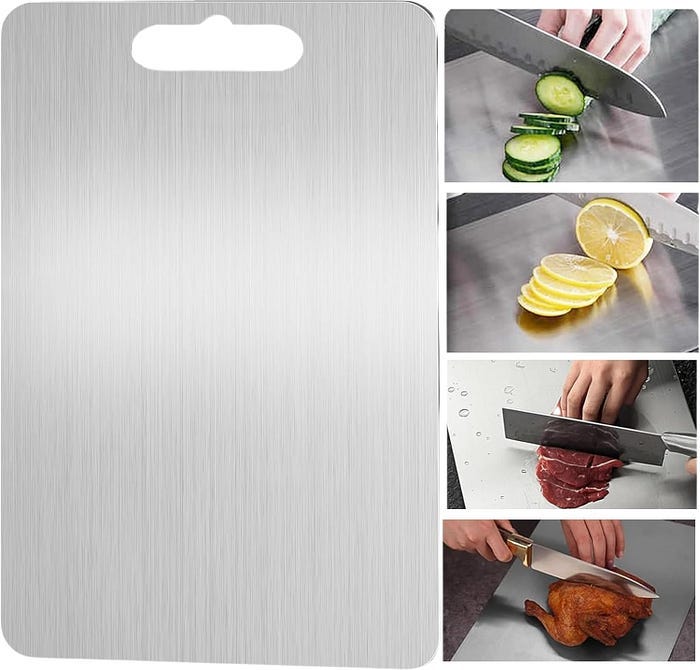
Stainless steel cutting boards offer many benefits for kitchen use. They provide a safe and clean surface for food preparation.
This type of board is popular because it is strong, easy to clean, and resists damage over time.
Non-porous Surface Advantages
Stainless steel boards have a non-porous surface. This means they do not absorb liquids or food particles.
This feature helps prevent stains and odors from building up. It also makes cleaning quick and simple.
Resistance To Bacteria And Germs
The non-porous quality also limits bacteria growth. Germs cannot hide in cracks or pores.
- Easy to sanitize with soap and water
- Safe for raw meat and vegetables
- Reduces risk of cross-contamination
Durability And Longevity
Stainless steel boards last a long time. They resist scratches, dents, and warping.
| Feature | Benefit |
| Scratch Resistant | Maintains smooth surface |
| Heat Resistant | Safe for hot pots and pans |
| Rust Resistant | Long-term use without damage |
Potential Health Concerns
Stainless steel cutting boards are popular in many kitchens. People want to know if they are safe to use. Some concerns focus on health risks from metal and food quality changes.
This article looks at metal leaching risks and how these boards affect food taste and quality.
Metal Leaching Risks
Metal leaching means tiny amounts of metal can enter food from the cutting board. Stainless steel contains metals like nickel and chromium.
People with metal allergies might react to these metals. Acidic foods can increase metal release. The risk is usually low but worth noting.
- High acid foods like lemons or tomatoes may cause more leaching.
- Scratches on the board might increase metal exposure.
- Regular cleaning reduces the chance of harmful buildup.
- Most studies find metal levels below harmful limits.
Impact On Food Taste And Quality
Stainless steel cutting boards do not absorb smells or stains. This keeps food tasting fresh. Some users say the metal feel can change how food tastes.
| Factor | Effect on Food |
| Metal Surface | Does not absorb odors or colors |
| Cold Touch | May give a metallic taste to some foods |
| Cleaning | Easy to wash, no residue left behind |
| Durability | Resists deep cuts that trap bacteria |
Comparison With Other Cutting Boards
Choosing the right cutting board affects kitchen safety and food health. Stainless steel boards are one option among many. Let’s compare them with wood, plastic, and bamboo boards.
This comparison helps you see the benefits and drawbacks of each type. It focuses on health, cleaning, and durability.
Wood Vs Stainless Steel
Wood cutting boards are gentle on knives and have natural antibacterial properties. They absorb moisture, which can trap bacteria if not cleaned well. Stainless steel boards do not absorb liquids, making them easier to clean.
Stainless steel boards are very durable and resistant to stains. They can be slippery and might dull knives faster than wood boards.
- Wood is softer and kinder to knives.
- Wood can absorb bacteria if not dried properly.
- Stainless steel is non-porous and easy to sanitize.
- Stainless steel may make knives dull quicker.
Plastic Vs Stainless Steel
Plastic boards are lightweight and affordable. They are easy to clean but can develop deep scratches over time. These scratches may hold bacteria.
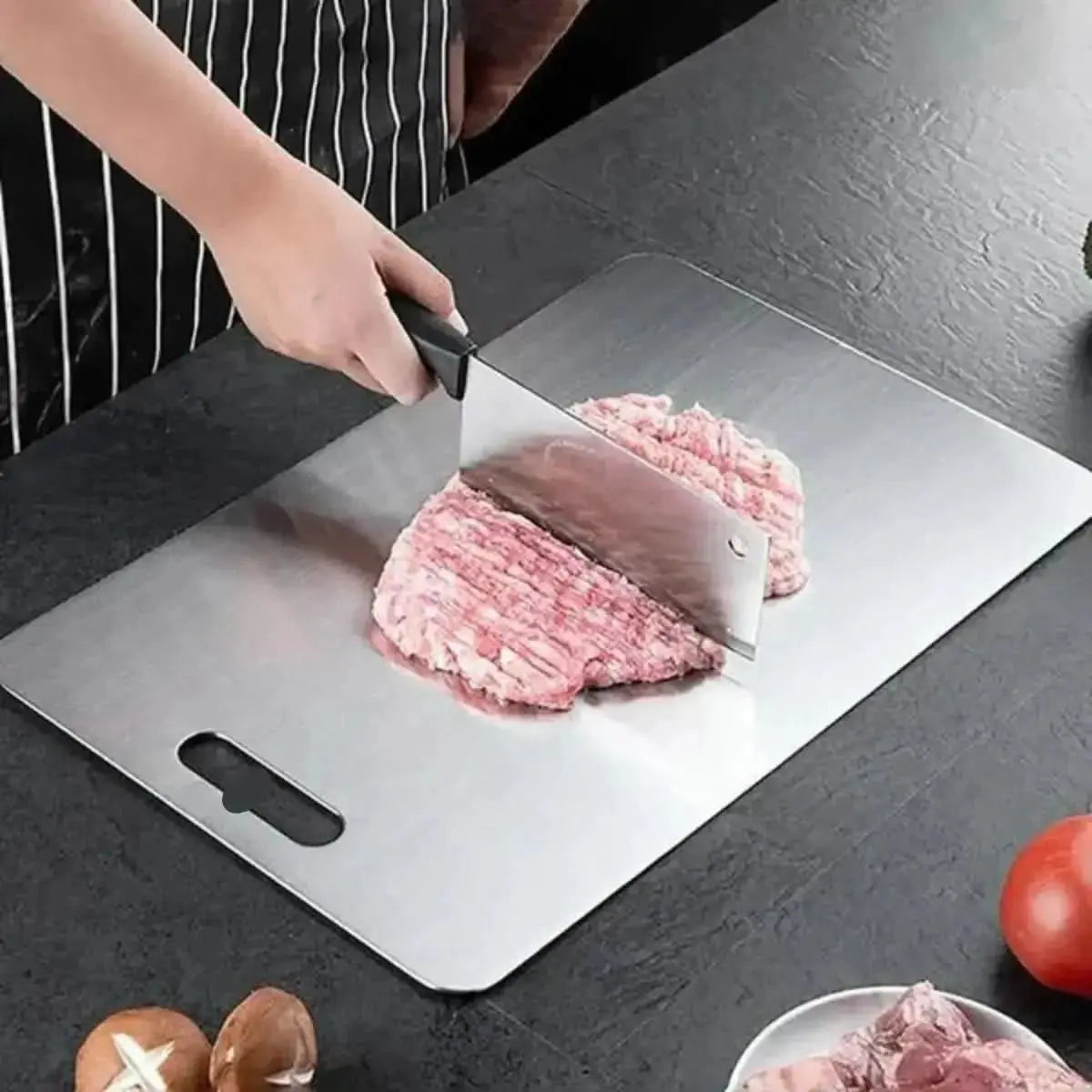
Stainless steel boards do not scratch easily and do not hold bacteria. They are heavier and can be noisy when chopping.
- Plastic boards are cheap and light.
- Plastic can get scratched, hiding bacteria.
- Stainless steel is hard and resists scratches.
- Stainless steel is heavier and noisier.
Bamboo Vs Stainless Steel
Bamboo boards are eco-friendly and harder than wood. They resist moisture better than wood but still can absorb liquids. Bamboo is less durable than stainless steel.
Stainless steel boards last longer and do not absorb moisture. They clean easily but are less gentle on knives than bamboo.
- Bamboo is renewable and harder than wood.
- Bamboo can still absorb moisture and bacteria.
- Stainless steel lasts longer and cleans well.
- Stainless steel can dull knives faster than bamboo.
Credit: titancuttingboard.com
Maintenance And Cleaning Tips
Stainless steel cutting boards are a healthy choice if you keep them clean. Proper care helps avoid germs and keeps the board in good shape.
Learn easy ways to sanitize and protect your stainless steel cutting board. This helps it last longer and stay safe for food prep.
Proper Sanitizing Methods
Clean your stainless steel cutting board after each use to kill bacteria. Use hot soapy water and rinse well.
For deeper cleaning, use a mild bleach solution or white vinegar. This removes germs without harming the surface.
- Wash with hot, soapy water right after use
- Rinse thoroughly to remove soap
- Wipe with white vinegar or diluted bleach (1 tablespoon bleach per gallon of water)
- Let air dry completely before storing
Avoiding Scratches And Damage
Scratches can trap bacteria and make cleaning harder. Use care to avoid cutting too hard or using sharp tools incorrectly.
Do not use steel wool or harsh scrubbers. These can scratch the surface and reduce the board’s lifespan.
- Use knives gently on the board
- Choose soft sponges or cloths for cleaning
- Do not use abrasive cleaners or scrubbers
- Store the board in a dry place to prevent damage
Choosing The Right Stainless Steel Board
Stainless steel cutting boards are popular for their durability and cleanliness. Picking the right board helps keep your kitchen safe and easy to use.
This guide covers important features to check before buying a stainless steel board.
Material Grades To Consider
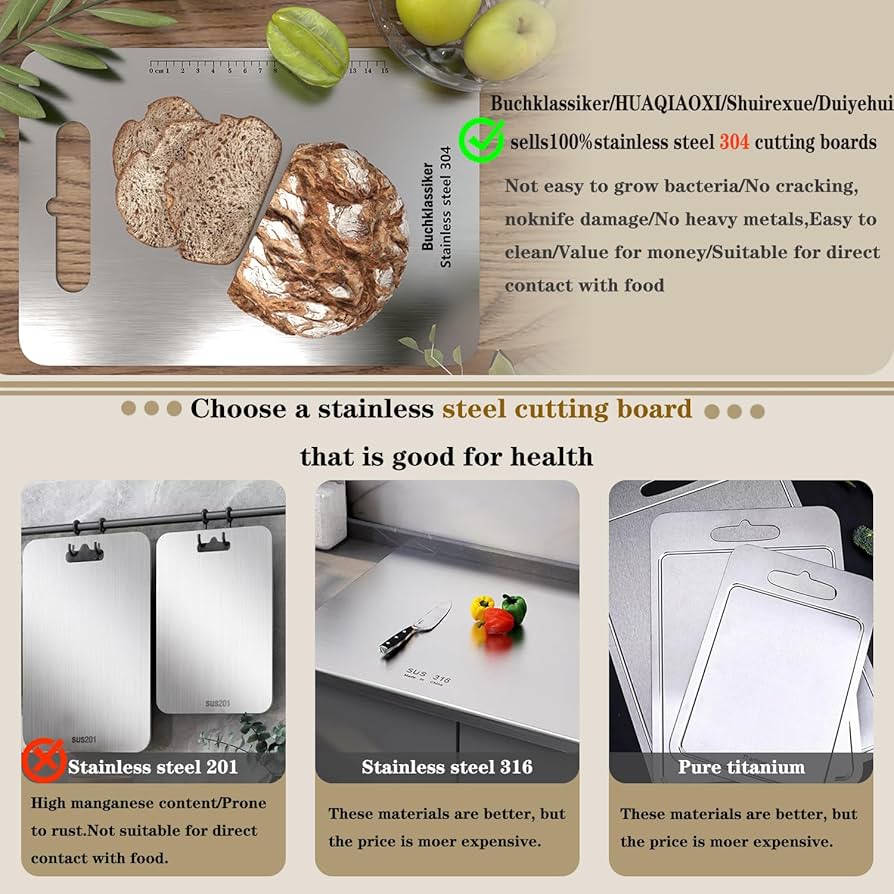
Stainless steel comes in different grades. Some are better for cutting boards because they resist rust and stains.
- 304 Grade: Common and food safe. It holds up well against corrosion.
- 316 Grade: More expensive but stronger against chemicals and salt.
- 430 Grade: Less expensive but can rust faster and is not recommended for cutting boards.
Size And Thickness Options
Choosing the right size and thickness is important for comfort and safety. Large boards give more space, but need more storage room.
| Thickness | Use | Benefit |
|---|---|---|
| 0.5 mm | Light use | Lightweight but less sturdy |
| 1.0 mm | Regular kitchen use | Good balance of weight and strength |
| 1.5 mm or more | Heavy-duty use | Very durable and stable |

Credit: www.amazon.com
Credit: medium.com
Frequently Asked Questions
Are Stainless Steel Cutting Boards Safe For Food?
Yes, stainless steel cutting boards are safe for food. They are non-porous and resistant to bacteria. Unlike wood or plastic, they don’t absorb juices or odors. They are also easy to sanitize. This makes them a hygienic choice for food preparation.
Do Stainless Steel Boards Dull Knives?
Stainless steel cutting boards can dull knives over time. The hard surface is less forgiving than wood or plastic. To maintain knife sharpness, regular honing and sharpening are recommended. Consider using a softer board for delicate knives to extend their lifespan.
Are Stainless Steel Boards Eco-friendly?
Yes, stainless steel boards are eco-friendly. They are durable and long-lasting, reducing waste. Made from recyclable materials, they have a low environmental impact. Choosing stainless steel supports sustainability and reduces reliance on disposable plastic or wood boards.
How Do You Clean Stainless Steel Boards?
Cleaning stainless steel boards is easy. Wash with hot, soapy water and rinse thoroughly. For stubborn stains, use a mild abrasive cleaner. Dry immediately to prevent water spots. Regular cleaning maintains hygiene and prolongs the board’s lifespan.
Conclusion
Stainless steel cutting boards offer a safe and clean surface for food. They resist bacteria better than some other materials. Cleaning them is easy and quick, helping keep germs away. These boards do not absorb liquids or odors. They last a long time and stay strong.
Choosing stainless steel helps protect your health in the kitchen. Simple care keeps them safe for daily use. A smart choice for anyone who cooks often.