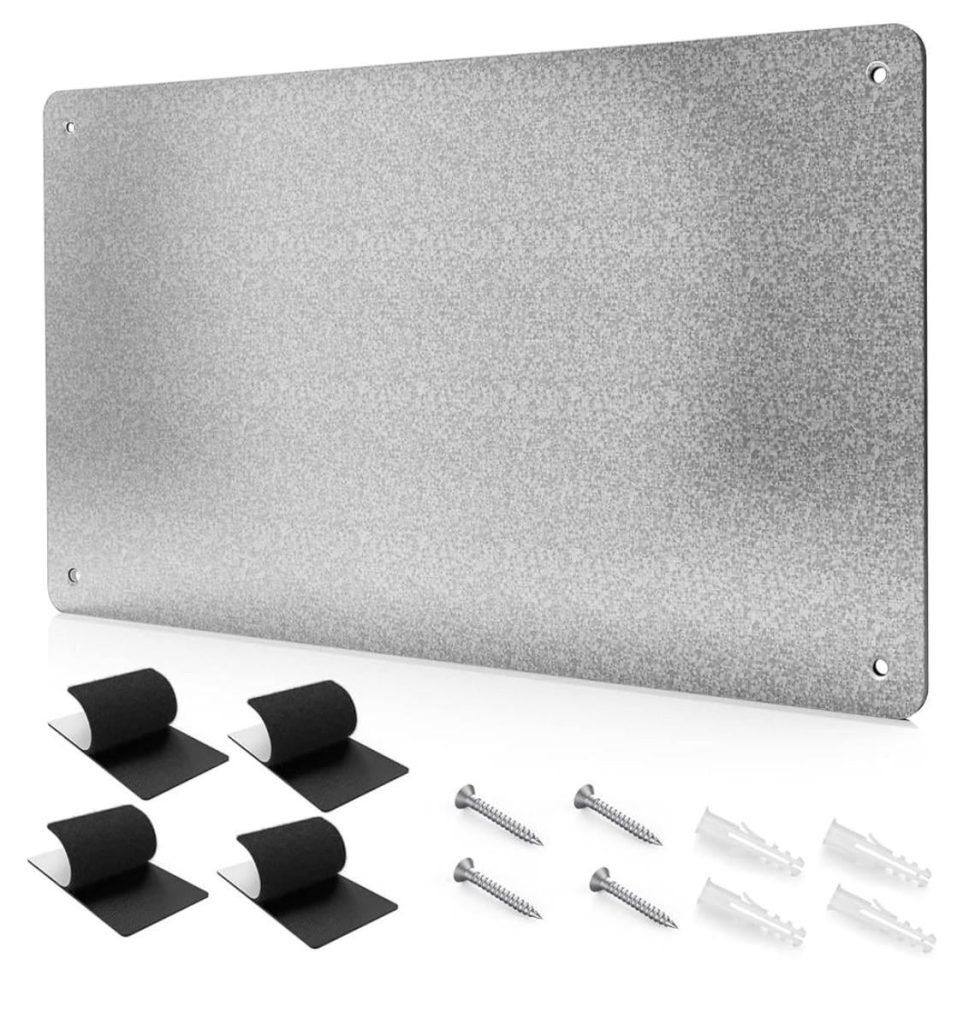
Have you ever found yourself trying to stick a magnet on your shiny new stainless steel refrigerator, only to watch it slide down helplessly to the floor? It’s a curious little dilemma that has puzzled many homeowners.
You might wonder, are stainless steel refrigerators magnetic, or is it just your fridge playing tricks on you? Understanding the magnetic properties of stainless steel can save you from frustration and help you make informed decisions about your kitchen appliances.
We’ll unlock the mystery behind why some stainless steel refrigerators attract magnets while others don’t. So, if you’re keen to discover the science behind this and how it affects your daily life, keep reading to uncover the facts that will change the way you look at your kitchen forever!
Magnetism And Stainless Steel
Magnetism and stainless steel share an interesting relationship. Not all stainless steel is magnetic. The magnetic property depends on the type of stainless steel used. This affects whether magnets stick to your refrigerator or not. Understanding magnetism and stainless steel helps explain why some refrigerators attract magnets while others do not.
How Magnetism Works
Magnetism happens because of moving electric charges. Atoms in magnetic materials have electrons spinning in the same direction. This creates magnetic fields. Materials like iron, cobalt, and nickel are magnetic because of this. Magnets attract these materials easily.
Non-magnetic materials have atoms with electrons spinning in different directions. Their magnetic fields cancel out. These materials do not attract magnets.
Properties Of Stainless Steel
Stainless steel is an alloy made mainly of iron, chromium, and sometimes nickel. The mix of metals changes its properties. There are different types of stainless steel:
- Ferritic:Magnetic and contains little or no nickel.
- Martensitic:Magnetic and often used in knives.
- Austenitic:Usually non-magnetic and contains high nickel.
Most stainless steel refrigerators use austenitic steel. This type does not attract magnets easily. Some cheaper models use ferritic steel, which is magnetic. Knowing the type of stainless steel helps understand if your fridge is magnetic.

Credit: www.familyhandyman.com
Types Of Stainless Steel In Refrigerators
Stainless steel comes in different types, each with unique features. These types affect the refrigerator’s look, strength, and magnetism. Knowing these types helps understand why some stainless steel refrigerators attract magnets and others do not.
Austenitic Stainless Steel
Austenitic stainless steel is the most common in refrigerators. It contains high levels of chromium and nickel. This type is shiny and resistant to rust. It does not attract magnets because of its crystal structure. Many modern stainless steel fridges use this type for its sleek appearance and durability.
Ferritic Stainless Steel
Ferritic stainless steel has more iron and less nickel. It is less shiny but more magnetic than austenitic steel. This type resists corrosion well but is not as strong. Some refrigerators use ferritic steel to give a magnetic surface. This allows magnets to stick to the fridge door.
Martensitic Stainless Steel
Martensitic stainless steel is hard and strong. It contains more carbon and iron, making it magnetic. This type is less common in refrigerators but appears in some parts like handles. Martensitic steel can rust more easily but offers good toughness and magnetic properties.
Magnetic Behavior Of Different Stainless Steels
Stainless steel comes in several types, each with unique properties. One key feature is its magnetic behavior. This trait depends on the steel’s internal structure and composition. Understanding this helps explain why some stainless steel refrigerators attract magnets while others do not.
Non-magnetic Austenitic Steel
Austenitic stainless steel contains high levels of chromium and nickel. This mix makes it very resistant to rust and corrosion. Its crystal structure is face-centered cubic, which does not support magnetism.
Most stainless steel refrigerators use austenitic steel. This is why many of these fridges do not attract magnets. They offer a sleek look and strong durability without magnetic pull.
Magnetic Ferritic And Martensitic Steel
Ferritic stainless steel has a body-centered cubic structure. It contains less nickel but more chromium. This type is magnetic and often used in appliances and automotive parts.
Martensitic stainless steel has a body-centered tetragonal structure. It can be heat treated for extra strength. This steel is also magnetic and found in knives and tools.
Some refrigerator parts may use ferritic or martensitic steel for strength. These sections will attract magnets, unlike the main body made from austenitic steel.
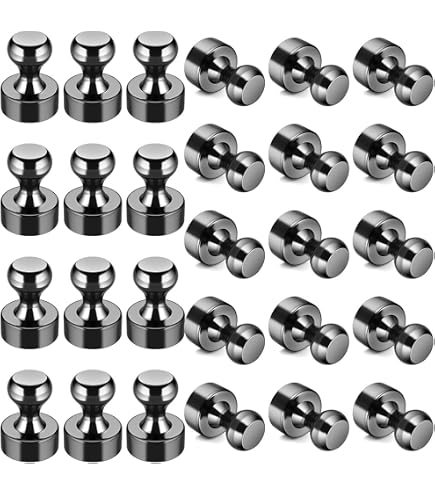
Credit: www.amazon.ca
Why Some Stainless Steel Refrigerators Are Magnetic
Ever wondered why some stainless steel refrigerators attract magnets while others don’t? The answer lies deep in the metal’s makeup and its surface treatment. Understanding this can help you pick the right fridge if you love decorating with magnets or want a sleek, fingerprint-proof finish.
Material Composition
Stainless steel isn’t just one type of metal; it’s a family of alloys with varying amounts of iron, chromium, nickel, and other elements.
The key to magnetism here is the steel’s crystal structure. Some stainless steels, like those with higher nickel content (austenitic steels), are non-magnetic. Others, such as ferritic or martensitic steels, contain more iron in a magnetic form.
Think about your fridge at home. If magnets stick firmly, it likely uses a ferritic or martensitic alloy. If they barely cling or slide off, your fridge probably has an austenitic steel surface.
Surface Finishes And Coatings
Even if the base metal is magnetic, the surface finish can affect how magnets behave.
Many manufacturers add coatings or layers to reduce fingerprints, scratches, or to create a brushed look. These layers can be thin enough not to affect magnetism much, or they might include non-magnetic materials that weaken magnetic attraction.
Have you noticed how some stainless steel fridges feel smoother or shinier? That’s often due to these coatings. They can change the texture and sometimes make magnets less sticky, even if the underlying metal is magnetic.
Identifying Your Refrigerator’s Magnetic Properties
Understanding whether your stainless steel refrigerator is magnetic can be more useful than you might think. It helps you decide if you can stick magnets or notes on it, and it can even hint at the type of steel used. Let’s look at simple ways to identify your fridge’s magnetic properties so you know exactly what you’re dealing with.
Testing With A Magnet
Grab a small magnet and try it on different areas of your refrigerator’s surface. If the magnet sticks firmly, your fridge is magnetic. If it barely holds or falls off, the steel is likely non-magnetic.
Keep in mind that some stainless steel fridges have magnetic coatings or panels, so test multiple spots. This simple test often surprises people who assume all stainless steel is non-magnetic.
Manufacturer Specifications
Check your refrigerator’s manual or the manufacturer’s website for material details. Most companies list the type of stainless steel used and whether it’s magnetic.
Knowing the exact model number helps when searching for specs online or contacting customer support. This step saves time and gives you clear info without guesswork.

Credit: www.yahoo.com
Practical Implications Of Magnetic Stainless Steel
Understanding the practical implications of magnetic stainless steel in refrigerators can help you decide how to use your appliance more effectively. Not all stainless steel is magnetic, and this trait influences what you can stick on your fridge and how you maintain it. Let’s look closely at what magnetic stainless steel means for your daily life and kitchen setup.
Attaching Magnets And Accessories
Magnetic stainless steel refrigerators allow you to easily attach magnets, notes, photos, and other accessories. This can be a great way to personalize your kitchen or keep important reminders in plain sight.
If your fridge is magnetic, you can use magnetic spice racks, clip-on containers, or even a magnetic calendar to keep things organized without drilling holes. But if the stainless steel isn’t magnetic, these handy additions won’t stick, and you might need alternative options like adhesive hooks or suction cups.
Have you ever tried to put a photo on your fridge only to watch it slide down? That’s usually because the surface isn’t magnetic. Knowing this can save you frustration and help you pick the right fridge for your needs.
Durability And Maintenance
Magnetic stainless steel often indicates a higher content of ferritic or martensitic steel, which can be more resistant to wear and tear. This means your fridge might stand up better to dents and scratches over time.
Cleaning magnetic stainless steel is straightforward. You can wipe away fingerprints and smudges with a soft cloth and mild detergent. However, be careful with abrasive cleaners as they can damage the finish.
Non-magnetic stainless steel tends to be austenitic, which is usually more corrosion-resistant but softer. So, while it might resist rust better, it could show scratches more easily. Which type of durability matters more to you—resistance to scratches or corrosion?
Common Myths About Stainless Steel Refrigerators
Stainless steel refrigerators often spark curiosity and confusion, especially about their magnetic properties. Many myths surround these appliances, leading to misunderstandings about their material and functionality. Clearing up these myths helps you make smarter choices when picking the right refrigerator for your kitchen.
All Stainless Steel Is Non-magnetic
One common myth is that all stainless steel is non-magnetic. This isn’t true. Stainless steel comes in different types, some magnetic and some not.
For example, the most common stainless steel used in refrigerators is the 300 series, which is generally non-magnetic. But the 400 series stainless steel is magnetic and is often used in appliance manufacturing.
If you’ve ever tried sticking a magnet on your fridge, you may have noticed it sticks sometimes and sometimes doesn’t. This depends on the steel type used in the refrigerator’s surface. Knowing this can save you from unnecessary confusion when buying magnets or fridge accessories.
Magnetism Affects Quality
Another myth is that magnetism impacts the quality or durability of stainless steel refrigerators. This idea is misleading. Magnetism is related to the metal’s composition, not its strength or performance.
Stainless steel’s corrosion resistance and durability depend on its alloy makeup and finishing process, not on whether it attracts magnets. Magnetic stainless steel can be just as durable and resistant to rust as non-magnetic types.
Have you ever worried that a magnetic fridge might rust faster? Rest assured, the quality depends more on maintenance and environmental factors than on magnetism. So, don’t let this myth influence your choice.
Frequently Asked Questions
Are Stainless Steel Refrigerators Magnetic Or Not?
Most stainless steel refrigerators are magnetic due to their iron content. However, some use non-magnetic stainless steel, making them less likely to attract magnets.
Why Are Some Stainless Steel Refrigerators Non-magnetic?
Non-magnetic refrigerators use austenitic stainless steel, which contains more nickel. This composition reduces magnetism but offers excellent corrosion resistance and a sleek look.
Can Magnets Damage Stainless Steel Refrigerator Surfaces?
No, magnets generally do not damage stainless steel surfaces. They stick well without scratching or harming the finish, making them safe for decoration or notes.
How To Check If My Stainless Steel Fridge Is Magnetic?
Use a simple magnet test. Place a magnet on the fridge surface; if it sticks firmly, the fridge is magnetic. If not, it likely uses non-magnetic steel.
Conclusion
Stainless steel refrigerators may or may not be magnetic. It depends on the type of steel used. Some stainless steel contains iron, which makes it magnetic. Others use different metals, so magnets won’t stick. Knowing this helps when choosing a fridge.
You can decide if magnet use matters to you. This simple fact clears up common confusion. Now, you understand why some fridges attract magnets while others don’t. This knowledge makes shopping for appliances easier and smarter.