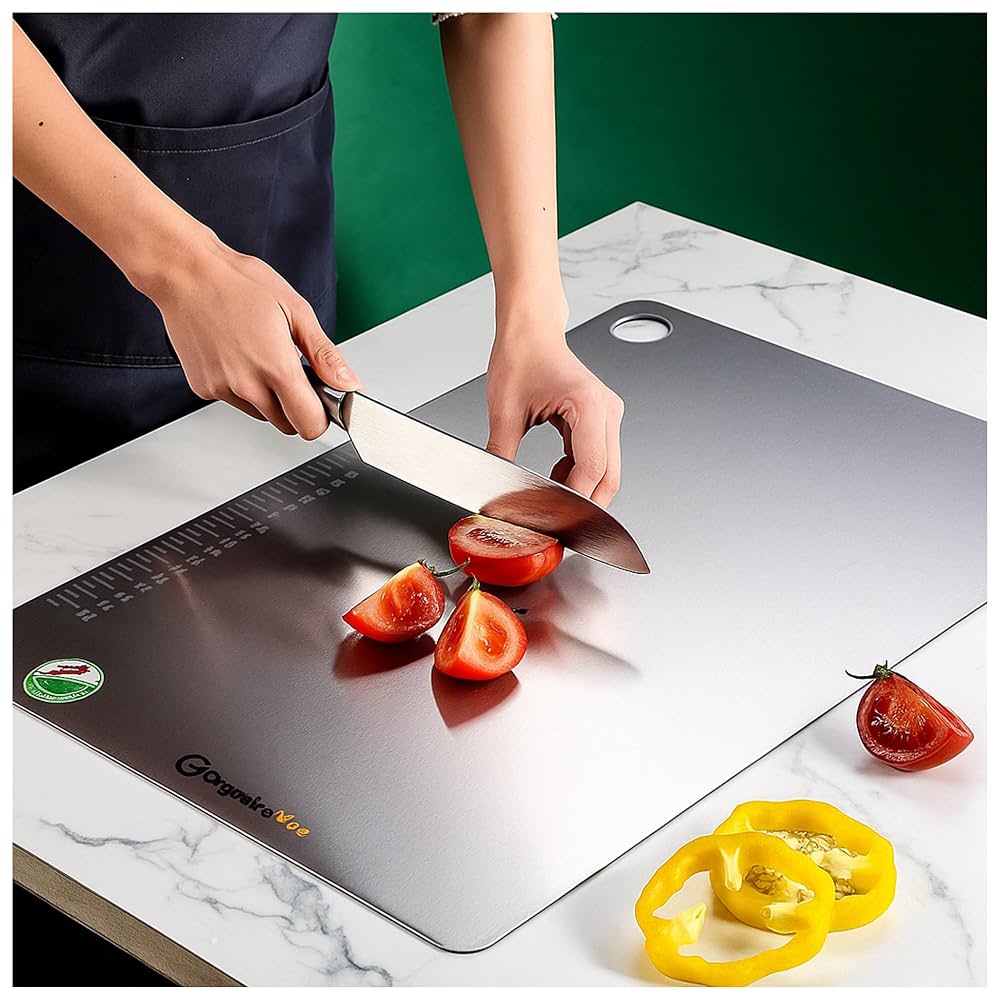
Are you wondering if steel cutting boards are the right choice for your kitchen? You might have heard mixed opinions about them, and it’s natural to ask whether they live up to the hype.
Choosing the perfect cutting board is more important than you think—it affects your food’s safety, your knife’s sharpness, and even how easy cleanup is. You’ll discover the surprising benefits and possible drawbacks of steel cutting boards. By the end, you’ll know exactly if they fit your cooking style and kitchen needs.
Keep reading to find out what makes steel cutting boards stand out—and if they’re really good for you.

Credit: vocal.media
Benefits Of Steel Cutting Boards
Steel cutting boards offer many advantages for kitchen use. They provide a strong and reliable surface for cutting and chopping.
These boards are favored by many chefs because of their unique properties. They keep your kitchen clean and safe.
Durability And Longevity
Steel cutting boards last much longer than wood or plastic boards. They do not crack or warp over time. Their solid metal surface withstands heavy use without damage.
Because steel is tough, these boards resist cuts and scratches. This means you will not need to replace them often, saving money in the long run.
Hygienic Surface
Steel cutting boards have a non-porous surface. This stops bacteria from hiding inside small cracks or holes. They are safer for preparing food compared to wood boards.
- Non-porous surface reduces bacteria growth
- Does not absorb juices from meat or vegetables
- Safer for raw foods
Resistance To Stains And Odors
Steel boards do not stain from colorful foods like tomatoes or beets. They also resist odors from strong-smelling ingredients such as garlic or onions.
| Material | Stain Resistance | Odor Resistance |
| Steel | High | High |
| Wood | Medium | Low |
| Plastic | Low | Medium |
Easy To Clean
Cleaning steel cutting boards is simple and quick. They can be washed with soap and hot water or put in the dishwasher without damage.
- Dishwasher safe
- Does not absorb water
- Quick drying surface
Drawbacks Of Steel Cutting Boards
Steel cutting boards have some clear disadvantages you should know. They are not perfect for every kitchen task.
Understanding these drawbacks helps you choose the right cutting board for your needs.
Potential To Dull Knives
Steel cutting boards are very hard and can wear down knife blades faster than wood or plastic. Cutting on steel means more frequent sharpening.
Using a steel board can reduce your knife’s sharpness quickly. This may lead to extra costs for maintenance.
Slippery Surface Issues
Steel surfaces are smooth and can be slippery when wet. This makes it harder to keep food steady while cutting.
Slippery boards increase the risk of accidents in the kitchen. You must be very careful when chopping on them.
Noise During Use
Cutting on steel boards creates loud noise. The sound of knives hitting the metal can be unpleasant and distracting.
This noise can be a problem in quiet environments or shared living spaces. It may annoy others nearby.
Weight And Handling
Steel cutting boards tend to be heavy. This weight makes them harder to move and clean compared to lighter boards.
Heavier boards may cause fatigue if you lift or carry them often. Handling can be less convenient in busy kitchens.
Steel Vs Other Cutting Board Materials
Choosing the right cutting board is important for your kitchen work. Steel cutting boards have some unique features. Let’s compare steel with wood, plastic, and bamboo boards.
Each material has its strengths and weaknesses. Understanding these can help you pick the best board for your needs.
Comparison With Wood
Wood cutting boards are popular for their natural look and knife-friendly surface. Steel boards are much harder and do not absorb liquids or odors.
Wood boards can last long if cared for well, but they may need regular oiling to prevent cracking. Steel boards do not require special care but can dull knives faster.
Comparison With Plastic
Plastic boards are lightweight and often dishwasher safe. Steel boards are heavier but more durable over time.
- Plastic boards can get deep cuts that trap bacteria.
- Steel boards resist cuts and do not hold bacteria easily.
- Plastic boards are cheaper but wear out faster.
- Steel boards are more expensive but last longer.
Comparison With Bamboo
Bamboo boards are eco-friendly and harder than wood. Steel boards are the hardest and do not absorb moisture.
| Feature | Steel | Bamboo |
| Durability | Very High | High |
| Knife Friendly | Low | Medium |
| Maintenance | Low | Medium |
| Weight | Heavy | Light |
| Eco-friendliness | Low | High |

Credit: www.amazon.ca
Best Uses For Steel Cutting Boards
Steel cutting boards are strong and durable. They work well for many kitchen tasks.
This guide explains where steel cutting boards are most useful in cooking and food prep.
Professional Kitchens
Steel cutting boards are common in professional kitchens. Chefs need tools that last long.
They resist stains and odors better than wood or plastic boards. Cleaning is easy and fast.
- Handle heavy use daily
- Stay hygienic with quick cleaning
- Resist damage from knives and heat
Meat Preparation
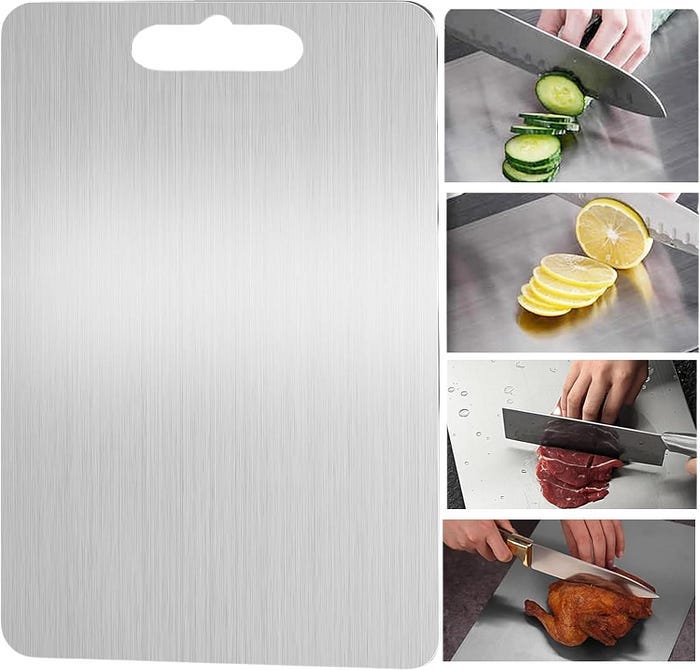
Steel boards are ideal for cutting meat. They do not absorb blood or juices.
They clean easily to prevent bacteria growth. This makes meat prep safer and cleaner.
- Do not warp or crack from moisture
- Easy to sanitize after use
- Durable against sharp knives
Heavy-duty Cutting Tasks
Steel boards handle tough cutting tasks well. They are strong enough for thick vegetables.
Chopping hard foods does not damage the board. It also protects your knives from dulling fast.
- Use for chopping nuts, squash, or bones
- Stay steady on counters during cutting
- Last longer than plastic or wood boards
Maintenance Tips For Steel Cutting Boards
Steel cutting boards are strong and long-lasting. They need care to stay in good shape. Proper maintenance keeps them safe and clean for food use.
Learn simple ways to clean, protect, and store your steel cutting board. These tips help it last longer and work better.
Cleaning Techniques
Clean your steel cutting board after every use. Use warm water and mild soap to remove food residues. Avoid harsh chemicals that can damage the surface.
- Rinse with warm water immediately after use
- Use a soft sponge with mild detergent
- Dry the board completely to avoid rust
- For tough stains, use a paste of baking soda and water
- Never soak the board for long periods
Preventing Scratches And Dents
Steel boards resist damage better than wood, but they can still scratch or dent. Use knives carefully to keep the surface smooth.
| Tip | Reason |
| Use sharp knives | Less pressure reduces scratches |
| Cut away from the board edges | Prevents dents and chipping |
| Do not drop heavy objects on board | Avoids dents and warping |
| Buff out minor scratches with fine steel wool | Restores smooth surface |
Storage Advice
Store your steel cutting board in a dry place. Proper storage stops rust and keeps it ready for use.
- Keep board upright or on a flat surface
- Avoid stacking heavy items on top
- Wipe dry before storing
- Use a board cover or cloth to protect from dust
Credit: medium.com
Frequently Asked Questions
Are Steel Cutting Boards Safe For Kitchen Use?
Yes, steel cutting boards are safe and hygienic. They resist bacteria buildup and are easy to clean with hot water and soap, making them ideal for food preparation.
Do Steel Cutting Boards Dull Knives Faster?
Steel cutting boards can dull knives quicker than wood or plastic. Their hard surface causes more blade wear, so frequent sharpening may be necessary for maintaining sharpness.
How Durable Are Steel Cutting Boards Compared To Others?
Steel cutting boards are extremely durable and resistant to damage. They won’t crack or warp like wood and plastic, making them long-lasting and ideal for heavy kitchen use.
Can Steel Cutting Boards Handle All Types Of Food?
Yes, steel cutting boards can handle fruits, vegetables, meats, and more. They are non-porous, preventing cross-contamination and making them suitable for all food types.
Conclusion
Steel cutting boards offer durability and easy cleaning. They resist stains and odors better than wood or plastic. Though they can dull knives faster, many find the trade-off worth it. Their sleek look fits modern kitchens well. Consider your cutting style before choosing one.
Overall, steel boards provide a solid option for many cooks. They combine hygiene with long-lasting use. A practical choice for everyday meal prep.