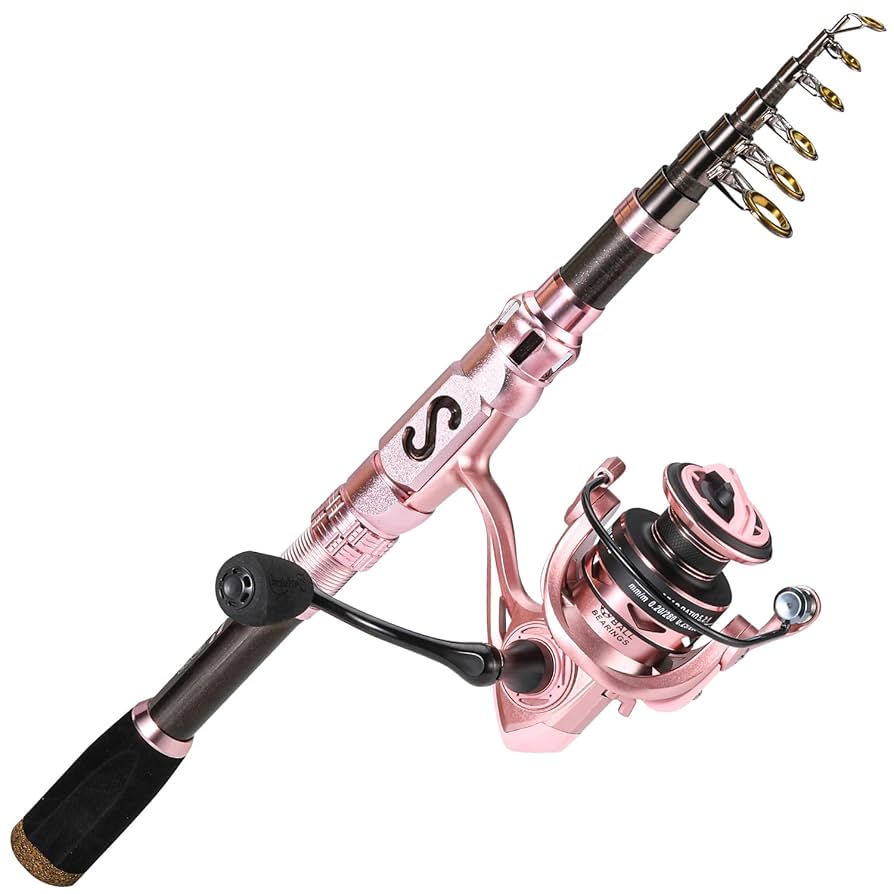
Are you wondering if telescoping fishing rods are really worth it? Whether you’re a beginner or an experienced angler, choosing the right rod can make or break your fishing experience.
Telescoping rods promise convenience and easy portability, but do they deliver on performance? You’ll discover the real pros and cons of these rods. By the end, you’ll know exactly if a telescoping fishing rod fits your style and needs. Keep reading to find out what might change the way you fish forever.

Credit: www.amazon.ca
Benefits Of Telescoping Rods
Telescoping fishing rods offer many benefits for anglers. They are designed to collapse into a compact form. This makes them easy to carry and use in many situations.
These rods suit both beginners and experienced fishers. Their design helps in handling different fishing needs with ease.
Portability And Convenience
Telescoping rods fold down to a small size. This feature makes them very easy to carry on trips. You can pack them in a backpack or small bag.
- Lightweight and easy to transport
- Fits in tight spaces like car trunks or backpacks
- Great for travel and hiking fishing trips
- Quick to set up and pack away
Ease Of Storage
Storing telescoping rods is simple. They take up less room than traditional rods. You can keep them in small closets or drawers at home.
| Storage Option | Space Needed |
| Telescoping Rod (collapsed) | Under 18 inches |
| Standard Rod | 5 to 7 feet |
| Rod Case | Varies, often large |
Versatility For Different Fishing Styles
Telescoping rods work well with many fishing methods. Anglers can use them in rivers, lakes, or the ocean. They adjust easily to different fish sizes and techniques.
- Freshwater fishing for bass or trout
- Saltwater fishing from shore or pier
- Fly fishing with lightweight setups
- Ice fishing with compact gear
Drawbacks To Consider
Telescoping fishing rods offer convenience but have some drawbacks. These issues may affect your fishing experience.
Understanding the downsides can help you decide if this type of rod fits your needs.
Durability Issues
Telescoping rods have many moving parts. This design can make them less durable than traditional rods.
Frequent collapsing and extending can wear out the joints. Dirt and sand may get trapped, causing damage.
- Joints can loosen over time
- Material may weaken at connection points
- More prone to break under heavy stress
Performance Limitations
Telescoping rods often do not perform as well as solid rods. They may feel less sensitive to fish bites.
The action and flex of the rod can be less smooth. This affects casting distance and accuracy.
- Reduced sensitivity to fish movements
- Shorter casting range
- Less control during hook sets
Potential For Line Tangling
Telescoping rods can cause fishing line to tangle more often. This happens especially when extending or collapsing the rod.
Tangles waste time and can weaken the fishing line. Extra care is needed to avoid knots and snags.
- Line may catch on rod sections
- More knots during setup and storage
- Increased risk of line damage
Materials And Build Quality
Telescoping fishing rods come in different materials. These materials affect how strong and flexible the rod is. The build quality also plays a big role in how well the rod performs and lasts.
Choosing the right material and good build quality helps you catch fish easier. It also makes sure your rod does not break or bend too much.
Common Materials Used
Many telescoping rods use graphite, fiberglass, or a mix of both. Graphite rods are light and sensitive. Fiberglass rods are stronger but heavier. Some rods use carbon fiber for better strength and lightness.
- Graphite: Light and sensitive
- Fiberglass: Strong and flexible
- Carbon fiber: Strong and lightweight
- Composite: Mix of materials for balance
Impact On Strength And Flexibility
Material choice changes how the rod bends and holds up under pressure. Stronger materials resist breaking but may be less flexible. Flexible rods bend more without snapping.
Good build quality means tight joints and smooth sections. This makes the rod stable and easier to use. Poor build quality can cause weak spots and less strength.

Credit: www.amazon.ca
Choosing The Right Telescoping Rod
Telescoping fishing rods are popular for their compact size and ease of transport. Choosing the right one depends on your fishing style and needs.
Understanding rod length, action, power, and budget can help you pick a good rod. These factors affect your fishing experience.
Matching Rod Length To Fishing Needs
Rod length influences casting distance and control. Short rods are good for close fishing and better control.
Longer rods help you cast farther and cover more water. Choose length based on where and how you fish.
- Short rods (4-6 feet): Best for small streams and tight spots
- Medium rods (7-9 feet): Good for general freshwater fishing
- Long rods (10 feet or more): Ideal for surf and long casts
Considering Rod Action And Power
Rod action tells how much the rod bends when you apply pressure. Fast action rods bend near the tip and offer quick response.
Rod power means the strength needed to bend the rod. Light power rods suit small fish, while heavy power rods handle bigger fish.
- Fast action: Sensitive and good for single hook sets
- Medium action: Versatile and balanced for many fish types
- Slow action: Bends along the rod, good for live bait
- Light power: Best for small fish and light lines
- Medium power: Good for medium-sized fish
- Heavy power: Made for large fish and heavy lures
Budget Vs Quality Trade-offs
Higher quality rods often use better materials and last longer. They feel lighter and perform better in tough conditions.
Lower-cost rods can work well for beginners or occasional fishing. They may not be as strong or sensitive as expensive rods.
- Expensive rods: Durable, light, and sensitive
- Affordable rods: Good for casual use but less durable
- Balance your budget with how often you fish
- Consider rod warranty and brand reputation
Maintenance Tips For Longevity
Telescoping fishing rods need care to last long. Good maintenance keeps them working well.
Simple habits after each use can protect your rod from damage and wear. This guide shares key tips.
Cleaning And Drying After Use
Clean your rod gently with fresh water after every fishing trip. Salt and dirt can cause rust and damage.
- Rinse the rod with fresh water to remove salt and dirt
- Use a soft cloth to wipe down all sections
- Allow the rod to dry completely before collapsing it
- Never store the rod wet or damp to avoid mold and rust
Proper Storage Techniques
Store your telescoping rod in a dry, cool place. Avoid direct sunlight to prevent material damage.
| Storage Tip | Reason |
| Keep rod extended or slightly collapsed | Prevents sections from sticking |
| Use a rod sleeve or case | Protects from dust and scratches |
| Store horizontally or hanging | Avoids bending or warping |
| Avoid heavy weight on the rod | Prevents breakage or dents |
Regular Inspections And Repairs
Check your rod often for cracks, loose guides, or corrosion. Early fixes stop bigger problems.
- Look for cracks or dents on rod sections
- Check guides and reel seat for tightness
- Replace worn or damaged parts quickly
- Use rod lubricant on joints if they feel stiff
- Consult a professional for major repairs
Comparing Telescoping Rods To Traditional Rods
Telescoping fishing rods fold into a compact size for easy transport. Traditional rods usually come in one or more fixed pieces.
This comparison looks at how these two rod types differ in performance, user experience, and cost.
Performance Differences
Traditional rods offer better sensitivity and strength. They flex more naturally, making it easier to feel bites.
Telescoping rods may lose some sensitivity due to the joints and sections. They work well for casual fishing but may not suit heavy fish.
User Experience Variations
- Portability:Telescoping rods collapse to a small size, ideal for travel.
- Setup Time:Traditional rods require assembly but feel more solid once set.
- Durability:Traditional rods tend to last longer with fewer weak points.
- Convenience:Telescoping rods are easy to carry but may need extra care to avoid damage.
Cost Comparison
| Type | Average Price Range | Value for Money |
| Telescoping Rods | $30 – $100 | Good for casual users and travelers |
| Traditional Rods | $50 – $300+ | Better for serious fishing and durability |

Credit: www.amazon.ca
Frequently Asked Questions
Are Telescoping Fishing Rods Durable For Regular Use?
Telescoping fishing rods are generally durable if made from quality materials. However, they may be less sturdy than one-piece rods. Proper care and maintenance extend their lifespan and performance for regular fishing activities.
How Portable Are Telescoping Fishing Rods For Travel?
Telescoping rods are highly portable due to their collapsible design. They easily fit into backpacks or luggage, making them ideal for travel and spontaneous fishing trips. This convenience is a major advantage over traditional rods.
Do Telescoping Rods Affect Fishing Performance?
Telescoping rods may slightly reduce sensitivity compared to fixed rods. However, modern designs minimize this difference. They offer good casting distance and control, suitable for most fishing situations and skill levels.
Are Telescoping Fishing Rods Suitable For Beginners?
Yes, telescoping rods are user-friendly and convenient for beginners. Their compact design and ease of use make them great for learning basic fishing techniques and exploring different fishing environments.
Conclusion
Telescoping fishing rods offer great convenience and easy transport. They save space and fit well in small bags. These rods are handy for casual and travel fishing. Some may not be as strong as fixed rods. Still, they work well for many fishing needs.
Choosing the right rod depends on your style and fishing spots. Overall, telescoping rods are a good choice for many anglers. Simple, compact, and practical—these rods make fishing easier.