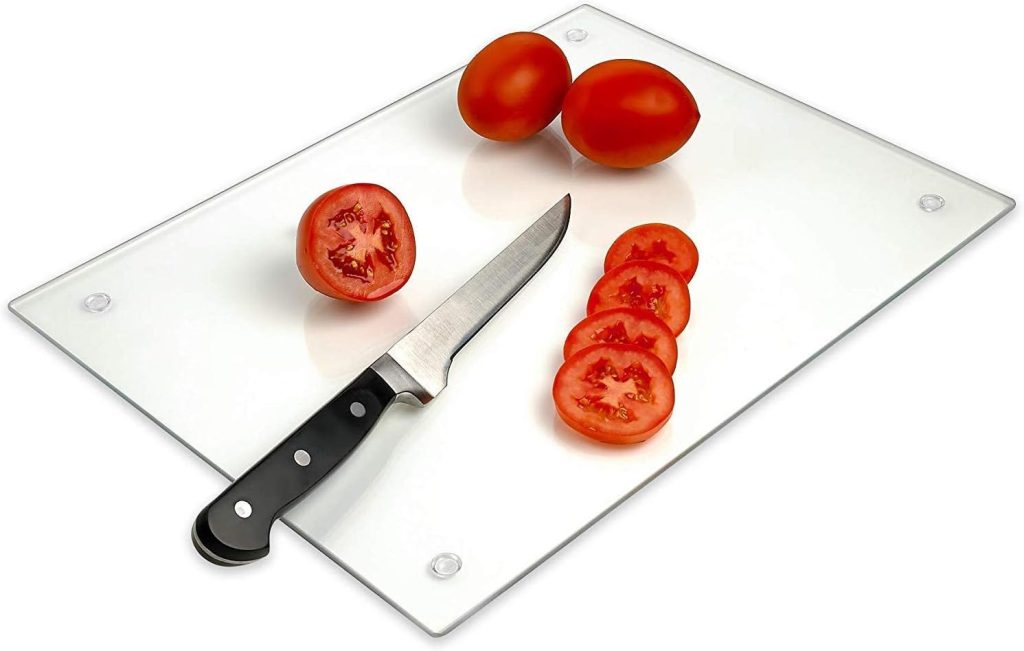
Are you thinking about using a tempered glass cutting board in your kitchen but wondering if it’s truly safe? You’re not alone.
With so many options out there, it’s easy to feel unsure about what’s best for your health and your cooking. You want a cutting board that’s not only stylish but also reliable and safe every time you chop, slice, or dice.
You’ll discover the facts about tempered glass cutting boards—how they perform, their safety features, and what you need to know before making them a part of your kitchen routine. Keep reading to make the smartest choice for you and your family.

Credit: www.amazon.com
Tempered Glass Basics
Tempered glass is a type of safety glass. It is stronger than regular glass.
Many people wonder if tempered glass cutting boards are safe. To answer, we must first understand tempered glass.
What Is Tempered Glass?
Tempered glass is glass treated to be stronger. It breaks into small, less sharp pieces.
This makes it safer than normal glass, which can break into big, sharp shards.
Manufacturing Process
Tempered glass is made by heating glass to high temperatures. Then, it cools quickly.
This process puts the outer surfaces into compression. The inside is under tension. This makes the glass stronger.
- Glass heats to about 620°C (1148°F)
- Rapid cooling with air blasts
- Surface compresses, core stretches
- Result is tough and safer glass
Common Uses In Kitchens
Tempered glass is common in many kitchen items. It is used for cutting boards, oven doors, and shelves.
Its strength and safety make it good for these uses. It resists heat and scratches well.
- Cutting boards
- Oven and microwave doors
- Shelves and cabinet doors
- Cooktops and splashes
Safety Features Of Tempered Glass
Tempered glass cutting boards are popular in many kitchens. They offer safety features that protect users during food preparation.
This article explains the main safety aspects of tempered glass. Learn about its strength, breakage, and heat resistance.
Strength And Durability
Tempered glass is much stronger than regular glass. It can handle daily kitchen use without cracking easily.
The durability comes from a special heating and cooling process. This makes the glass resistant to scratches and impacts.
- Withstands heavy chopping and cutting
- Resists dents and chips better than plastic
- Lasts longer even with frequent use
Breakage Behavior
Tempered glass breaks differently than normal glass. It shatters into small, blunt pieces instead of sharp shards.
This reduces the chance of serious cuts if the board breaks. The glass is safer for kitchen environments.
- Breaks into tiny, less dangerous bits
- Designed to reduce injury risk
- Does not create sharp edges like regular glass
Heat Resistance
Tempered glass cutting boards handle heat better than many other boards. They can withstand hot pots or pans briefly.
This heat resistance helps prevent warping or melting. It keeps the cutting board safe and stable during kitchen use.
- Can tolerate sudden temperature changes
- Does not melt or warp with hot items
- Safe for placing warm cookware temporarily
Risks Of Using Tempered Glass Cutting Boards
Tempered glass cutting boards are popular for their clean look. Many people wonder if they are safe to use every day.
This article explains the risks of using tempered glass cutting boards. Knowing these risks helps you choose the best cutting board for your kitchen.
Potential For Shattering
Tempered glass is strong but can still break. Sharp hits or dropping the board may cause it to shatter into small pieces.
- Sudden force can cause cracks.
- Shattered glass can cause injuries.
- Broken boards cannot be repaired.
Impact On Knives
Using a glass cutting board can dull knives quickly. The hard surface wears down knife edges faster than wood or plastic.
| Cutting Board Type | Effect on Knife Sharpness |
| Tempered Glass | Dulls knives very fast |
| Wood | Gentle on knives |
| Plastic | Moderate wear on knives |
Bacterial Concerns
Glass boards are easy to clean but may hide bacteria in small cracks. Over time, these cracks can grow and trap germs.
To reduce bacterial risks, follow these tips:
- Clean the board with hot, soapy water after use.
- Sanitize regularly with a mild bleach solution.
- Replace the board if cracks or chips appear.

Credit: chopchopusa.com
Expert Opinions On Safety
Tempered glass cutting boards have become popular in many kitchens. People often ask if they are safe to use. Experts from different fields share their views on this topic.
This article covers opinions from food safety experts, material scientists, and professional chefs. Their insights help understand the safety aspects of tempered glass boards.
Food Safety Experts
Food safety experts focus on hygiene and contamination risks. They say tempered glass boards do not absorb liquids or bacteria. This makes them easy to clean and sanitize.
- Tempered glass is non-porous, reducing germs.
- It can be washed with hot water and soap.
- Some boards are dishwasher safe.
- Cracks or chips can harbor bacteria and should be avoided.
Material Scientists
Material scientists study the strength and durability of tempered glass. They explain that it is made to resist breaking under stress. But if it breaks, it shatters into small, less harmful pieces.
| Aspect | Details |
| Strength | High resistance to impact and heat |
| Breakage | Shatters into small blunt pieces |
| Safety | Safer than regular glass when broken |
| Maintenance | Use plastic or wooden knives to avoid damage |
Professional Chefs
Professional chefs share their practical experience using tempered glass boards. They like the smooth surface but warn about dulling knives faster. They advise careful use to keep both the board and knives safe.
- Use plastic or ceramic knives to protect the board.
- Clean the board thoroughly after each use.
- Replace the board if cracks or chips appear.
- Avoid heavy chopping or pounding on the glass.
Alternatives To Tempered Glass Boards
Tempered glass cutting boards are popular but may not suit everyone. Many people look for other safe and practical options.
This guide covers some common alternatives. Each has its own benefits and care needs.
Wooden Cutting Boards
Wooden boards are classic and gentle on knives. They come in many types like maple, bamboo, and walnut.
They absorb liquids slightly, which helps prevent slipping. Regular oiling keeps them in good shape.
- Good for cutting vegetables, fruits, and bread
- Needs hand washing and drying
- Natural look fits many kitchens
Plastic Cutting Boards
Plastic boards are lightweight and easy to clean. Many are dishwasher safe, which helps kill germs.
They come in different colors to avoid cross-contamination. Plastic boards may wear out faster than wood.
- Affordable and widely available
- Good for raw meat and fish
- Replace when deep cuts appear
Composite Materials
Composite boards mix wood fibers with resin. They offer strength and water resistance in one board.
These boards are usually dishwasher safe and less prone to cracking. They balance durability with knife friendliness.
- Non-porous and easy to sanitize
- Long-lasting with moderate care
- Good for all kinds of food preparation

Credit: www.amazon.ca
Maintenance And Care Tips
Tempered glass cutting boards are popular for their durability and sleek look. Proper care helps keep them safe and in good condition.
Following simple maintenance steps can prevent damage and extend the life of your board.
Cleaning Guidelines
Clean tempered glass cutting boards after every use. Use warm, soapy water and a soft sponge. Avoid harsh scrubbers that can scratch the surface.
Dry the board completely to stop water spots and bacteria growth.
- Use mild dish soap and warm water
- Rinse well to remove soap residue
- Dry with a soft cloth or towel
- Avoid steel wool or abrasive pads
Preventing Damage
Tempered glass is strong but can break if dropped or hit hard. Handle your board with care to avoid cracks or chips.
Use the board only for cutting food, not for pounding or heavy chopping. Avoid cutting frozen foods directly on it.
- Do not drop or throw the board
- Use only for cutting, not pounding
- Keep away from extreme temperature changes
- Do not cut frozen foods on the board
Extending Lifespan
Store your glass cutting board in a safe place. Avoid stacking heavy items on top of it. This keeps it from cracking or warping.
Regular cleaning and gentle use help keep the surface smooth and safe for food preparation.
- Store flat or upright in a secure spot
- Keep away from direct heat sources
- Clean after each use to avoid stains
- Use a cutting mat for heavy chopping tasks
Frequently Asked Questions
Are Tempered Glass Cutting Boards Safe For Daily Use?
Yes, tempered glass cutting boards are safe for daily use. They are heat-resistant and non-porous, reducing bacteria buildup. However, they can dull knives faster and may crack if dropped.
Do Tempered Glass Cutting Boards Damage Knives?
Tempered glass cutting boards can dull knives quickly. The hard surface is unforgiving and wears down blade edges. Using a softer cutting board helps maintain sharp knives longer.
How Do Tempered Glass Cutting Boards Affect Food Safety?
Tempered glass boards are non-porous, preventing bacteria and odors. They are easy to clean and sanitize, making them hygienic for food preparation. This reduces cross-contamination risks.
Can Tempered Glass Cutting Boards Withstand Heat?
Yes, tempered glass cutting boards can withstand high heat. They resist heat shock better than regular glass. However, avoid placing hot pots directly to prevent damage.
Conclusion
Tempered glass cutting boards have pros and cons. They look sleek. Easy to clean. But they can dull knives quickly. Noise might be a concern. Safety depends on careful use. Consider your kitchen needs. Choose what suits you best. For knife longevity, wood might be better.
If hygiene is your priority, glass works well. Always handle with care. Check for scratches often. This ensures safety in your kitchen. Weigh the benefits and drawbacks. Make an informed decision. Keep your cooking space safe and efficient.