Are tent caterpillars showing up in your trees? You might be wondering if these fuzzy insects are harmful or just a harmless nuisance.
Understanding whether tent caterpillars are bad for your plants, garden, or even your home is important. You’ll learn the truth about what these caterpillars do, how they affect your environment, and what you can do about them. Keep reading to discover if tent caterpillars are something you should worry about or simply let be.
Credit: globalnews.ca
Tent Caterpillar Basics
Tent caterpillars are common pests found in various regions. They are known for creating silk tents in trees.
Understanding their appearance and behavior helps in identifying and managing them effectively.
Identification And Appearance
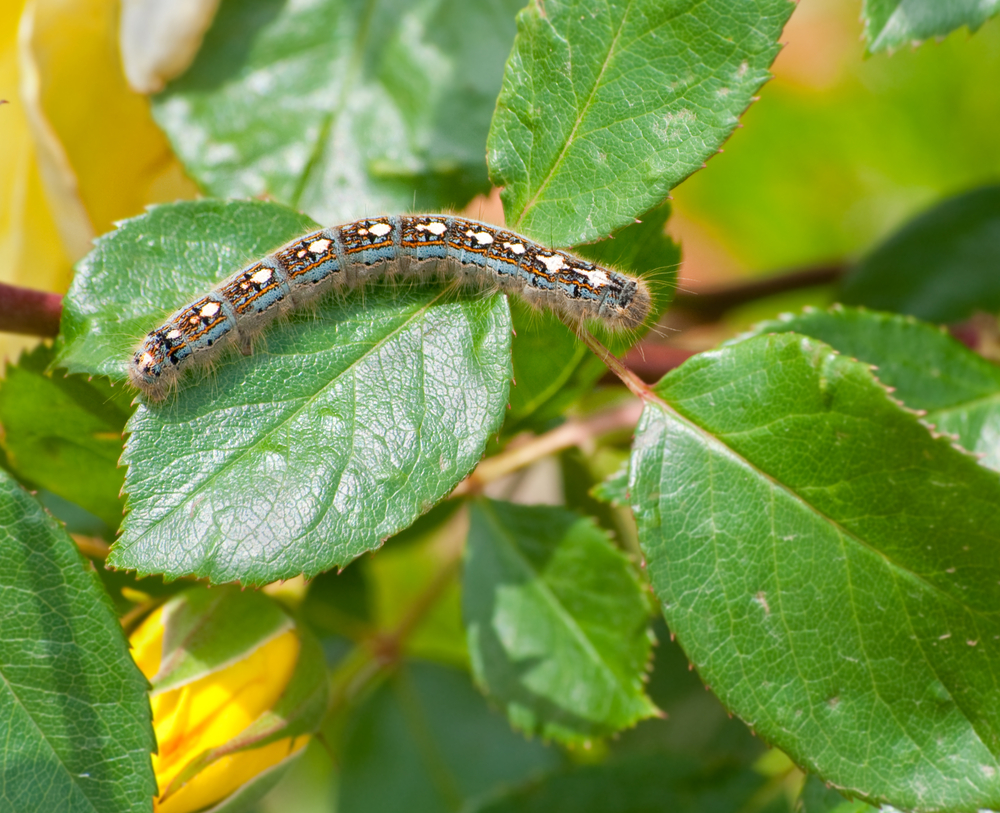
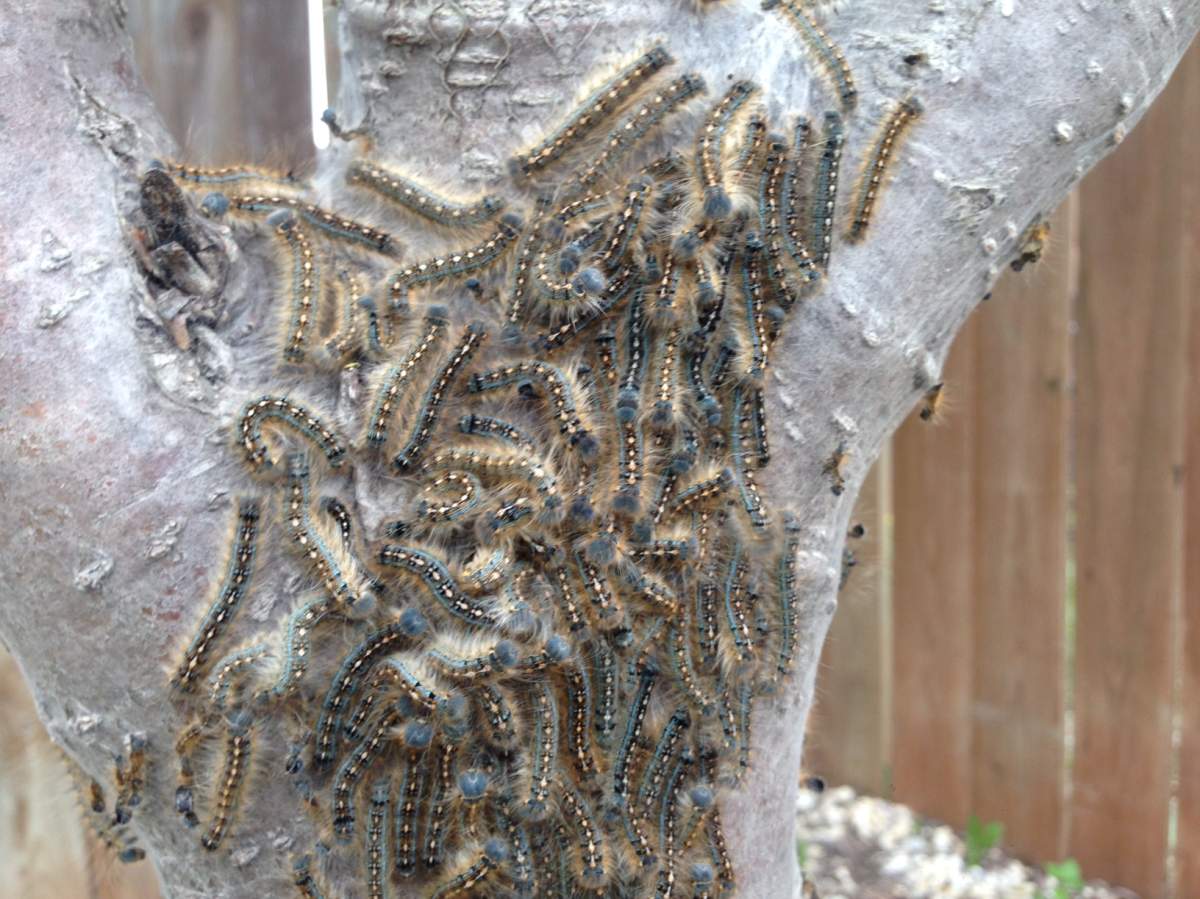
Tent caterpillars are small insects with distinct features. They are often seen in clusters.
| Feature | Description |
| Color | Usually black with white stripes |
| Length | Approximately 2 inches |
| Body | Hairy with a pattern of blue spots |
Lifecycle And Behavior
The lifecycle of tent caterpillars includes several stages. They exhibit unique behaviors during each stage.
- Egg Stage: Eggs are laid in masses on tree branches.
- Larval Stage: Caterpillars hatch and form silk tents.
- Pupal Stage: They transform into moths inside cocoons.
- Adult Stage: Moths emerge to lay new eggs.
Impact On Trees
Tent caterpillars are insects that feed on tree leaves. Their feeding can affect tree growth and health.
Understanding how these caterpillars impact trees helps in managing their presence.
Defoliation Effects
Tent caterpillars eat leaves, causing defoliation. This means trees lose many leaves quickly.
Leaf loss lowers a tree’s ability to make food through photosynthesis. This weakens the tree temporarily.
- Leaves are eaten in large groups
- Branch tips may be bare after feeding
- Trees look thin and less green
Tree Health Risks
Repeated defoliation can stress trees. Weak trees are less able to fight diseases and pests.
Severe or long-term damage may cause branch dieback or slow growth. Some trees may die if weakened too much.
- Stressed trees lose stored energy
- Growth slows after severe leaf loss
- Trees can become vulnerable to other problems
Ecological Role
Tent caterpillars are often seen as pests. They build silk tents in trees and eat many leaves. Despite this, they play important roles in nature.
These insects help support wildlife and keep ecosystems balanced. Understanding their role helps us see their value beyond the damage.
Food Source For Wildlife
Tent caterpillars serve as food for many animals. Birds, small mammals, and insects eat them. This makes them a key part of the food chain.
Many bird species rely on tent caterpillars to feed their young. The caterpillars provide protein and energy needed for growth.
- Birds like chickadees and warblers eat tent caterpillars
- Bats and small mammals catch them at night
- Predatory insects also feed on caterpillar eggs and larvae
Contribution To Ecosystem
Tent caterpillars help recycle nutrients in forests. When they eat leaves, they speed up leaf drop and decay. This returns nutrients to the soil.
Their feeding also shapes plant growth. Trees may grow new leaves stronger after caterpillar damage. This keeps forests healthy and diverse.
- Speed up nutrient cycling by breaking down leaves
- Support plant growth by pruning old leaves
- Help maintain balanced forest ecosystems
Human Concerns
Tent caterpillars can cause worries for people living near infested trees. They create large silk tents and eat many leaves.
Some people may experience health problems or feel bothered by these insects in their yards.
Allergic Reactions And Irritations
Tent caterpillars have tiny hairs that can irritate the skin. Touching them may cause redness or itching.
Some people may have allergic reactions like rashes or swelling. These reactions happen more in sensitive individuals.
- Skin redness and itching
- Swelling in sensitive people
- Eye irritation if hairs contact eyes
- Respiratory issues if hairs are inhaled
Nuisance In Residential Areas
Tent caterpillars can be a big nuisance around homes. Their webs look messy and cover tree branches.
The caterpillars eat many leaves, which can damage trees and make yards look unhealthy. Their presence may annoy people who want clean outdoor spaces.
- Messy silk tents on trees
- Leaf damage and tree stress
- Large groups of crawling caterpillars
- Falling caterpillar droppings on patios
Control Methods
Tent caterpillars can cause damage to trees and shrubs. Controlling them helps protect plants and keep gardens healthy.
There are several ways to manage tent caterpillars. You can use natural enemies, chemicals, or preventive actions to reduce their impact.
Natural Predators And Biological Control
Many animals eat tent caterpillars and help control their numbers. Birds, wasps, and beetles are common predators that keep caterpillars in check.
Using biological controls like beneficial insects can reduce the need for chemicals. These natural enemies attack eggs, larvae, or adult caterpillars.
- Birds such as robins and chickadees eat caterpillars
- Parasitic wasps lay eggs inside caterpillars
- Predatory beetles feed on caterpillar eggs and larvae
Chemical Treatments
In some cases, chemical sprays can control tent caterpillars. Use insecticides made for caterpillars and follow label instructions carefully.
Apply treatments when caterpillars are small for best results. Avoid spraying when bees or other beneficial insects are active.
- Use insecticides containing Bacillus thuringiensis (Bt)
- Apply sprays early in the morning or late evening
- Wear protective gear during application
Preventive Measures
Preventing tent caterpillar problems is easier than fixing them. Remove egg masses from tree branches before they hatch.
Keep trees healthy by watering and pruning. Healthy trees resist damage better and recover faster from caterpillar feeding.
- Inspect trees regularly for egg masses
- Remove and destroy egg masses in winter
- Prune crowded branches to improve air flow
- Keep trees watered during dry periods

Credit: www.reddit.com
When To Worry
Tent caterpillars are common in many areas. They usually cause little harm to healthy trees.
It is important to watch for signs of big problems. This helps protect your plants in time.
Signs Of Severe Infestation
Severe infestations have many caterpillars and large webs in trees. You may see leaves eaten or missing.
Look for these signs to know if the infestation is serious:
- Large, dense tents on tree branches
- Many caterpillars crawling on bark and leaves
- Leaves heavily chewed or skeletonized
- Droppings or frass on the ground below
Long-term Damage Potential
Repeated heavy infestations can weaken trees over time. This makes trees less healthy and more prone to disease.
Young or stressed trees face the most risk. They might grow slower or die after many years of damage.
- Loss of leaf area reduces tree growth
- Weakened trees cannot fight off other pests
- Repeated defoliation causes branch dieback
- Severe cases may lead to tree death

Credit: ca.news.yahoo.com
Frequently Asked Questions
Are Tent Caterpillars Harmful To Trees?
Tent caterpillars can damage trees by defoliating leaves. Severe infestations weaken trees and reduce growth. However, healthy trees usually recover after one season.
Do Tent Caterpillars Pose Health Risks To Humans?
Tent caterpillars do not bite or sting humans. Their hairs can cause mild skin irritation or allergic reactions in sensitive individuals.
How To Control Tent Caterpillar Infestations Naturally?
Natural control includes encouraging birds and beneficial insects. Removing egg masses and pruning infested branches also helps reduce populations without chemicals.
Can Tent Caterpillars Damage Fruit Trees?
Yes, tent caterpillars can defoliate fruit trees. This stress lowers fruit yield and quality but rarely kills mature trees.
Conclusion
Tent caterpillars can harm trees by eating leaves quickly. They may look scary but usually don’t kill healthy trees. Sometimes, birds and insects help control their numbers. You can watch your trees and act if you see many caterpillars. Small actions can protect your garden and keep trees strong.
Understanding these pests helps you decide how to manage them. Nature often balances itself over time. Stay calm and keep your plants healthy. That’s the best way to handle tent caterpillars.