
Are you worried about the tiny, fuzzy caterpillars crawling on your trees? You might be asking yourself, “Are tent caterpillars harmful to trees?”
It’s a common concern for anyone who cares about their garden or yard. These little insects can seem harmless at first, but they have a surprising impact that could affect your trees’ health. Keep reading to discover what tent caterpillars really do to your trees and what you can do to protect your green space.
Your trees depend on you, and understanding this pest is the first step to keeping them strong and beautiful.
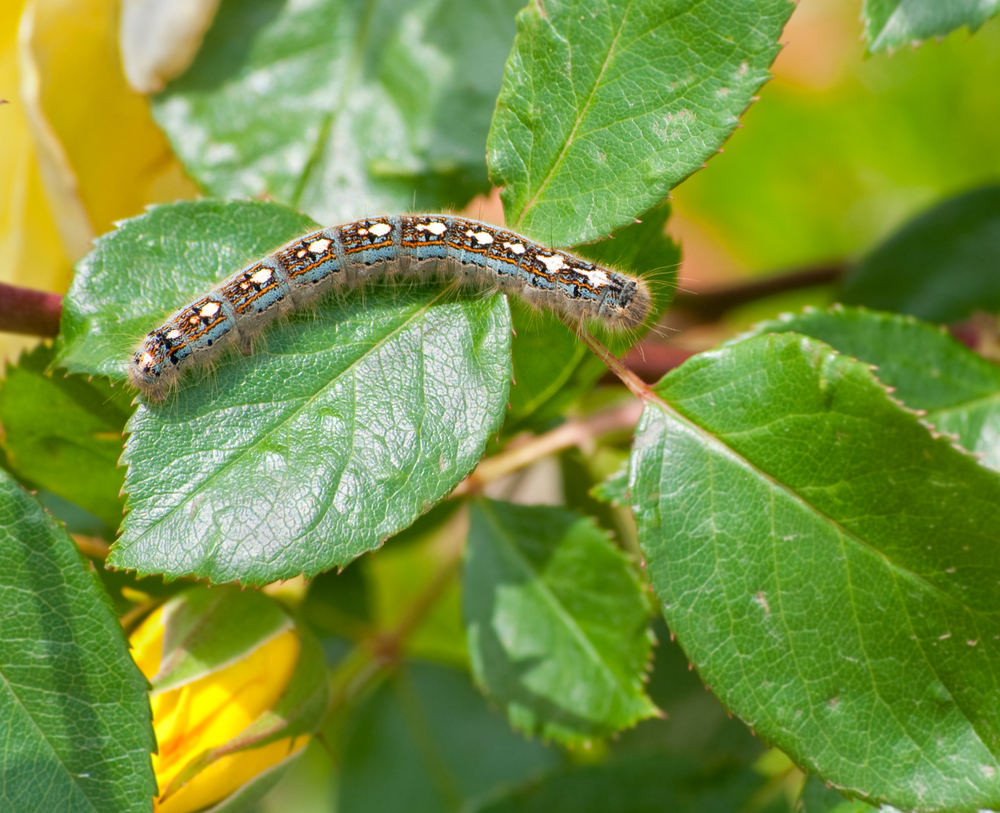
Credit: cottagelife.com
Tent Caterpillar Basics
Tent caterpillars are common insects found in many trees. They get their name from the large silk tents they build.
These caterpillars can be seen in spring and early summer. People often wonder if they harm trees.
Types Of Tent Caterpillars
There are several types of tent caterpillars. Each type lives in different parts of the country.
Common types include the eastern, western, and forest tent caterpillars. They all build tents but look different.
- Eastern Tent Caterpillar:Found in eastern North America, blue-black with a white stripe.
- Western Tent Caterpillar:Lives in the western U.S., has a white stripe with blue spots.
- Forest Tent Caterpillar:Does not make tents but forms silk mats; found across North America.
Life Cycle And Behavior
Tent caterpillars start as eggs on tree branches. The eggs hatch in early spring when leaves begin to grow.
After hatching, they build silk tents to live in. The tents protect them from birds and weather.
- Eggs hatch in early spring
- Caterpillars build tents to stay safe
- They feed on leaves, often in groups
- After several weeks, they become moths
- Moths lay eggs to start the cycle again
Impact On Tree Health
Tent caterpillars are common insects that feed on tree leaves. Their feeding can affect how well a tree grows and stays healthy.
This article looks at how tent caterpillars affect trees, especially through leaf loss and how some trees handle this better than others.
Defoliation Effects
Tent caterpillars eat many leaves, which causes defoliation. When trees lose leaves, they cannot make enough food through photosynthesis.
- Leaf loss weakens the tree’s growth.
- Repeated defoliation can cause branch dieback.
- Severe cases reduce the tree’s ability to fight diseases.
- Young trees are more affected than mature ones.
- Trees may produce fewer flowers and fruits after defoliation.
Tree Species Vulnerability
Some tree species suffer more damage from tent caterpillars. Others can recover quickly after losing leaves.
| Tree Species | Vulnerability Level | Recovery Ability |
| Cherry | High | Low |
| Apple | Medium | Medium |
| Oak | Low | High |
| Maple | Low | High |
Signs Of Infestation
Tent caterpillars can harm trees by defoliating them. Identifying the signs early helps in managing infestations.
Look for specific indicators to determine if your trees are affected by tent caterpillars. Early detection is key to preventing damage.
Identifying Tent Webs
Tent webs are the most visible sign of a tent caterpillar infestation. These webs are usually found in the forks of tree branches.
- Webs are typically white and silky.
- They can grow larger as the caterpillars mature.
- Webs are often more visible in the morning with dew.
Leaf Damage Patterns
Caterpillars feed on the leaves, leaving behind noticeable damage. The pattern of damage can help identify an infestation.
| Type of Damage | Description |
| Skeletonized Leaves | Leaves have only veins left |
| Chewed Edges | Edges of leaves appear ragged |
| Complete Defoliation | Entire leaves are eaten |

Credit: edsplantworld.com
Long-term Tree Consequences
Tent caterpillars feed on tree leaves in large groups. This feeding can cause damage that affects the tree for years. Understanding the long-term effects helps in managing tree health.
Trees can often recover from one outbreak, but repeated attacks may weaken them. The damage can reduce growth and open the tree to other problems.
Growth And Recovery
Tent caterpillars eat many leaves, which slows the tree’s growth. Leaves make food through photosynthesis, so fewer leaves mean less energy.
After an outbreak, trees try to grow new leaves. This recovery uses energy that the tree would use to grow stronger and taller.
- Young trees may grow slower or stop growing.
- Older trees can survive but lose some strength.
- Repeated defoliation leads to less wood growth.
- Severe damage can cause branch dieback.
Risk Of Secondary Infections
When tent caterpillars damage leaves, trees become weaker. This damage lets fungi and bacteria enter easily.
Infections can cause diseases that harm the tree’s bark, branches, and roots. These infections slow recovery and may kill parts of the tree.
- Open wounds from feeding attract pathogens.
- Fungal infections can cause cankers and rot.
- Weakened trees struggle to fight off pests and diseases.
- Infections may lead to long-term health decline.
Control And Prevention Methods
Tent caterpillars can damage trees by eating their leaves. It is important to control and prevent their spread to keep trees healthy.
There are several ways to manage tent caterpillars. These include natural predators, chemical treatments, and cultural practices.
Natural Predators
Many animals help control tent caterpillar populations. Birds, wasps, and beetles eat the caterpillars and their eggs.
Encouraging these predators in your garden can reduce caterpillar numbers without chemicals.
- Birds like chickadees and warblers feed on caterpillars
- Parasitic wasps lay eggs inside caterpillars
- Beetles and ants prey on eggs and young caterpillars
Chemical Treatments
In some cases, chemical sprays help control tent caterpillars. Use insecticides made for caterpillars on affected trees.
Apply treatments early in spring when eggs hatch. Follow label instructions carefully to protect beneficial insects.
- Bacillus thuringiensis (Bt) is a safe bacterial insecticide
- Spinosad targets caterpillars without harming many beneficial bugs
- Use chemical sprays only when infestation is severe
Cultural Practices
Good tree care reduces tent caterpillar damage. Remove egg masses by hand in winter before they hatch.
Keep trees healthy by watering and fertilizing. Prune crowded branches to improve air flow and light.
- Inspect trees for egg masses during winter
- Destroy egg masses by scraping them off branches
- Maintain tree health with regular watering and fertilizing
- Prune trees to reduce dense growth
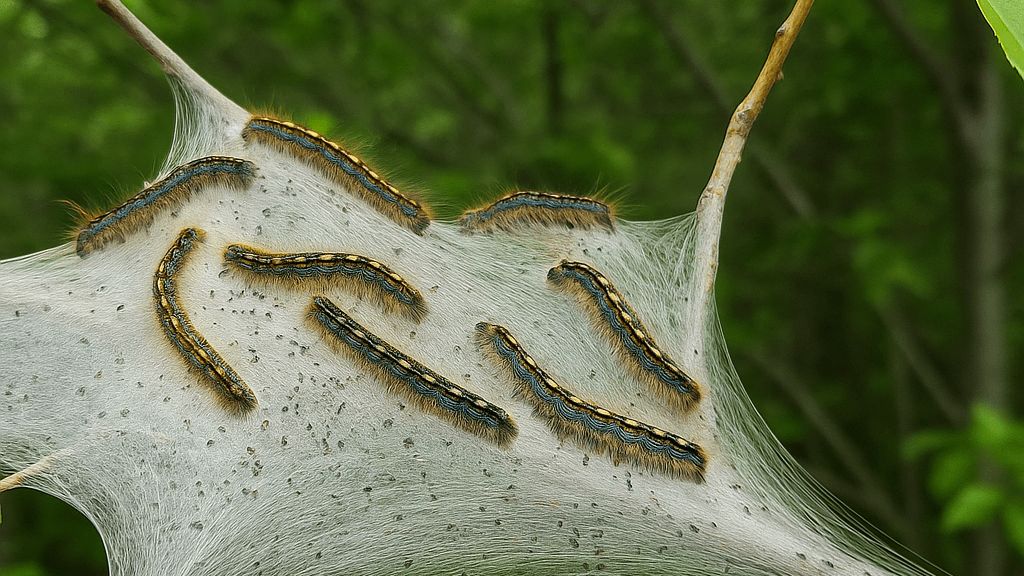
Credit: workingforest.com
When To Take Action
Tent caterpillars can harm trees if their numbers grow too high. Knowing when to act helps protect your trees.
Taking action at the right time stops damage and keeps trees healthy.
Assessing Infestation Severity
Check how many tents or caterpillars are on your tree. A few tents usually do not harm strong trees.
Large numbers can strip leaves and weaken the tree. Look for webbing, leaf damage, and caterpillar clusters.
- Small infestation: less than 3 tents on one tree
- Moderate infestation: 4 to 10 tents
- Severe infestation: more than 10 tents or heavy leaf loss
Timing For Effective Control
Control tent caterpillars early in their life cycle. Young caterpillars are easier to manage than adults.
Spring is the best time to act, before caterpillars build large tents and cause major damage.
- Look for egg masses in late winter or early spring
- Remove tents in early spring when caterpillars are small
- Use treatments early to reduce caterpillar numbers
Frequently Asked Questions
What Damage Do Tent Caterpillars Cause To Trees?
Tent caterpillars defoliate trees by eating leaves rapidly. This weakens trees, reducing growth and fruit production. Severe infestations may stress trees but rarely kill healthy mature ones.
Are Tent Caterpillars Harmful To All Tree Species?
Tent caterpillars prefer deciduous trees like cherry, apple, and maple. They rarely attack conifers or evergreen trees. Damage extent varies by tree species and caterpillar population size.
Can Tent Caterpillars Kill A Tree?
Healthy trees usually survive tent caterpillar defoliation. Repeated severe attacks can weaken trees, making them vulnerable to diseases and pests. Young or stressed trees face higher mortality risk.
How To Control Tent Caterpillar Infestations Naturally?
Natural controls include encouraging birds and beneficial insects that prey on caterpillars. Removing egg masses and nests manually also helps. Avoid chemical pesticides to protect the ecosystem.
Conclusion
Tent caterpillars can damage trees by eating their leaves. This harm may weaken trees but rarely kills them. Trees usually recover after caterpillars leave. Managing caterpillars early helps protect tree health. Watching for signs of infestation is important. Healthy trees withstand caterpillar damage better.
Remember, not all caterpillar activity means severe harm. Taking simple steps can keep your trees strong. Stay alert and care for your trees regularly. This way, you help your trees grow healthy and green.