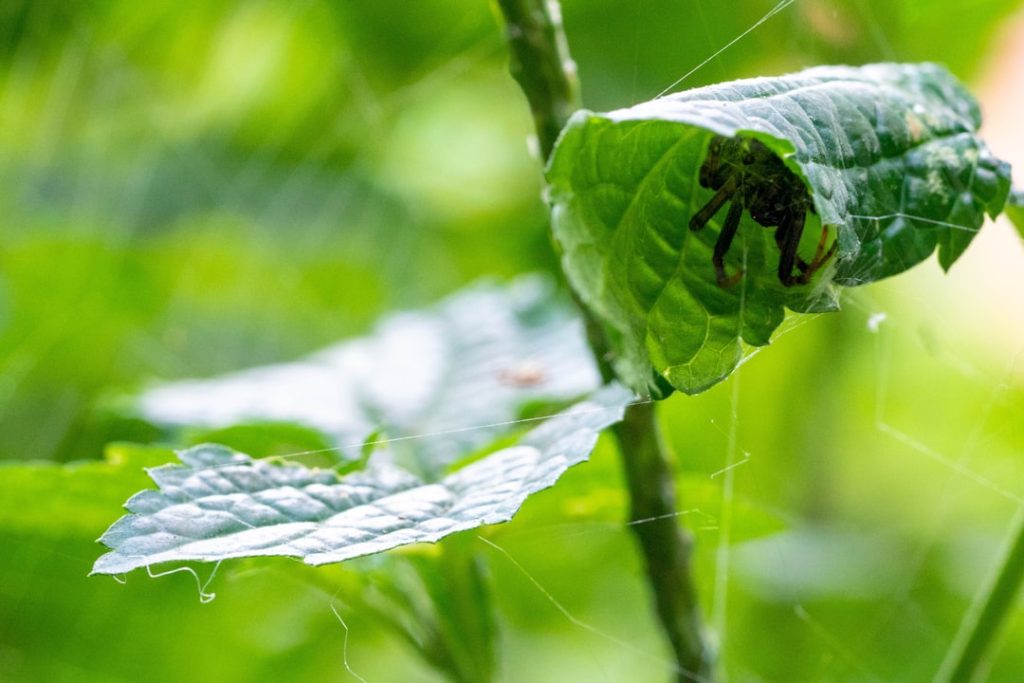
Have you noticed strange webs or clusters of fuzzy caterpillars on your trees? You might be wondering if these tent caterpillars are causing real damage or if your tree can handle them.
Understanding whether tent caterpillars are harmful to your trees is important to keep your garden healthy and thriving. Keep reading to find out what these insects mean for your trees, how to spot their presence early, and what steps you can take to protect your green space before it’s too late.
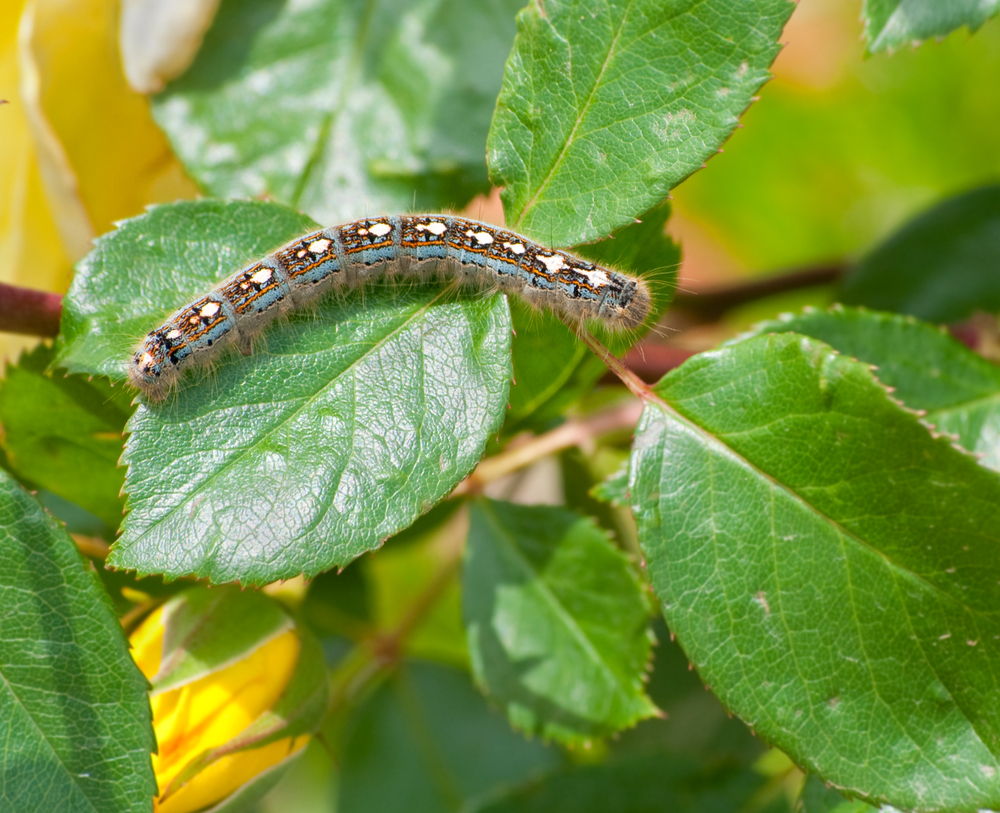
Credit: cottagelife.com
Tent Caterpillar Basics
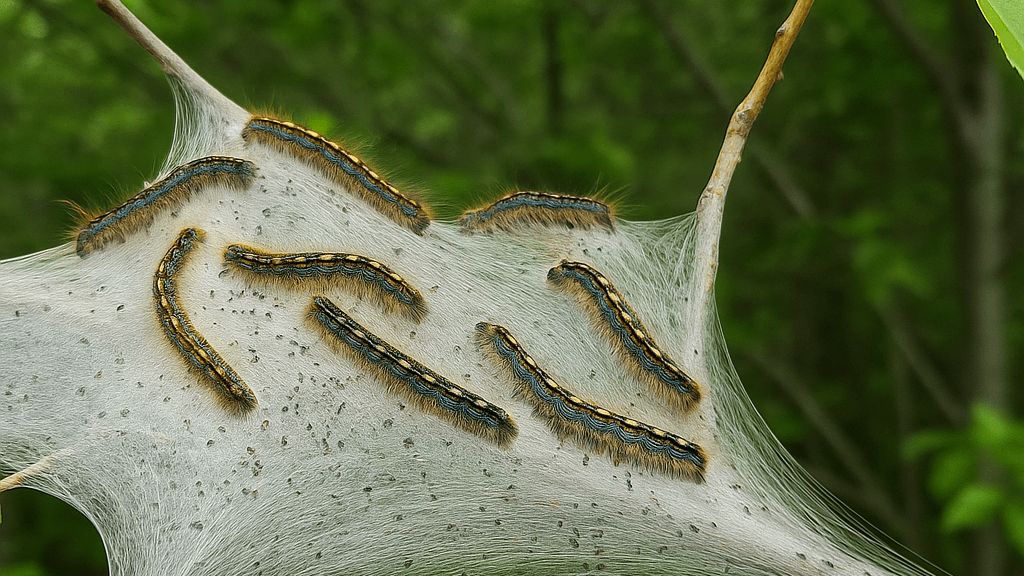
Tent caterpillars are common insects found in many trees. They build silk tents in branches to live and grow.
These insects can affect tree health by feeding on leaves. Understanding their types and behavior helps manage them.
Types Of Tent Caterpillars
There are several kinds of tent caterpillars. Each species has unique features and habits.
- Eastern Tent Caterpillar: Common in the eastern U.S., builds tents in cherry and apple trees.
- Western Tent Caterpillar: Found in the western U.S., prefers oak and other hardwood trees.
- Forest Tent Caterpillar: Does not build tents but creates silk mats on tree trunks and branches.
Life Cycle And Behavior
Tent caterpillars have four life stages: egg, larva, pupa, and adult moth. Their behavior changes in each stage.
| Stage | Description |
| Egg | Laid in masses on tree branches during late spring. |
| Larva | Hatches and feeds on leaves, builds silk tents for protection. |
| Pupa | Forms a cocoon to transform into a moth. |
| Adult | Moth emerges, mates, and lays eggs to start the cycle. |
Impact On Tree Health
Tent caterpillars feed on tree leaves in large groups. This feeding can cause damage to trees, especially during heavy infestations. Understanding how they affect tree health helps in managing their impact.
We will look at how defoliation affects trees, the recovery process, and risks of long-term damage from tent caterpillar activity.
Defoliation Effects
Tent caterpillars eat the leaves of trees, often stripping branches bare. This loss of leaves reduces the tree’s ability to make food. Without enough leaves, trees weaken and grow slower.
- Leaves are the tree’s food factory through photosynthesis.
- Defoliation lowers the tree’s energy supply.
- Repeated defoliation in one season stresses the tree.
- Young trees suffer more damage than mature trees.
Tree Recovery Process
Trees can recover after caterpillars eat their leaves. They grow new leaves to replace lost ones. Recovery depends on tree type, health, and weather.
| Factor | Effect on Recovery |
| Tree Age | Young trees recover slower |
| Health | Healthy trees regrow leaves faster |
| Weather | Good weather aids quick recovery |
| Defoliation Severity | Severe loss slows recovery |
Long-term Damage Risks
Repeated damage from tent caterpillars can cause long-term problems. Trees may become weak and less able to fight diseases. This can lead to dying branches or even tree death.
Signs of long-term damage include:
- Reduced growth over several years
- Weak or dead branches
- Increased vulnerability to pests and diseases
- Lower fruit or seed production
Signs Of Infestation
Tent caterpillars can cause harm to trees by eating leaves and building nests. Early detection helps protect the tree’s health.
Look for clear signs on the tree to know if tent caterpillars are present. These signs include their nests and visible damage.
Identifying Tent Caterpillar Nests
Tent caterpillar nests are silk webs built in tree branches. They serve as homes for the caterpillars and can be easy to spot.
- Nests appear as white or gray silky tents.
- They usually form in the fork of a tree branch.
- The nests grow larger as caterpillars multiply.
- You may see caterpillars moving near or inside the nests.
- Nests are most common in spring and early summer.
Visible Damage On Trees
Tent caterpillars eat tree leaves, causing clear damage. This damage can weaken the tree if not treated.
| Damage Type | Description | Effect on Tree |
| Defoliation | Leaves are eaten, leaving branches bare | Reduces photosynthesis and tree growth |
| Skeletonized Leaves | Only leaf veins remain after feeding | Leaves lose their function quickly |
| Frass | Insect droppings found on leaves and ground | Signals heavy caterpillar presence |
Controlling Tent Caterpillars
Tent caterpillars can damage trees by eating leaves. Controlling them helps keep trees healthy.
There are several ways to control tent caterpillars. You can use natural predators, chemicals, or remove them by hand.
Natural Predators
Birds, wasps, and beetles eat tent caterpillars. These predators help lower caterpillar numbers naturally.
Encouraging these animals in your garden can reduce the need for chemicals.
- Birds like chickadees and orioles feed on caterpillars
- Parasitic wasps lay eggs inside caterpillars
- Beetles hunt and eat young caterpillars
Chemical Treatments
Pesticides can kill tent caterpillars quickly. Use them carefully to avoid harming other animals.
Apply chemicals early in the caterpillar life cycle for best results.
- Use insecticides labeled for tent caterpillars
- Follow instructions on the product label
- Avoid spraying on windy days to reduce drift
Manual Removal Techniques
You can remove tent caterpillar nests by hand. This stops them from spreading and eating leaves.
Wear gloves and use tools to take down tents safely.
- Look for silk tents in tree branches
- Prune branches with tents and dispose of them
- Destroy tents by crushing or burning them
Preventing Future Outbreaks
Tent caterpillars can damage trees by eating leaves. Stopping outbreaks helps keep trees healthy. There are good ways to prevent these pests from coming back.
Using proper tree care and watching for caterpillars early can reduce harm. These methods work well to protect your trees over time.
Tree Care Practices
Strong trees resist pests better. Water and feed trees properly. Prune dead or weak branches to improve air flow. Healthy trees recover faster from caterpillar damage.
- Water trees during dry periods
- Use mulch to keep soil moist
- Fertilize trees in early spring
- Remove dead or damaged branches
- Keep trees spaced for good air flow
Monitoring And Early Detection
Check your trees often for signs of tent caterpillars. Early spotting helps stop large outbreaks. Look for silk tents in tree branches and chewed leaves.
| Signs to Watch For | Actions to Take |
| Silk tents in branches | Remove tents by hand or prune branches |
| Leaves with holes or missing parts | Inspect tree closely for caterpillars |
| Clusters of small caterpillars | Use safe pest control methods if needed |
| Egg masses on twigs | Scrape off egg clusters before they hatch |
Credit: workingforest.com
Common Myths Debunked
Tent caterpillars often scare tree owners. Many think these insects always harm trees badly. This is not true. Understanding facts helps protect trees wisely.
Let’s clear up common myths about tent caterpillars. Knowing the truth can stop unnecessary worry and wrong actions.
Are Tent Caterpillars Always Harmful?
Tent caterpillars eat leaves, but they do not always harm trees. Trees can grow new leaves after caterpillars finish eating. Healthy trees often recover quickly.
Many trees survive tent caterpillar attacks without serious damage. Sometimes the damage looks worse than it really is. Trees need time to heal and grow again.
- Tent caterpillars cause leaf loss but rarely kill trees.
- Young or weak trees may face more harm.
- Strong trees usually recover in one season.
Do They Kill Trees Quickly?
Tent caterpillars do not kill trees fast. They eat leaves in spring, but trees keep their main parts safe. Trees store energy in roots and branches.
Repeated attacks over years can weaken a tree. This makes it easier for diseases or other pests to harm the tree. One attack alone rarely kills a tree.
- Tent caterpillars eat leaves mainly in spring.
- One season of feeding usually does not kill trees.
- Multiple years of damage may weaken some trees.
- Healthy trees survive attacks better than weak ones.

Credit: edsplantworld.com
Frequently Asked Questions
Are Tent Caterpillars Dangerous To Tree Health?
Tent caterpillars can weaken trees by defoliating leaves. However, healthy trees usually recover quickly without lasting damage. Repeated infestations may stress trees, making them vulnerable to disease. Proper monitoring helps minimize harm and maintain tree health.
How Do Tent Caterpillars Affect Tree Growth?
Tent caterpillars reduce photosynthesis by eating leaves, slowing tree growth. Severe infestations can stunt young trees and reduce fruit production. Mature trees often recover after caterpillars leave. Early control is essential to protect tree development.
Can Tent Caterpillars Kill Trees?
Tent caterpillars rarely kill mature trees outright. They cause stress by defoliation, which weakens trees over time. Repeated yearly attacks increase risk, especially in young or weakened trees. Managing infestations helps prevent serious damage or death.
What Trees Are Most Vulnerable To Tent Caterpillars?
Tent caterpillars prefer deciduous trees like cherry, apple, and maple. They often target trees with smooth bark and broad leaves. Young trees are more susceptible to damage. Knowing vulnerable species helps in early detection and control.
Conclusion
Tent caterpillars can harm trees by eating their leaves. This weakens the trees. Yet, trees often recover with time. Regular checks help in early detection. Removing caterpillar nests limits damage. Natural predators also help control their numbers. Healthy trees resist harm better.
Keep trees well-watered and fertilized. This strengthens their natural defenses. Understanding tent caterpillars is key. It ensures tree health and longevity. Stay informed and proactive for vibrant trees. Your trees will thank you!