
Have you ever spotted small, fuzzy caterpillars crawling on trees and wondered if they might be dangerous? Tent caterpillars are common in many areas, but you might be asking yourself, “Are tent caterpillars poisonous?”
This question matters, especially if you have kids, pets, or spend time outdoors. Understanding whether these tiny creatures can harm you or your loved ones is important. Keep reading to discover the truth about tent caterpillars and how to stay safe around them.

Credit: www.butterfliesandmoths.org
Tent Caterpillar Basics
Tent caterpillars are common insects found in many parts of North America. They get their name from the large silk tents they build in trees. These tents provide shelter and protection for the caterpillars.
People often ask if tent caterpillars are poisonous. While they are not deadly, their hairs can cause skin irritation for some people. It is best to avoid touching them.
Appearance And Behavior
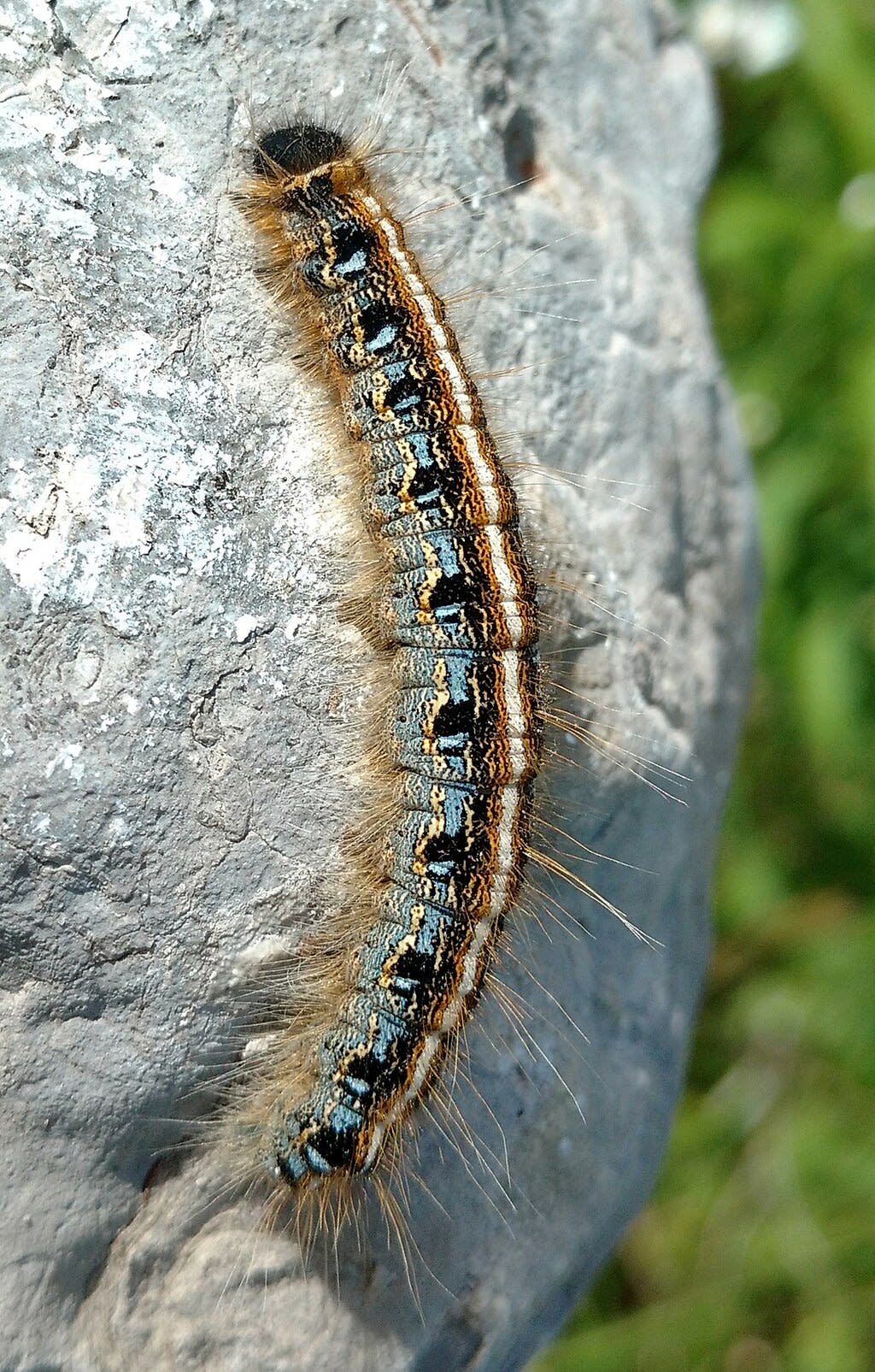
Tent caterpillars have a distinct look and show interesting behavior. They are usually hairy and have bright colors that warn predators. Their silk tents are easy to spot on tree branches.
- Body covered in fine hairs
- Colors include brown, white, and blue
- Build large silk tents in tree forks
- Feed on leaves in groups
- Active mostly during the day
Lifecycle And Habitats
Tent caterpillars live in many types of trees and go through several life stages. They start as eggs and grow into caterpillars before becoming moths. Their habitats often include fruit trees and forest edges.
| Stage | Description | Duration |
| Egg | Laid in clusters on twigs | Winter months |
| Caterpillar | Feeds on leaves, builds tents | Spring |
| Pupa | Transforms inside cocoon | Late spring to early summer |
| Adult Moth | Emerges to reproduce | Early summer |

Credit: www.boston25news.com
Toxicity Myths
Tent caterpillars often cause worry because of their hairy bodies. Many people think they are poisonous. This is not true. It is important to understand the facts about these insects.
This article clears up common myths about tent caterpillars and explains the difference between being poisonous and harmful.
Common Misconceptions
Some people believe tent caterpillars can poison humans or pets. This idea comes from their fuzzy appearance and the small hairs on their bodies. These hairs can cause skin irritation but do not release poison.
- Tent caterpillars are not venomous or poisonous.
- The hairs may cause mild itching or rash on contact.
- They do not sting or inject toxins.
- Most reactions are mild and go away quickly.
- Severe allergic reactions are very rare.
Difference Between Poisonous And Harmful
It is easy to confuse “poisonous” with “harmful.” Poisonous means a creature has toxins that can cause serious illness or death if touched or eaten. Harmful means it can cause some damage but is not deadly.
| Term | Meaning | Example |
|---|---|---|
| Poisonous | Contains toxins that can cause serious harm or death | Poison dart frog |
| Harmful | Can cause mild injury or irritation but no serious harm | Tent caterpillar hairs causing skin rash |
Health Risks To Humans
Tent caterpillars are common insects that can cause health issues. Understanding their effects on humans is important.
These caterpillars can lead to skin and allergy problems. Learn how to stay safe around them.
Skin Reactions And Irritations
Contact with tent caterpillars might cause skin issues. Their tiny hairs can irritate your skin.
- Redness and itching on the skin
- Swelling and small bumps
- Temporary rashes or blisters
Allergic Responses
Some people may have allergic reactions. It is important to know the signs.
| Symptom | Description |
| Runny nose | Common cold-like symptoms |
| Watery eyes | Eyes may become red and irritated |
| Sneezing | Frequent sneezing may occur |
Credit: owlcation.com
Effects On Pets And Wildlife
Tent caterpillars are common insects found in many trees. Their presence can affect pets and wildlife in different ways.
Some animals may react to these caterpillars if they touch or eat them. It is important to know the risks involved.
Risks To Dogs And Cats
Dogs and cats can get sick if they eat tent caterpillars. The caterpillars have tiny hairs that can irritate the mouth and stomach.
- Swelling in the mouth or throat
- Vomiting and diarrhea
- Loss of appetite
- Lethargy or weakness
- Skin irritation if they touch the caterpillars
If a pet shows these signs, a visit to the vet is needed. Quick care can prevent serious problems.
Impact On Birds And Other Animals
Birds and other wildlife often eat tent caterpillars. These caterpillars are a food source but can sometimes cause harm.
| Animal | Effect of Eating Tent Caterpillars |
| Songbirds | Usually safe; caterpillars provide nutrition |
| Woodpeckers | May avoid hairy caterpillars to prevent irritation |
| Squirrels | Occasionally eat caterpillars; minor stomach upset possible |
| Deer | Rarely eat; no major impact known |
Safe Handling Tips
Tent caterpillars are common in many areas during spring. People often wonder if they are poisonous and how to handle them safely.
While tent caterpillars are not deadly, their hairs can irritate skin. Knowing safe handling tips can help avoid discomfort.
Protective Measures
Always take precautions to avoid skin irritation or allergic reactions from tent caterpillars.
- Wear gloves when touching or removing caterpillars.
- Use long sleeves and pants to protect your skin.
- Avoid rubbing your eyes or face after handling them.
- Wash your hands thoroughly with soap and water.
- Keep pets and children away from caterpillars.
What To Do If Contact Occurs
If you touch a tent caterpillar and feel itching or irritation, follow these steps to reduce discomfort.
| Action | Description |
| Wash the Area | Use mild soap and cool water to clean your skin gently. |
| Apply Cold Compress | Place a cold, damp cloth on the irritated skin to reduce swelling. |
| Use Anti-Itch Cream | Apply over-the-counter creams like hydrocortisone if needed. |
| Avoid Scratching | Scratching can worsen irritation or cause infection. |
| Seek Medical Help | Visit a doctor if you have severe swelling or an allergic reaction. |
Controlling Tent Caterpillar Populations
Tent caterpillars can damage trees by eating leaves. Controlling their numbers helps protect plants.
There are natural ways to reduce tent caterpillars. You can also remove them safely.
Natural Predators
Many animals eat tent caterpillars. These natural predators keep their population low.
- Birds like cuckoos and orioles feed on the caterpillars.
- Wasps and flies lay eggs on caterpillars, killing them.
- Small mammals such as mice and squirrels eat the larvae.
- Spiders catch caterpillars in their webs.
Effective Removal Techniques
Removing tents early helps stop caterpillars from spreading. Use safe methods to protect trees.
| Removal Method | Description | Best Time |
| Hand Picking | Remove egg masses and tents by hand | Early Spring |
| Pruning | Cut branches with tents and destroy them | Before Caterpillars Spread |
| Insecticidal Soap | Spray on caterpillars to kill them safely | When Caterpillars Are Small |
| Sticky Barriers | Wrap tree trunks to stop caterpillars climbing | Before Eggs Hatch |
Frequently Asked Questions
Are Tent Caterpillars Poisonous To Humans?
No, tent caterpillars are not poisonous to humans. They do not produce venom or toxins harmful to people. However, their hairs can cause mild skin irritation or allergic reactions in sensitive individuals.
Can Tent Caterpillars Harm Pets Or Animals?
Tent caterpillars are generally not harmful to pets or animals. Though ingestion might cause minor stomach upset, they do not contain toxic substances dangerous to animals.
Do Tent Caterpillars Pose Risks To Plants?
Tent caterpillars can damage trees by eating leaves, which weakens plants. They are not poisonous but can cause defoliation, affecting plant health and growth.
How To Safely Remove Tent Caterpillars?
Wear gloves and use a stick or tool to remove tents. Avoid direct skin contact to prevent irritation. Dispose of caterpillars and nests properly to reduce their numbers.
Conclusion
Tent caterpillars are not poisonous to people. Their hairs can cause mild skin irritation sometimes. Watch small children and pets around them. Most reactions are not serious or long-lasting. Knowing this helps you stay calm and safe. Enjoy nature without fear of these insects.
Keep an eye on your trees too. Protect your home and family with simple care. Understanding tent caterpillars makes outdoor time better. Stay informed and enjoy the seasons ahead.