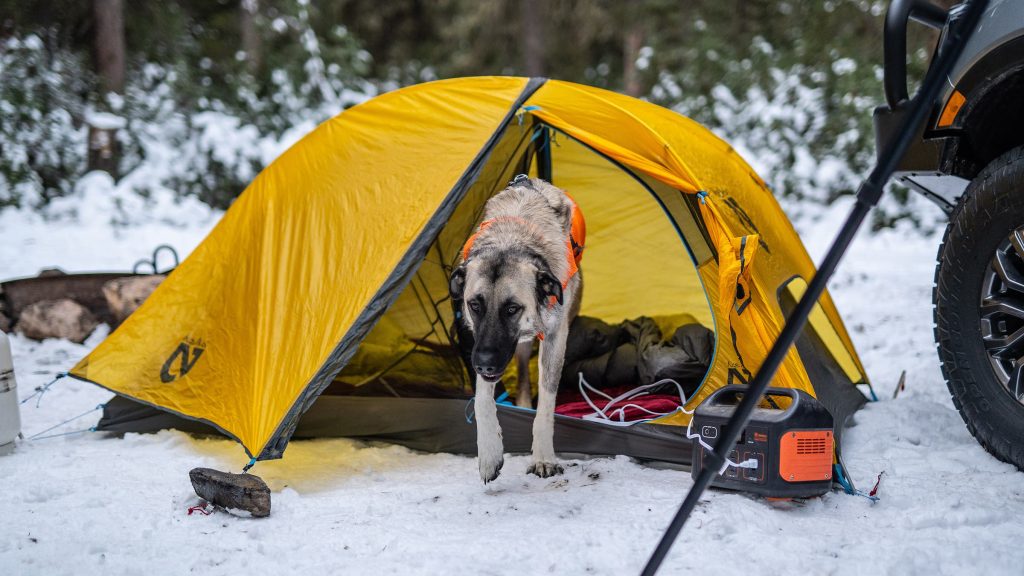
Are you planning a camping trip and wondering if tent heaters are safe to use? You want to stay warm and cozy, but safety should always come first.
Using a heater inside your tent can feel risky, and you might be worried about fire hazards or carbon monoxide poisoning. You’ll discover the key facts you need to know to keep your tent warm without putting yourself or your loved ones in danger.
Keep reading to learn how to use tent heaters safely and enjoy your outdoor adventures with peace of mind.
Credit: www.advnture.com
Types Of Tent Heaters
Tent heaters keep you warm during camping or outdoor events. They come in many types. Each type uses different fuel and technology.
Choosing the right heater helps you stay safe and comfortable. Learn about electric, propane, and butane heaters below.
Electric Heaters
Electric heaters use power from a battery or outlet. They are clean and do not produce fumes. This makes them safe for tents with good ventilation.
These heaters are quiet and easy to use. They warm small tents well but need a power source. Electric heaters work best for short trips or mild weather.
Propane Heaters
Propane heaters burn propane gas to produce heat. They are powerful and heat large spaces quickly. Many campers use them for cold weather.
These heaters need good ventilation. Burning propane creates carbon monoxide, which is dangerous. Always use a propane heater with a carbon monoxide detector.
- Use only in well-ventilated tents
- Keep away from flammable materials
- Check for gas leaks before use
Butane And Catalytic Heaters
Butane heaters use butane gas, similar to propane but less powerful. Catalytic heaters burn fuel without a flame. They produce low heat and less carbon monoxide.
These heaters are safer than propane but still need ventilation. They are good for smaller tents and shorter use. Always follow safety rules to avoid accidents.
Safety Risks With Tent Heaters
Tent heaters keep campers warm in cold weather. They can be useful but pose safety risks. Knowing these risks helps prevent accidents.
This article looks at three main safety concerns: fire hazards, carbon monoxide poisoning, and ventilation problems.
Fire Hazards
Tent heaters can cause fires if not used carefully. Flammable materials near the heater catch fire easily. Sparks or hot surfaces can ignite tents or sleeping bags.
- Keep heaters away from fabric and paper
- Do not leave heaters unattended
- Use heaters with automatic shut-off features
- Place heaters on stable, flat surfaces
- Check heaters for damage before use
Carbon Monoxide Poisoning
Carbon monoxide is a deadly gas released by some heaters. It is invisible and has no smell. Breathing it can cause headaches, dizziness, or death.
| Symptom | Effect |
| Headache | Early sign of poisoning |
| Dizziness | Loss of balance and focus |
| Nausea | Feeling sick to the stomach |
| Confusion | Difficulty thinking clearly |
| Unconsciousness | Severe poisoning risk |
Ventilation Concerns
Tents must have good airflow when using heaters. Poor ventilation traps smoke and gases inside. This increases the risk of breathing problems and fire.
Tips for proper tent ventilation:
- Open tent flaps or windows slightly
- Avoid sealing the tent completely
- Use heaters designed for indoor or tent use
- Install a carbon monoxide detector if possible
Choosing The Right Heater
When camping in cold weather, staying warm is important. Tent heaters can be a good choice for comfort. But how do you pick the safest one?
Understanding key features will help you make the best decision. Let’s look at size, fuel efficiency, and safety features.
Size And Heating Capacity
The size of the heater should match your tent’s space. A heater that’s too big can overheat the area, while a small one may not warm it enough.
- Measure your tent before buying a heater
- Check the heater’s BTU rating
- Match BTUs to your tent’s size
Fuel Efficiency
Fuel efficiency determines how long your heater will run. Efficient heaters save fuel and are better for the environment.
| Heater Type | Efficiency Rating |
| Propane | High |
| Electric | Moderate |
| Butane | Low |
Built-in Safety Features
Safety features are crucial in preventing accidents. Look for heaters that have automatic shut-off, tip-over protection, and cool-touch exteriors.
Consider these essential safety features:
- Automatic shut-off
- Tip-over protection
- Cool-touch exterior

Credit: www.reddit.com
Safe Usage Practices
Tent heaters provide warmth during cold weather. Using them safely helps prevent accidents.
Following safety tips protects you and your camping gear. Always pay attention to how you use heaters.
Proper Placement Inside Tent
Place the heater on a flat, stable surface to avoid tipping. Keep it away from sleeping bags and flammable items.
- Keep at least 3 feet of space around the heater
- Do not place heater near tent walls or fabric
- Avoid putting heater near gear or backpacks
- Use a heat-resistant mat if placing on the tent floor
Maintaining Ventilation
Ventilation is important to prevent carbon monoxide buildup. Always allow fresh air to enter the tent.
| Ventilation Tip | Reason |
| Keep a tent window or door slightly open | Allows fresh air inside |
| Use heaters with oxygen depletion sensors | Stops heater if oxygen is low |
| Do not block air vents | Ensures proper airflow |
Monitoring Heater Operation
Watch the heater while it runs. Never leave it on when you sleep or leave the tent.
- Check the heater for damage before use
- Turn off the heater if you smell gas or fuel
- Keep a fire extinguisher nearby
- Follow the manufacturer’s instructions closely
Emergency Preparedness
Tent heaters can keep you warm during emergencies. Safety is very important when using them.
Being ready with safety tools helps protect you and your family. This guide covers key safety items.
Carbon Monoxide Detectors
Tent heaters can produce dangerous carbon monoxide gas. This gas is colorless and odorless.
A carbon monoxide detector alerts you if the gas builds up. This can save lives by warning early.
- Place detectors near the tent’s sleeping area
- Test detectors regularly for proper function
- Replace batteries as needed
- Never use heaters in closed, unventilated tents
Fire Extinguishers
Heaters can cause fires if used incorrectly. Having a fire extinguisher nearby is very important.
Choose an extinguisher rated for all fire types. Know how to use it before an emergency happens.
- Keep the extinguisher close to the heater
- Check the pressure gauge often
- Train everyone on how to operate it
- Replace or recharge after each use
First Aid Essentials
Accidents can happen with heaters and fires. Having a first aid kit helps treat minor injuries fast.
Keep the kit stocked with basics and check it often. Everyone should know where it is kept.
- Bandages and gauze pads
- Antiseptic wipes and ointments
- Burn cream for heater-related burns
- Scissors, tweezers, and gloves
- Emergency contact numbers
Credit: www.battlbox.com
Alternative Heating Options
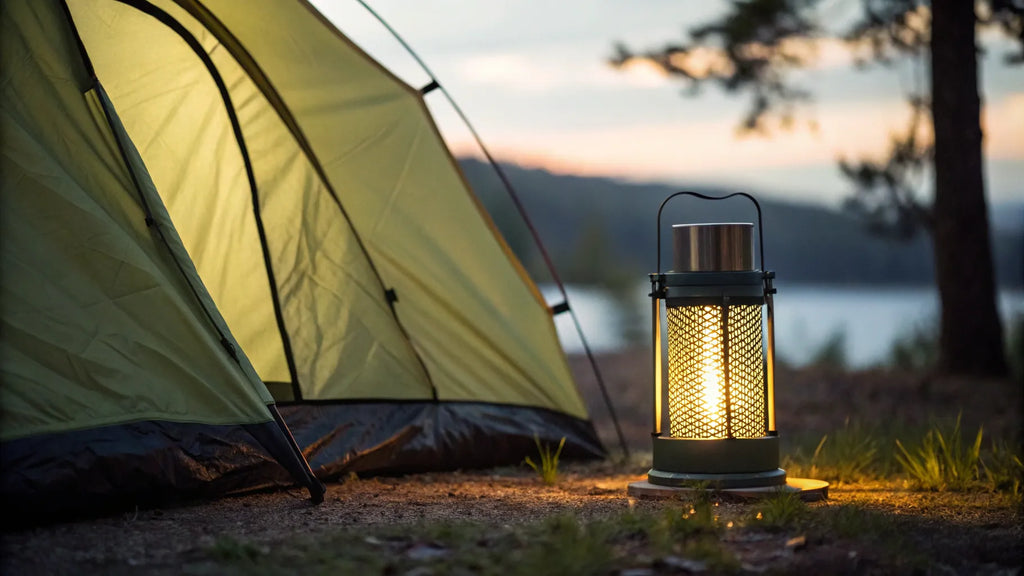
Tent heaters can be risky if not used carefully. It is safer to use other ways to stay warm. Many options work well without fire or electricity inside the tent.
Here are some popular alternatives to keep you warm during camping or outdoor activities. These options focus on safety and comfort.
Insulated Sleeping Bags
Insulated sleeping bags trap body heat and keep the cold out. They come in many types for different weather conditions. Look for sleeping bags with good insulation ratings for cold weather.
Thermal Blankets
Thermal blankets reflect body heat back to you. They are lightweight and easy to carry. These blankets can be used alone or inside a sleeping bag for extra warmth.
- Made of heat-reflective materials
- Compact and portable
- Water-resistant and windproof
- Useful in emergencies or cold nights
Hot Water Bottles
Hot water bottles provide direct warmth inside your tent. Fill them with hot water and place near your body or in your sleeping bag. They are safe if used carefully and offer steady heat.
| Type | Advantages | Safety Tips |
| Rubber Bottles | Flexible and durable | Check for leaks before use |
| Thermos Bottles | Retains heat longer | Use only with hot water, not boiling |
| Fabric Covers | Prevents burns | Always cover bottle before use |
Frequently Asked Questions
Are Tent Heaters Safe To Use Indoors?
Tent heaters designed for indoor use have safety features like tip-over switches and oxygen depletion sensors. Always follow manufacturer guidelines and ensure proper ventilation to avoid carbon monoxide buildup and fire hazards. Using the correct heater type greatly reduces risks inside tents.
How To Prevent Carbon Monoxide Poisoning From Tent Heaters?
Use only heaters labeled safe for indoor or tent use. Ensure adequate ventilation by slightly opening tent flaps or windows. Never use gasoline or kerosene heaters inside tents. Installing a carbon monoxide detector is a smart safety measure.
Can Tent Heaters Cause Fire Hazards?
Yes, improper use or faulty heaters can cause fires. Keep heaters away from flammable materials and never leave them unattended. Regularly check for damage and use heaters with built-in safety features to minimize fire risks.
What Types Of Tent Heaters Are Safest?
Electric and propane heaters with safety certifications are safest. Electric heaters avoid combustion risks but need power supply. Propane heaters with oxygen sensors and automatic shutoff offer safe heat without electricity. Always choose heaters designed specifically for tents.
Conclusion
Tent heaters can keep you warm and cozy during camping trips. Safety depends on using the heater correctly. Always follow the instructions and never leave it unattended. Proper ventilation is key to avoid harmful fumes. Choose heaters designed for tents and check for safety features.
With care and attention, tent heaters can be safe and helpful. Stay warm, stay safe, and enjoy your outdoor adventures.