
Have you ever spotted strange, hairy worms hanging around your tent or backyard and wondered if they could be dangerous? If you’re worried about whether tent worms are poisonous, you’re not alone.
These creepy crawlies can be unsettling, especially if you have kids or pets nearby. But before you panic, it’s important to know the facts. Keep reading, and you’ll discover what tent worms really are, if they pose any threat to you or your family, and how to handle them safely.
This knowledge could save you from unnecessary fear and help you protect your home with confidence.

Credit: www.butterfliesandmoths.org
Tent Worms Basics
Tent worms are fascinating creatures found in many parts of the world. They are often seen in trees, spinning large, silky webs that resemble tents.
These insects are not harmful to humans, but they can be a nuisance to trees and plants. Understanding their behavior and species can help manage their presence.
What Are Tent Worms
Tent worms are caterpillars that belong to the moth family. They are known for creating tent-like structures in trees where they live and feed.
- They are most active in spring and early summer.
- They feed on the leaves of deciduous trees.
- They can cause significant defoliation if left unchecked.
Common Species
There are several species of tent worms, each with its own characteristics. Knowing these can help identify them in your area.
| Species | Characteristics |
| Eastern Tent Caterpillar | Found in the eastern United States, known for white stripes on their backs. |
| Forest Tent Caterpillar | Lacks the tent-making habit, has keyhole-shaped markings. |
| Western Tent Caterpillar | Common in the western United States, orange and black in color. |

Credit: www.dreamstime.com
Are Tent Worms Poisonous
Tent worms are caterpillars that form web-like tents on trees. Many people worry if these worms are poisonous.
This article explains the facts about their toxicity and effects on humans and pets.
Toxicity Facts
Tent worms are not truly poisonous. They do not inject venom like some insects do. Their hairs or bristles can irritate skin.
The irritation happens because of tiny hairs that some species have. These hairs can cause mild rashes or itching.
Effects On Humans
Most people feel only mild skin irritation if they touch tent worms. The rash can be red and itchy. It usually goes away in a few days.
Some people may have stronger allergic reactions. These include swelling or difficulty breathing. See a doctor if symptoms get worse.
- Mild rash and itching are common
- Red bumps may appear on skin
- Severe allergic reactions are rare
- Seek medical help if breathing is hard
Risks To Pets
Pets like dogs and cats may also be affected by tent worms. If they touch or eat the worms, their skin or mouth can get irritated.
Watch your pets closely if they are near tent worms. Contact a vet if you see swelling, drooling, or unusual behavior after contact.
- Skin irritation from contact is possible
- Eating worms may cause mouth sores
- Vet care is important for severe symptoms
- Keep pets away from infested trees
Symptoms Of Exposure
Tent worms can cause health problems when touched or inhaled. Knowing the symptoms helps you stay safe.
Symptoms vary depending on how you come in contact with the worms or their hairs.
Skin Reactions
Contact with tent worms can cause skin irritation. Their tiny hairs may cause redness and itching.
Some people develop rashes or small bumps where the hairs touch the skin.
- Redness and swelling
- Itching or burning sensation
- Small raised bumps or rash
- Possible blistering in sensitive individuals
Respiratory Issues
Breathing in tent worm hairs can cause coughing and throat irritation. This happens if the hairs float in the air.
Some people may feel shortness of breath or wheezing after exposure.
- Coughing or throat tickle
- Difficulty breathing or wheezing
- Nasal congestion or runny nose
- Chest tightness in sensitive people
Other Health Concerns
In rare cases, tent worm exposure can cause eye irritation. The tiny hairs may get into the eyes and cause redness or pain.
People with allergies or asthma may have stronger reactions and need medical help.
- Eye redness and watering
- Eye pain or swelling
- Allergic reactions like hives
- Asthma attacks triggered by exposure
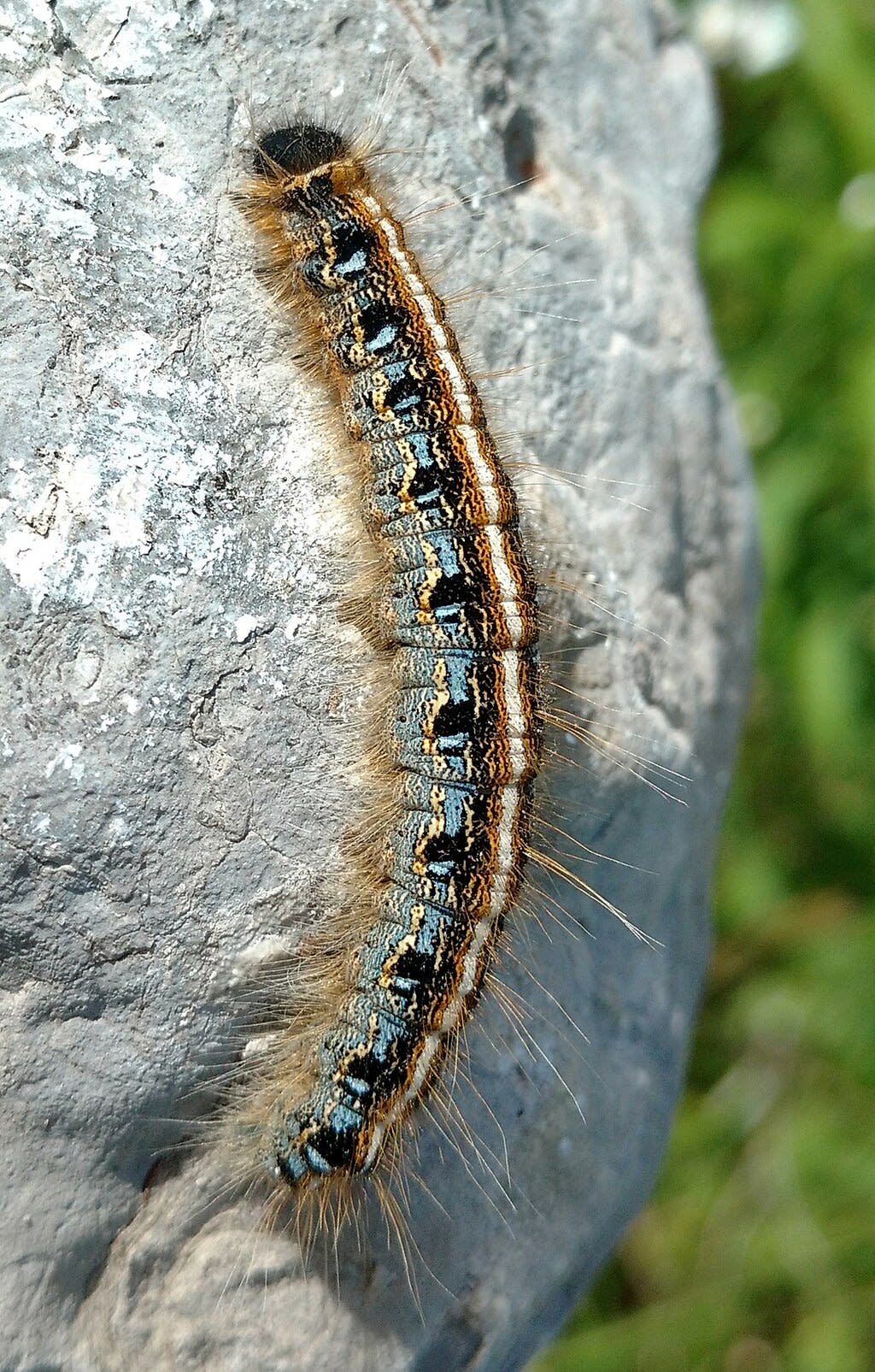
Credit: owlcation.com
How To Identify Tent Worms
Tent worms are caterpillars that live in groups. They build web-like tents on trees and plants.
Knowing how to spot them helps protect your garden from damage. Look for their unique signs.
Appearance
Tent worms have long, hairy bodies. Their colors vary from gray to brown.
They often have black or yellow stripes along their backs. Their heads are small and dark.
- Long, hairy caterpillars
- Colors: gray, brown, with stripes
- Small, dark heads
Behavior Patterns
Tent worms live in groups inside silky tents. They stay inside tents during the day.
At night, they come out to eat leaves. They prefer to feed on the same tree or bush.
- Group living inside silk tents
- Hide during the day
- Feed on leaves at night
Signs In Your Garden
Look for large silk tents on tree branches. These tents protect the caterpillar groups.
You may see leaves that look chewed or skeletonized. Droppings can also be found under trees.
- Silky tents on branches or leaves
- Chewed or missing leaves
- Small black droppings under plants
Safe Removal Methods
Tent worms are common in many areas. They create large webs in trees and shrubs. Removing them safely protects you and your plants.
Some tent worms can cause mild skin irritation. It is best to handle them with care. Use safe removal methods to avoid problems.
Manual Removal Tips
Manual removal works well for small infestations. Wear gloves and long sleeves to protect your skin. Use a stick or tool to remove the tent webs.
Place the removed tents in a sealed bag. Dispose of them far from your home. Avoid touching the worms directly to prevent irritation.
- Wear protective clothing
- Use a stick to pull down tents
- Seal removed tents in a bag
- Dispose of bags away from your yard
Natural Remedies
Natural options can help reduce tent worm numbers. Spray a mixture of water and mild soap on tents. This solution weakens the worms without harsh chemicals.
Introducing natural predators like birds and beneficial insects can control the worms. Neem oil spray also works as a natural insecticide. Always test sprays on a small area first.
- Soap and water spray
- Neem oil application
- Encourage birds and insects
- Test sprays before full use
When To Call Professionals
Large infestations may need expert help. Professionals have safe tools and products to remove tent worms. They can protect your plants better.
Call a pest control expert if you see many tents or if you have allergies. Do not try strong chemicals on your own. Experts keep your home and family safe.
- Large infestations need experts
- Professionals use safe products
- Call if you have allergies
- Avoid strong chemicals yourself
Preventing Tent Worm Infestations
Tent worms can damage trees and plants by eating leaves. They build web-like tents that protect them.
Stopping tent worm infestations early helps keep your garden healthy. Use these tips to prevent them.
Garden Maintenance
Keep your garden clean and free of dead leaves. Remove fallen branches and prune trees regularly.
Healthy plants are less likely to be attacked by tent worms. Water and fertilize your plants properly.
Protective Barriers
Use physical barriers to stop tent worms from reaching your trees. Wrap tree trunks with sticky bands or mesh.
These barriers block caterpillars from climbing up and building tents in the branches.
- Sticky bands trap crawling worms
- Mesh covers prevent egg laying
- Barriers must be checked often
Regular Monitoring
Check your trees and shrubs often for signs of tent worms. Look for web tents and leaf damage.
Early detection helps you remove tents before worms spread and cause harm.
- Inspect branches weekly
- Remove tents by hand
- Dispose of tents far from plants
Frequently Asked Questions
Are Tent Worms Harmful To Humans?
Tent worms are not poisonous to humans. They may cause mild skin irritation if touched. Avoid direct contact to prevent reactions.
Can Tent Worms Damage Trees Or Plants?
Yes, tent worms can defoliate trees by feeding on leaves. Severe infestations weaken trees and stunt growth. Early control is crucial.
How To Identify Tent Worm Infestations?
Look for large silk tents on tree branches. Notice clustered caterpillars and chewed leaves nearby. Early signs help manage infestations quickly.
Do Tent Worms Have Natural Predators?
Birds, parasitic wasps, and certain insects prey on tent worms. These natural enemies help control their population naturally over time.
Conclusion
Tent worms are not poisonous to humans or pets. They may look scary, but they mostly cause damage to trees. Avoid touching their hairs to prevent skin irritation. Managing tent worms early helps protect your garden and trees. Knowing the facts helps reduce worry and keeps you safe.
Stay calm and watch your plants for any signs of infestation. Taking quick action can save your trees from harm.