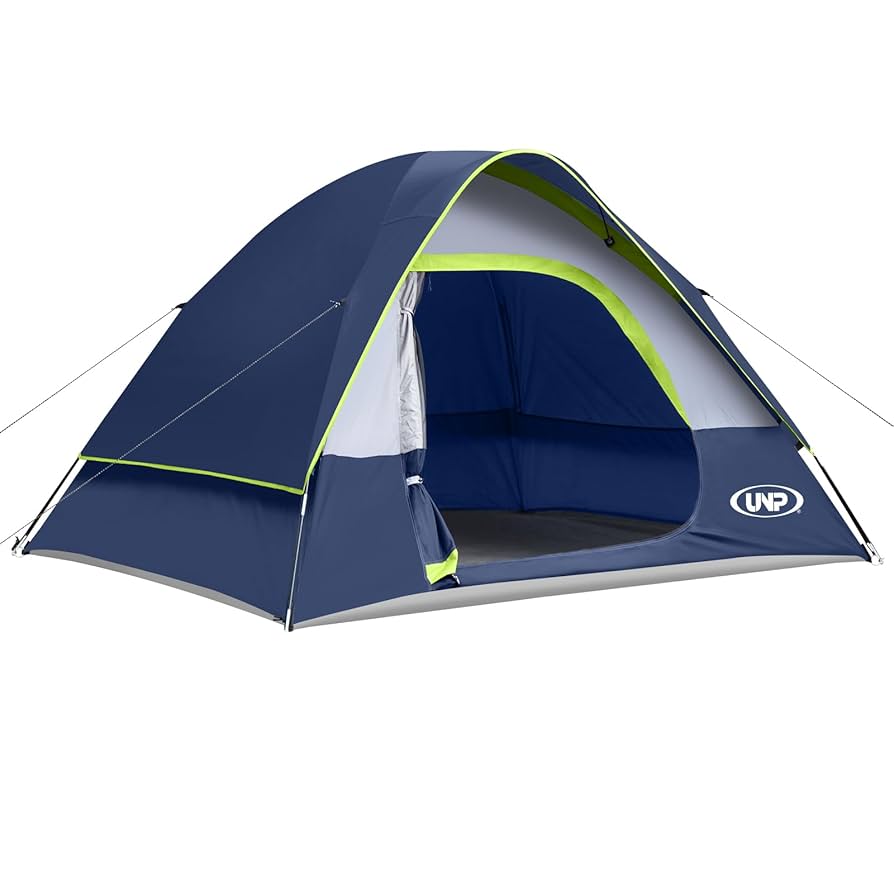
Have you ever set up your tent only to find water seeping inside during a rainstorm? It’s frustrating and can ruin your entire outdoor experience.
You might be wondering, “Are tents really waterproof? ” Understanding how tents handle water can save you from soggy nights and uncomfortable mornings. You’ll discover what makes a tent waterproof, how to choose the right one for your adventures, and tips to keep you dry no matter the weather.
Keep reading to make sure your next camping trip stays dry and enjoyable.
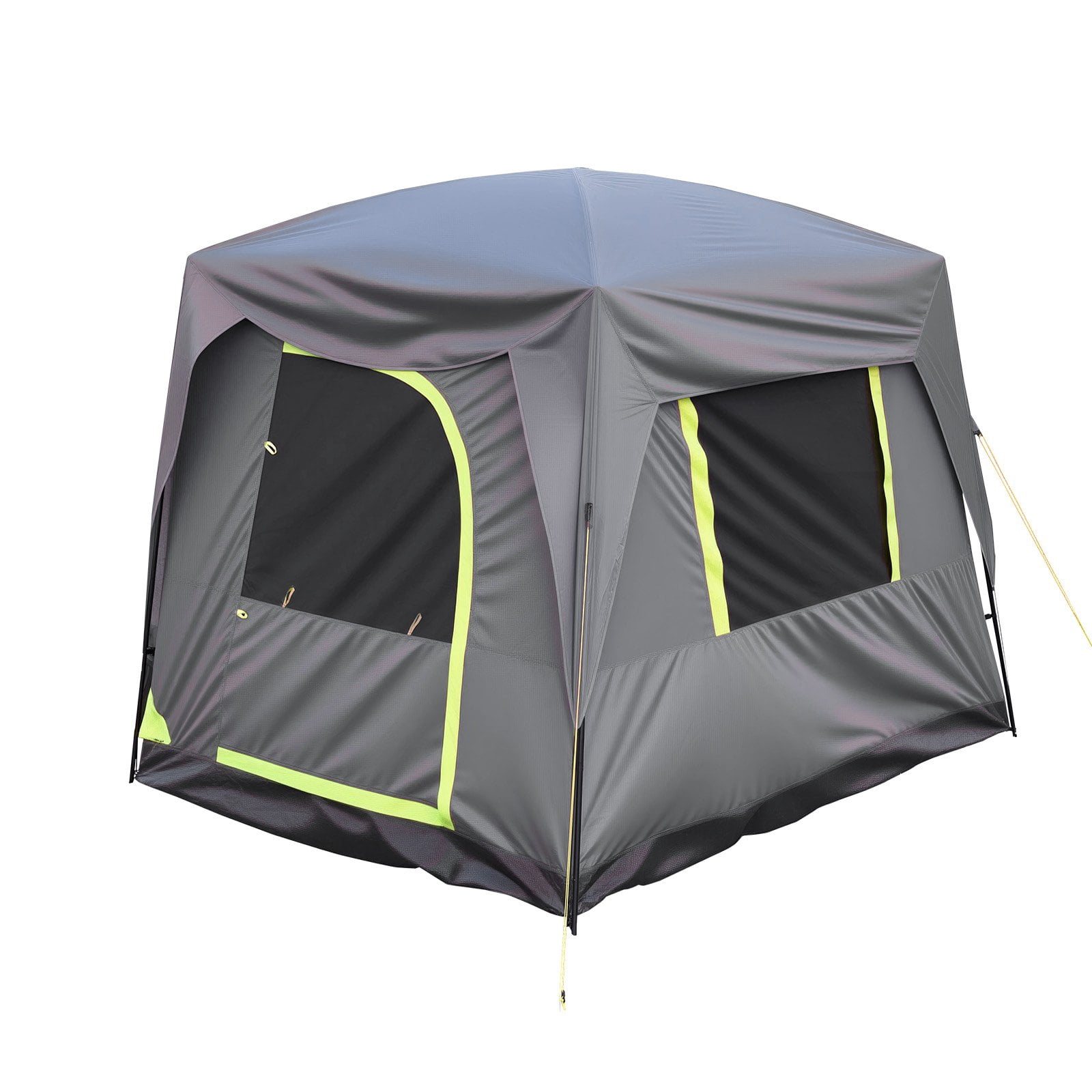
Credit: www.walmart.ca
Waterproof Vs Water-resistant Tents
Not all tents keep water out the same way. Some tents are waterproof, while others are water-resistant. Knowing the difference helps you choose the right tent for your needs.
Waterproof tents block all water from getting inside. Water-resistant tents stop some water but not all. This difference is important for camping in wet weather.
Material Differences
Waterproof tents use special materials to keep water out. These materials have coatings or membranes that stop water from passing through.
Water-resistant tents use fabrics that slow water but do not fully block it. They may have a light coating but no full waterproof layer.
- Waterproof tents often have sealed seams to prevent leaks.
- Water-resistant tents usually do not have sealed seams.
- Waterproof fabrics include polyurethane or silicone coatings.
- Water-resistant fabrics are often treated nylon or polyester.
Common Waterproof Ratings
Waterproof ratings measure how well a tent fabric stops water. The rating is given in millimeters (mm) of water pressure the fabric can hold.
Higher numbers mean better waterproofing. Look for tents with ratings over 1500 mm for good waterproof protection.
| Rating (mm) | Protection Level | Use Case |
|---|---|---|
| 1000 – 1500 | Water-Resistant | Light rain, short use |
| 1500 – 3000 | Waterproof | Moderate rain, camping |
| 3000+ | Highly Waterproof | Heavy rain, long trips |

Credit: www.ebay.ca
Key Features That Keep Tents Dry
Tents are essential for camping trips. They protect you from the rain and keep you dry. Understanding their features can help you choose the right one.
Here, we explore the key features that keep tents dry. These include seam sealing, rainfly design, and floor construction. Each feature plays a crucial role in waterproofing.
Seam Sealing And Taping
Seams are where tent fabrics join. They can let water in if not sealed. Seam sealing and taping prevent leaks.
- Seam sealing uses waterproof glue to close gaps.
- Taping involves applying a waterproof tape over seams.
- Both methods stop water from seeping through.
Rainfly Design
A rainfly is an extra cover over the tent. It shields the tent from rain and adds a layer of protection.
Good rainfly designs include:
- Full coverage over the tent body.
- Proper ventilation to reduce condensation.
- Easy attachment to the tent structure.
Floor Construction
The tent floor needs to be strong and waterproof. This prevents water from entering from the ground.
| Material | Waterproof Rating |
| Polyethylene | High |
| Polyester | Medium |
| Nylon | Variable |
Choosing The Right Waterproof Tent
Choosing a waterproof tent is important for a safe and dry camping trip. Not all tents protect well from rain and moisture.
Knowing how to pick the right tent helps you stay comfortable and enjoy your outdoor experience.
Evaluating Weather Conditions
Check the weather where you plan to camp. Some places have light rain, others have heavy storms.
Choose a tent that matches the rain and wind levels you expect. This keeps you safe and dry.
- Light rain: a basic waterproof tent is enough
- Heavy rain: pick tents with strong water resistance
- Windy areas: choose tents with sturdy poles and good anchoring
Tent Fabric Types
Tent fabric affects how well water is kept out. Some fabrics dry faster and resist water better.
Look for common waterproof fabrics like nylon or polyester with a special coating.
- Nylon: lightweight and often coated with polyurethane
- Polyester: resists water and sun damage well
- Canvas: heavy but very durable and water resistant
Budget Considerations
Tents come in many price ranges. Higher prices often mean better waterproof materials.
Balance your budget with how often and where you camp to find a good tent.
- Low budget: basic tents good for occasional use
- Mid budget: better fabrics and features for regular camping
- High budget: top-quality tents for harsh weather
Tips To Enhance Tent Waterproofing
Tents often face rain and wet conditions outdoors. Keeping your tent dry improves comfort and safety.
This guide shares simple tips to make your tent more waterproof and protect you from rain.
Applying Waterproof Sprays
Waterproof sprays add a water-resistant layer on your tent fabric. They help stop leaks and water damage.
Spray evenly on clean, dry surfaces. Let the tent dry fully before packing or using it again.
- Choose sprays made for tent materials like nylon or polyester.
- Apply in a well-ventilated area to avoid fumes.
- Repeat spraying after several uses or heavy rain.
Using Ground Tarps
A ground tarp sits under your tent to block moisture from the ground. It keeps the tent floor dry.
Make sure the tarp is smaller than your tent floor. This prevents rain from collecting under the tent edges.
- Pick a waterproof tarp made from durable material.
- Secure the tarp flat to avoid water pooling.
- Check the tarp for holes before each trip.
Proper Tent Setup
Setting up your tent correctly helps water run off and keeps it dry inside. Pay attention to tent tension.
Angle the tent so water flows away from doors and windows. Use stakes and guylines to keep it tight.
- Choose a flat, elevated spot to avoid water pooling.
- Check the rainfly covers all sides of the tent.
- Keep tent zippers closed during rain to stop leaks.
Common Mistakes That Cause Leaks
Many campers wonder if tents are waterproof. The truth is, tents can leak if not cared for properly. Some common mistakes cause these leaks and spoil outdoor trips.
Understanding these errors helps you keep your tent dry and safe in bad weather. Below are key causes of leaks and how to avoid them.
Ignoring Tent Maintenance
Not cleaning or checking your tent regularly can cause leaks. Dirt and damage weaken the fabric and seams. Small tears can grow if left alone.
- Always clean your tent after each use
- Inspect for holes or worn spots
- Repair any damage before your next trip
- Store your tent dry and away from sunlight
Poor Site Selection
Where you pitch your tent matters. Choosing the wrong spot can lead to water pooling under your tent or heavy wind damage.
| Site Problem | Effect on Tent |
| Low ground | Water pools causing leaks |
| Near trees | Branches can damage fabric |
| Open windy area | Wind can stress tent seams |
| Uneven ground | Tent fabric stretches and tears |
Skipping Seam Treatments
Seams are the weak points in tents. If not sealed or treated, water seeps through them. Many tents need seam sealing after some use.
- Apply seam sealer on all stitch lines
- Check seams for cracks or holes
- Retreat seams yearly or after heavy rain
- Use products made for your tent fabric

Credit: www.amazon.ca
Drying And Caring For Your Tent
Keeping your tent dry and clean after use helps it last longer. Proper care prevents damage and keeps it waterproof.
Learn how to clean your tent after trips and store it the right way to protect the fabric and seams.
Post-trip Cleaning
Cleaning your tent after each trip removes dirt and moisture that can cause mold and damage.
- Set up the tent in a shaded area.
- Brush off dirt and leaves with a soft brush.
- Use a sponge and mild soap to clean stains.
- Rinse with clean water to remove soap.
- Do not use harsh chemicals or washing machines.
- Let the tent dry completely before packing.
Storage Best Practices
Store your tent in a dry, cool place to keep it safe from damage and moisture.
| Storage Tip | Reason |
| Keep tent loosely folded or rolled | Prevents creases and fabric damage |
| Use a breathable storage bag | Allows air circulation to avoid mold |
| Store away from direct sunlight | Protects fabric from UV damage |
| Avoid damp places | Prevents mildew and mold growth |
| Check tent regularly | Detects any damage early |
Frequently Asked Questions
Are All Tents Waterproof By Default?
Not all tents are waterproof by default. Many tents have water-resistant coatings, but true waterproof tents feature sealed seams and durable fabrics to prevent water entry during heavy rain.
How To Check If A Tent Is Waterproof?
Check the tent’s waterproof rating, usually given in millimeters. Look for sealed seams and water-resistant fabric. User reviews also provide real-world waterproof performance insights.
What Materials Make A Tent Waterproof?
Waterproof tents typically use polyester or nylon with polyurethane or silicone coatings. These materials repel water effectively and increase durability in wet conditions.
Can Waterproof Tents Keep Out Heavy Rain?
Yes, waterproof tents with high-quality coatings and sealed seams can keep out heavy rain. Proper setup and maintenance also improve water resistance during storms.
Conclusion
Tents can be waterproof, but not all are the same. Check the material and coating carefully. Seams and zippers also affect water resistance. Using a rainfly adds extra protection. Proper setup keeps water out better. Remember, no tent is fully waterproof forever.
Regular care helps maintain water resistance. Choose a tent that fits your weather needs. Stay dry and enjoy your outdoor adventure comfortably.