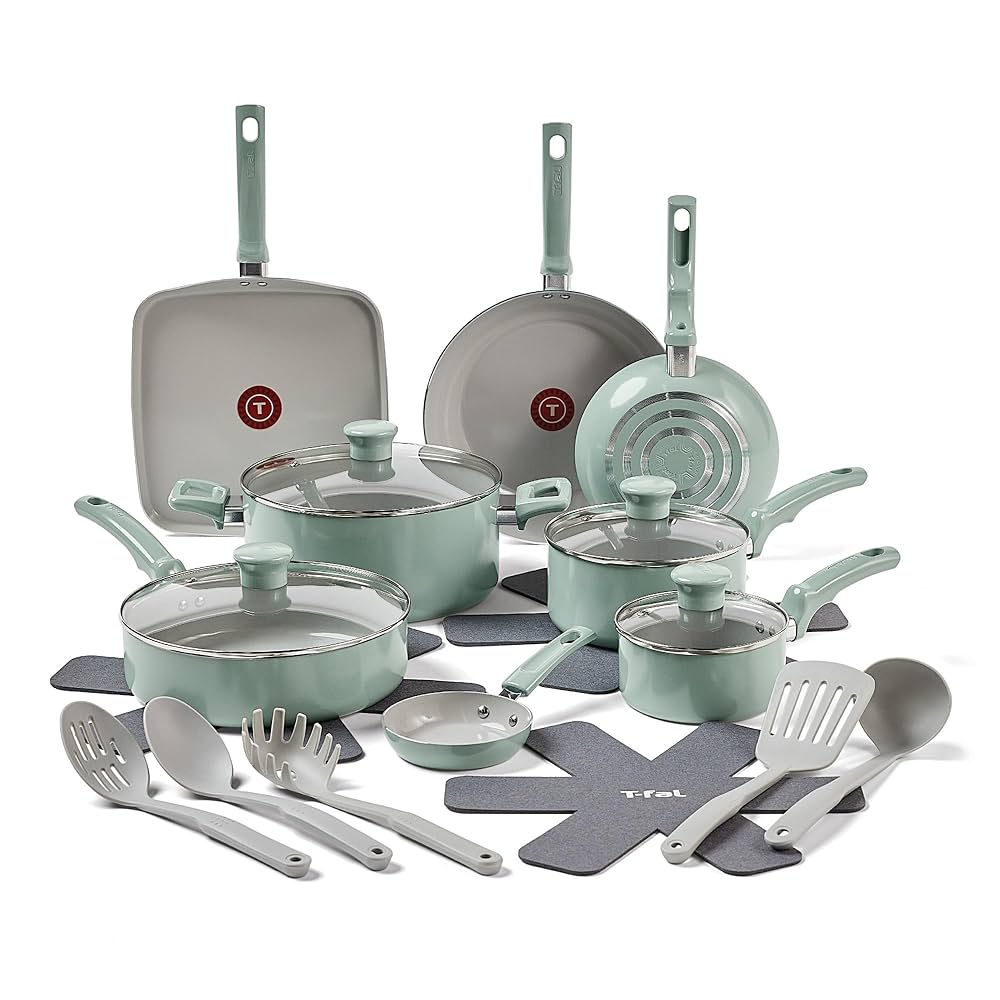
Are you wondering if Tfal pans are really worth your money? Choosing the right cookware can make a big difference in your kitchen, and you want something that lasts, cooks evenly, and is easy to clean.
You might have heard mixed reviews about Tfal pans, and it’s hard to know what to believe. This article will help you understand exactly what makes Tfal pans stand out—or fall short—so you can decide if they’re the right fit for your cooking needs.
Keep reading to discover the truth behind these popular pans and how they might change the way you cook forever.
Tfal Brand History
Tfal is a well-known cookware brand. It has a long history of making pans and pots.
The brand is known for its focus on quality and easy cooking. It has grown over many years.
Origins And Growth
Tfal started in France in 1956. It was first called Tefal, a mix of Teflon and aluminum.
The brand grew fast by making non-stick pans. These pans made cooking and cleaning easier.
- Founded by Marc Grégoire
- First non-stick pans with Teflon coating
- Expanded to many countries
- Became part of Groupe SEB
Innovation In Cookware
Tfal focuses on new ideas to improve cookware. It uses special coatings for better cooking.
The brand added heat indicators on pans. This helps cooks know when the pan is hot enough.
- Non-stick coatings for easy food release
- Thermo-spot technology to show cooking temperature
- Durable materials for long use
- Variety of pan sizes and shapes

Credit: www.amazon.ca
Key Features Of Tfal Pans
Tfal pans are popular for their ease of use in cooking. They come with features that make cooking simpler and cleaning faster.
Understanding the key features helps you decide if these pans fit your kitchen needs.
Nonstick Technology
Tfal pans use a nonstick coating that prevents food from sticking. This coating allows for cooking with less oil or butter.
The nonstick surface makes cleaning easy since food residue does not cling to the pan. It also helps cook delicate foods like eggs and fish without breaking them.
Material And Build Quality
Tfal pans are usually made from aluminum or stainless steel. Aluminum pans are lightweight and heat up quickly.
The build quality is strong enough for everyday cooking. Some pans have reinforced layers to improve strength and performance.
- Aluminum body for quick heating
- Stainless steel options for durability
- Reinforced layers for added strength
Heat Distribution
Tfal pans offer even heat distribution across the cooking surface. This helps cook food evenly without hot spots.
Even heat means better cooking results and less chance of burning food in some spots while others remain undercooked.
Durability And Maintenance
Tfal pans are designed to last with proper care. The nonstick coating can wear out if scratched or cleaned roughly.
To keep pans in good shape, use soft utensils and hand wash when possible. Avoid high heat to protect the coating.
- Use non-metal utensils to avoid scratches
- Hand wash with mild soap
- Avoid very high heat to extend pan life
Performance In Cooking
Tfal pans are popular for everyday cooking. They aim to provide good heat control and easy food release.
Understanding their performance helps you decide if they fit your kitchen needs.
Heat Retention
Tfal pans heat up quickly and keep heat well. This helps food cook evenly without hot spots.
They work best on medium heat settings to save energy and avoid burning food.
Food Release
Tfal pans use a non-stick coating to stop food from sticking. This makes cooking and cleaning easier.
Proper use of cooking oil or butter improves the non-stick effect and extends the pan’s life.
Suitability For Different Cooking Styles
Tfal pans work well for frying, sautéing, and simmering. They are less suitable for high-heat searing.
- Great for eggs, pancakes, and fish
- Good for cooking sauces and vegetables
- Not ideal for browning meat at very high heat

Credit: www.t-fal.com
Safety And Health Aspects
Tfal pans are popular for cooking at home. Many people want to know if these pans are safe for health. This section looks at the safety and health features of Tfal pans.
We focus on two main points: the coating used on the pans and their use in ovens and dishwashers. Both affect how safe and healthy these pans are.
Non-toxic Coating
Tfal pans use a non-stick coating to stop food from sticking. This coating is made to be safe and not release harmful chemicals during cooking. It is free from PFOA, a chemical once used in non-stick pans that could be harmful.
- The coating is tested to meet safety standards.
- It does not break down at normal cooking temperatures.
- It helps cook food with less oil, which is healthier.
- Users should avoid overheating pans to keep the coating safe.
Oven And Dishwasher Safety
Many Tfal pans can be used in ovens and cleaned in dishwashers. This makes cooking and cleaning easier. Still, users should follow the instructions to keep the pans safe and healthy.
| Feature | Safe Use Guidelines |
| Oven Use | Check max temperature, usually up to 350°F or 180°C |
| Dishwasher Use | Dishwasher safe but hand washing extends life |
| Handle Care | Some handles are not oven-safe, check material |
| Coating Care | Avoid metal utensils to prevent damage |
Customer Feedback
Many customers share their experiences with Tfal pans. Their feedback helps understand the product’s strengths and weaknesses.
Reading real user reviews can guide buyers in making a decision about these pans.
Positive Reviews
Users often praise Tfal pans for their non-stick surface and even heat distribution. Many find them easy to clean and durable for everyday cooking.
- Non-stick coating works well for cooking eggs and pancakes.
- Handles stay cool and provide a good grip.
- The pans heat evenly, which helps food cook properly.
- Easy to clean by hand or in the dishwasher.
- Lightweight design makes them easy to handle.
Common Complaints
Some customers report issues like the coating wearing off after months. Others mention the pans can warp if used on high heat.
| Issue | Details | Frequency |
|---|---|---|
| Coating wear | Non-stick surface peels or scratches over time | Medium |
| Warping | Pan base bends after heating on high flames | Low to Medium |
| Handle looseness | Handle may become loose after months of use | Low |
| Not dishwasher safe | Some users find cleaning instructions unclear | Low |
Comparison With Competing Brands
Tfal pans are popular in many kitchens. It is helpful to compare them with other brands. This lets you see what you get for your money.
Many brands offer non-stick pans. Each brand has its own strengths and weaknesses. We look at price, quality, and features to help you choose.
Price Vs Quality
Tfal pans usually cost less than some high-end brands. This makes them a good choice for budgets.
The quality of Tfal pans is solid for the price. They offer good durability and non-stick performance.
- Tfal pans are more affordable than brands like All-Clad.
- They offer better durability than cheaper no-name pans.
- Some brands may last longer but cost much more.
Feature Differences
Tfal pans have unique features that some brands lack. Their Thermo-Spot indicator shows when the pan is hot enough.
Other brands may have thicker bases or different coatings. These can affect heat distribution and stick resistance.
| Feature | Tfal | Competitors |
|---|---|---|
| Non-stick coating | Durable, multi-layer | Varies: ceramic, PTFE |
| Heat indicator | Thermo-Spot | Rare |
| Base thickness | Medium | Thin to thick |
| Handle type | Ergonomic, stay-cool | Varies |
Buying Tips For Tfal Pans
Tfal pans are popular for cooking because they are non-stick and easy to clean. Choosing the right pan can make your cooking easier and healthier.
Knowing what to look for helps you get the best pan for your needs and budget. Here are some tips to guide you.
Choosing The Right Size
Select a pan size based on the number of people you cook for and the type of food you make. A pan that is too big or too small can affect cooking results.
- Small pans (8-10 inches) suit one or two people.
- Medium pans (10-12 inches) are good for families of three to four.
- Large pans (12 inches and above) fit bigger groups or meals with many ingredients.
Identifying Genuine Products
Fake Tfal pans may look similar but do not last as long or cook well. Spotting real products helps avoid disappointment.
| Feature | Genuine Tfal | Fake Product |
| Logo | Clear, engraved or printed | Faded or missing |
| Weight | Heavier due to quality materials | Lighter and cheap feeling |
| Non-stick coating | Even and smooth | Uneven or peeling |
| Price | Consistent with market rates | Very low price |
Budget Considerations
Set a budget before buying. Tfal pans come in different price ranges. Spending wisely ensures good value.
- Decide how often you will use the pan.
- Look for sales or discounts to save money.
- Check if the pan has a warranty for peace of mind.
- Remember that a higher price often means better quality and durability.
Care And Maintenance Tips
Tfal pans are popular for their non-stick surface and ease of use. Proper care helps keep them working well for a long time.
Following simple cleaning and maintenance tips will protect the coating and improve your cooking experience.
Cleaning Best Practices
Clean Tfal pans gently to avoid damaging the non-stick surface. Avoid harsh tools and chemicals.
- Use warm water and mild dish soap for washing.
- Wash with a soft sponge or cloth; do not use steel wool.
- Let the pan cool before cleaning to prevent warping.
- Dry the pan completely with a soft towel to avoid water spots.
- Remove stuck food by soaking the pan in warm soapy water.
- Avoid using abrasive cleaners or harsh chemicals.
Extending Pan Lifespan
Simple habits can extend your Tfal pan’s life. Protect the coating and handle the pan with care.
| Tip | Why It Helps |
| Use wooden or silicone utensils | Prevents scratching the non-stick surface |
| Cook on low to medium heat | Protects coating from heat damage |
| Store pans carefully | Avoids chips and scratches from stacking |
| Season the pan occasionally | Maintains non-stick properties |
| Avoid cooking sprays | Prevents residue buildup on the surface |

Credit: www.amazon.ca
Frequently Asked Questions
Are Tfal Pans Durable And Long-lasting?
Tfal pans are known for their durability and long-lasting performance. Made with high-quality materials, they often feature a non-stick coating that resists scratches and wear. With proper care, Tfal pans can last for several years, making them a reliable choice for home cooks.
Do Tfal Pans Have A Non-stick Coating?
Yes, Tfal pans are renowned for their non-stick coating. This feature makes cooking and cleaning much easier. The non-stick surface ensures that food releases effortlessly, reducing the need for excess oils. It also simplifies cleanup, as food residues don’t cling to the pan.
Are Tfal Pans Safe To Use On All Stovetops?
Tfal pans are designed to be versatile and are generally safe for most stovetops. This includes gas, electric, and ceramic stovetops. However, it’s always best to check the specific product instructions. Some Tfal pans are also compatible with induction cooktops.
How Do You Clean Tfal Pans Properly?
To clean Tfal pans, use warm soapy water and a soft sponge. Avoid abrasive cleaners or metal utensils that can damage the non-stick coating. Most Tfal pans are dishwasher safe, but hand washing is recommended to prolong their lifespan.
Conclusion
Tfal pans offer good non-stick performance and easy cleaning. They heat evenly and save cooking time. Many users find them durable for everyday use. The handles stay cool, making cooking safer. Some models work on various stovetops, including induction. Keep in mind to avoid metal utensils to protect the coating.
Overall, Tfal pans suit basic cooking needs well. They provide value without extra cost. A practical choice for many kitchens. Worth considering if you want reliable cookware.