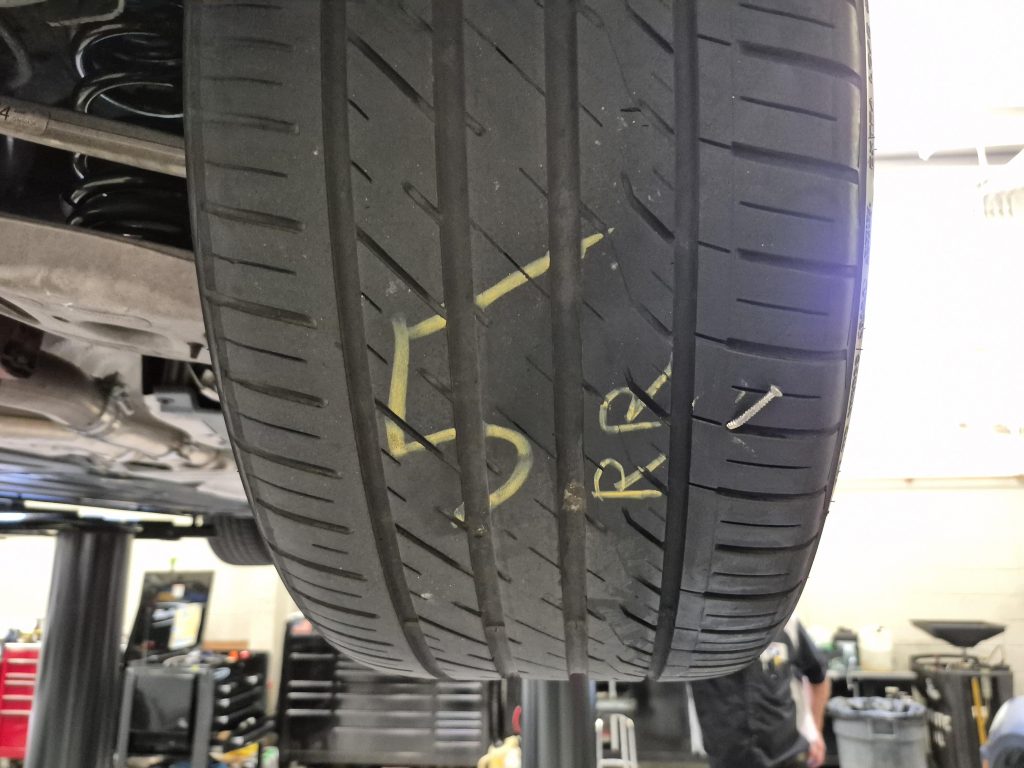
Imagine the excitement of driving your brand-new car off the lot, the fresh scent of a new interior, and the smooth feel of the road under your tires. But wait—have you ever wondered what happens if those new tires hit a snag sooner than expected?
Are you covered, or are you left to foot the bill? If you’ve asked yourself, “Are tires under warranty on a new car? ” You’re not alone. This is a question that can make a world of difference to your peace of mind and your wallet.
Understanding tire warranties could save you from unexpected headaches and costs down the road. Dive in, and let’s unravel this crucial aspect of new car ownership together. Your journey to clearer answers begins here.

Credit: www.reddit.com
Tire Warranty Basics
Tires on a new car often come with a warranty from the tire maker. This warranty protects buyers against defects and certain tire problems. Understanding these warranties helps car owners know what is covered and how to get help if needed.
These warranties differ by tire brand and type. They usually cover defects in materials or workmanship. Some warranties also cover tire wear and road hazards under certain conditions.
Types Of Tire Warranties
Tire warranties come in several types. Each type offers different protections. Knowing these types helps you understand what your tires cover.
- Manufacturer’s Warranty:Covers defects in materials and workmanship.
- Treadwear Warranty:Guarantees the tread life for a set distance.
- Road Hazard Warranty:Covers damage from road debris like nails or potholes.
- Uniformity Warranty:Protects against uneven wear or vibrations.
What New Car Tires Typically Cover
New car tires usually have a basic warranty from the tire maker. This warranty covers tire defects and early treadwear. Some include road hazard protection, but not all.
Most new tires cover:
- Defects in materials and workmanship
- Treadwear for a certain mileage
- Replacement or repair if tires fail under warranty

Credit: rnrtires.com
Manufacturer Vs Dealer Warranties
When you buy a new car, the tires may have warranties. These warranties can come from the tire maker or the car dealer. Knowing the difference helps you understand what is covered.
This guide explains the roles of tire manufacturers and dealers in tire warranties. It also shows what each warranty includes.
Role Of Tire Manufacturer
Tire manufacturers offer warranties that cover defects in materials and workmanship. These warranties usually last for a set number of miles or years.
- Cover tire defects such as cracks or separations
- Include mileage limits, often between 30,000 to 60,000 miles
- May offer prorated coverage after full warranty ends
- Require proper tire maintenance and use
- Do not cover damage from road hazards or accidents
Dealer Warranty Inclusions
| Warranty Type | What It Covers | Duration |
| Limited Warranty | Basic tire defects and workmanship | Varies by dealer |
| Road Hazard Warranty | Damage from nails, potholes, and debris | Usually 12-24 months |
| Free Tire Rotation | Periodic tire rotation service | During first year |
| Alignment Checks | Wheel alignment inspections | During warranty period |
Warranty Coverage Conditions
New car tires sometimes come with a warranty. This warranty protects against defects and early wear. It is important to understand the conditions that apply.
This guide explains the key warranty coverage conditions for tires on a new car. Knowing these helps you keep your warranty valid.
Mileage And Time Limits
Tire warranties usually have limits based on miles driven and time passed. You must check these limits to see if your tire is covered.
| Condition | Typical Limit |
| Mileage | 30,000 to 60,000 miles |
| Time | 3 to 6 years from purchase |
Maintenance Requirements
Maintaining tires is key to keeping the warranty valid. The manufacturer sets rules for proper care.
- Regular tire rotation every 5,000 to 7,000 miles
- Maintain correct tire pressure
- Check for damage and wear often
- Keep alignment and balance in good condition
Exclusions And Limitations
Not all tire issues are covered by warranty. Some problems are excluded or limited.
Common exclusions include damage from accidents, improper use, or road hazards. Normal wear is often not covered.
- Damage from potholes or debris
- Flat tires from nails or glass
- Wear from poor maintenance
- Use on vehicles exceeding load limits
How To Make A Warranty Claim
New car tires often come with a warranty. This warranty protects you against defects or early wear. Knowing how to make a claim helps you save money and get repairs or replacements.
Follow clear steps to identify issues, start the claim, and gather documents. This guide makes the process easier to understand.
Identifying Warranty Issues
Check your tires regularly for problems. Look for uneven wear, bubbles, cuts, or tread loss. These may be covered by the warranty if caused by defects.
Not all damage is covered. Damage from accidents or poor maintenance usually is not. Know the difference before filing a claim.
- Uneven tread wear caused by defects
- Cracks or bubbles in the tire sidewall
- Manufacturing defects like separations
- Exclusions: punctures or cuts from road hazards
Claim Process Steps
Start by contacting the tire dealer or manufacturer. Explain the problem clearly and ask about warranty coverage. They will guide you through the process.
You may need to bring the tire for inspection. The dealer checks if the issue fits the warranty terms. If approved, they will repair or replace the tire.
- Contact dealer or manufacturer
- Describe the tire problem
- Schedule an inspection
- Wait for approval or denial
- Receive repair or replacement
Necessary Documentation
Keep your purchase receipt and warranty papers. These prove when and where you bought the tires. They also show the warranty terms.
Document the tire condition with photos if possible. This helps support your claim. Bring all documents to the dealer for review.
- Purchase receipt
- Warranty booklet or card
- Photos of tire damage
- Service and maintenance records
Common Warranty Myths
Many people think tires on new cars always have full warranty coverage. This is not always true. Understanding tire warranties helps avoid surprises.
There are myths about what tire warranties cover. Let’s clear up some common misunderstandings.
Misconceptions About Wear And Tear
Some believe tire warranties cover all wear and tear. Most warranties do not cover normal tire wear. Tires wear out from driving and road conditions.
Manufacturers usually cover defects in materials or workmanship. They rarely cover damage from road hazards or poor maintenance.
- Warranties do not cover tread worn down by normal use
- Damage from potholes or nails is usually not covered
- Proper tire maintenance affects warranty validity
Impact Of Vehicle Modifications
Changing your vehicle, like lifting or lowering it, can affect tire warranties. Modifications may cause uneven tire wear or stress.
Tire warranties often exclude damage caused by vehicle changes. Always check if your modifications affect your warranty.
- Modifications can void tire warranties
- Uneven wear from changes may not be covered
- Check warranty terms before modifying your vehicle

Credit: www.endurancewarranty.com
Tips For Maximizing Tire Warranty
Tires on a new car often come with a warranty. This warranty can protect you from defects and early wear. To get the most from it, you must care for your tires properly.
Follow simple tips to keep your tires safe and ensure your warranty stays valid. These tips include regular maintenance, record keeping, and picking the right tires.
Regular Tire Maintenance
Checking and caring for your tires helps catch problems early. It also keeps tires in good shape for longer. This supports your warranty claims if needed.
- Check tire pressure monthly and before long trips.
- Rotate tires every 5,000 to 7,000 miles to spread wear evenly.
- Inspect tires for cuts, cracks, or uneven wear.
- Balance and align wheels as recommended by your car’s manual.
Keeping Records
Keeping detailed records helps prove you cared for your tires. Tire warranties often require proof of maintenance. Good records can make warranty claims easier.
| Date | Service Performed | Service Center |
|---|---|---|
| 2024-01-15 | Tire rotation and balancing | Auto Care Center |
| 2024-04-10 | Tire pressure check | Quick Service Shop |
| 2024-06-05 | Wheel alignment | City Garage |
Choosing The Right Tires
Choosing tires that fit your car and driving style matters. The wrong tires may wear out fast and void the warranty. Always check your car manual for tire size and type.
- Pick tires recommended by the car manufacturer.
- Choose tires with good tread life ratings.
- Avoid cheap tires that may fail early.
- Consider tires designed for your climate and road conditions.
Frequently Asked Questions
Are Tires Covered Under A New Car Warranty?
Tires are usually not covered under a new car’s warranty. They have separate manufacturer warranties. Check the tire warranty details for coverage specifics.
How Long Do Tire Warranties Last On New Cars?
Tire warranties typically last between 25,000 to 60,000 miles. Coverage depends on the tire brand and type. Always verify with the tire manufacturer.
Can Tire Damage Be Claimed Under Car Warranty?
Tire damage from wear and tear is not covered. Defects in materials or workmanship may be covered by tire warranty. Car warranty rarely covers tires.
Do Tire Warranties Cover Road Hazards?
Some tire warranties include road hazard protection. This covers punctures and damage from debris. Confirm with the tire manufacturer or retailer for exact terms.
Conclusion
Tires on a new car often come with a warranty. This warranty usually covers defects in materials or workmanship. It does not cover normal wear or damage from road hazards. Checking your car’s warranty booklet helps clarify what is included.
Keep your receipts and service records for any claims. Knowing your tire warranty can save money and stress. Always inspect tires regularly to spot issues early. Stay informed and protect your investment wisely.