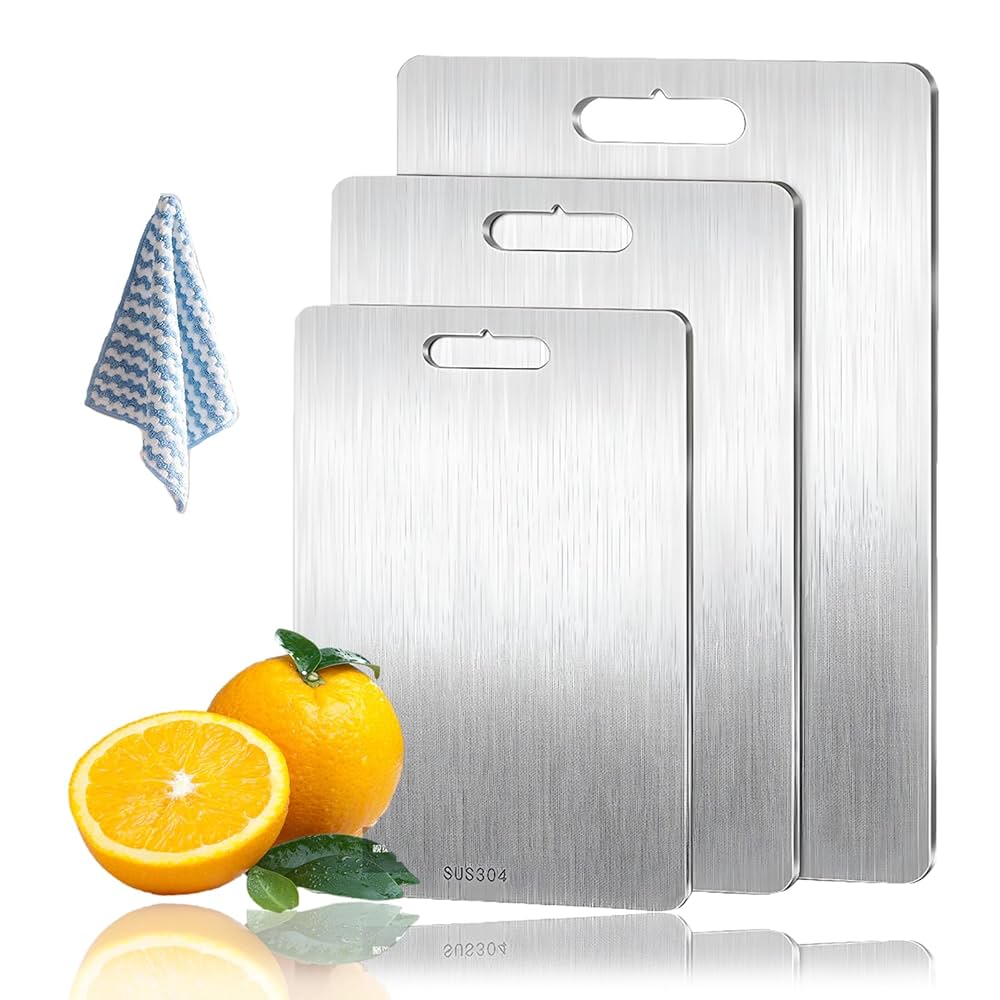
Are you wondering if titanium chopping boards are the right choice for your kitchen? You want something durable, safe, and easy to use—but does titanium deliver on all these?
This article will help you understand the real benefits and possible downsides of titanium chopping boards. By the end, you’ll know exactly whether they fit your cooking style and needs. Keep reading to discover if this unique material can upgrade your food prep game.
Titanium Material Benefits
Titanium is a strong and light metal. It has many uses in different tools and products.
Using titanium for chopping boards can bring special benefits. Let’s look at them closely.
Durability And Strength
Titanium is very hard and lasts a long time. It does not break or crack easily.
This means a titanium chopping board can handle heavy use without damage.
Lightweight Design
Titanium weighs less than many metals. This makes chopping boards easy to carry and move.
A lightweight board is helpful in busy kitchens and during outdoor cooking.
Resistance To Rust And Corrosion
Titanium does not rust or corrode when wet. It stays clean and safe for food use.
This property keeps the chopping board in good condition for many years.
Easy To Clean And Maintain
Titanium surfaces are smooth and do not absorb liquids. This stops bacteria from growing.
Cleaning a titanium chopping board is quick and simple with just soap and water.
Non-toxic And Safe For Food
Titanium is non-toxic and does not react with food. It keeps food flavors pure.
This makes titanium chopping boards a safe choice for healthy cooking.
Durability Compared To Other Materials
Titanium chopping boards are known for their strength. Their durability is one of the main reasons people consider them.
It is important to see how titanium boards last against other common materials. This helps choose the best board for kitchen use.
Wooden Boards
Wooden boards are popular for their natural look and feel. They are strong but can wear down over time.
Wood can absorb water and crack if not cared for. It may also get scratches and stains easily.
Plastic Boards
Plastic boards are light and easy to clean. They resist water but can get deep cuts from knives.
Over time, plastic boards may warp or become rough. They also tend to wear out faster than metal or wood.
Bamboo Boards
Bamboo boards are harder than regular wood. They are eco-friendly and resist water better than some woods.
Bamboo can still crack or split if left wet too long. It lasts longer than many wooden boards but less than metal.
Impact On Knife Sharpness
Titanium chopping boards are less common than wood or plastic. People wonder if they affect knife blades differently.
Knife sharpness depends on the board’s hardness and surface texture. This section looks at how titanium boards impact knives.
Hardness Of Titanium Boards
Titanium is a very hard metal. This hardness makes the board tough and durable.
The hard surface can cause knife blades to dull faster than on softer boards.
- Harder surface means more blade wear
- Knives hit a tough material with each cut
- Repeated use may cause quicker blade dulling
Surface Texture And Its Effects
Titanium boards often have a smooth metal finish. This smoothness can reduce friction on the blade.
Less friction means the blade does not get caught or scratched easily. Still, the hard surface remains a concern.
- Smooth surface lowers friction
- Blade slides easily over the board
- Does not protect blade edges from hard impact
Comparison With Other Board Materials
Wood and plastic boards are softer than titanium. They absorb some impact from cutting.
This softness helps keep knives sharper longer. Titanium does not offer this benefit.
| Material | Hardness Level | Blade Impact |
|---|---|---|
| Wood | Soft | Gentle on blades |
| Plastic | Medium | Moderate wear |
| Titanium | Very Hard | Can dull blades faster |

Credit: www.amazon.com
Resistance To Stains And Odors
Titanium chopping boards offer strong resistance to stains. This quality helps keep the board looking clean over time.
Odors from foods can stick to some cutting surfaces. Titanium boards reduce this problem effectively.
How Titanium Resists Stains
Titanium is a metal that does not absorb liquids easily. This makes it hard for stains to set in. Even strong-colored foods leave less mark on titanium boards.
Odor Prevention Features
Odors come from food particles trapped in the board. Titanium has a smooth surface that stops food from getting stuck. This limits bad smells from building up.
- Non-porous surface blocks odor absorption
- Easy to clean with simple washing
- Does not hold bacteria that cause smells
- Remains fresh even after cutting strong-smelling foods
Comparison With Other Materials
| Material | Stain Resistance | Odor Resistance |
| Titanium | High | High |
| Wood | Medium | Low |
| Plastic | Low | Medium |
| Bamboo | Medium | Low |
Safety And Hygiene Aspects
Titanium chopping boards are not common but they offer unique features. Safety and hygiene are important when choosing any chopping board.
We will look at how titanium boards perform in these areas.
Non-porous Surface
Titanium has a smooth, non-porous surface. This means it does not absorb liquids or bacteria.
A non-porous surface helps keep the board cleaner and safer to use for food.
Resistance To Bacteria Growth
Titanium is naturally resistant to bacteria growth. This reduces the risk of food contamination.
The metal does not allow germs to stay on its surface for long.
Easy To Clean
Titanium boards are easy to clean with soap and water. They can also handle strong disinfectants.
- Use warm water and mild detergent
- Rinse thoroughly after washing
- Dry completely to avoid moisture build-up
Durability And Surface Damage
Titanium is a very hard metal. It resists scratches and cuts that can trap bacteria.
Less surface damage means better hygiene over time.
Safe For Food Contact
Titanium is non-toxic and safe for food contact. It does not leach harmful chemicals.
This makes it a good choice for people with allergies or sensitivities.
Environmental Considerations
Titanium chopping boards are a unique choice for kitchens. Understanding their environmental impact helps you decide if they fit your values.
This section covers the main environmental factors of using titanium chopping boards.
Material Production Impact
Titanium mining and processing require a lot of energy. It produces carbon emissions and disturbs natural habitats. This can harm the environment.
Durability And Waste Reduction
Titanium boards last many years without wearing out. This reduces waste because you replace them less often. Long life means fewer resources used over time.
Recyclability
Titanium is highly recyclable. It can be melted and reused without losing quality. Recycling titanium uses less energy than mining new metal.
- Recycling reduces landfill waste
- Less mining lowers habitat destruction
- Energy savings lower carbon footprint
Comparison With Other Materials
| Material | Production Energy | Durability | Recyclability |
| Titanium | High | Very High | Excellent |
| Wood | Low | Medium | Good |
| Plastic | Medium | Low | Poor |
Price And Market Availability
Titanium chopping boards are not very common in the market. They tend to be more expensive than traditional boards.
Understanding their price and availability helps you decide if they fit your kitchen needs and budget.
Price Of Titanium Chopping Boards
Titanium chopping boards cost more than wooden or plastic boards. This is because titanium is a rare and strong metal.
The high price reflects the durability and resistance titanium offers. You pay for quality and long life.
- Prices often range from $100 to $300 or more
- Cheaper options are rare
- High cost limits buyers to those seeking premium products
Market Availability
Titanium chopping boards are not widely available in stores. You may find them online or in specialty kitchen shops.
Limited supply means buyers must search carefully. Many brands focus on wood or plastic boards instead.
- Mostly sold by high-end kitchenware brands
- Few models and sizes to choose from
- Custom-made options exist but cost more
User Reviews And Feedback
Titanium chopping boards are a newer option in kitchen tools. Many users share their thoughts on how they work daily. This feedback helps others decide if these boards fit their needs.
Here we look at common opinions from people who have tried titanium chopping boards. We cover durability, ease of cleaning, and overall user satisfaction.
Durability And Strength
Most users say titanium chopping boards last a long time. They resist dents and scratches better than plastic or wood. This makes them a good choice for heavy chopping tasks.
- Resistant to deep cuts and gouges
- Does not warp or crack easily
- Maintains smooth surface after months of use
Cleaning And Maintenance
Users find cleaning titanium boards simple. The non-porous surface stops bacteria from hiding inside. Some say they can be washed in dishwashers without damage.
| Cleaning Method | User Feedback |
| Hand washing with soap | Easy and quick |
| Dishwasher safe | Many confirm no damage |
| Sanitizing sprays | Works well, no residue |
Overall User Satisfaction
Most users appreciate titanium chopping boards for their strength and hygiene. Some mention the boards feel heavier than wood or plastic. A few say the price is higher but worth it for quality.
- Pros:Long-lasting, easy to clean, hygienic surface
- Cons:Heavier than other boards, higher cost
Maintenance And Care Tips
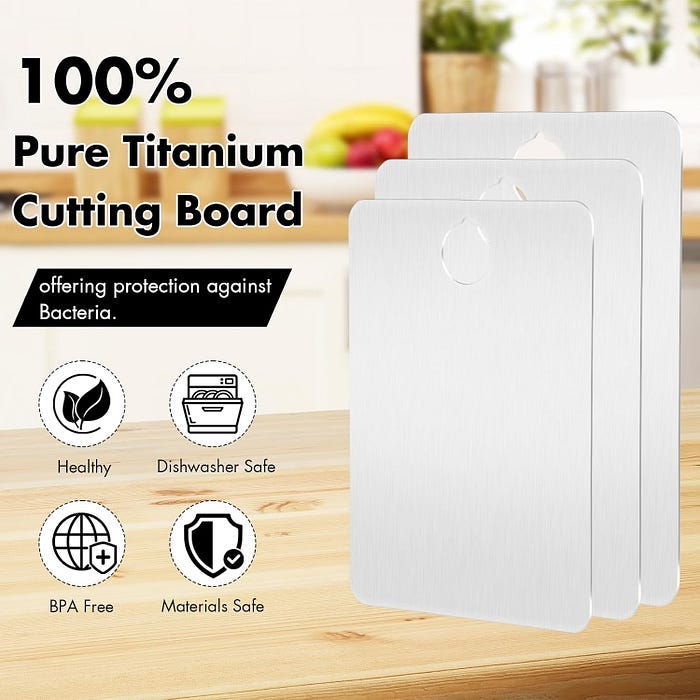
Titanium chopping boards are strong and last long. They need proper care to stay clean and safe.
Good maintenance keeps the board looking new and avoids damage. Follow simple steps every day.
Cleaning After Use
Wash your titanium chopping board with warm water and mild soap. Do this right after use.
Use a soft sponge or cloth to avoid scratches. Rinse well to remove all soap.
- Do not use harsh scrubbers or steel wool.
- Avoid bleach or strong chemicals that harm the surface.
- Dry the board completely with a soft towel.
Avoiding Heat Damage
Titanium resists heat but avoid placing hot pans on it. High heat can cause warping.
Keep the board away from open flames or direct oven heat. This protects its finish and shape.
Storing Properly
Store the board in a dry and cool place. Avoid stacking heavy items on top of it.
Keep it upright or flat on a shelf. This stops bending or unnecessary pressure.
- Do not leave the board wet or damp for long.
- Use a cutting board stand or rack if possible.
Removing Stains And Odors
Use baking soda paste to clean stains. Mix baking soda with water and scrub gently.
To remove odors, wipe with lemon juice or vinegar. Let it sit for a few minutes before rinsing.
- Do not soak the board for a long time.
- Rinse well after cleaning to remove residue.
Regular Inspection
Check the board often for scratches or dents. Small damage can hide bacteria.
Replace the board if it shows deep damage or rust spots. This keeps food safe.
Credit: medium.com

Credit: www.amazon.com
Frequently Asked Questions
Are Titanium Chopping Boards Durable For Daily Use?
Yes, titanium chopping boards are extremely durable. They resist scratches, dents, and wear, making them suitable for daily kitchen tasks. Their strength ensures long-lasting performance without degrading quickly.
Do Titanium Chopping Boards Protect Knife Edges?
Titanium boards are harder than wood but may dull knives faster than plastic. However, they offer excellent hygiene and durability. Use with care to maintain sharpness.
Are Titanium Chopping Boards Easy To Clean?
Yes, titanium chopping boards are non-porous and easy to clean. They resist bacteria and odors, making them highly hygienic for food preparation. Simply wash with soap and water.
Are Titanium Chopping Boards Safe For Food Contact?
Titanium is non-toxic and food-safe. It does not leach chemicals or absorb food particles. This makes titanium chopping boards safe and healthy for kitchen use.
Conclusion
Titanium chopping boards offer strength and durability for daily use. They resist stains and do not absorb odors easily. These boards stay sharp and last a long time. Cleaning is simple, making kitchen work easier. Though pricier, they provide value through longevity.
Consider your needs and budget before choosing one. A titanium board might suit those wanting a sturdy cutting surface. Overall, they bring solid performance to your kitchen tasks.