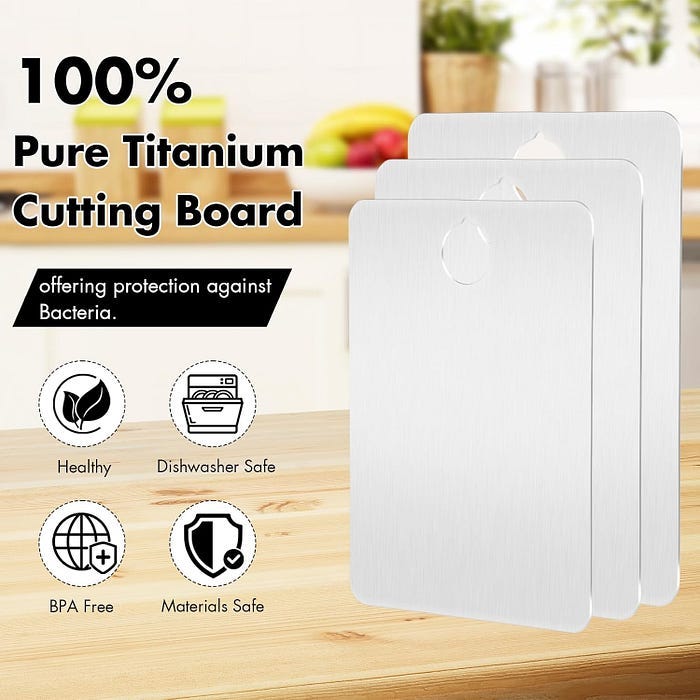
Have you ever wondered if your cutting board could be quietly damaging your knives? When it comes to choosing the right surface for chopping, the material matters more than you might think.
Titanium cutting boards have been gaining attention, but are they really safe for your knives? If you want to keep your blades sharp and your kitchen efficient, understanding how different cutting boards affect your knives is crucial. Keep reading to discover the truth about titanium cutting boards and whether they could be harming your valuable kitchen tools.
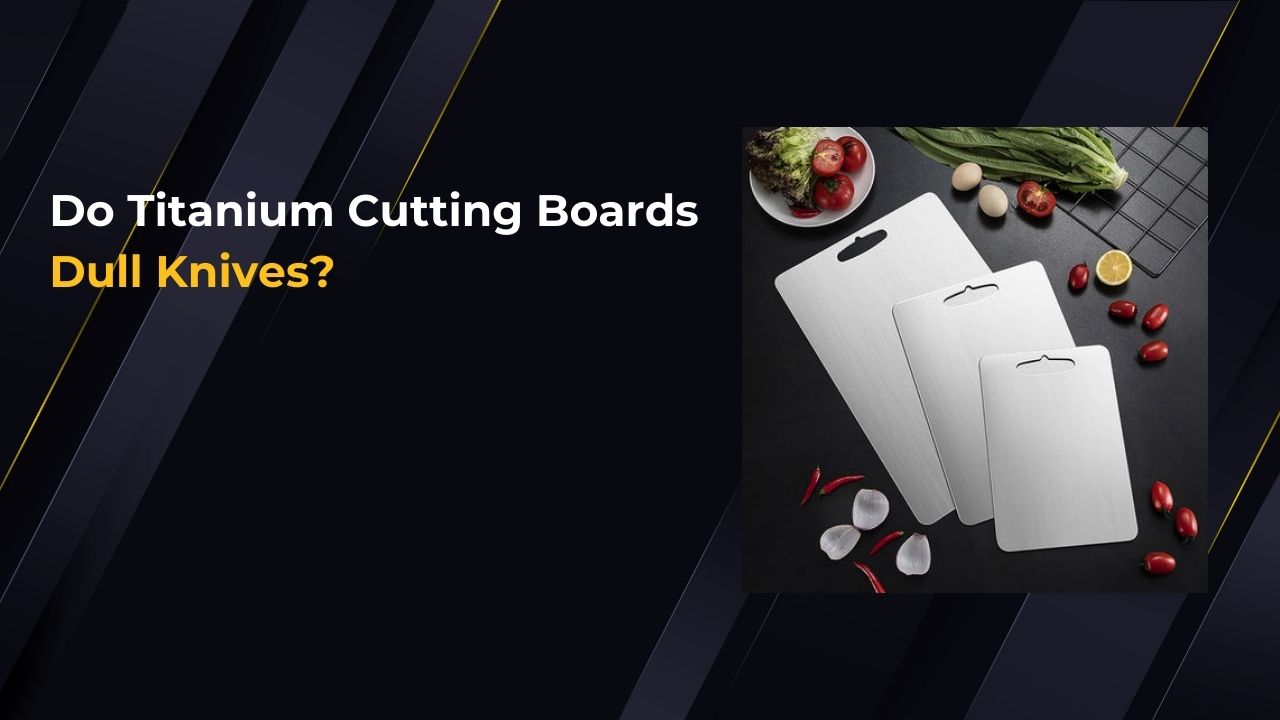
Credit: vocal.media
Titanium Cutting Boards Basics
Titanium cutting boards are a unique choice for kitchen use. They differ from traditional wood or plastic boards.
This article explains the basics of titanium cutting boards and their effect on knives.
Material Properties
Titanium is a strong, lightweight metal. It does not rust or corrode easily.
Titanium cutting boards are very hard and durable. They resist dents and scratches well.
- Lightweight compared to steel
- Highly resistant to corrosion
- Very hard surface
- Non-porous and hygienic
Common Uses In Kitchens
Titanium cutting boards are used in some kitchens for their durability. They are easy to clean and stay sanitary.
These boards are not common for daily chopping because they can dull knives faster than wood or plastic.
- Used where hygiene is very important
- Good for cutting cooked food or fruits
- Not ideal for frequent chopping with sharp knives
Impact On Knife Blades
Titanium cutting boards are known for their durability and strength. They are different from wooden or plastic boards, which are softer.
This hardness can affect the blades of your knives over time. It is important to understand how titanium boards interact with knife edges.
Blade Wear And Tear
Titanium is a very hard metal. When knives hit this surface, the blade can get small nicks or scratches.
These tiny damages add up and make the blade dull faster. Compared to softer boards, titanium boards cause more wear and tear.
- Hard surface causes blade chips
- Edges dull quicker on titanium
- More frequent sharpening needed
Edge Retention Concerns
Edge retention means how long a knife stays sharp. Titanium boards can reduce this time because they are tough on blades.
Using titanium cutting boards often means you will sharpen your knives more often. This can shorten the life of the blade.
- Knife edges dull faster on titanium
- More sharpening reduces blade lifespan
- Less ideal for delicate knives
Comparing Cutting Board Materials
Cutting boards come in different materials. Each type affects your knives in different ways.
We will compare wood, plastic, and bamboo boards to titanium boards. This helps you see which is best for your knives.
Wood Vs Titanium
Wood boards are gentle on knives. They have a soft surface that reduces blade wear.
Titanium boards are very hard. They can dull knives faster because the blade hits a tough surface.
- Wood absorbs some impact, saving the blade
- Titanium does not absorb impact well
- Wood boards need more care to avoid damage
- Titanium boards are easy to clean and very durable
Plastic Vs Titanium
Plastic boards are softer and protect knives better than titanium. They cause less blade dulling.
Titanium boards are harder and can damage knife edges faster. They are tough but not knife-friendly.
- Plastic boards are affordable and light
- Plastic can get cut marks but is safe for knives
- Titanium boards resist cuts but may harm blades
- Titanium is more expensive than plastic
Bamboo Vs Titanium
Bamboo boards are harder than wood but softer than titanium. They offer moderate protection to knives.
Titanium boards are very hard and can dull knives quickly. They are strong but less forgiving to blades.
- Bamboo is eco-friendly and durable
- Bamboo has natural antibacterial properties
- Titanium is very durable but tough on knives
- Bamboo requires regular oiling to stay healthy
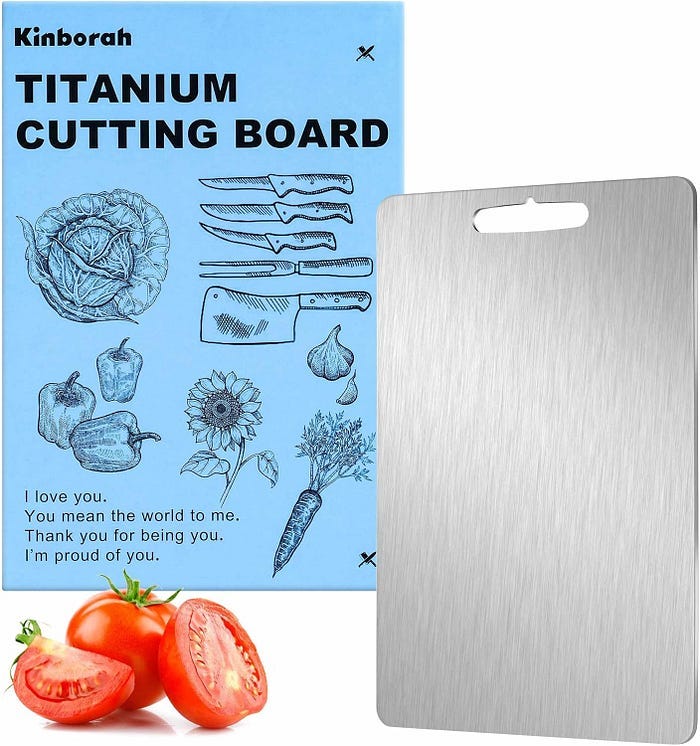
Credit: medium.com
Expert Opinions On Titanium Boards
Titanium cutting boards are a topic of debate among kitchen experts. Many wonder if they harm knives.
This article shares views from chefs and knife makers about titanium cutting boards.
Chef Insights
Chefs often test new tools in busy kitchens. They have mixed opinions about titanium boards.
- Some chefs say titanium boards are very hard and can dull knives fast.
- Others note the boards last long and resist stains well.
- Many chefs prefer softer boards like wood or plastic to protect their knives.
- A few use titanium boards only for special tasks, not daily cutting.
Knife Manufacturer Views
Knife makers study how cutting boards affect blade sharpness. They share useful data.
| Cutting Board Material | Effect on Knife Edge | Durability |
| Titanium | High edge wear | Very durable |
| Wood | Low edge wear | Moderately durable |
| Plastic | Moderate edge wear | Less durable |
Manufacturers suggest avoiding titanium boards for regular use. They warn about quick blade dulling.
Care And Maintenance Tips
Titanium cutting boards are tough and last long. Caring for them well keeps them clean and safe.
Good care helps protect your knives and keeps them sharp. Follow simple steps for cleaning and use.
Cleaning Titanium Boards
Clean titanium boards after each use to stop bacteria growth. Use warm water and mild soap.
Avoid harsh chemicals or scrubbing pads that can scratch the surface. Rinse well and dry fully.
- Wash with soft sponge and mild soap
- Rinse with warm water
- Dry with clean cloth to prevent water spots
- Do not use bleach or steel wool
Extending Knife Life
Titanium boards are harder than wood or plastic. Using them carefully helps keep knives sharp.
Cut on the board gently and avoid pressing too hard. Use the right knife for the task to reduce wear.
- Use a sharp knife to cut smoothly
- Avoid chopping on hard spots or edges
- Sharpen knives regularly
- Store knives safely to avoid damage
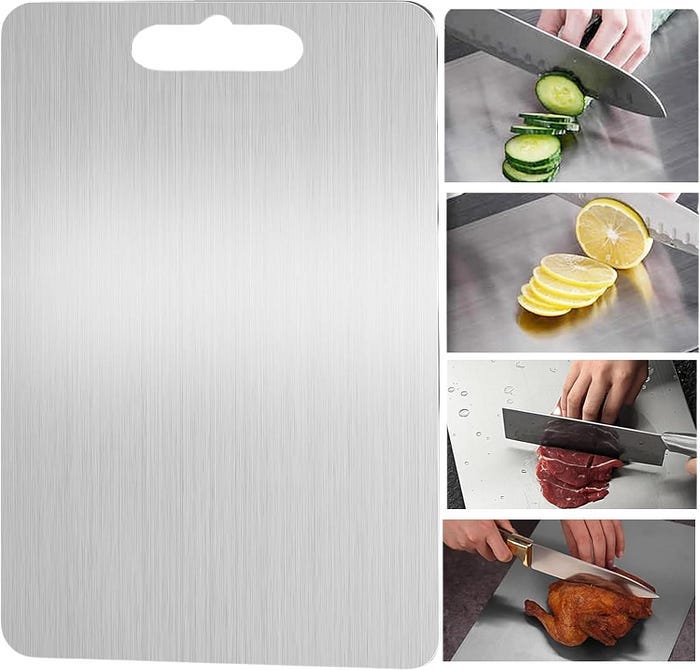
Credit: medium.com
When To Choose Titanium Boards
Titanium cutting boards are not common but have special uses. They offer strength and durability unmatched by many materials.
This guide helps you decide if a titanium board fits your kitchen needs.
Best Use Cases
Titanium boards suit specific tasks where other boards might fail. They resist stains, heat, and heavy wear.
- Cutting hard vegetables or fruits like pumpkins and pineapples
- Working with raw meats to avoid cross-contamination
- Using outdoors where the board might face rough surfaces
- When you need a board that lasts many years without warping
Avoiding Knife Damage
Titanium boards can dull knives if used improperly. Their hard surface does not absorb the blade’s impact well.
| Tip | Reason |
| Use sharper knives | Sharp knives cut cleanly and reduce blade wear |
| Cut with light pressure | Heavy force can chip or dull blades faster |
| Limit cutting to tougher foods | Softer foods suit gentler cutting surfaces |
| Regularly sharpen knives | Maintains edge and reduces damage risk |
Frequently Asked Questions
Do Titanium Cutting Boards Damage Knife Edges?
Titanium cutting boards can dull knife edges over time. Their hard surface lacks the flexibility of wooden boards. Regular use may require frequent sharpening. For preserving knives, consider using boards made from bamboo or plastic. These materials provide a gentler surface for cutting, helping maintain your knife’s sharpness.
Are Titanium Boards Harder Than Wooden Ones?
Yes, titanium boards are harder than wooden ones. This hardness can affect knife edges. Wooden boards offer a softer surface, which is more forgiving on knives. Choosing the right cutting board material depends on your priorities. Consider both knife longevity and cutting board durability when making your choice.
Is Titanium Safe For Food Preparation?
Titanium is generally safe for food preparation. It is non-toxic and corrosion-resistant. These properties make it a popular choice in kitchen tools. However, its hardness can impact knife edges. Balance food safety and knife care by considering other board materials like bamboo or plastic.
How Do Titanium Boards Compare To Plastic?
Titanium boards are harder and more durable than plastic ones. While plastic boards are gentler on knives, titanium offers longevity. Plastic boards may require replacement sooner due to wear. Both materials are hygienic, but titanium’s hardness can dull knife edges faster.
Choose based on your specific needs and preferences.
Conclusion
Titanium cutting boards are tough and last long. They do not dull knives quickly like harder surfaces. Knives stay sharper when used on softer boards. Wood and plastic still remain popular choices. Choose a board that matches your knife type.
Keep knives sharp by cutting on gentle surfaces. Clean and care for your boards well. This helps your knives perform better and last longer. Think about your needs before buying a titanium board. They work, but may not be best for all.