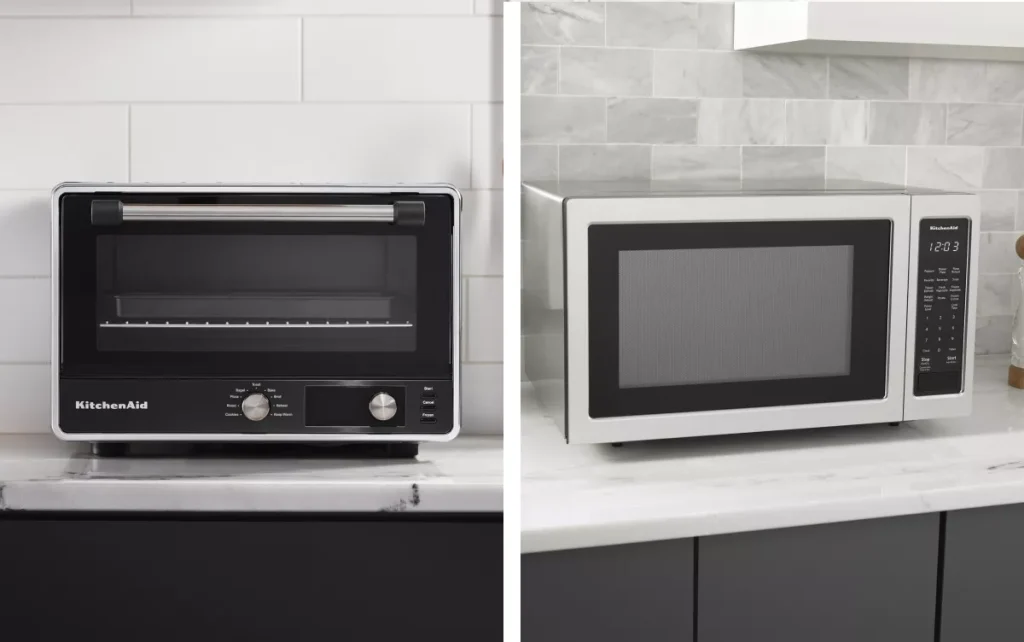
Are toaster ovens healthier than microwaves? If you’ve ever wondered which kitchen gadget is better for your meals and your body, you’re not alone.
You want to prepare food that’s not just tasty but also good for your health. Choosing the right appliance can make a big difference. You’ll discover the surprising facts about toaster ovens and microwaves that could change the way you cook forever.
Keep reading—you might be shocked by what you learn next.
How Toaster Ovens Work
Toaster ovens cook food by using electric heating elements that warm the air inside. This method browns and crisps food, unlike microwaves, which use radiation to heat water molecules quickly. Many believe toaster ovens preserve nutrients better and avoid uneven heating found in microwaves.
Toaster ovens are compact, versatile kitchen appliances. They offer an alternative to traditional ovens and microwaves. Understanding how toaster ovens work can help you decide their place in your kitchen.Heating Mechanism
Toaster ovens use electric heating elements. These elements are located at the top and bottom. They emit radiant heat. This heat cooks food evenly. The temperature is adjustable. This allows precise cooking control.Cooking Process
Toaster ovens cook using both convection and radiation. Convection fans circulate hot air. This speeds up the cooking process. The food’s surface gets a crispy texture. Toaster ovens can bake, broil, and toast. They accommodate various cooking needs. Toaster ovens are energy-efficient. They preheat quickly, saving energy. Perfect for small meals or snacks. They enhance cooking flexibility in your kitchen.How Microwaves Work
Understanding how microwaves heat food helps to compare them with toaster ovens. Microwaves use a specific type of energy to warm meals quickly. This process is different from traditional ovens that use hot air.
Microwave Radiation
Microwaves use electromagnetic waves called microwave radiation. These waves have a frequency that targets water molecules. When water molecules absorb this energy, they start to move fast. This movement creates heat inside the food.
Microwave radiation is safe at the levels used in kitchen appliances. It does not make food radioactive or harmful. The waves stay inside the microwave oven during cooking.
Heating Process
The heating starts from the inside because water molecules heat up first. The heat then spreads to other parts of the food. This makes microwaving faster than many other cooking methods.
Microwaves heat food unevenly sometimes. This happens if food is dense or shaped oddly. Stirring or rotating the food helps to heat it evenly.
Nutrient Retention In Toaster Ovens
Understanding nutrient retention in toaster ovens can help you decide if they are a healthier option compared to microwaves. How food is cooked impacts the vitamins and minerals it retains, which directly affects your meal’s nutritional value. Let’s look closely at how toaster ovens handle these nutrients and what that means for your health.
Effect On Vitamins And Minerals
Toaster ovens cook food by circulating hot air, which often results in slower cooking compared to microwaves. This slower process can sometimes lead to a greater loss of heat-sensitive vitamins like vitamin C and some B vitamins.
However, the dry heat in toaster ovens doesn’t cause as much nutrient leaching as boiling or microwaving in water does. This means minerals such as potassium, magnesium, and iron tend to remain more intact.
Have you noticed how roasting vegetables in a toaster oven can keep them firmer and more flavorful? That firmness often signals better nutrient preservation, especially for minerals.
Impact On Food Quality
Toaster ovens tend to brown and crisp food, creating textures that many people find more appealing than the sometimes soggy results from microwaves. This improved texture can make healthy foods more enjoyable to eat, encouraging you to stick with nutritious choices.
On the flip side, the longer cooking times in toaster ovens might reduce some antioxidants found in foods. But the enhanced flavor and texture often make up for this trade-off.
Think about how a toasted slice of bread feels more satisfying than one warmed briefly in a microwave. That satisfying crunch can influence how you perceive the meal and your overall satisfaction.
Credit: medium.com
Nutrient Retention In Microwaves
Understanding how microwaves affect nutrient retention can help you decide if this cooking method fits your health goals. Nutrient loss depends on factors like cooking time, temperature, and the type of food. Let’s take a closer look at how microwaves handle nutrients during cooking.
Preservation Of Nutrients
Microwaves cook food quickly by using electromagnetic waves to heat water molecules inside it. This rapid cooking often means less nutrient loss compared to longer cooking methods. For example, vitamins like vitamin C and folate, which are sensitive to heat, can be better preserved in a microwave because the cooking time is shorter.
Steaming vegetables in a microwave with minimal water can keep more nutrients intact. This contrasts with boiling, where nutrients often leach into the water. Have you tried microwaving broccoli with just a splash of water? You might notice it stays bright and crisp while retaining more vitamins.
Common Misconceptions
Many people worry that microwaves destroy all nutrients or make food unhealthy. This is a myth. Microwaving does not make food radioactive or strip it of all its nutritional value.
Another misconception is that microwaves cook unevenly and cause nutrient hotspots. While uneven cooking can happen, stirring food or covering it can help distribute heat evenly. The key is to use your microwave properly to get the best results.
Have you ever thought about why some nutrients are lost more in certain cooking methods? It’s often due to how long and at what temperature food is cooked, not the device itself. Next time you heat leftovers, consider how your microwave might actually be helping to preserve nutrients rather than harming them.
Safety Concerns
Safety is a key factor when choosing between a toaster oven and a microwave. Both appliances use different technologies that carry unique risks. Understanding these risks helps in using them safely and protecting your health.
Radiation Exposure
Microwaves use non-ionizing radiation to heat food. This type of radiation does not make food radioactive. The microwave oven is designed to keep radiation inside the unit. If the door is damaged or does not close properly, some radiation may leak.
Toaster ovens do not use radiation for cooking. They heat food by electric coils. This method does not involve any radiation risk. So, toaster ovens avoid concerns linked to microwave radiation.
Fire And Burns Risks
Toaster ovens get very hot outside and inside while cooking. Touching the metal or glass parts can cause burns. Food or crumbs inside may catch fire if not cleaned regularly. It is important to watch the toaster oven during use.
Microwaves usually stay cooler on the outside. However, food heated inside can become extremely hot. Steam and hot containers can cause burns when removed. Using microwave-safe containers reduces fire risk. Never use metal objects inside microwaves.
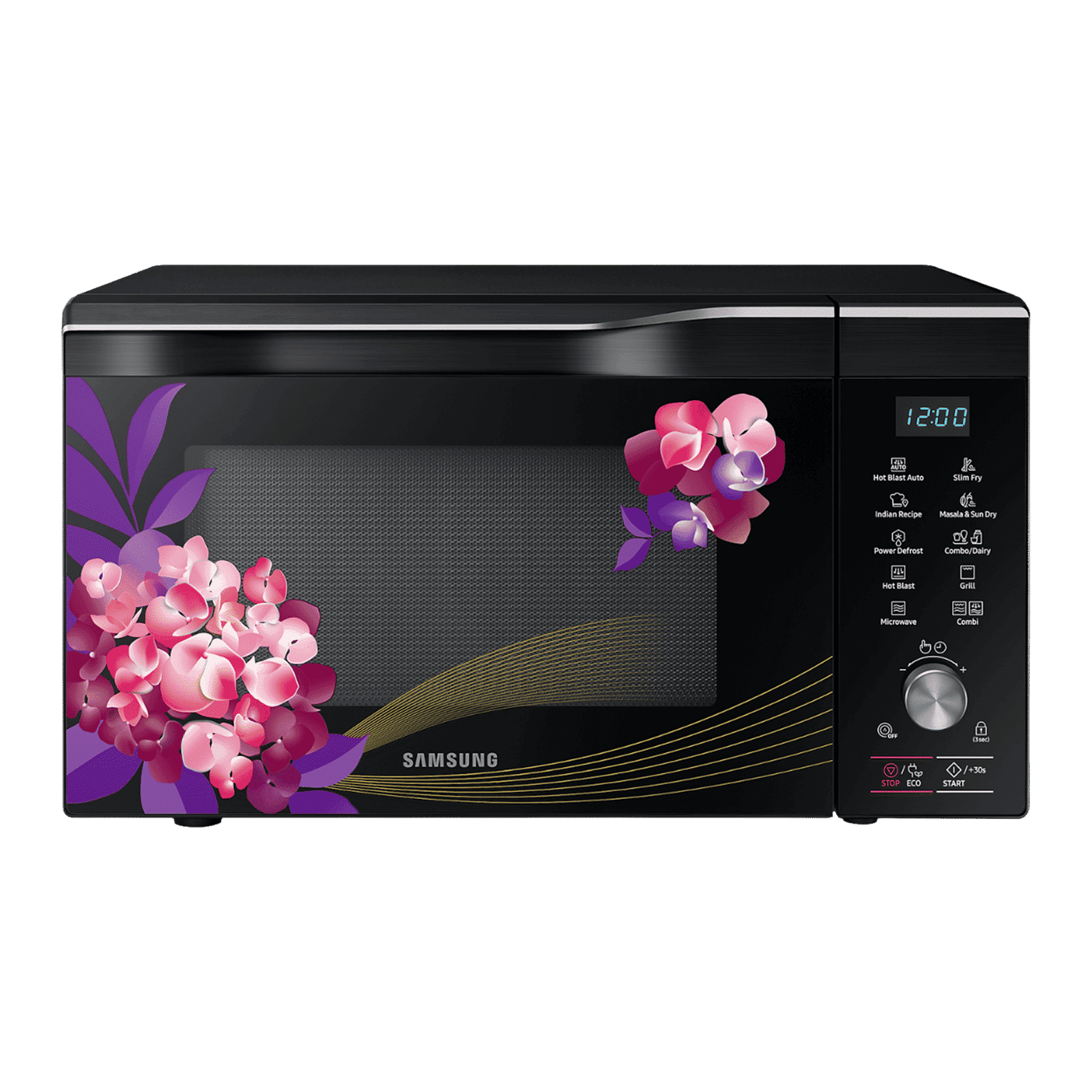
Credit: www.tataneu.com
Energy Efficiency Comparison
Energy efficiency plays a crucial role in deciding between a toaster oven and a microwave. Understanding how much power each appliance uses and how long they take to cook can help you save on electricity bills and reduce your environmental footprint. Let’s dive into the details of their energy consumption and cooking times to see which one suits your needs better.
Power Consumption
Microwaves generally consume less power than toaster ovens. Most microwaves operate between 600 to 1200 watts, while toaster ovens often range from 1200 to 1800 watts. This means microwaves draw less electricity, making them more energy-friendly during operation.
However, wattage alone doesn’t tell the whole story. The way each appliance uses energy varies: microwaves heat food by exciting water molecules directly, which is efficient for quick heating. Toaster ovens use heating elements to warm the air and then cook the food, which can waste energy on heating the oven space.
Cooking Time
Microwaves usually cook food faster than toaster ovens. You can heat leftovers or cook simple meals in a few minutes with a microwave, which reduces the total energy used. For example, reheating a cup of coffee takes about 1-2 minutes in a microwave but could take 5-7 minutes in a toaster oven.
On the other hand, toaster ovens excel at cooking foods that benefit from crispiness or browning, but this often requires longer cooking times. If you’re cooking a frozen pizza or baking cookies, the extra minutes may increase energy consumption despite the higher wattage.
Think about what you cook most often. Is quick reheating your priority, or do you want that crispy finish? Your choice affects not just the food texture but also your energy use.
Best Uses For Toaster Ovens
Toaster ovens offer versatile cooking options that suit many kitchen tasks. They provide a compact alternative to traditional ovens and microwaves. These devices combine convenience with the ability to cook food evenly and with a crispy finish. Understanding the best uses for toaster ovens helps maximize their benefits in daily cooking.
Types Of Foods
- Small batches of baked goods like cookies and muffins
- Toast, bagels, and English muffins with a crispy texture
- Frozen snacks such as pizza rolls and chicken nuggets
- Vegetables that benefit from roasting or broiling
- Reheating leftovers with a crispy or browned finish
- Small cuts of meat or fish for quick roasting
Cooking Techniques
- Baking: Ideal for small baked treats and casseroles
- Toasting: Perfect for bread and pastries with even browning
- Broiling: Great for melting cheese or crisping toppings
- Roasting: Suitable for vegetables and meats to develop flavors
- Reheating: Maintains texture without making food soggy
Credit: medium.com
Best Uses For Microwaves
Microwaves are a staple in most kitchens because they offer convenience and speed. While toaster ovens excel at browning and crisping, microwaves shine in specific tasks that save you time and energy. Knowing the best uses for microwaves can help you decide when to reach for one instead of the other.
Quick Heating
Microwaves heat food rapidly by agitating water molecules, which means your meal is ready in minutes. This is especially handy when you’re short on time or need a fast snack. I often use my microwave to warm up leftovers in under two minutes—something a toaster oven would take much longer to do.
Foods like soups, stews, and sauces heat evenly and quickly in a microwave. If you need to heat a cup of coffee or a bowl of oatmeal, the microwave is your best friend. Have you ever waited forever for a toaster oven to warm your drink? Microwaves eliminate that hassle.
Defrosting And Reheating
Microwaves offer specialized defrost settings that gently thaw frozen foods without cooking them. This can be a game-changer when you forget to take meat out of the freezer ahead of time. Unlike a toaster oven, which can start cooking the edges while the center remains frozen, a microwave can defrost more evenly.
Reheating leftovers in a microwave keeps moisture locked in, preventing food from drying out. If you’ve ever reheated pizza in a toaster oven only to find it crisped too much, you know what I mean. Using the microwave helps maintain the original texture and flavor better in many cases.
Would you rather wait 10 minutes for a toaster oven or 2 minutes for a microwave? That choice alone makes microwaves invaluable for defrosting and reheating.
Health Myths And Facts
There’s a lot of confusion around whether toaster ovens or microwaves are better for your health. Many people believe one is safer or preserves nutrients better than the other. Let’s break down the myths and look at what science really says.
Common Myths Debunked
One common myth is that microwaves cause cancer because they use radiation. This scares many, but microwave radiation is non-ionizing, meaning it doesn’t damage your DNA like X-rays do.
Some people think toaster ovens are healthier because they “cook food slower” and avoid this “radiation.” But toaster ovens use regular heat, just like your kitchen oven, so they don’t avoid any radiation risks — because microwaves don’t pose those risks in the first place.
Another myth is that microwaves destroy nutrients more than toaster ovens. Actually, both methods can cause nutrient loss depending on the temperature and time. Cooking quickly, like in a microwave, often preserves nutrients better than longer cooking at high heat.
Scientific Evidence
Research shows microwaves can retain vitamins like C and B better than conventional ovens or toaster ovens. This is because microwaves cook food faster and use less water, which reduces nutrient loss.
On the other hand, toaster ovens can brown and crisp food, which microwaves cannot do well. This might make your meal taste better, but it doesn’t necessarily mean it’s healthier.
Have you noticed how some vegetables steamed quickly in the microwave stayed vibrant and fresh? That’s a real-life example of nutrient preservation.
Ultimately, the healthiest choice depends more on the type of food and cooking method you use rather than the appliance itself. Are you heating processed meals or fresh vegetables? That makes a bigger difference than whether you use a microwave or toaster oven.
Choosing The Right Appliance
Choosing the right appliance depends on your daily needs and cooking habits. Both toaster ovens and microwaves offer quick meal solutions but serve different purposes. Understanding your lifestyle and kitchen setup helps in making the best choice. Consider how each appliance fits into your routine and space.
Lifestyle Considerations
Think about your cooking style and meal preferences. A toaster oven works well for baking, toasting, and crisping foods. It keeps food texture crunchy and fresh. A microwave heats food fast but may soften crispy items. If you cook often and enjoy baked dishes, a toaster oven suits you better. For quick reheating and simple meals, a microwave is handy. Also, consider energy use. Toaster ovens use more power but offer more cooking options. Microwaves save time and energy for simple tasks.
Kitchen Space And Budget
Space in your kitchen matters. Toaster ovens usually take more counter space than microwaves. Measure your available area before buying. Look for compact models if space is tight. Budget also plays a role. Microwaves come in a wide price range. Toaster ovens can be more expensive depending on features. Choose an appliance that fits your budget without sacrificing quality. Think about long-term use and maintenance costs as well.
Frequently Asked Questions
Are Toaster Ovens Healthier Than Microwaves For Cooking?
Toaster ovens use dry heat, which can reduce added fats. Microwaves cook with radiation, preserving nutrients. Both methods have health benefits depending on food type and cooking time.
Do Toaster Ovens Preserve More Nutrients Than Microwaves?
Toaster ovens may retain nutrients better in some foods due to slower cooking. Microwaves preserve nutrients by reducing cooking time. Nutrient retention depends on the food and cooking method used.
Can Toaster Ovens Cause Harmful Substances In Food?
Toaster ovens can create harmful compounds if food is overcooked or burnt. Proper cooking time prevents this. Microwaves generally produce fewer harmful substances due to quicker cooking.
Is Microwave Radiation Harmful To Health During Cooking?
Microwave radiation is non-ionizing and safe at normal cooking levels. It does not make food radioactive. Using microwaves as directed poses no health risks.
Conclusion
Toaster ovens and microwaves both cook food quickly and safely. Toaster ovens can brown and crisp food better than microwaves. Microwaves keep more nutrients by cooking faster with less heat. Choosing depends on your cooking style and health goals. Use each tool wisely for healthier meals.
Simple habits matter most for good nutrition. Balance and variety keep your diet healthy and tasty.