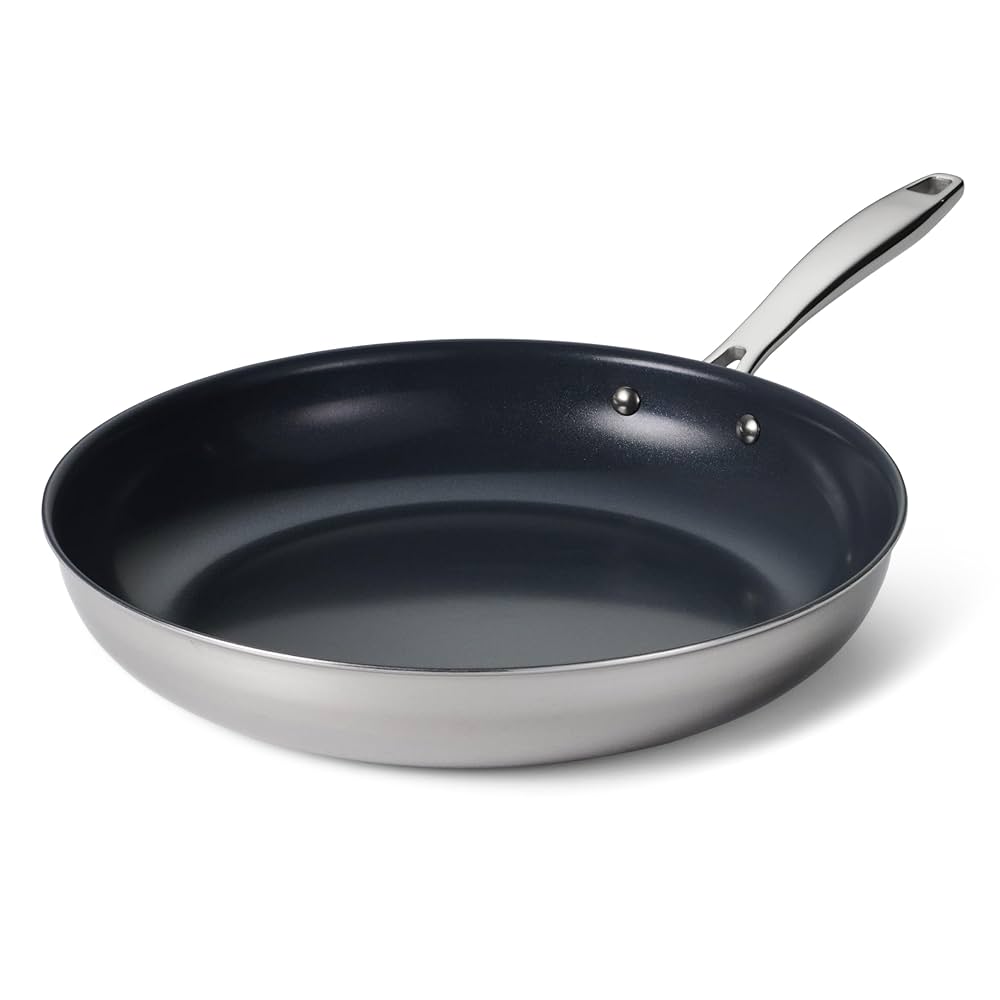
Are you worried about the safety of your cookware? When it comes to choosing non-stick pans, knowing what’s inside matters a lot.
You might have heard about Tramontina non-stick pans and wondered if they are truly safe for your family’s health. This article will give you clear, simple answers so you can cook with confidence. Keep reading to discover what makes Tramontina pans stand out—and whether they are the right choice for your kitchen.

Credit: www.canbuyornot.com
Tramontina Pan Materials
Tramontina non stick pans use specific materials to ensure safety and cooking quality. Understanding these materials helps you choose the right pan.
This guide explains the non stick coating details and the base and body composition of Tramontina pans.
Non Stick Coating Details
Tramontina pans use a durable non stick coating that prevents food from sticking. This coating is made without harmful chemicals like PFOA, making it safe for cooking.
- The coating allows easy food release and quick cleaning.
- It resists scratches when used with proper utensils.
- Safe for cooking at medium heat without breaking down.
- Free from toxic substances that can harm health.
Base And Body Composition
| Material | Purpose |
| Aluminum | Lightweight and conducts heat evenly |
| Stainless Steel | Provides strength and durability |
| Tempered Glass Bottom | Allows safe use on various stovetops |
| Induction Plate | Ensures compatibility with induction cookers |
The pans often combine aluminum bodies with stainless steel bases. This setup provides fast heating and long-lasting performance.

Credit: www.amazon.ca
Safety Features Of Tramontina Pans
Tramontina non-stick pans are designed with safety in mind. They offer features that help protect users during cooking.
Understanding these safety features can help you use the pans correctly and avoid accidents or health risks.
Heat Resistance Limits
Tramontina pans have specific heat resistance limits. Staying within these limits keeps the pans safe and durable.
The pans can handle medium to high heat but should not be overheated. Excess heat can damage the non-stick coating.
- Safe up to about 450°F (232°C)
- Avoid empty heating to prevent damage
- Use medium heat for best results
Toxicity And Chemical Safety
Tramontina pans use non-stick coatings that are free from harmful chemicals. This helps keep your food safe from toxins.
The pans do not release toxic fumes if used correctly. Always follow the manufacturer’s instructions to avoid risks.
- Free from PFOA and PTFE chemicals
- No toxic fumes under normal cooking heat
- Non-stick coating is safe for everyday use
Durability And Performance
Tramontina non stick pans are popular for daily cooking. Their durability and performance affect safety and user experience. This article focuses on two key areas: scratch and wear resistance, and heat distribution efficiency.
Understanding these factors helps decide if these pans are a safe choice for your kitchen.
Scratch And Wear Resistance
Tramontina non stick pans come with coatings designed to resist scratches and wear. Proper care is necessary to keep the coating intact. Using metal utensils or abrasive cleaning can damage the surface.
- Use wooden, silicone, or plastic utensils to protect the surface
- Clean with soft sponges and mild detergents
- Avoid stacking pans without protection to prevent scratches
- Check for coating damage regularly to maintain safety
Heat Distribution Efficiency
Even heat distribution is important to cook food safely and evenly. Tramontina pans use materials that spread heat well across the surface. This reduces hot spots and lowers the chance of food burning.
| Feature | Benefit |
| Aluminum base | Quick and even heating |
| Non stick coating | Prevents food from sticking and burning |
| Thick pan walls | Maintains steady heat during cooking |
Care Tips For Longevity
Tramontina non stick pans need proper care to last long. Good habits protect the coating and keep cooking safe.
Simple cleaning and storage steps help you enjoy your pans for years. Avoid damage by following these tips.
Cleaning Best Practices
Clean your Tramontina pans gently after each use. Avoid harsh scrubbing to protect the non-stick surface.
- Use warm, soapy water and a soft sponge.
- Do not use steel wool or abrasive pads.
- Rinse well and dry completely with a soft cloth.
- For stuck food, soak the pan before cleaning.
- Do not put pans in the dishwasher unless the manual allows it.
Storage Recommendations
Store your non stick pans carefully to avoid scratches and damage to the coating.
| Storage Method | Tip |
|---|---|
| Stacking | Place a soft cloth or paper towel between pans to prevent scratches. |
| Hanging | Use hooks or racks to hang pans by their handles safely. |
| Cabinet Shelf | Keep pans in a dry, cool place away from heavy items. |
Comparing With Other Non Stick Brands
Tramontina non stick pans are popular for home cooking. Many people ask if they are safe compared to other brands. Safety depends on the materials and coating used in the pans.
We will look at how Tramontina pans compare to other non stick brands. This helps you decide which pan fits your needs best.
Price Vs Quality
Tramontina pans are usually priced in the mid-range. They offer good quality without costing too much. Some high-end brands cost more but may last longer.
Lower-priced pans from other brands may use thinner materials. This can affect how evenly they cook and how long they last.
- Tramontina pans balance cost and durability well
- Premium brands offer stronger coatings but at higher prices
- Budget brands may wear out faster but are cheaper
User Experience Differences
Users find Tramontina pans easy to handle because they are lightweight. The non stick surface is smooth and cleans easily.
Some other brands have heavier pans. They may heat more evenly but can be harder to lift. Non stick coatings vary in how long they last and how well food releases.
- Tramontina pans heat quickly and clean well
- Other brands may offer more even heating
- Coating durability changes between brands
- User comfort depends on pan weight and handle design
Expert Tips For Safe Use
Tramontina non stick pans are popular for easy cooking and cleaning. Using them safely helps keep the coating intact. This guide gives tips to use these pans safely and last longer.
Following simple rules can protect your pan from damage. Safe use also keeps your food healthy and tasty.
Avoiding Overheating
Overheating can damage the non stick coating of Tramontina pans. Use medium or low heat for cooking. High heat may cause the coating to break down.
Preheat the pan slowly and avoid heating it empty. Turn off the heat soon after cooking to keep the pan safe.
- Use medium or low heat settings
- Do not heat empty pans for long
- Preheat the pan gently
- Turn off heat after cooking
Proper Utensils To Use
Using the right utensils protects the pan’s surface. Metal tools can scratch and harm the non stick coating. Choose soft utensils for cooking.
Wood, silicone, or plastic utensils work best. Avoid sharp or rough edges that can damage the pan’s surface.
- Use wooden spoons or spatulas
- Choose silicone cooking tools
- Avoid metal forks, knives, or spoons
- Handle utensils gently on the pan

Credit: www.amazon.ca
Frequently Asked Questions
Are Tramontina Non Stick Pans Safe For Cooking?
Yes, Tramontina non stick pans are safe for everyday cooking. They are made with PFOA-free coatings, ensuring no harmful chemicals are released during use. Their quality construction provides even heat distribution, minimizing the risk of burning food. Proper care and maintenance can enhance their safety and longevity.
Do Tramontina Pans Release Toxic Fumes?
Tramontina pans do not release toxic fumes under normal cooking conditions. They are designed with PFOA-free coatings, ensuring safe use. Avoid overheating the pan to prevent any potential risks. Always follow the manufacturer’s instructions for best results and to maintain the non stick surface.
Is Tramontina Cookware Pfoa-free?
Yes, Tramontina cookware is PFOA-free, making it a safer choice for cooking. Their non stick coatings are designed without PFOA, minimizing potential health risks. This ensures a healthier cooking experience without compromising on performance. Users can enjoy cooking without worrying about harmful chemical exposure.
How Long Do Tramontina Non Stick Pans Last?
Tramontina non stick pans can last several years with proper care. Regular maintenance, such as hand washing and using non-metal utensils, extends their lifespan. Avoid high heat to preserve the non stick surface. Their durability makes them a reliable choice for home cooks seeking longevity in cookware.
Conclusion
Tramontina non stick pans offer safe cooking with proper use. Their coatings reduce food sticking and help with easy cleaning. Avoid overheating to keep the pans in good shape. Choose the right pan size for your cooking needs. These pans work well for everyday meals.
Trust in their design to support healthy cooking. Simple care extends the life of these pans. A safe choice for those who want easy cooking tools. Easy to use and maintain, they fit most kitchens.