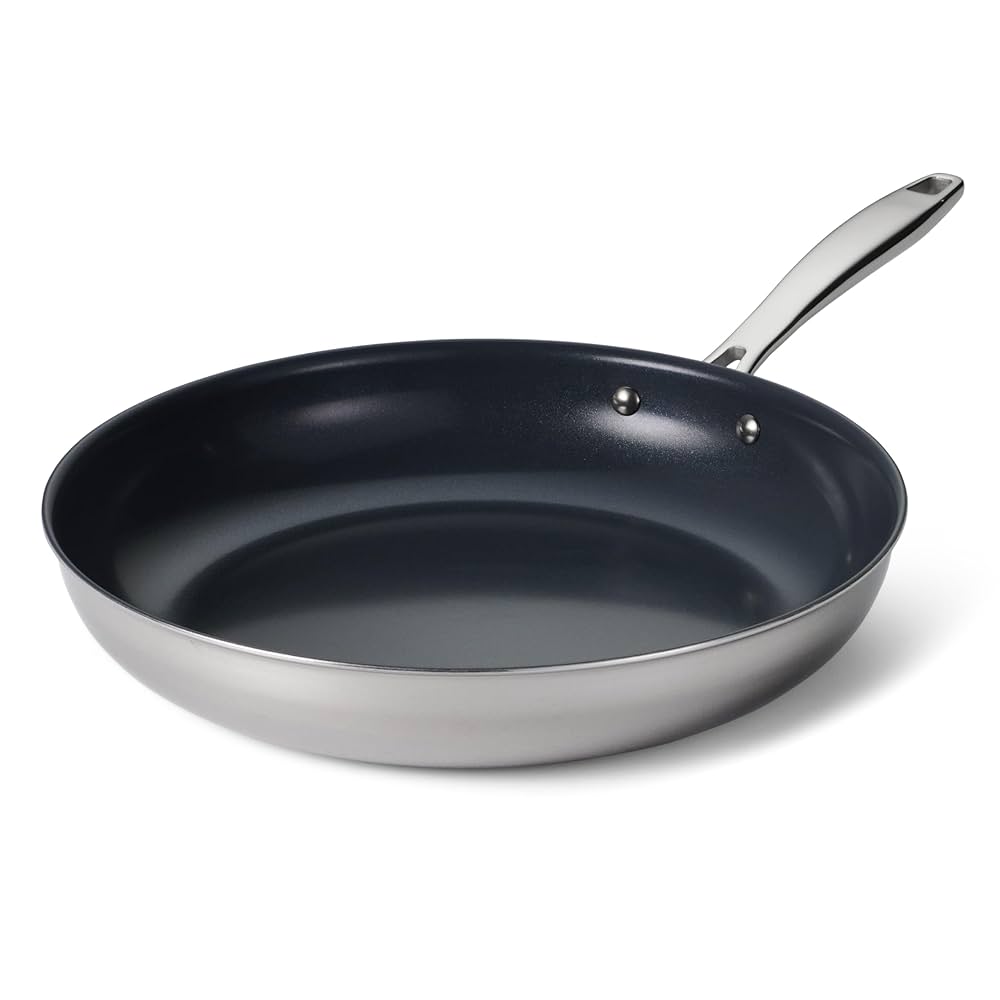
When you choose cookware, your health and safety should come first. You might be wondering, are Tramontina pans non-toxic?
After all, what you cook with can affect what ends up on your plate—and in your body. You’ll discover the truth about Tramontina pans, how they’re made, and whether they keep your meals free from harmful chemicals. Keep reading to find out if these pans are the right, safe choice for your kitchen.
Tramontina Brand Overview
Tramontina is a well-known brand for kitchen tools and cookware. It started in Brazil and has grown worldwide. The brand focuses on quality and durability.
Many people ask if Tramontina pans are non-toxic. It is important to understand the brand before choosing their products.
History And Background
Tramontina began in 1911 as a small factory. It has expanded to produce many kitchen items. Today, it is a leader in cookware and cutlery.
Product Range
The brand offers various cookware types. These include stainless steel, non-stick, and cast iron pans. They also make kitchen tools and accessories.
- Stainless steel pans
- Non-stick pans
- Cast iron skillets
- Kitchen knives
- Cutting boards
Material Safety And Non-toxic Claims
Tramontina uses materials that meet safety standards. Their non-stick coatings often avoid harmful chemicals like PFOA. This helps reduce toxins in cooking.
| Material | Non-Toxic Features |
| Stainless Steel | Does not release toxins |
| Non-Stick Coating | PFOA-free, safe for cooking |
| Cast Iron | Natural, chemical-free surface |
Global Presence And Reputation
Tramontina ships products worldwide. Many chefs and home cooks trust the brand. Its reputation is strong due to consistent quality and safety.

Credit: www.amazon.in
Materials Used In Tramontina Pans
Tramontina pans come in several materials. Each material offers different cooking features and safety levels. Knowing these materials helps you choose the best pan for your kitchen.
This guide explains the main materials Tramontina uses in their pans. It covers stainless steel, nonstick coatings, and cast iron variants. You will learn about their properties and safety concerns.
Stainless Steel Options
Tramontina offers stainless steel pans made from high-quality alloys. These pans are durable and resist rust or corrosion. Stainless steel does not react with food, making it a safe choice.
- Made from 18/10 stainless steel alloy
- Contains 18% chromium and 10% nickel
- Non-reactive to acidic or alkaline foods
- Safe for oven and dishwasher use
Nonstick Coatings
Tramontina pans with nonstick coatings use modern materials to reduce toxins. They use PFOA-free coatings to improve safety. These coatings make cooking and cleaning easier.
| Coating Type | Safety Feature | Care Tip |
| PTFE (Teflon) | PFOA-free, heat resistant up to 260°C | Use wooden or silicone utensils |
| Ceramic | Free from heavy metals and toxins | Avoid overheating to keep coating intact |
Cast Iron Variants
Tramontina cast iron pans are made from natural iron. They provide excellent heat retention and even cooking. These pans are pre-seasoned to prevent rust and add a nonstick layer.
Cast iron pan benefits include:
- Natural and non-toxic material
- No synthetic coatings or chemicals
- Improves with use through seasoning
- Long-lasting with proper care
Safety Of Tramontina Nonstick Coatings
Tramontina pans use nonstick coatings for easy cooking and cleaning. Many people ask if these coatings are safe to use daily.
This article explains the safety of Tramontina nonstick coatings by looking at their chemical makeup and the presence of certain chemicals.
Chemical Composition
Tramontina nonstick coatings mainly use PTFE, a common material for nonstick pans. It creates a smooth surface that stops food from sticking.
The coatings are applied in layers and baked at high temperatures to make them strong. This process helps prevent the coating from peeling or releasing harmful substances.
Pfoa And Ptfe Status
Tramontina does not use PFOA in their pans. PFOA is a chemical once used in nonstick coatings but now avoided due to health risks.
PTFE is safe if used correctly. It can release fumes only at very high temperatures above 500°F (260°C), which are not common in regular cooking.
- Tramontina pans are PFOA-free
- PTFE coatings are stable under normal cooking heat
- Avoid heating empty pans to very high temperatures
Health Benefits Of Using Tramontina Pans
Choosing the right cookware can impact your health. Tramontina pans offer options that reduce harmful chemicals in cooking.
These pans are designed to be safe and support healthy cooking habits at home.
Non-toxic Materials
Tramontina uses materials like stainless steel and ceramic that do not release toxins. This lowers the risk of chemicals mixing with food.
No Harmful Coatings
The pans often avoid coatings that contain PFOA or PTFE. These substances may harm health when heated to high temperatures.
- Safe for everyday cooking
- Resistant to peeling and chipping
- Reduce chemical exposure
Improved Cooking Safety
Tramontina pans heat evenly and prevent hot spots. This helps cook food thoroughly and reduces burning.
| Feature | Health Benefit |
| Even Heat Distribution | Prevents burnt food and reduces toxin formation |
| Durable Materials | Lasts longer without degrading or releasing chemicals |
| Oven Safe | Allows cooking without extra oils or fats |
Easy To Clean And Maintain
Cleaning Tramontina pans is simple. This reduces the chance of bacteria growth on the surface.
Tips for cleaning safely:
- Use mild soap and warm water
- Avoid abrasive scrubbers
- Dry completely before storing
Potential Risks And Concerns
Tramontina pans are popular for their design and usability. Still, some risks come with using any cookware. Understanding these risks helps you use the pans safely.
This section covers two main concerns: overheating effects and scratches or wear on the pans.
Overheating Effects
Overheating Tramontina pans can cause problems. High heat may damage the non-stick coating. It can also release harmful fumes if the pan gets too hot. These fumes may irritate the eyes and lungs.
- Non-stick surface can break down at very high temperatures
- Overheated pans may release toxic substances
- Food may burn and stick, making cleaning hard
- Repeated overheating shortens the pan’s life
Scratches And Wear
Scratches on Tramontina pans happen with regular use. Using metal utensils or abrasive cleaning tools can cause this damage. Scratches may expose the base metal and reduce the pan’s safety and performance.
| Type of Damage | Cause | Effect on Pan |
| Minor Scratches | Wood or plastic utensils | Usually safe but reduces non-stick quality |
| Deep Scratches | Metal utensils or scouring pads | Can expose metal, risk of chemical exposure |
| Wear and Tear | Frequent use and cleaning | Coating fades, pan lifespan shortens |

Credit: www.amazon.ca
Comparing Tramontina To Other Brands
Choosing non-toxic pans is important for safe cooking. Tramontina pans are popular for their quality.
This article compares Tramontina pans to other common brands. It focuses on their materials and safety.
Tramontina uses stainless steel, aluminum, and non-stick coatings. Their non-stick coatings are usually free from PFOA.
The stainless steel pans do not release harmful chemicals. Non-stick pans may have coatings that are safer than older models.
Materials Used In Other Popular Brands
Many brands use similar materials like stainless steel and aluminum. Some brands use PTFE-based coatings, which may release toxins if overheated.
Cast iron and ceramic pans are also common. Ceramic coatings are often considered safer but can vary in quality.
Safety Of Non-toxic Claims
Tramontina often labels their pans as PFOA-free. This means they do not use a harmful chemical in coatings.
Other brands may also claim PFOA-free or use ceramic coatings. It is important to check product details for chemical use.
- Tramontina: PFOA-free non-stick coatings
- Other brands: Mixed, some PFOA-free, some not
- Ceramic: Usually free of PTFE and PFOA
- Cast iron: Naturally non-toxic but requires seasoning
Durability And Safety Over Time
Tramontina pans tend to hold their coatings well with normal use. Damaged coatings can release harmful particles.
Other brands may wear out faster or chip more easily. Choosing durable pans helps keep cooking safe and non-toxic.
Price And Safety Balance
Tramontina pans offer a good balance between price and safety. They provide quality materials without very high cost.
Some high-end brands may use safer materials but cost more. Budget brands might use cheaper coatings with unknown safety.
| Brand | Material | Non-Toxic Features | Price Range |
|---|---|---|---|
| Tramontina | Stainless steel, Aluminum, PFOA-free non-stick | Yes, PFOA-free coatings | Affordable |
| Brand A | Aluminum, PTFE non-stick | Mixed safety | Low to mid |
| Brand B | Ceramic coating | Usually free of PTFE, PFOA | Mid to high |
| Brand C | Cast iron | Non-toxic, needs seasoning | Mid |
Care Tips For Maintaining Safety
Tramontina pans are known for their quality and safety. Proper care keeps them non-toxic and durable. Knowing how to clean and store them is important.
Follow simple care tips to maintain your Tramontina pans safely. This helps avoid damage and keeps food safe to eat.
Cleaning Practices
Cleaning your Tramontina pans properly prevents toxic build-up and extends their life. Use gentle methods that protect the surface.
- Wash pans with warm water and mild soap after each use.
- Avoid abrasive sponges or steel wool to protect the coating.
- Use a soft cloth or non-scratch scrubber for stuck food.
- Dry pans immediately to prevent rust, especially on stainless steel.
- Do not use harsh chemical cleaners or bleach on the pans.
Storage Recommendations
Proper storage keeps Tramontina pans safe and in good condition. Avoid stacking without protection to prevent scratches.
| Storage Tip | Reason |
| Store pans in a dry place | Prevents rust and mold growth |
| Place soft cloth or paper between stacked pans | Protects non-stick surfaces from scratches |
| Hang pans if possible | Keeps pans dry and easy to access |
| Keep lids separate or upside down | Prevents moisture buildup inside pans |
Credit: tramontina.ca
User Reviews And Expert Opinions
Tramontina pans are popular among many home cooks. People want to know if these pans are safe and non-toxic. This guide looks at what users and experts say about Tramontina pans.
Understanding both user experiences and expert advice helps you decide if these pans fit your kitchen needs. Safety in cooking tools is very important for health.
User Reviews On Tramontina Pans
Many users share their views online about how Tramontina pans perform. Most reviews focus on the material, safety, and ease of use.
- Users often mention that the pans heat evenly and cook food well.
- Several reviewers say they trust the pans because they do not release harmful chemicals.
- Some users note the pans are easy to clean and maintain without damage.
- A few users report that the pans feel sturdy and last a long time.
- Some concerns appear about coating wear after heavy use, but most agree the pans are safe.
Expert Opinions On Non-toxic Properties
Experts analyze the materials used in Tramontina pans to verify safety. They look for chemicals like PFOA and PTFE, which can cause harm when heated.
| Material | Non-Toxic Status | Comments |
| Stainless Steel | Yes | Safe, no harmful coatings or chemicals |
| Hard-Anodized Aluminum | Yes | Durable and free from PFOA and PTFE |
| Non-Stick Coating | Yes | Made without PFOA, safe if used properly |
Experts recommend using Tramontina pans according to instructions. Avoid overheating to keep the non-stick coating intact and safe.
Summary Of Safety Features
Tramontina pans have several safety features:
- Free from PFOA and PTFE chemicals
- Made with durable materials like stainless steel and hard-anodized aluminum
- Non-stick coatings are tested for safe cooking
- Designed to prevent food from sticking and reduce the need for extra oil
Frequently Asked Questions
Are Tramontina Pans Free From Harmful Chemicals?
Yes, Tramontina pans are free from harmful chemicals. They use non-toxic materials in their cookware production. Their non-stick coating is PFOA-free, ensuring safe cooking. The brand focuses on delivering high-quality products that are safe for everyday use.
What Materials Are Used In Tramontina Pans?
Tramontina pans are made from high-quality materials. They often use stainless steel, aluminum, and ceramic. These materials ensure durability and even heat distribution. The non-stick coating is free from PFOA, making it safe for cooking.
Is The Non-stick Coating On Tramontina Pans Safe?
Yes, the non-stick coating on Tramontina pans is safe. It is PFOA-free, ensuring no harmful chemicals are released. This makes it a healthy choice for cooking. The coating ensures food doesn’t stick, making cleaning easier.
How Should I Care For Tramontina Pans?
To care for Tramontina pans, avoid metal utensils. Use soft sponges for cleaning to prevent scratches. Hand washing is recommended to extend the life of the pans. Avoid high heat to maintain the non-stick surface.
Conclusion
Tramontina pans offer a safe cooking choice for many users. They do not release harmful chemicals during cooking. Made with quality materials, these pans help keep your food healthy. Easy to clean and durable, they suit everyday use well. Choosing non-toxic cookware matters for your family’s health.
Tramontina pans meet important safety standards you can trust. Cooking with these pans can give you peace of mind. Simple, safe, and reliable—Tramontina pans fit well in any kitchen.