Have you ever found yourself wondering if your urgent care visit will be covered by your insurance? When you’re feeling unwell or facing a minor injury, knowing whether your visit will come with unexpected costs can save you stress and money.
This article will clear up the confusion around urgent care and insurance coverage. By the time you finish reading, you’ll understand what to expect and how to make the best choices for your health and wallet. Keep reading—you deserve to feel confident about your care and your coverage.

Credit: www.goodrx.com
Insurance Coverage For Urgent Care
Urgent care centers provide quick medical help for minor injuries and illnesses. Many people wonder if their insurance pays for these visits.
Understanding insurance coverage can help you avoid surprise bills after an urgent care visit.
Types Of Insurance Plans
Different insurance plans cover urgent care visits in various ways. Knowing your plan type helps you understand costs.
Common plans include Health Maintenance Organization (HMO), Preferred Provider Organization (PPO), and High Deductible Health Plans (HDHP).
- HMO:Requires you to use in-network providers for coverage.
- PPO:Offers more flexibility to see out-of-network providers.
- HDHP:Has higher deductibles before insurance pays.
In-network Vs Out-of-network
Insurance usually covers urgent care visits better if you use in-network centers. Out-of-network care may cost you more.
Some plans do not cover out-of-network urgent care visits at all or pay less for them.
- In-Network:Lower costs and better coverage.
- Out-of-Network:Higher costs and limited coverage.
Copays And Deductibles
Copays are fixed amounts you pay at urgent care visits. Deductibles are amounts you pay before insurance helps.
Both copays and deductibles affect how much you pay out of pocket for urgent care.
- Copay example: $25 for each urgent care visit.
- Deductible: You pay full cost until deductible is met.
- After deductible, insurance covers a portion of costs.
When To Choose Urgent Care
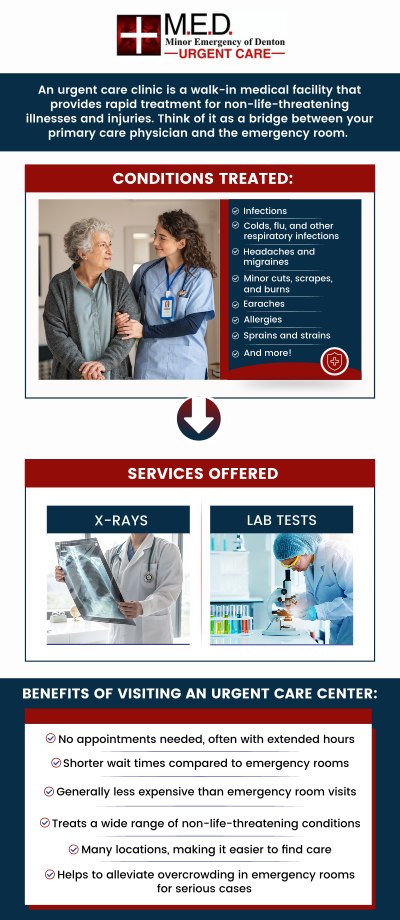
Urgent care centers treat illnesses and injuries that need quick attention. They are good for problems that are not life-threatening.
Knowing when to visit urgent care can save time and money. It also helps you get the right care fast.
Common Urgent Care Services
Urgent care centers handle many common health issues. They can treat minor injuries and illnesses without an appointment.
- Cold and flu symptoms
- Minor cuts and burns
- Sprains and strains
- Ear infections
- Skin rashes
- Simple fractures
- Allergic reactions without breathing problems
Urgent Care Vs Emergency Room
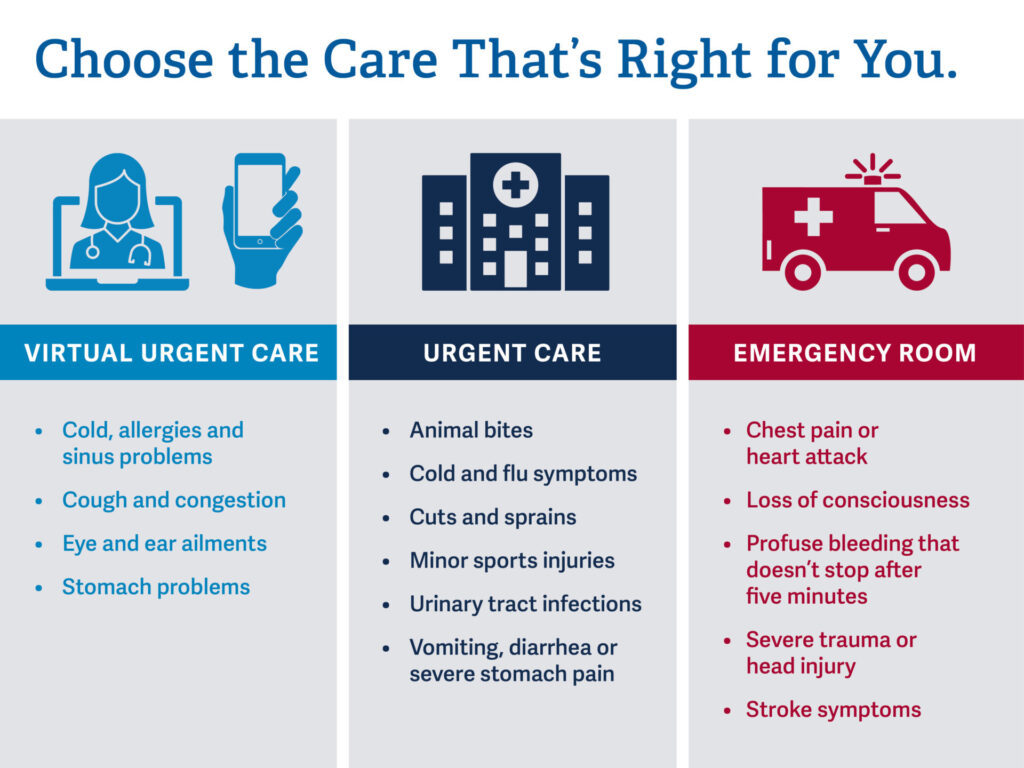
Urgent care is for less serious problems. The emergency room is for life-threatening conditions. Choosing the right place helps you get proper care quickly.
| Type of Care | When to Go | Examples |
| Urgent Care | Non-life-threatening, needs quick treatment | Fever, sprains, minor cuts |
| Emergency Room | Serious or life-threatening emergencies | Chest pain, severe bleeding, broken bones |
Cost Implications
Urgent care visits usually cost less than emergency room visits. Insurance often covers urgent care but coverage can vary.
- Urgent care has lower copays and fees
- Emergency room visits can have higher costs
- Check your insurance plan for details
- Use urgent care for non-emergencies to save money
How To Verify Coverage
Checking if your insurance covers urgent care visits is important before you go. Knowing your coverage can help you avoid unexpected costs.
There are simple ways to verify your insurance benefits. This guide explains how to check your policy, contact your insurer, and use online tools.
Checking Your Policy Details
Start by reading your insurance policy documents. Look for sections on urgent care or outpatient services. These parts usually explain what is covered and any limits.
- Find your summary of benefits and coverage (SBC)
- Look for copays, coinsurance, and deductibles related to urgent care
- Note any restrictions on which urgent care centers you can visit
- Check if prior authorization is needed for urgent care visits
Contacting Your Insurance Provider
Call your insurance company to get clear answers. Customer service agents can explain your urgent care benefits and answer questions about billing.
| Question | Why Ask |
| Is urgent care covered under my plan? | To confirm basic coverage |
| What is my copay or coinsurance? | To know your out-of-pocket costs |
| Are there preferred urgent care centers? | To avoid higher fees |
| Do I need prior approval? | To prevent denied claims |
Using Online Tools
Many insurers offer online portals or apps. These tools let you check coverage quickly and find in-network urgent care locations.
Use these online features:
- Benefit and coverage lookup
- Find urgent care centers near you
- View claims and payment history
- Chat with customer support

Credit: www.solvhealth.com
Billing And Claims Process
Visiting urgent care centers often involves dealing with insurance billing and claims. Understanding this process helps you avoid confusion and extra costs.
Insurance coverage varies for urgent care visits. Knowing how claims are submitted and handled is important for a smooth experience.
Submitting Claims
Urgent care centers usually send claims to your insurance company. This starts the payment process for your visit.
- The provider collects your insurance details during the visit.
- They prepare and send a claim with service codes to your insurer.
- The insurer reviews the claim and checks your coverage.
- You may receive a bill for any remaining balance.
Handling Denied Claims
Sometimes insurance companies deny claims for urgent care visits. This can happen for many reasons.
| Reason | What It Means | What To Do |
| Coverage Limits | Your plan may not cover urgent care fully. | Check your benefits or call your insurer. |
| Incorrect Codes | The provider may have used wrong billing codes. | Ask the provider to review and resubmit. |
| Out-of-Network | The urgent care is not in your plan’s network. | Confirm network status before visits. |
| Missing Information | The claim lacked required details. | Request the provider to complete the claim. |
Appealing Insurance Decisions
If your claim is denied, you can appeal the decision. This means asking your insurer to review the claim again.
- Review the denial letter carefully to understand why the claim was denied.
- Gather any documents like medical records or bills that support your case.
- Write a clear appeal letter explaining why the claim should be paid.
- Send the appeal to your insurance company within the allowed time.
- Follow up with your insurer to check the status of your appeal.
Tips To Lower Urgent Care Costs
Urgent care visits can be expensive if you are not careful. Knowing how to reduce these costs helps save money. Understanding your insurance and care options is key.
Here are some tips to lower your urgent care expenses without losing quality care. Small steps can make a big difference in your bills.
Choosing In-network Facilities
Using urgent care centers that are in your insurance network reduces your costs. In-network facilities have agreements with your insurer to lower prices.
Out-of-network visits often mean higher fees and less coverage. Always check if the urgent care is in-network before you go.
- Call your insurance company to confirm network status
- Use your insurer’s website to find nearby in-network centers
- Avoid urgent care centers that are not listed as in-network
Using Preventive Care
Preventive care helps avoid urgent health problems. Regular check-ups and vaccines keep you healthy and reduce emergency visits.
When you stay healthy, you spend less on urgent care. Use free or low-cost preventive services offered by your insurance.
- Schedule annual physical exams
- Get recommended vaccines on time
- Manage chronic conditions with regular care
Understanding Your Benefits
Know what your insurance covers for urgent care visits. Some plans cover urgent care fully, while others need a copay or deductible.
Read your policy or call your insurer to learn your costs. Knowing your benefits helps you plan and avoid surprise bills.
- Check copay and deductible amounts for urgent care
- Ask if you need a referral for urgent care visits
- Learn if telehealth visits can replace some urgent care visits
Credit: www.minoremergencyofdenton.com
Frequently Asked Questions
Are Urgent Care Visits Usually Covered By Insurance?
Yes, most insurance plans cover urgent care visits. Coverage depends on your specific plan and network. Always check with your insurer before your visit.
How Much Does Insurance Typically Cover For Urgent Care?
Insurance often covers a large portion of urgent care costs. Copays and deductibles may apply, depending on your plan. Verify your benefits for exact details.
Do All Insurance Plans Cover Urgent Care Visits?
Not all plans cover urgent care equally. Some may have restrictions or higher costs. Review your insurance policy to understand coverage specifics.
Is Prior Authorization Needed For Urgent Care Insurance Coverage?
Usually, urgent care visits do not require prior authorization. However, this can vary by insurance provider and plan. Confirm with your insurer to avoid surprises.
Conclusion
Urgent care coverage often depends on your insurance plan. Many policies include it, but details vary. Check your insurance policy to know for sure. Understanding your coverage can save you money. Avoid unexpected costs by staying informed. Ask your insurance provider if unsure.
They can offer clear guidance. Urgent care can be crucial. Knowing your benefits helps make wise choices. Always keep your insurance card handy. It makes visits smoother. Stay prepared to avoid surprises.