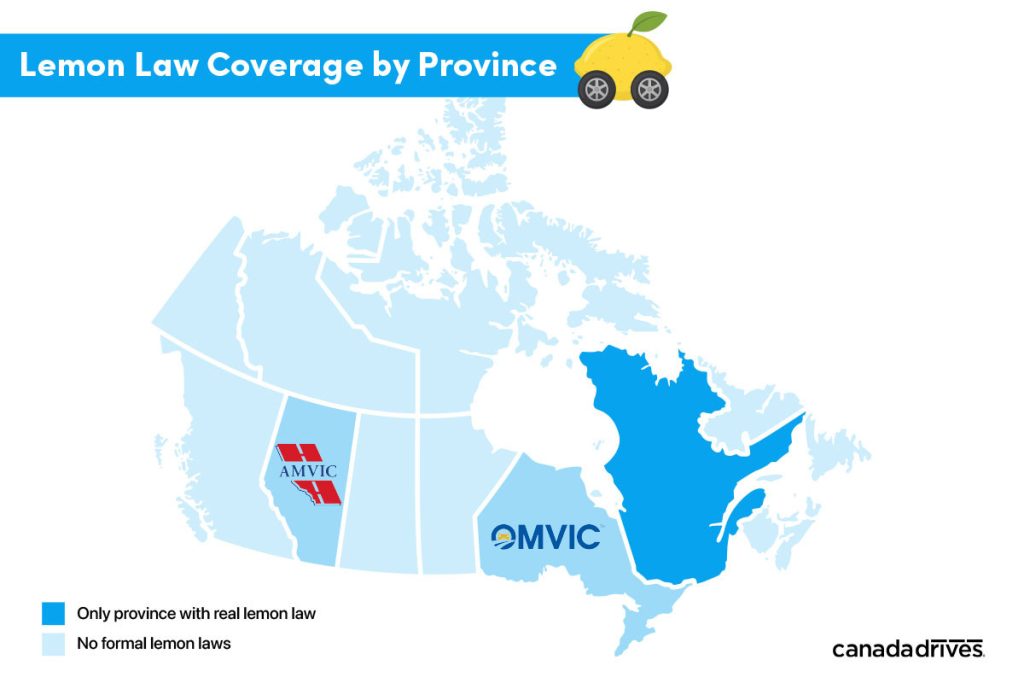
Are you thinking about buying a used car but worried about what happens if it turns out to be a dud? You’ve probably heard about the Lemon Law protecting new car buyers, but what about used cars?
Can you rely on the same protections if your used car has serious problems? Understanding how the Lemon Law works for used cars could save you from costly repairs and endless headaches. Keep reading to discover what your rights are and how to protect yourself when buying a used vehicle.

Credit: thelemonpros.com
Lemon Law Basics
The lemon law helps protect buyers from defective vehicles. It applies if a car has serious problems that can’t be fixed.
This law makes sure you are not stuck with a bad vehicle. It also sets rules for repairs and refunds.
Purpose And Scope
The lemon law aims to protect consumers from cars that do not meet quality standards. It covers vehicles with major defects that affect safety or use.
The law applies during a specific time or mileage after purchase. It helps buyers get repairs, replacements, or refunds if the car is a lemon.
Vehicles Typically Covered
The lemon law usually covers new vehicles bought or leased from dealers. Some states also include used cars under certain conditions.
Used cars may be covered if they are still under the original warranty or meet state rules. Coverage can vary by state.
- New cars with serious defects
- Certified pre-owned cars with warranty
- Used cars still under factory warranty
- Some states include leased vehicles
Coverage For Used Cars
Lemon laws protect buyers from defective vehicles. Used cars may or may not be covered. Rules vary by state and car condition.
Knowing if a used car qualifies helps buyers seek repairs or refunds. Check local laws before buying a used car.
State-by-state Variations
Each state has its own lemon law rules for used cars. Some states include coverage, others limit it.
| State | Used Car Coverage | Conditions |
| California | Yes | Within 18 months or 18,000 miles |
| Texas | No | Lemon law applies only to new cars |
| Florida | Partial | Only certified pre-owned cars |
| New York | Yes | Must be under warranty |
| Illinois | Yes | Applies if sold by dealer with warranty |
Criteria For Eligibility
Used cars must meet certain rules to qualify for lemon law protection. Criteria vary but often include:
- The car must have a serious defect affecting safety or use.
- Defects must occur within a specific time or mileage limit.
- The buyer must report the problem to the dealer or manufacturer.
- Multiple repair attempts must fail to fix the defect.
- The vehicle must still be under a valid warranty.
Understanding these rules helps buyers know when to seek help for a faulty used car.
Common Defects In Used Cars
Used cars can have many problems that affect their value and safety. Buyers should know what defects to look for before purchasing.
This guide explains common mechanical and safety issues found in used vehicles. Knowing these can help buyers make better choices.
Mechanical Issues
Mechanical problems are the most common defects in used cars. These issues can cause the car to break down or cost a lot to fix.
- Engine problems like misfires or overheating
- Transmission slipping or failure
- Brake system wear or malfunction
- Suspension damage causing poor handling
- Electrical system faults affecting lights or controls
Safety Concerns
Safety defects in used cars can put drivers and passengers at risk. These problems must be fixed to ensure safe driving.
| Safety Issue | Description | Possible Impact |
| Airbag Malfunction | Airbags may not deploy in a crash | Higher injury risk |
| Seatbelt Damage | Seatbelts might not lock or retract | Less protection in accidents |
| Brake Failure | Brakes may fail or respond slowly | Increased crash chance |
| Faulty Lights | Headlights or brake lights may not work | Reduced visibility |
Filing A Lemon Law Claim
Lemon laws protect buyers from defective vehicles. They cover cars with serious problems that affect use or safety. Used cars may be covered under some state lemon laws.
Filing a claim helps you get a refund or replacement. You must follow certain steps and provide important documents.
Documentation Needed
Keep all records about the car and repairs. These papers prove the car has defects. They show you tried to fix the problems.
- Purchase or lease agreement
- All repair invoices and receipts
- Warranty documents
- Communication with the dealer or manufacturer
- Inspection and test reports
- Any written repair estimates
Good documentation makes your claim stronger. It helps prove your case to the dealer or court.
Steps To Take
Start by notifying the dealer or manufacturer about the problem. They may offer a repair or replacement first.
If the issue is not fixed, you can file a lemon law claim. Follow your state’s rules carefully.
- Check your state’s lemon law requirements for used cars
- Gather all needed documents
- Send a formal written complaint to the dealer or manufacturer
- Keep records of all communication
- File a claim with the state agency or court if no resolution
- Consider legal advice if needed
Alternative Consumer Protections
Used cars often do not have the same Lemon Law coverage as new cars. Consumers need other ways to protect themselves. There are several options that help buyers if their used car has problems.
These protections can include warranties, guarantees, and buyback programs. They help limit risks and give buyers some peace of mind.
Warranties And Guarantees
Many used cars come with warranties or guarantees from dealers or manufacturers. These promises cover certain repairs for a set time or miles.
Warranties can protect buyers from costly repairs soon after purchase. Some dealers offer limited warranties even on older cars.
- Basic warranty covers major parts like engine and transmission
- Limited warranty lasts for a few months or a few thousand miles
- Some dealers sell extended warranties for extra protection
Used Car Buyback Programs
Some states or dealers have buyback programs for used cars with serious defects. These programs allow buyers to return the car for a refund or replacement.
Buyback programs work when a car has major problems that the dealer cannot fix. They offer another way to avoid losing money on a bad used car.
- Buyback programs may require proof of defects
- They often have time limits after purchase
- Each program has its own rules and conditions

Credit: thelemonpros.com
Tips For Buying Used Cars
Buying a used car can save money, but it needs care. Check the car well before you buy.
Some used cars might have hidden problems. Know what to look for to avoid bad deals.
Inspection And History Reports
Always get a used car inspected by a trusted mechanic. They can find issues you might miss.
Check the car’s history report. It shows accidents, repairs, and if the car was stolen.
- Look for accident records
- Check for past repairs
- See if the car was ever stolen
- Verify the number of previous owners
- Check for any recalls
Dealer Vs. Private Seller
Buying from a dealer often means more legal protection. Dealers must follow certain rules.
Private sellers may offer lower prices but fewer guarantees. You must be extra careful.
- Dealers often provide warranties
- Private sellers sell “as is” usually
- Dealers handle paperwork for you
- Private sellers might sell faster
- Check return policies with dealers
Credit: www.nerdwallet.com
Frequently Asked Questions
Are Used Cars Protected By Lemon Laws?
Lemon laws vary by state, but many do cover used cars. Protection often depends on the car’s age and mileage. Check local laws to see if your used car qualifies for lemon law coverage.
What Conditions Must A Used Car Meet For Lemon Law?
Typically, the used car must have a substantial defect affecting safety or use. The defect must persist after multiple repair attempts. Specific criteria depend on your state’s lemon law regulations.
How Long Does Lemon Law Coverage Last For Used Cars?
Lemon law coverage duration varies by state and vehicle condition. It often applies within a certain time frame or mileage limit after purchase. Verify your state’s rules for exact coverage periods.
Can I Return A Used Lemon Car To The Dealer?
If your used car qualifies as a lemon, you may be entitled to a refund or replacement. The dealer must comply with lemon law requirements. Consult a lemon law attorney for guidance.
Conclusion
Used cars may or may not be covered under the lemon law. It depends on your state’s rules and the car’s condition. Checking your state’s lemon law helps you know your rights. Keep all repair records and documents ready. These papers prove your case if the car has defects.
Knowing the law protects you from bad purchases. Always research before buying a used car. This saves money and stress later. Stay informed and make smart decisions when buying used cars.